Source Top Grade Used Skirt for Resale, Thrift Stores, and Fashion Brands
Explore 30 listings for Top Grade Used Skirt options suitable for bulk resale, thrift store inventory, and vintage fashion brands. Compare specifications including material, size, and condition to find the right supplier for your sourcing needs; compare the available evidence and request quotations based on your requirements.
Key considerations
Products List
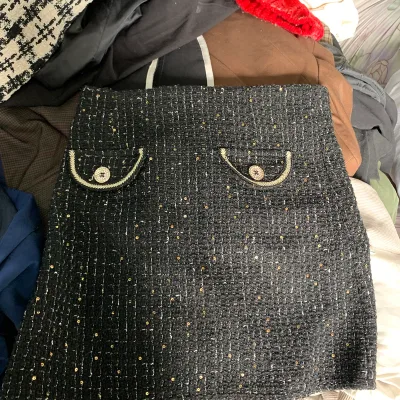
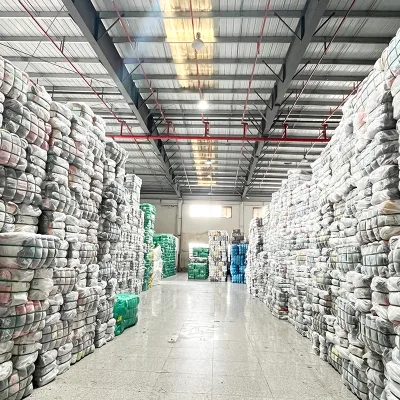
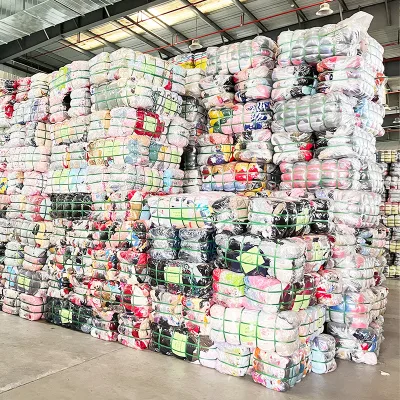
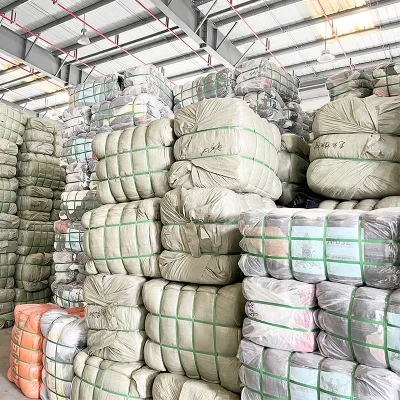
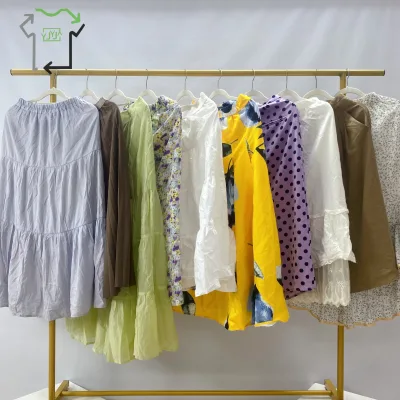
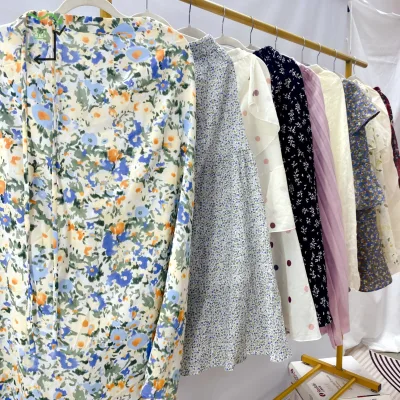
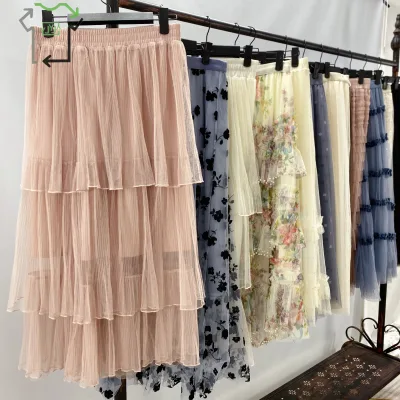
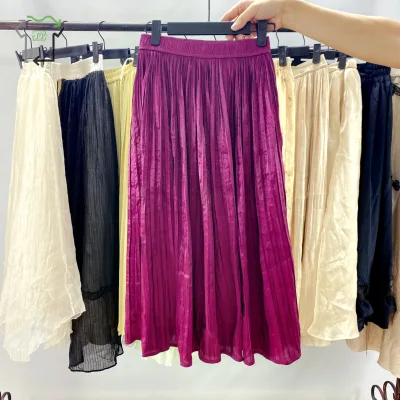
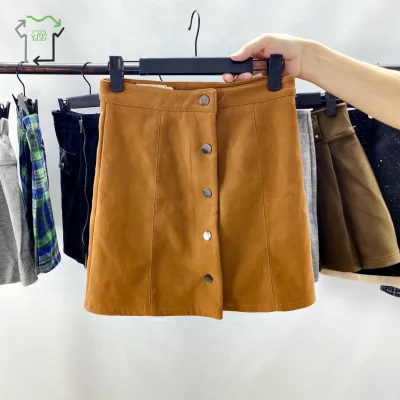
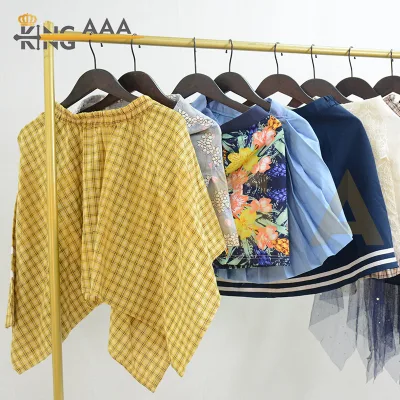
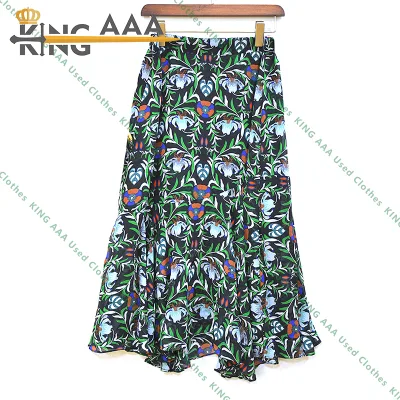
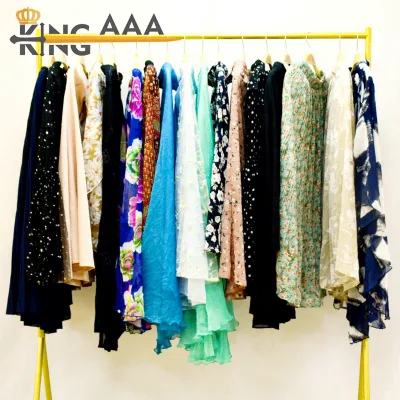
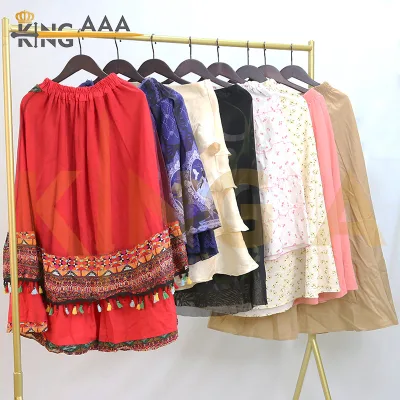
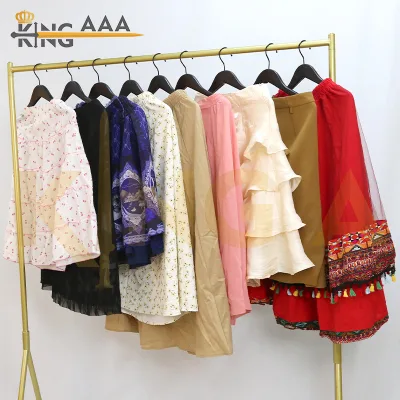
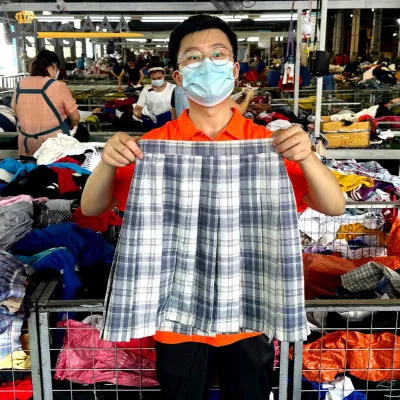


Comprehensive Sourcing Guide
Top Grade Used Skirt Sourcing Guide
Procuring top-grade used skirts requires distinguishing between high-quality vintage pieces and bulk second-hand inventory that may vary significantly in condition. The market offers items ranging from specific luxury models to mixed bales of winter and summer wear, often sourced from regions like Guangdong and Jiangsu in China. Buyers must carefully evaluate whether they need single-item fashion pieces or bulk quantities for resale, as the product attributes indicate a wide spectrum from "High Standard Used Clothing" to mixed cotton and polyester blends.
Understanding the specific condition and material composition is critical before initiating any purchase order. Listings frequently describe items as "Clean / Good" or "90% Clean," yet the actual quality can fluctuate based on the sorting process. While some products are marketed as "Velvet vintage" or "High-quality" wool skirts, others are generic mixed sizes in various colors. Buyers should verify the exact material content, such as knitted, cotton, or polyester, to ensure the inventory matches their target demographic and seasonal requirements.
Product Scope and Observed Listing Signals
The observed product scope encompasses a diverse array of skirts, including luxury models, vintage velvet styles, and mixed bales of winter and summer wear. Listings indicate that sizes range from S to XXXL, often sold as mixed sizes within a single package, while some specific models are labeled simply as "Skirt" or "Luxury." The seasonal availability spans four seasons, with distinct offerings for winter wool skirts and summer cotton blends, reflecting the varied nature of the second-hand clothing market.
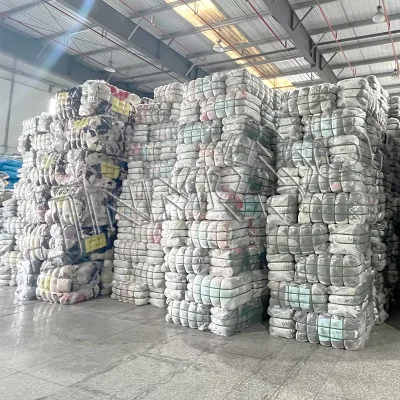
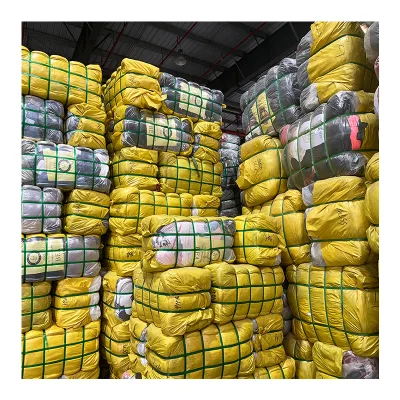
Buyers must scrutinize listing signals regarding the product name and condition to avoid misalignment with their procurement goals. Some entries explicitly state "Second Hand Clothes Original" or "High Standard Used Clothing," while others focus on "Fashionable Second Hand Clothing" with mixed colors. The single package size varies, with some bales measuring 30x30x30 cm and others 40x30x30 cm, which directly impacts logistics planning. It is essential to confirm whether the listing refers to a single item or a bulk bale, as the selling units and packaging details differ significantly between these categories.
Technical Specifications to Verify
Technical verification begins with confirming the material composition, as listings cite a wide range including velvet, cotton, polyester, and knitted fabrics. Buyers should request detailed material breakdowns to ensure the skirts meet durability and comfort standards for their intended market. The model numbers vary from generic "oem" or "Skirt" to specific "luxury" designations, which may influence the perceived value and styling of the inventory. Verifying the exact fabric blend is crucial for determining the appropriate care instructions and resale positioning.
Size consistency and packaging dimensions are equally critical technical factors that affect inventory management and shipping costs. While some products offer a clear S-XXXL range, others are sold as "Mixed Sizes" without specific breakdowns, which can complicate sizing for end consumers. The single gross weight is often listed as 1.000 kg for individual items, but bulk orders may be packaged in bales weighing 45kg to 100kg. Buyers must verify the single package size and total weight to calculate accurate freight charges and storage requirements for their distribution centers.
Compliance and Safety Documentation
Compliance in the used clothing sector often hinges on the condition grading and cleaning standards applied by the supplier. Listings mention "High Standard Used Clothing" and conditions described as "Clean / Good" or "90% Clean," but these are observations rather than guaranteed certifications. Buyers should explicitly request documentation proving that the garments have undergone rigorous sanitation processes to meet health and safety regulations in their destination markets. Without verified cleaning protocols, there is a risk of introducing hygiene issues that could lead to regulatory penalties or brand damage.
While background knowledge suggests standards like OEKO-TEX or GOTS, these specific certifications are not confirmed in the provided product facts. Consequently, buyers must treat any claim of compliance as a verification point rather than an established fact. It is advisable to ask suppliers for third-party test results or specific cleaning certificates that validate the "High-quality" and "Clean" assertions found in the listings. Relying solely on marketing terms like "Fashionable Second Hand" without supporting safety documentation is a significant risk in international trade.
Cost Drivers and Commercial Terms
Cost drivers for top-grade used skirts are heavily influenced by the material type, condition grade, and packaging format. Listings show a price range from 0.5 to 1500 USD, reflecting the disparity between low-cost mixed bales and high-value luxury or vintage items. The MOQ is frequently set at 500 kilograms, which creates a high barrier for small buyers and necessitates bulk purchasing strategies. Buyers must calculate the cost per kilogram or per bale to determine the true unit economics, as the "Single item" selling units may not be available for all product types.
Commercial terms regarding lead times and sample availability require careful negotiation to align with supply chain needs. The provided facts indicate that a 7-day sample order lead time is "Not Support," which limits the ability to inspect quality before committing to a large order. Additionally, supply abilities are noted as 300 pieces per month for certain items, suggesting potential capacity constraints for high-demand styles. Buyers should clarify packaging details, such as the 45kg to 100kg bale options, to ensure they can meet their inventory turnover goals without overstocking.
Supplier Qualification and Quality Control
Supplier qualification should focus on their ability to consistently deliver "High-quality" and "Clean" inventory that matches the described specifications. The presence of brands like "Jinmao" or "JM" in some listings suggests established sourcing channels, but buyers must verify the actual origin and sorting processes. Since the place of origin is listed as both Guangdong and Jiangsu, China, buyers should confirm the specific facility handling the goods to ensure consistent quality control standards. A supplier's reputation for maintaining "High Standard Used Clothing" is a key indicator of reliability.
Quality control measures must be robust enough to handle the variability inherent in second-hand goods, such as mixed colors and sizes. Buyers should implement a pre-shipment inspection protocol to verify that the "Condition: Clean / Good" claims are accurate and that the materials match the description. Given that some products are "Mixed Size" and others are specific models, random sampling from the bale is essential to detect defects or mislabeling. Establishing a clear acceptance criteria based on the observed "High Clean Neated" standards will help mitigate the risk of receiving substandard inventory.
Long-Term Procurement Checks
Long-term procurement success depends on maintaining a consistent supply of skirts that meet evolving market demands for style and condition. Buyers should regularly audit their suppliers to ensure that the "Fashionable Second Hand" styles remain relevant and that the "Mixed Colors" and "S-XXXL" sizes continue to align with consumer preferences. The ability to source specific materials like velvet or knitted fabrics over time is crucial for maintaining a diverse product catalog that appeals to different demographics.
Continuous monitoring of commercial terms and supply capabilities is necessary to adapt to market fluctuations and potential supply chain disruptions. Since sample lead times are not supported, buyers must rely on established relationships and historical performance data to make future orders. Tracking the "Supply Ability" of 300 pieces per month against actual demand will help prevent stockouts or overstock situations. Regularly reviewing the "Package" requirements and bale weights ensures that logistics remain efficient and cost-effective over the long term.
FAQs
What materials are used in luxury used skirts?
Luxury used skirts are crafted from various materials including velvet, cotton, polyester, and knitted fabrics. Buyers can find mixed material options depending on the supplier's inventory. These materials ensure durability and comfort for different seasons. The variety allows for diverse styling choices while maintaining high quality standards for second-hand garments.
Can I find second-hand skirts in mixed sizes?
Yes, many suppliers offer second-hand skirts in mixed sizes ranging from S to XXXL. This option is ideal for bulk buyers who need variety. Mixed sizes help in catering to different customer demographics. Buyers should verify the specific size distribution with the vendor before placing orders to ensure it meets their target market needs.
What is the typical MOQ for used clothing bales?
The typical MOQ for used clothing bales is often 500 kilograms. This standard applies to many suppliers dealing in second-hand garments. Buyers should confirm the exact weight requirement with the specific vendor. Meeting this MOQ ensures efficient shipping and processing. It is a common threshold for wholesale transactions in the used clothing industry.
How are used skirts packaged for shipment?
Used skirts are typically packaged in bales weighing between 45kg and 100kg. Some suppliers offer custom packaging according to customer requirements. Standard packaging dimensions may vary, such as 30x30x30 cm or 40x30x30 cm per package. Buyers should specify their packaging preferences to ensure safe transport and compliance with import regulations.
Are used skirts available for all seasons?
Yes, used skirts are available for all seasons, including winter, summer, and four-season options. Suppliers stock items based on current demand and inventory. Buyers can find specific seasonal items like winter wool skirts or summer cotton dresses. It is advisable to check the product description for seasonal suitability before purchasing.
What is the condition of grade A used skirts?
Grade A used skirts are typically in clean and good condition, often rated at 90% quality. These items are carefully sorted and prepared for resale. Buyers can expect high-quality garments with minimal wear. The condition ensures that the skirts are ready for immediate distribution or retail, providing value for money in the second-hand market.
Where are these used skirts manufactured or sourced?
These used skirts are sourced from suppliers located in Guangdong and Jiangsu, China. These regions are known for their extensive second-hand clothing markets. Buyers can find various vendors offering different styles and qualities. The origin indicates a robust supply chain for second-hand garments, ensuring consistent availability for international buyers.