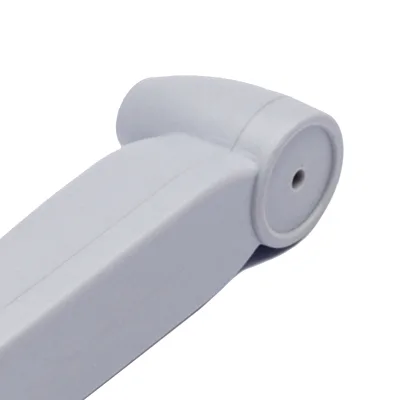
Source Gray ABS EAS Hard Tag with Plastic Pin for Retail
Find and compare 30 Gray ABS EAS Hard Tag with Plastic Pin options for garment stores, supermarkets, and shopping arcades. These RF security tags feature steel or ABS plastic construction with smooth or grooved pins in various lengths to suit diverse inventory protection needs.
Key considerations
Products List


EAS Plastic Pin EAS Security Hard Tag Pin EAS Tag Pin for Garments Stores
$0.01 - $0.01
MOQ: 10000 Pieces


Clothing Stores Anti Theft EAS Security Tag Pin EAS Hard Tag Pin EAS Tag Pin
$0.00 - $0.00
MOQ: 10000 Pieces


EAS Security Mini Magnetic Lock Tags Anti-Theft ABS White Lock Tag with Pin
$0.03 - $0.06
MOQ: 1000 Pieces


Comprehensive Sourcing Guide
Gray ABS EAS Hard Tag with Plastic Pin Sourcing Guide
Procurement teams must first distinguish between the core tag body and the detachable pin mechanism, as these components often have distinct material specifications and failure points. The observed product data indicates that the tag body is frequently constructed from a combination of steel and ABS plastic, while the pin itself is available in smooth or grooved finishes to match specific security requirements. Buyers should verify that the gray color option is standard across the supply chain, as some listings also offer white, black, or fully customized colorways that may impact inventory planning.
When evaluating the product scope, it is critical to confirm the specific system design compatibility, as the observed listings highlight both RF and Am Hard Tag applications. The detection signal is described as Acusto Magnetic, which suggests a specific frequency range that must align with the retailer's existing security infrastructure. Sourcing decisions should prioritize tags that explicitly state their application suitability for environments like supermarkets, shopping arcades, and garment stores, ensuring the hardware meets the physical demands of high-traffic retail floors.
Product Scope and Observed Listing Signals
The physical dimensions of the tag and pin are primary variables that influence both the aesthetic appeal and the functional security of the merchandise. Observed specifications list pin lengths ranging from 16mm to 24mm, with diameters typically falling between 13.5mm and 20mm depending on the specific model. Buyers must carefully match these dimensions to the thickness of the merchandise being protected, as a pin that is too short may fail to penetrate the tag, while one that is too long could damage the product or be easily removed by thieves.
Surface texture and packaging volume are equally significant signals that indicate the intended use case and logistical requirements of the order. The pin surface is described as either smooth or grooved, a feature that directly affects the grip and retention strength when attached to clothing or jewelry. Furthermore, the packaging data reveals a wide variance in carton sizes and gross weights, ranging from 5.8kg to 21kg per carton, which necessitates precise calculation of shipping costs and warehouse storage capacity before finalizing the purchase order.
Technical Specifications to Verify
Verification of the detection distance is essential to ensure the tag functions correctly within the specific layout of the retail environment. The observed data suggests a detection range of 0.9 to 1.2 meters, a metric that buyers must validate against their own store's antenna placement and sensitivity settings. A tag that performs well in a controlled test environment may fail in a real-world scenario with high interference, so requesting on-site testing or detailed performance charts is a necessary step before committing to a large volume order.
The mechanical integrity of the pin and its attachment mechanism requires rigorous inspection to prevent premature failure during normal retail operations. Specifications indicate that the pin length can be 16mm or 19mm, and the material composition includes stainless steel and ABS plastic, which are chosen for durability. Buyers should request samples to test the tensile strength of the pin and the ease of removal with the designated detacher, ensuring that the mechanism does not snag on fabric or break under the stress of typical customer handling.
Compliance and Safety Documentation
Regulatory compliance is a non-negotiable aspect of sourcing security hardware, particularly when the products are intended for international distribution. The observed listings cite CE certification and SGS standards, which are critical for demonstrating that the materials and manufacturing processes meet European safety and quality benchmarks. Procurement teams must request valid, up-to-date certification documents for every batch of goods, as these documents serve as the primary evidence of compliance during customs clearance and regulatory audits.
Material safety and environmental standards are also paramount, especially given the use of plastics and metals in the tag construction. The product data mentions ABS plastic and stainless steel, materials that must be free from hazardous substances to comply with global regulations like RoHS. Buyers should verify that the supplier can provide material safety data sheets (MSDS) and confirm that the manufacturing facility adheres to strict quality control protocols to ensure the final product is safe for consumer interaction and does not pose any health risks.
Cost Drivers and Commercial Terms
The minimum order quantity (MOQ) is a significant factor that influences the total cost of ownership and the feasibility of the procurement strategy. While some listings indicate an MOQ of 10,000 pieces, others show a range starting from 1 piece up to 50,000 pieces, creating a wide spectrum of entry barriers for different buyers. Understanding these thresholds is vital for small retailers who may need to consolidate orders with other suppliers or for large chains that can leverage volume discounts to reduce the per-unit cost significantly.
Packaging and shipping logistics represent another major cost driver that can vary substantially based on the supplier's location and packing efficiency. The observed data shows carton sizes ranging from 35x25x17cm to 56x35x18cm, with gross weights varying from 5.8kg to 21kg per carton. These variations directly impact freight charges and storage requirements, so buyers must calculate the total landed cost including freight, insurance, and duties rather than focusing solely on the unit price to avoid unexpected budget overruns.
Supplier Qualification and Quality Control
Supplier qualification should extend beyond basic business registration to include a thorough assessment of their manufacturing capabilities and quality assurance processes. The observed product origins are listed as China and specifically Shanghai, which are known manufacturing hubs, but buyers must verify the specific factory's capacity to maintain consistent quality across large production runs. Requesting a factory audit or a detailed video tour can provide insight into the production line's cleanliness, equipment maintenance, and the rigor of their internal quality checks.
Quality control protocols must be clearly defined and agreed upon before production begins to ensure that the delivered goods meet the specified standards. Buyers should establish clear acceptance criteria for defects, such as pin breakage, color inconsistencies, or packaging errors, and require a pre-shipment inspection report from a third-party agency. This step is crucial for mitigating the risk of receiving substandard products that could compromise store security or damage the retailer's reputation with customers.
Long-Term Procurement Checks
Establishing a long-term relationship with a supplier requires a commitment to continuous performance monitoring and regular quality audits. Buyers should implement a system to track defect rates and return frequencies over time, using this data to negotiate better terms or switch suppliers if performance declines. Consistent communication regarding production schedules and inventory levels is also essential to prevent stockouts and ensure that the supply chain remains resilient against market fluctuations or logistical disruptions.
Future-proofing the procurement strategy involves staying informed about technological advancements and changes in security standards that may render current products obsolete. As security threats evolve, the specifications for detection signals and pin durability may need to be updated, requiring suppliers to be agile and responsive to new requirements. Buyers should maintain a flexible contract structure that allows for adjustments in order volume and product specifications, ensuring that the procurement strategy remains aligned with the evolving needs of the retail business.
FAQs
How can I customize the Gray ABS EAS Hard Tag with Plastic Pin?
Customization is available for this Gray ABS EAS Hard Tag with Plastic Pin. You can typically specify the pin length, choosing between 16mm or 19mm, and select a smooth or grooved pin surface. Color options such as white, black, gray, or customized shades may also be arranged. Confirm available combinations with the supplier before placing an order, since minimum quantities apply.
What sizes are offered for this EAS hard tag pin?
The pin is available in lengths of 16mm or 19mm, and tag lengths span 16mm, 19mm, 21mm, or 24mm depending on the model, with diameters of 13.5mm, 16mm, or 20mm. Surfaces come smooth or grooved. These size variations let retailers match tags to different garment and merchandise types, so select the dimension that suits your application before ordering.
Which systems is this gray ABS hard tag compatible with?
This tag works with both RF and acousto-magnetic EAS systems, listed as RF system design with acousto-magnetic detection signal among related products. It is classified as an EAS accessory used as a component for security tags. Verify the frequency requirements of your existing pedestal system before purchasing, since compatibility determines detection performance at your store entrances.
Can this tag be used in different retail environments?
Yes, it is applied in jewelry stores, garment stores, supermarkets, shopping arcades, video stores, and bookstores. Detection distance for compatible systems is around 0.9 to 1.2 meters. The tag is made of steel and ABS plastic with a smooth or grooved surface, making it suitable for protecting apparel, accessories, media, and other merchandise across varied retail formats.
What is the typical packaging and minimum order quantity?
Packaging details include 1000 pieces per box and cartons of 10,000 or 20,000 pieces depending on the model. The stated MOQ is 10,000 pieces. Carton sizes range from 35 by 25 by 17 centimeters up to 56 by 35 by 18 centimeters, with gross weights between roughly 5.8kg and 21kg. Confirm exact packing per model with the supplier when ordering.
What certifications and standards apply to these EAS tags?
Listed products carry CE certification, and some models are noted against SGS and CE standards. The tags originate from China, with origin listed as Shanghai in some cases. Materials include ABS plastic, steel, and stainless steel for certain components. Ask suppliers for current certification documentation before shipment, since compliance requirements vary by destination market and retail chain policy.