Source Gravure Printing Sliding Tin Box for Food, Gifts, and Cosmetics
Find and compare 30 Gravure Printing Sliding Tin Box options for food, gifts, and cosmetics. These rectangular metal containers feature slider lids, customizable branding, and eco-friendly tinplate materials to meet your packaging needs.
Key considerations
Products List


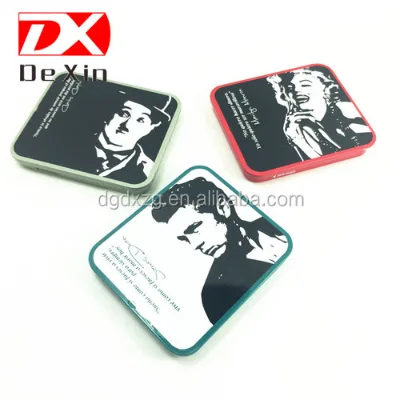


Factory Sale Custom Sliding Metal Tin Box Empty Small Packaging Tin Box
$0.19 - $0.75
MOQ: 1000 Pieces


Custom Printing Small Rectangular Slide Tin Box Solid Tin Packaging Box Can
$0.19 - $0.75
MOQ: 1000 Pieces

Rectangle Metal Tin Box Hinged Flip Lid Tinplate Custom Printing Package Box
$0.17 - $0.59
MOQ: 1000 Pieces


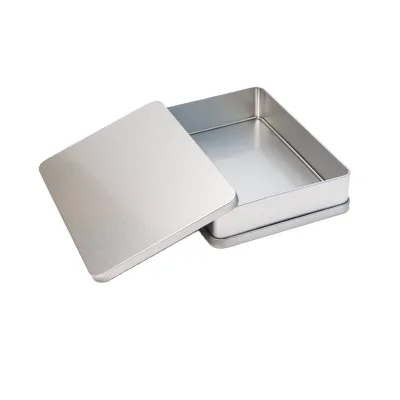


Hot Sales Custom Printing Cr Sliding Tin Box Accept Custom Paper Insert
$0.26 - $0.64
MOQ: 5000 Pieces




Comprehensive Sourcing Guide
Gravure Printing Sliding Tin Box Sourcing Guide
Sourcing high-quality tin packaging requires a clear understanding of how printing techniques and mechanical designs impact both aesthetics and functionality. The Gravure Printing Sliding Tin Box represents a premium segment of metal packaging, combining the depth and vibrancy of gravure printing with the user-friendly experience of a sliding lid mechanism. Buyers must distinguish this specific configuration from standard offset-printed tins or those with hinged lids, as the manufacturing processes and quality control metrics differ significantly. This guide provides evidence-based procurement advice for sourcing these specialized containers, focusing on verified product attributes, technical verification, and commercial risk management.
The observed market data indicates a diverse range of suppliers offering customized metal packaging solutions, with prices ranging from $0.11 to $3.00 USD and minimum order quantities (MOQs) varying between 100 and 10,000 pieces. While some listings highlight specific models like SL-M032 or DXbox s01, buyers should not assume that all suppliers offer true gravure printing capabilities, as many may default to offset printing for cost efficiency. The presence of customization options and eco-friendly material claims suggests a mature supply chain, but verification of actual production capabilities is essential to ensure the final product meets brand standards for visual fidelity and structural integrity.
Product Scope and Observed Listing Signals
The product scope for sliding tin boxes typically encompasses applications in the food, gift, cosmetics, and electronics sectors, as indicated by observed usage attributes. These containers are often designed for chocolate bars, small gifts, or premium retail items, where the sliding mechanism provides a satisfying unboxing experience that enhances brand perception. The material composition is predominantly tinplate, with thicknesses ranging from 0.2mm to 0.35mm, providing a balance between durability and cost-effectiveness. Buyers should note that while "tin" is the common term, the actual material is steel coated with tin, which offers corrosion resistance and food-safe properties when properly treated.
Observed listing signals reveal a strong emphasis on customization, with many suppliers offering logo printing, embossing, and various surface finishes such as glossy or matte lamination. The standard dimensions observed include models like 863223mm and 603512mm, indicating that rectangular shapes are the dominant form factor for sliding lids. However, buyers must verify if the specific supplier can accommodate non-standard sizes, as tooling for sliding mechanisms can be complex and costly to modify. The presence of "OEM" and "Custom Order" attributes suggests flexibility, but the lead time for samples, often cited as 12-15 days, highlights the need for early engagement in the sourcing process.
Technical Specifications to Verify
Verifying the printing technique is critical, as many suppliers may claim "gravure" but actually use offset printing for simpler designs. Gravure printing offers superior color depth and consistency, especially for complex gradients and fine details, but requires engraved cylinders that are expensive to produce. Buyers should request physical samples to assess the print quality, checking for dot gain, color registration, and the absence of banding or streaks. Additionally, the surface handling options, including UV coating, varnishing, and stamping, should be evaluated for their impact on the tactile experience and durability of the print under friction from the sliding lid.
The mechanical integrity of the sliding lid must be rigorously tested, as this is the most common point of failure in tin box design. Buyers should verify the tolerance between the lid and the base, ensuring a smooth glide without excessive play or binding. The thickness of the tinplate, observed in the range of 0.2-0.35mm, directly affects the rigidity of the box and the ease of sliding. Thinner materials may be more prone to denting, while thicker materials may require more force to slide, potentially affecting user experience. Suppliers should provide detailed specifications for the lid fit and the material grade to ensure consistency across production batches.
Compliance and Safety Documentation
Food safety compliance is paramount if the tin box is intended for direct or indirect food contact, such as for chocolate or tea. Buyers must verify that the supplier adheres to relevant food contact regulations, such as FDA or EU standards, and that the internal lacquer or coating is free from harmful substances like BPA or heavy metals. The observed "Eco-Friendly" attribute should be substantiated with documentation regarding the recyclability of the tinplate and the environmental impact of the printing inks and coatings. Suppliers should provide material safety data sheets (MSDS) and migration test results to confirm that no harmful substances leach into the product.
Certification status, such as ISO 9001 for quality management or BSCI for social compliance, provides assurance of the supplier’s operational standards. While these certifications are not guarantees of product quality, they indicate a structured approach to manufacturing and ethical labor practices. Buyers should request copies of valid certificates and verify their authenticity through the issuing bodies. Additionally, any specific industry certifications, such as those for cosmetic packaging or electronic accessories, should be confirmed to ensure the product meets sector-specific regulatory requirements.
Cost Drivers and Commercial Terms
The cost of gravure printing sliding tin boxes is influenced by several key factors, including the complexity of the design, the number of colors, and the quantity ordered. Gravure cylinders are expensive to produce, so high volumes are typically required to amortize these initial costs. Buyers should negotiate pricing based on tiered MOQs, as observed in the market where MOQs range from 100 to 10,000 pieces. Lower volumes may incur higher per-unit costs due to setup fees and shorter production runs, while larger orders can benefit from economies of scale.
Commercial terms such as payment methods, shipping terms, and lead times should be clearly defined in the contract. The observed sample time of 12-15 days suggests that production lead times for bulk orders may be longer, especially for custom designs. Buyers should clarify whether the quoted price includes tooling costs, packaging materials, and shipping fees. Additionally, the supply ability of the supplier, observed at up to 1,000,000 pieces per month, should be considered when planning large-scale procurement to ensure timely delivery.
Supplier Qualification and Quality Control
Supplier qualification should involve a thorough assessment of their manufacturing capabilities, including their printing equipment, die-cutting precision, and assembly lines. Buyers should request factory audits or third-party inspection reports to verify the supplier’s capacity to maintain consistent quality. The presence of advanced printing techniques, such as embossing and stamping, indicates a higher level of technical expertise, which is essential for producing high-quality sliding tin boxes. Suppliers with a proven track record in exporting to your target market may offer better compliance with international standards.
Quality control measures should be established at every stage of production, from raw material inspection to final packaging. Buyers should define clear acceptance criteria for print quality, lid fit, and structural integrity. Random sampling and stress testing of the sliding mechanism can help identify potential defects before shipment. Additionally, suppliers should provide a warranty or guarantee against defects, ensuring that any issues arising during transit or initial use are addressed promptly. Establishing a strong communication channel with the supplier’s quality assurance team can facilitate rapid resolution of any production issues.
Long-Term Procurement Checks
Long-term procurement success depends on the ability to maintain consistent quality and supply stability over time. Buyers should conduct periodic audits and request regular samples from production batches to monitor for any drift in quality. The dynamic nature of consumer preferences may require periodic updates to design or materials, so maintaining a flexible relationship with the supplier is essential. Suppliers who invest in continuous improvement and innovation can provide valuable insights into new trends and technologies in metal packaging.
Sustainability and regulatory changes may impact the sourcing strategy in the future. Buyers should stay informed about evolving environmental regulations and consumer expectations regarding eco-friendly packaging. Suppliers who proactively adapt to these changes, such as by using recyclable materials or reducing waste, can help buyers meet their corporate social responsibility goals. Building a partnership based on transparency and mutual growth can lead to better pricing, priority production, and collaborative innovation in the long run.
FAQs
What customization options are available for tin boxes?
Customization is available for these tin boxes, allowing buyers to tailor designs. The products support logo printing and can be produced with any color. Buyers can request specific packaging details and customized packaging solutions to meet unique branding needs.
Which materials are used to manufacture these sliding tin boxes?
These boxes are primarily made from tinplate with a thickness ranging from 0.2 to 0.35mm. The material is described as eco-friendly and can include recycled materials. This ensures durability while maintaining a lightweight structure suitable for food and gift applications.
How long does it take to receive samples for these boxes?
The sample time is typically between 12 to 15 days for production. This duration allows for the creation of prototypes with specific features like slider lids. Buyers should plan their timelines accordingly before requesting full production runs.
Can I order small quantities of these metal boxes?
The minimum order quantity is 3000 pieces for standard orders. However, some listings indicate an MOQ range starting from 100 pieces. Buyers should verify specific supplier requirements as the standard threshold is set at 3000 pieces for most transactions.
What printing methods are supported for these tin containers?
Supported printing methods include offset printing, embossing, and various coatings like UV or varnishing. Buyers can choose between single-page printing or CMYK printing. The surface handling options allow for glossy or matte finishes depending on the design requirements.
Where are these tin boxes manufactured and shipped from?
The products originate from Dong Guan and Guangdong, China. The port of dispatch is typically ShenZhen. This location ensures efficient logistics for international buyers seeking metal packaging solutions with documented production standards.
What certifications do these tin box manufacturers hold?
The products are associated with ISO certification standards. This indicates adherence to quality management systems for the manufacturing process. Buyers can expect consistent quality control measures aligned with international standards for metal packaging production.