Source green and yellow jig heads for sea, lake, and river fishing
Explore 30 listings of Green and Yellow Jig Heads for Sea Fishing designed for various freshwater and saltwater applications. Buyers can compare hook sizes, weights, and customization options from suppliers in China to find the right gear for trout, bass, and seabass.
Key considerations
Products List


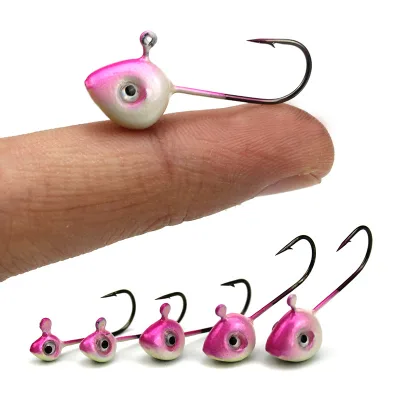
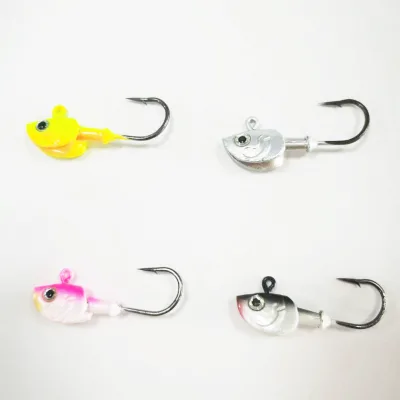
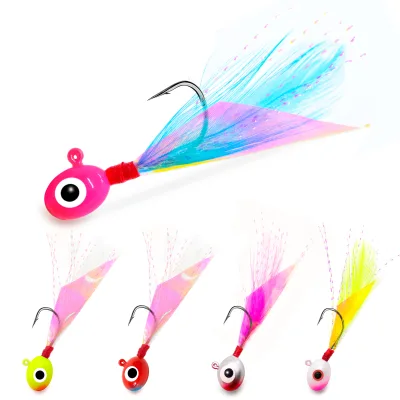
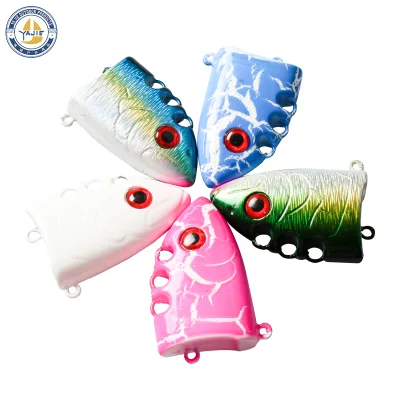
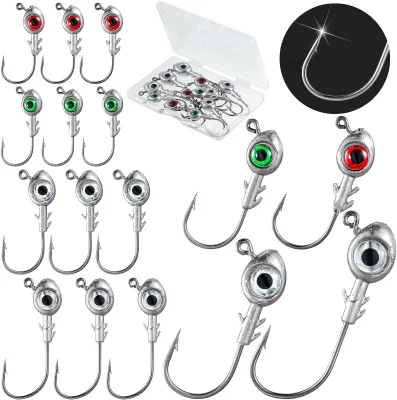


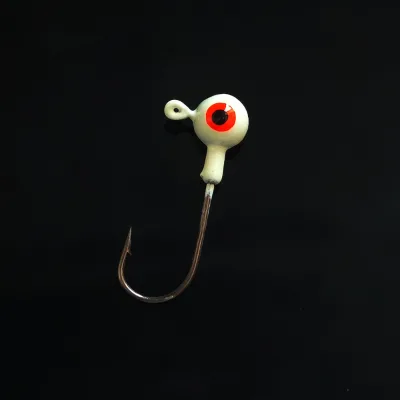
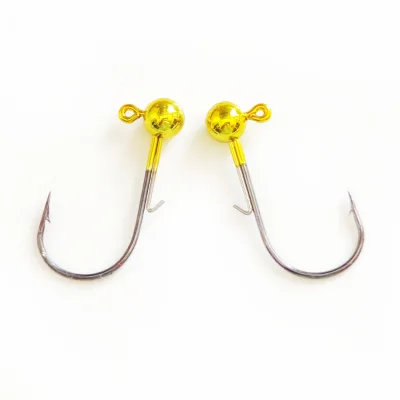
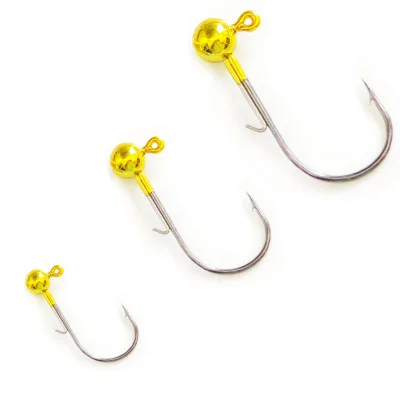
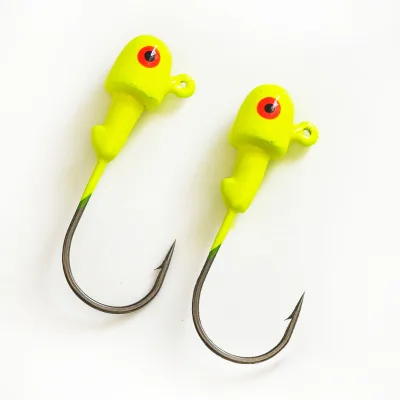
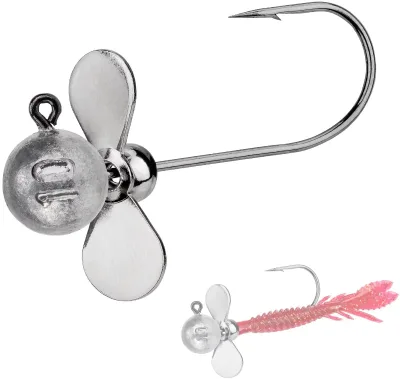
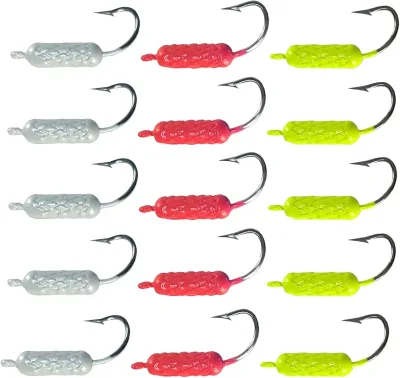
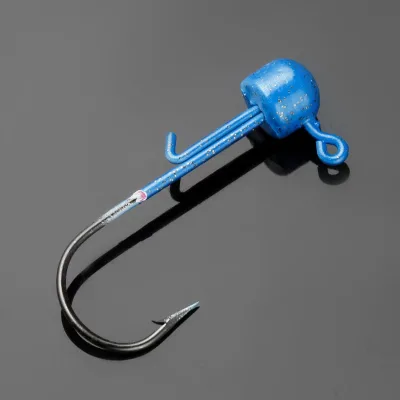
Comprehensive Sourcing Guide
Strategic Sourcing Guide for Green and Yellow Jig Heads in Sea Fishing
The procurement of artificial fishing tackle, specifically jig heads designed for marine environments, requires a disciplined approach to ensure product reliability and operational efficiency. For buyers targeting the specific niche of Green and Yellow Jig Heads for Sea Fishing, the supply chain presents a diverse array of options ranging from standard mass-produced items to highly customized solutions. The observed market data indicates a product count of 30 distinct listings, with a wide variance in pricing and minimum order quantities (MOQ). This guide synthesizes available product attributes, technical specifications, and logistical factors to provide a robust framework for B2B procurement decisions.
Technical Specifications and Material Composition
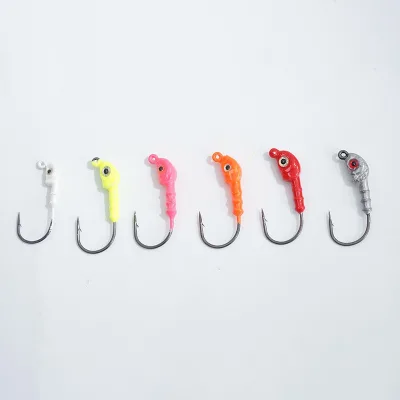
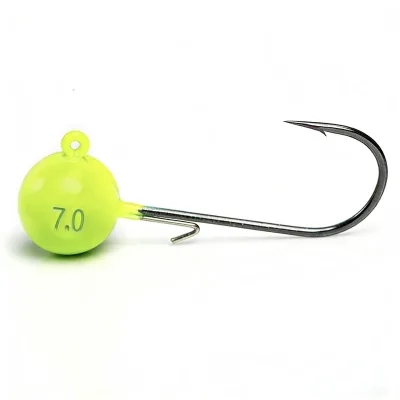
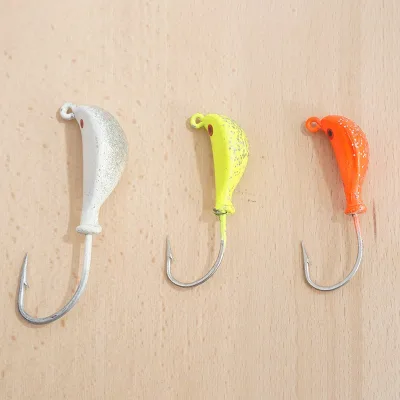
When evaluating jig heads for sea fishing, the primary technical differentiators lie in the hook geometry, weight distribution, and material composition. The core keyword "green and yellow" suggests a specific color profile often utilized for high visibility in varying water conditions, though the market data confirms that color options extend to pink, orange, black, and "no painting" variants. Buyers must verify that the specific green and yellow units selected align with the intended depth and visibility requirements of the target sea species.
The weight specifications in the current market are notably diverse, ranging from 1/16 oz to 3/8 oz in imperial measurements, and 3.5g to 14g in metric. A specific observation highlights a standard weight of 1/8 oz, which is a common baseline for many sea fishing applications. However, other listings indicate a broader standard range including 1/16, 1/4, and 3/8 oz, as well as metric standards of 3.5g, 5g, 7g, 10g, and 14g. Procurement teams must ensure the ordered weight matches the specific jigging technique, as heavier heads are required for deep-water trolling while lighter heads suit bottom fishing or casting in shallow waters.
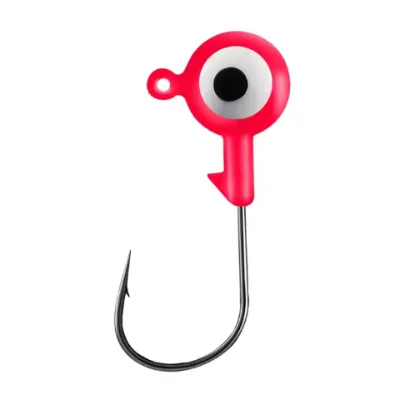
Hook size is another critical specification. The available data lists hook sizes ranging from #4 single hooks to 1/0, 2/0, and 3/0 single hooks. For sea fishing targeting species such as trout, bass, seabass, pike, and perch, the hook gauge must be robust enough to withstand the fight of larger marine fish. The material composition is consistently identified as lead for the head and high carbon steel for the hook. High carbon steel is essential for maintaining sharpness and tensile strength in saltwater environments where corrosion resistance is paramount. Buyers should verify that the "High Carbon Steel Material" claim is supported by the supplier's quality assurance documentation, as this directly impacts the hook's ability to penetrate and hold during the fight.
Packaging Standards and Logistics Configuration
The logistics of sourcing jig heads are heavily influenced by packaging configurations, which vary significantly across the 30 observed product listings. The standard packaging unit is frequently cited as 100 pieces per bag, often specified as a PVC bag or a generic bag. However, for bulk procurement, the data indicates that products are also packed in boxes or cartons. One specific listing notes a "Carton" packing type, while another specifies a "Box" with a single package size of 10x10x10 cm.
The weight of the single package is also a critical logistical factor. One observed listing records a single gross weight of 0.600 kg, which provides a baseline for calculating freight costs and container loading efficiency. Buyers must clarify whether the "100PCS /Bag" specification is the final retail unit or if it is further consolidated into master cartons for shipping. The presence of "Customer Request" as a packaging option suggests that suppliers are willing to customize the outer packaging, which can be advantageous for private label branding or specific retail requirements.
Furthermore, the origin of the products is predominantly China, with specific mentions of Weihai as a production hub. Weihai is a recognized center for fishing tackle manufacturing, implying a mature supply chain infrastructure. However, buyers should verify the exact location of the factory to ensure it aligns with their logistics strategy, as "Sea" is listed as a product location attribute, which may refer to the intended fishing environment rather than the shipping port.
Cost Drivers and Minimum Order Quantity Analysis
The financial landscape for sourcing green and yellow jig heads is characterized by a wide observed price range of $0.06 to $40.00 USD. This extreme variance suggests that price is not solely determined by the unit cost of the jig head but is heavily influenced by order volume, customization levels, and packaging complexity. The lower end of the price spectrum likely corresponds to standard, non-customized units with minimal packaging, while the higher end may reflect custom branding, specialized hook geometries, or small-batch premium orders.
The Minimum Order Quantity (MOQ) ranges from 1 piece to 2000 pieces. This flexibility allows buyers to test the market with small orders, such as the observed 5-piece MOQ for specific models, before committing to larger volumes. However, for consistent supply of sea fishing tackle, buyers should anticipate that the most competitive unit prices will be available at the higher end of the MOQ spectrum, likely approaching the 2000-piece threshold. The "Selling Units" are listed as "Single item," which can be confusing in a B2B context; buyers must clarify if this refers to the SKU level or the actual shipping unit.
Compliance, Certification, and Quality Verification
While the provided data does not explicitly list third-party certifications, the "Feature" attribute includes "Durable," which implies a baseline expectation of product longevity. In the context of sea fishing, where saltwater corrosion is a constant threat, durability is a proxy for quality. Buyers should verify that the "High Carbon Steel Material" and "Lead" composition meet relevant safety and environmental standards, particularly regarding lead content if the products are intended for markets with strict environmental regulations.
The "prod_standard" attribute lists various weight standards (1/16, 1/4, 3/8 OZ) and metric equivalents (3.5g, 5g, 7g, 10g, 14g). These standards serve as a quality control benchmark. Buyers should request test results or quality assurance reports that confirm the actual weight of the jig heads falls within the tolerance limits of these stated standards. Deviations in weight can affect the casting distance and sink rate, which are critical performance metrics for sea fishing. Additionally, the "Customization" attribute being available suggests that suppliers can modify hook sizes or colors, but buyers must ensure that any customizations do not compromise the structural integrity of the high carbon steel hooks.
Typical Applications and Target Species Alignment
The versatility of the observed jig heads is highlighted by the "Fishing Techniques" attribute, which includes freshwater fishing, bottom fishing, lure fishing, and trolling fishing. For the specific application of sea fishing, the "Position" attribute confirms suitability for ocean, sea, lake, and river environments. The "Target Species" list includes trout, bass, seabass, pike, and perch, indicating that these jig heads are designed for a broad range of predatory fish found in both coastal and offshore waters.
The "Fishing Lure Type" attribute further details the application, listing saltwater casting, saltwater trolling, and jigging lures. The green and yellow color combination is particularly effective for attracting species like seabass and pike, as these colors provide high contrast in murky or deep water. Buyers should align their procurement with the specific techniques they intend to support. For instance, if the primary use is deep-water trolling, the heavier weights (10g-14g or 3/8 oz) would be prioritized. Conversely, for casting near shore, lighter weights (1/16 oz or 3.5g) would be more appropriate.
Supplier Evaluation and Long-Term Procurement Strategy
Evaluating suppliers for green and yellow jig heads requires a focus on consistency and customization capabilities. The "Brand Name" is listed as "custom," indicating that many suppliers operate as OEM manufacturers capable of private labeling. This is a significant advantage for buyers looking to build their own brand. However, the "Model Number" varies widely, with examples including HY-06321, HY-6930, HY-0985, 10916, and RWJH-2019. Buyers should request a comprehensive catalog to understand the full range of models available and ensure that the specific green and yellow variants are part of the standard production line rather than a one-off custom run.
Long-term procurement considerations should include the stability of the supply chain and the ability to scale. The "Lead Time" is not explicitly provided in the data, but the wide range of MOQs suggests that suppliers can accommodate both immediate small orders and larger bulk shipments. Buyers should establish a clear communication channel regarding production schedules and quality control protocols. Given the "Product name" is "Jig Hooks Fishing" and the "Type" is "Artificial Bait," it is crucial to ensure that the supplier maintains a consistent inventory of the specific green and yellow colorways to avoid supply disruptions.
Comparative Analysis of Product Attributes
To facilitate decision-making, the following table summarizes the key attributes observed in the market for green and yellow jig heads, highlighting the variability that buyers must navigate.
| Attribute Category | Observed Variations | Procurement Consideration |
|---|---|---|
| Weight Standards | 1/16, 1/8, 1/4, 3/8 OZ; 3.5g, 5g, 7g, 10g, 14g | Verify specific weight tolerance for target species. |
| Hook Sizes | #4, 1/0, 2/0, 3/0 Single Hook | Match hook gauge to target fish size and mouth structure. |
| Packaging | 100PCS/Bag, Box, Carton, PVC Bag | Confirm master carton dimensions for freight optimization. |
| Material | Lead (Head), High Carbon Steel (Hook) | Request corrosion resistance data for saltwater durability. |
| Origin | China, Weihai China | Verify factory location for logistics and compliance checks. |
| Customization | Available (Color, Hook, Brand) | Clarify MOQ and lead time for custom branding requirements. |
| Price Range | $0.06 - $40.00 USD | Correlate price with MOQ and customization level. |
| MOQ | 1 - 2000 Pieces | Balance testing costs with volume discounts. |
Conclusion
Sourcing Green and Yellow Jig Heads for Sea Fishing involves navigating a complex landscape of technical specifications, packaging options, and supplier capabilities. The observed data confirms a robust market with diverse options in weight, hook size, and material composition. Buyers must prioritize the verification of weight standards and hook material quality to ensure performance in saltwater environments. By leveraging the available customization options and understanding the cost drivers associated with MOQ and packaging, procurement teams can secure a reliable supply of high-quality artificial bait. The key to success lies in detailed due diligence, focusing on the specific attributes that align with the intended fishing techniques and target species, rather than relying on general market assumptions.
FAQs
What hook sizes are available for green and yellow jig heads?
Available hook sizes range from #4 single hooks up to 3/0 single hooks depending on the specific model. Buyers must verify the exact size required for their target species, as options include 1/0, 2/0, and 3/0 single hooks for larger sea fish.
How are these jig heads typically packaged for bulk orders?
Standard packaging often consists of 100 pieces per bag, which may be PVC or generic bags. For larger shipments, these units are frequently consolidated into boxes or cartons, though custom packaging requests are also available from many suppliers.
Which weight standards are commonly used for sea fishing jig heads?
Common weight standards include imperial measurements like 1/16, 1/8, 1/4, and 3/8 ounces alongside metric options such as 3.5g, 5g, 7g, 10g, and 14g. Procurement teams should select weights that match their specific jigging techniques and target water depths.
Can buyers request custom branding for these artificial bait products?
Yes, customization is available for these products, allowing for private labeling and specific color variations. Buyers should confirm the minimum order quantity and lead time required for custom branding, as standard items often have lower thresholds.
What material is used for the hook component of these jig heads?
The hooks are constructed from high carbon steel material to ensure sharpness and tensile strength. This material choice is critical for durability in saltwater environments, though buyers should verify corrosion resistance claims with the supplier.
What is the typical minimum order quantity for these fishing products?
Minimum order quantities vary significantly, ranging from as low as 5 pieces to 2000 pieces depending on the supplier and customization level. Smaller orders allow for market testing, while larger volumes typically secure more competitive unit pricing.
Which target species are these jig heads designed to catch?
These jig heads are designed for a variety of species including trout, bass, seabass, pike, and perch. The green and yellow color profile is particularly effective for attracting predatory fish in both coastal and offshore sea environments.