Source Green Aventurine Crystal Mannequin Torso for Shops
Compare 30 listings for the Green Aventurine Crystal Mannequin Torso suitable for clothes shops, markets, and shopping malls. Buyers can review specifications, customization options, and pricing details to find the right display solution.
Key considerations
Products List
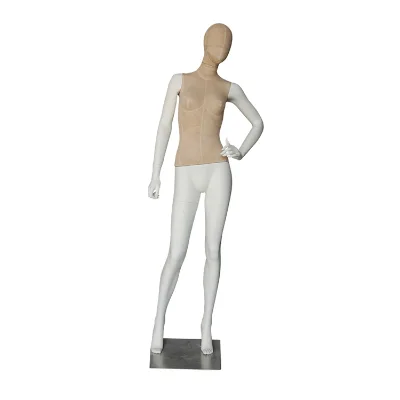
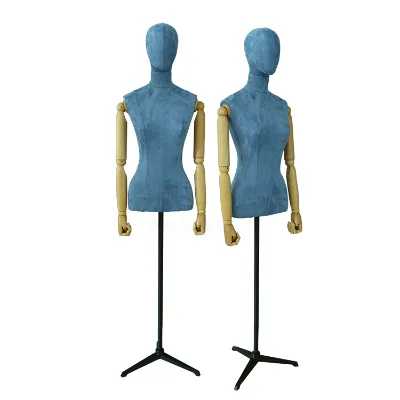
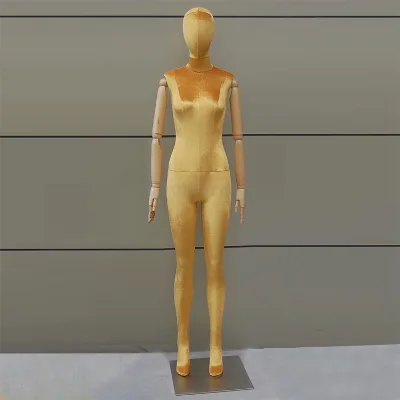


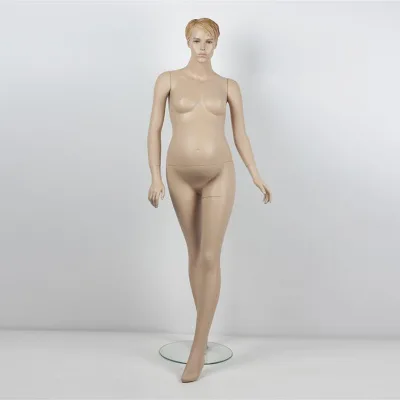
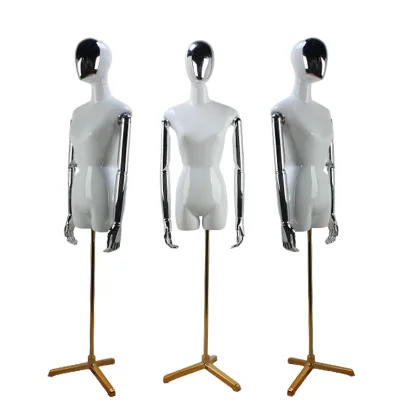
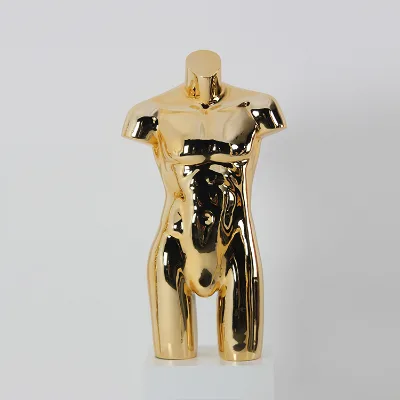
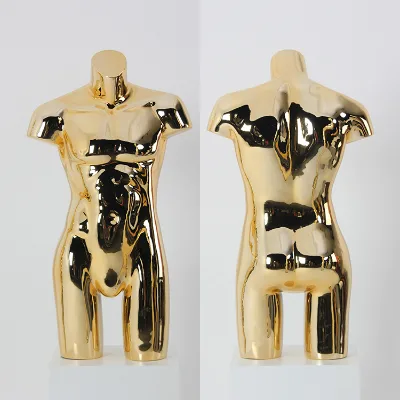
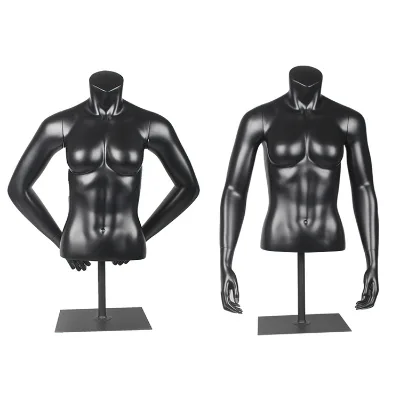
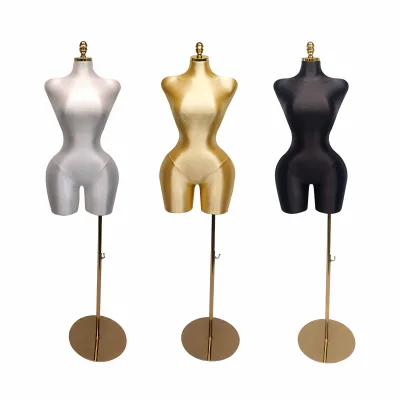
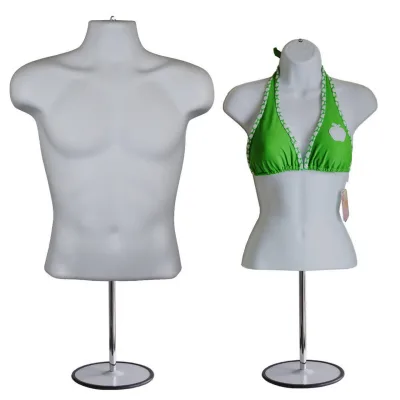
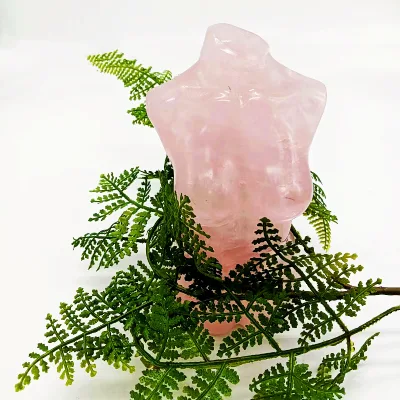
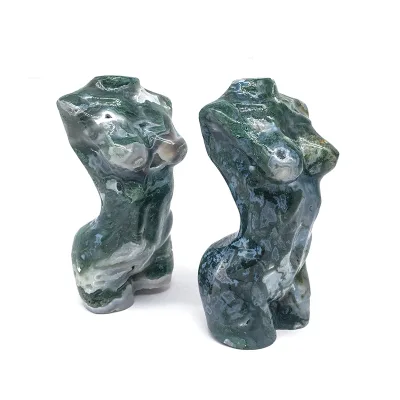
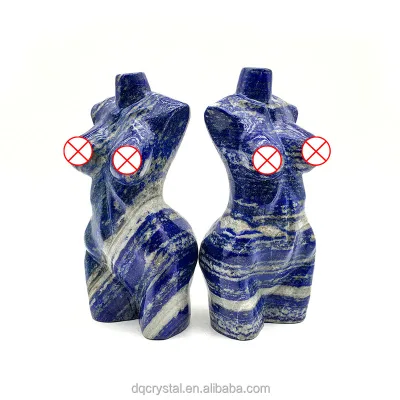
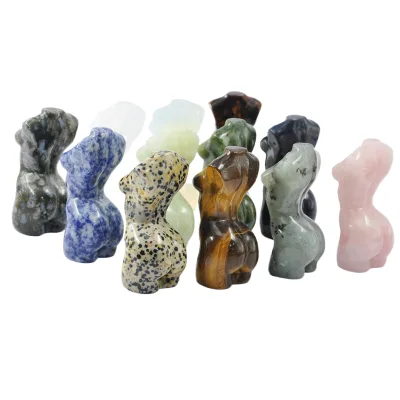


Wholesale Black Female Mannequin Full Body Dummy Plastic Women Mannequin
$30.00 - $300.00
MOQ: 1 Pieces


Comprehensive Sourcing Guide
Strategic Sourcing Guide for Green Aventurine Crystal Mannequin Torso
The procurement of specialized display fixtures, specifically those described as a Green Aventurine Crystal Mannequin Torso, requires a rigorous approach that bridges the gap between aesthetic requirements and industrial manufacturing realities. While the core keyword suggests a specific material composition involving green aventurine crystal, the actual B2B market for mannequin torsos is dominated by fiberglass and resin composites due to durability and cost-efficiency. Buyers must navigate the distinction between literal material composition and the visual finish that mimics gemstone textures. This guide outlines the essential technical, compliance, and operational parameters for sourcing these display units, ensuring that procurement decisions are grounded in verifiable data rather than marketing speculation.
Understanding Material Composition and Visual Specifications
The primary challenge in sourcing a "Green Aventurine Crystal Mannequin Torso" lies in the material reality of the supply chain. True green aventurine is a variety of quartz containing inclusions of mica or other minerals that create a sparkling effect. However, in the context of commercial mannequin manufacturing, the term often refers to a fiberglass body with a specialized surface finish designed to replicate the luster and color of the stone. The supplied product data confirms that the standard material for these units is fiberglass, a composite known for its strength-to-weight ratio and moldability.
When evaluating suppliers, buyers should verify the specific surface treatment. The observed market data indicates a "Matte White" surface finish as a standard option, alongside "Abstract Head Matte Finish" capabilities. For a green aventurine look, the supplier must be able to apply a custom pigment or a textured coating that mimics the green hue and the internal sparkle of the crystal. The attribute "Colors: Can Be Customized" is critical here, as it confirms that the base fiberglass can be pigmented to match the desired green spectrum. However, buyers must explicitly request a physical sample to verify that the "crystal" effect is achieved through paint quality or embedded glitter rather than a flat dye, as the latter would not meet the visual expectations of high-end retail displays.
Technical Specifications and Customization Parameters
Technical specifications for mannequin torsos are rarely one-size-fits-all. The supplied data reveals a wide range of customization options, including "Size: Can Be Customized" and "Standard: Customized." This flexibility is essential for brands that need specific proportions to showcase their inventory accurately. For a torso unit, the standard height observed in the market is 60cm, but this can be adjusted to fit specific display requirements.
The structural integrity of the unit is another vital technical consideration. The data lists "Stainless Steel Base" as a common accessory, which provides the necessary stability for a torso display. When sourcing a custom green aventurine finish, the buyer must ensure that the fiberglass mold can support the weight of the custom coating without warping. Additionally, the "Hanger Type" varies between "Floorstanding" and "Wall-Mounted" configurations. A floorstanding unit with a stainless steel base is typically preferred for high-traffic areas like shopping malls, while wall-mounted options suit boutique settings. The "Moveable Parts: Head" attribute suggests that some models allow for articulation, which adds complexity to the manufacturing process and may impact the final cost.
| Feature | Standard Observation | Customization Potential |
|---|---|---|
| Material | Fiberglass | Custom resin blends possible |
| Surface Finish | Matte White | Custom Green Aventurine finish |
| Base Type | Stainless Steel | Customizable weight and finish |
| Hanger Type | Floorstanding / Wall-Mounted | Specific mounting hardware required |
| Size | Height 60cm (Standard) | Custom dimensions available |
| Color | White, Black, Nude, Rose Gold | Full spectrum customization |
Compliance, Certification, and Safety Standards
In the B2B procurement of retail fixtures, compliance is non-negotiable. The supplied product information explicitly mentions "SGS" certification. This indicates that the manufacturer has undergone third-party testing for quality and safety. For a product intended for public display in locations like "Clothes Shop" or "Market," verifying that the fiberglass and the custom pigments meet local fire safety and toxicity standards is paramount.
Buyers should not assume that the "SGS" certification covers the specific custom finish. The certification likely applies to the base fiberglass material or the structural integrity of the unit. The custom green aventurine coating, which may involve additional chemicals or binders to achieve the crystal effect, must also be verified for compliance. Procurement teams should request a specific test report for the finished product, ensuring that the volatile organic compound (VOC) levels are within acceptable limits for indoor environments. Furthermore, the "Quality level: High Grade Female Mannequin" attribute suggests a focus on premium finishes, but this claim must be backed by tangible quality control metrics rather than marketing language.
Cost Drivers and Pricing Structures
The pricing of a Green Aventurine Crystal Mannequin Torso is influenced by several factors, primarily the level of customization and the complexity of the surface finish. The observed price range in the market spans from $0.98 to $300, a significant variance that reflects differences in quality, size, and finish complexity. A standard fiberglass torso with a basic white finish will likely fall at the lower end of this spectrum, while a custom-colored unit with a specialized "crystal" texture and stainless steel base will command a higher price.
The "MOQ: 20PCS" is a critical cost driver. Suppliers often require a minimum order quantity to justify the setup costs for custom molds and pigment mixing. For buyers requiring fewer units, the per-unit cost will be significantly higher, or they may need to source from a supplier with a lower MOQ, which might be limited to standard colors. The "Samples Time: 3-7 Days" and "Lead Time: 15-20 Days" also impact the total cost of ownership. Rush orders or expedited shipping will incur additional fees. Buyers should calculate the total landed cost, including the base price, tooling fees for custom molds, and shipping, to determine the true economic viability of the project.
Supplier Evaluation and Service Capabilities
Evaluating a supplier for a specialized product like a green aventurine mannequin requires a deep dive into their service capabilities. The data indicates that "OEM" (Original Equipment Manufacturer) services are available, meaning suppliers can produce units under the buyer's brand. This is essential for retailers who want a unique identity for their display fixtures. The "Customization: Available" attribute confirms that the supplier is capable of adapting the product to specific needs, but the buyer must assess the supplier's track record in handling complex finishes.
The location of the supplier, noted as "Duangguan, China," places the manufacturing in a major hub for fiberglass products. This proximity to the supply chain can reduce logistics costs but requires careful management of communication and quality control. Buyers should verify the supplier's ability to handle the "Carton Box" or "Carton" packing method to ensure the units arrive without damage. Additionally, the "Product Name" variations, such as "Fiberglass Underwear Hip Mannequin Torso" or "Display Mannnequin," suggest that suppliers often have a broad catalog. The buyer must ensure the specific supplier has the expertise to produce the "Green Aventurine" finish specifically, rather than just offering a standard white or black model.
Quality Control and Long-Term Procurement Considerations
Quality control is the final barrier between a successful procurement and a costly failure. The "High Grade Female Mannequin" attribute implies a standard of excellence, but this must be defined by the buyer. Quality checks should focus on the uniformity of the green color, the consistency of the "crystal" sparkle, and the structural stability of the fiberglass. The "Abstract Head Matte Finish" suggests that surface texture is a key differentiator; buyers should inspect samples for any defects in the coating, such as bubbles, peeling, or uneven color distribution.
For long-term procurement, the durability of the finish is crucial. Mannequins in "Shopping Mall" environments are subject to frequent handling and potential abrasion. The fiberglass material is robust, but the custom paint job must be resistant to scratching and fading. Buyers should inquire about the warranty period and the supplier's policy on replacement for damaged units. The "Using Place: Shopping Mall" and "Application: Clothes Shop" attributes highlight the high-traffic nature of the intended use, necessitating a product that can withstand years of service. Establishing a long-term relationship with a supplier who can consistently deliver the "Green Aventurine" finish will ensure brand consistency and reduce the administrative burden of re-sourcing.
Conclusion
Sourcing a Green Aventurine Crystal Mannequin Torso is a complex process that demands a clear understanding of the distinction between literal material composition and visual simulation. While the core keyword evokes a specific gemstone, the reality of the market relies on high-grade fiberglass with advanced custom finishing techniques. Buyers must prioritize suppliers who offer OEM services, possess SGS certification, and demonstrate the capability to handle complex color customizations. By rigorously evaluating technical specifications, compliance standards, and cost drivers, procurement teams can secure display fixtures that meet both aesthetic and functional requirements. The flexibility of the fiberglass industry, combined with the availability of customization in size, color, and base type, provides a robust foundation for creating unique retail displays. However, success depends on verifying every claim through physical samples and detailed quality control protocols, ensuring that the final product delivers the intended visual impact and longevity in a competitive retail environment.
FAQs
What material is used for the Green Aventurine Crystal Mannequin Torso?
The torso is made of fiberglass, not actual crystal. Suppliers apply a custom finish to mimic the green aventurine appearance while maintaining the durability required for retail display environments.
Can the color and size be customized for this mannequin?
Yes, both color and size are customizable. Buyers can request specific green hues and dimensions, though standard options include white, black, nude, and rose gold with heights like 60cm or 177cm.
What is the minimum order quantity for these fiberglass torsos?
The minimum order quantity is typically 20 pieces. This threshold applies to standard orders, but custom finishes may require negotiation depending on the specific supplier's production capacity and setup costs.
How long does it take to receive samples and bulk orders?
Samples take 3 to 7 days to prepare, while bulk lead times range from 15 to 20 days. These timelines assume standard production schedules and do not account for expedited shipping requests.
Which certifications verify the safety of the mannequin materials?
The products carry SGS certification to verify quality and safety standards. This ensures the fiberglass and coatings meet necessary regulations for use in public spaces like shopping malls and clothing shops.
What accessories are included with the floorstanding mannequin base?
A stainless steel base is included as a standard accessory for floorstanding models. This provides the necessary stability for the torso unit in high-traffic retail areas without requiring additional mounting hardware.