Source Greenhouse Hoops for plant support, farming, and aquaculture
Find and compare 30 listings for Greenhouse Hoops designed for plant fixing, seedling cultivation, and mixed farming applications. Buyers can evaluate options featuring waterproof materials, adjustable sizes, and eco-friendly properties from verified suppliers in China.
Key considerations
Products List
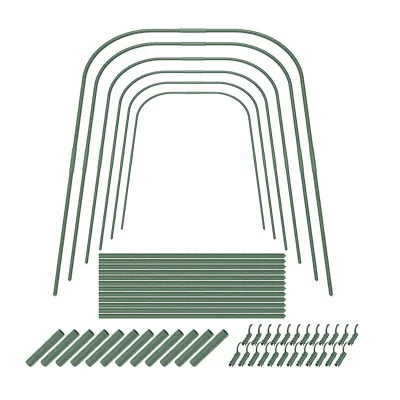


Greenhouse with Custom Logo and Waterproof Large-Span Greenhouse for Vegetable Growing Hoop House
$0.35 - $0.80
MOQ: 500 Square Meters

Tailored Waterproof Greenhouse with Vegetables Growing Hoop House Single Span
$0.35 - $0.80
MOQ: 500 Square Meters


Tunnel Hoop Clip 22mm 25mm 32mm Snap Clamps Film Row Cover for Greenhouse
$0.07 - $0.11
MOQ: 1000 Pieces

Film Tunnel Greenhouse Hoop Greenhouse Agriculture Greenhouse for Vegetables Flowers
$4.00 - $7.00
MOQ: 120 Square Meters


China Factory Wholesale Dome Hoop Greenhouse Single Span Plastic Film Farming Greenhouse
$4.00 - $7.00
MOQ: 120 Square Meters

Greenhouse Industrial Poly Hard with Grommets Greenhouse Agricultural Greenhouses Flower
$5.00 - $8.00
MOQ: 320 Square Meters

Low Cost Single Span Vegetable Greenhouse Hoop Plastic Film Greenhouse
$4.00 - $7.00
MOQ: 120 Square Meters





Comprehensive Sourcing Guide
Strategic Sourcing Guide for Greenhouse Hoops and Structural Support Systems
Understanding the Technical Landscape of Hoop Systems
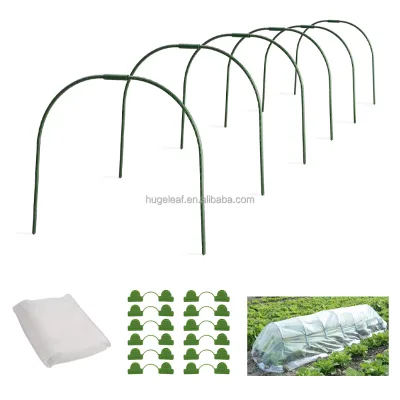
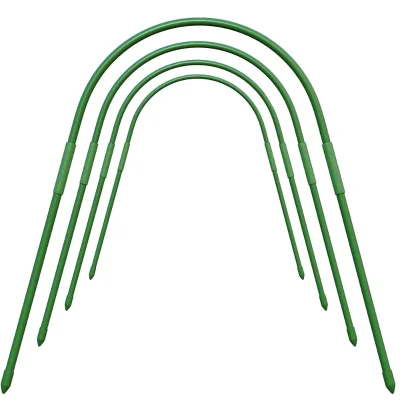
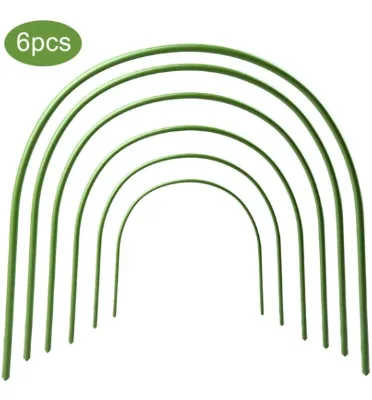
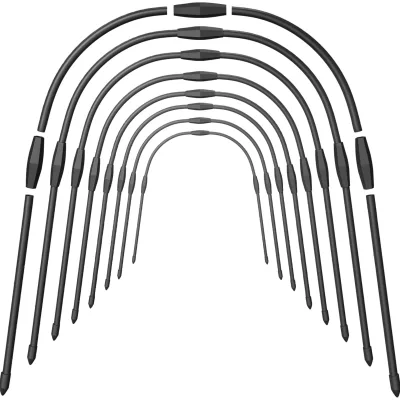
When sourcing Greenhouse Hoops, buyers must first distinguish between the structural framework and the specific fixation components that secure plants to the structure. The market offers a diverse array of materials, ranging from rigid steel structures to flexible plastic and PVC-based hoops. In the context of modern agricultural procurement, the "Greenhouse Hoop" often refers to the primary arching element that defines the roof shape, typically an arched roof design, which is essential for shedding snow and rain while maximizing light penetration.
The material composition is a primary technical differentiator. Supply data indicates the presence of frames constructed from plastic, PVC, and ABS materials, alongside heavy-duty steel structures. Steel structures are generally associated with large-scale production greenhouses requiring high durability and load-bearing capacity, often featuring multi-span configurations. Conversely, plastic and PVC hoops are frequently utilized in smaller-scale or temporary structures, such as those designed for seedling cultivation or specific crop support. The choice between these materials dictates the system's lifespan, resistance to environmental stressors, and suitability for different cultivation methods, including hydroponics and vertical farming.
A critical technical specification to verify is the dimensional flexibility. While some systems offer standard dimensions, many suppliers provide customization options where the span and size can be adjusted to specific needs. This is particularly relevant for multi-span greenhouses where the continuity of the hoop structure across multiple bays is required. The single package size and gross weight are also vital for logistics planning; for instance, specific components may arrive in packages measuring 49x18x5 cm with a gross weight of 1.160 kg, influencing shipping costs and warehouse storage requirements.
Compliance, Certification, and Material Standards
Ensuring that Greenhouse Hoops meet regulatory and safety standards is a non-negotiable aspect of B2B procurement. Buyers must verify that materials used in the construction of these hoops comply with relevant environmental and safety standards. In the realm of sustainable sourcing, the presence of FSC (Forest Stewardship Council) certification or claims of renewable sources and eco-friendly attributes should be scrutinized. These attributes are often associated with the manufacturing process or the raw materials used, such as the use of renewable sources for plastic components.
Waterproofing and rot resistance are essential compliance factors for outdoor applications. Products designed for outdoor use must demonstrate a high degree of waterproof capability, often verified through specific testing protocols. The supply data highlights attributes such as "Rot Proof" and "Waterproof," which are critical for structures exposed to the elements. However, buyers should not assume these claims apply universally to all listed products without verification. The verification process should include requesting test reports or certificates that confirm the material's resistance to UV degradation, rodent damage, and corrosion.
For products claiming to be eco-friendly or utilizing renewable sources, buyers should request documentation proving the origin of the materials. While some products are described as "Eco-Friendly" or "Eco Friendly," the specific standards against which these claims are measured must be clear. Additionally, the finishing process, such as whether the frame is coated or left uncoated, impacts the product's compliance with environmental regulations regarding chemical leaching. A "Not Coated" finish may be preferable for organic certification requirements, whereas coated finishes might be necessary for enhanced durability in harsh industrial environments.
Cost Drivers and Pricing Dynamics
The pricing of Greenhouse Hoops is influenced by a complex interplay of material costs, manufacturing complexity, and customization requirements. The observed price range in the market spans from $0.01 to $30, a wide variance that reflects the difference between small fixation clips and larger structural components. This range suggests that buyers must carefully align their budget with the specific functional requirements of their project. A low unit price may indicate a simple plastic clip, while a higher price point could correspond to a complex steel structure or a customized system.
Minimum Order Quantity (MOQ) is another significant cost driver. The market data shows an MOQ range from 1 to 10,000 pieces. Suppliers with a low MOQ of 1 piece may cater to small-scale gardeners or prototyping needs, but they often carry a higher per-unit cost. Conversely, suppliers requiring an MOQ of 100 pieces or more typically offer economies of scale, reducing the unit price for bulk purchases. Buyers must calculate the total cost of ownership, including shipping and handling, which can be substantial given the weight and volume of greenhouse structures.
Customization is a primary factor that drives up costs. Options such as custom logos, tarpaulin colors, and specific dimensions add to the manufacturing complexity and lead time. While the base price of a standard hoop might be low, the addition of custom features can significantly alter the final price. Buyers should request detailed quotes that break down the costs of standard components versus custom modifications to understand the true cost implications. Additionally, the choice of material plays a role; steel structures generally cost more than plastic or PVC alternatives due to raw material costs and the energy-intensive manufacturing process.
Typical Applications and Functional Requirements
Greenhouse Hoops serve a variety of applications across the agricultural and horticultural sectors. The supply data identifies several key usage scenarios, including plant fixing support, production greenhouses, and aquaculture systems. For plant fixing, specialized clips with features like adjustable jaw width, anti-slip properties, and multi-angle adjustment are essential. These components ensure that delicate plants, such as orchids or seedlings, are securely supported without causing damage.
In the context of production greenhouses, the hoops form the structural backbone of the facility. These structures are often designed for hydroponic cultivation, vertical farming, and mixed farming operations. The ability to support various crops, including vegetables, fruits, and herbal medicines, is a key functional requirement. The design of the hoop, such as an arched roof, is specifically chosen to optimize the internal environment for these crops, providing adequate ventilation, cooling, and shading capabilities.
The location of the greenhouse is another critical factor in determining the appropriate hoop system. Products are available for both indoor and outdoor use, with outdoor systems requiring enhanced durability against weather elements. For outdoor applications, features like UV resistance, waterproofing, and rodent proofing are paramount. Indoor systems may prioritize ease of assembly and space efficiency. The versatility of the system is further enhanced by the availability of different layer configurations, such as double-layer systems, which can provide additional insulation or structural stability.
Supplier Evaluation and Verification Protocols
Evaluating suppliers for Greenhouse Hoops requires a rigorous approach to verify their capabilities and reliability. Buyers should look for manufacturers that demonstrate a clear understanding of the specific requirements of their project. The presence of a manufacturer name, such as Sainpoly, indicates a specific entity, but buyers should not rely on a single name without independent verification. Instead, the focus should be on the supplier's ability to provide the required specifications, such as the model number, dimension customization, and material composition.
When evaluating a supplier, buyers should request detailed product specifications, including the model number, single package size, and gross weight. These details are crucial for logistics planning and ensuring that the supplier can meet the buyer's operational needs. Additionally, the supplier's ability to offer customization, such as custom logos and packaging, should be assessed. This capability is often a differentiator in the market and can be essential for branding and product identification.
The supplier's location, typically Jiangsu, China, for many of these products, is a factor in lead times and shipping costs. Buyers should verify the lead time and production capacity to ensure that the supplier can meet their delivery deadlines. The supplier's history of compliance with standards and their ability to provide test results for product performance should also be part of the evaluation process. A reputable supplier will be transparent about their manufacturing processes and willing to provide evidence of their product's quality and durability.
Quality Control and Long-Term Procurement Considerations
Implementing a robust quality control (QC) process is essential for ensuring the longevity and performance of Greenhouse Hoops. Buyers should establish clear acceptance criteria based on the product's features, such as rot resistance, waterproofing, and UV resistance. Regular inspections during the manufacturing process and upon delivery can help identify defects early and prevent costly replacements. The use of standardized testing protocols, such as those for waterproofing and corrosion resistance, can provide objective data on product quality.
Long-term procurement considerations involve assessing the durability and maintenance requirements of the Greenhouse Hoops. Products with features like detachable designs and reusability offer significant advantages in terms of lifecycle management. These features allow for easy repair and replacement of individual components, reducing the overall cost of ownership. Additionally, the availability of spare parts and the supplier's willingness to provide technical support are critical factors for long-term success.
Buyers should also consider the environmental impact of their procurement decisions. Choosing products made from renewable sources or those with eco-friendly attributes can align with corporate sustainability goals. However, these claims must be backed by verifiable evidence, such as FSC certification or third-party testing results. The balance between cost, quality, and sustainability is a key consideration in the long-term procurement strategy. By carefully evaluating these factors, buyers can ensure that their investment in Greenhouse Hoops delivers value and performance over the intended lifespan of the structure.
Finalizing the Procurement Strategy
The successful sourcing of Greenhouse Hoops requires a comprehensive understanding of the technical, financial, and operational aspects of the product. By focusing on material specifications, compliance standards, cost drivers, and supplier capabilities, buyers can make informed decisions that align with their project requirements. The wide range of available options, from simple clips to complex steel structures, offers flexibility but also demands careful evaluation.
Buyers should prioritize suppliers who demonstrate transparency, reliability, and a commitment to quality. The ability to customize products to specific needs, such as dimensions and colors, adds significant value to the procurement process. Ultimately, the goal is to secure a supply chain that delivers high-quality, durable, and cost-effective Greenhouse Hoops that meet the rigorous demands of modern agriculture. By adhering to these principles, buyers can mitigate risks and ensure the long-term success of their greenhouse operations.
FAQs
What materials are used for greenhouse hoop frames?
Frames are constructed from plastic, PVC, ABS, or steel structures depending on the application. Plastic and PVC options suit smaller structures, while steel supports large-scale production greenhouses requiring high durability.
Can Greenhouse Hoops be customized for specific sizes?
Yes, dimensions and spans can be customized to meet specific needs. Suppliers offer options for various sizes including 5.5m, 5.9m, 6.0m, 6.4m, and 6.8m spans for multi-span configurations.
How do I select the right hoop for outdoor use?
Choose hoops with waterproof, rot-proof, and UV-resistant features for outdoor environments. These attributes ensure durability against weather elements like rain, snow, and direct sunlight exposure.
What is the minimum order quantity for Greenhouse Hoops?
Minimum order quantities range from 1 piece to 10,000 pieces depending on the supplier. Lower MOQs suit small projects, while bulk orders often provide better economies of scale for larger farms.
Which certifications apply to eco-friendly greenhouse hoop materials?
Some products feature eco-friendly attributes and may utilize renewable sources or FSC-certified materials. Buyers should verify specific documentation to confirm environmental compliance and sustainable sourcing practices.
Can I find Greenhouse Hoops with adjustable plant support clips?
Yes, adjustable clips with anti-slip and multi-angle adjustment features are available. These components are ideal for securing delicate plants like orchids or seedlings without causing damage.
Where are these greenhouse hoop products typically manufactured?
Many products originate from Jiangsu, China, where manufacturers specialize in agricultural structures. This location influences lead times and shipping costs for international buyers sourcing these components.