Source Grey Board Chocolate Box with Window and Dividers for Gifts, Cosmetics, and Food
Compare 30 listings for Grey Board Chocolate Box with Window and Dividers from verified suppliers. These customizable options feature offset printing, various closure types, and inserts for arts, crafts, and retail packaging needs.
Key considerations
Products List


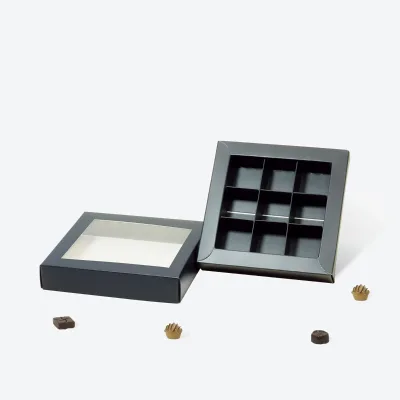


Hot Sale Black Wedding Chocolate Candy Gift Packing Favor Box with Dividers
$0.30 - $0.90
MOQ: 1000 Pieces


Chocolate Boxes Packaging Rectangle Chocolate Covered Strawberry Paper Gift Box
$0.30 - $0.90
MOQ: 1000 Pieces


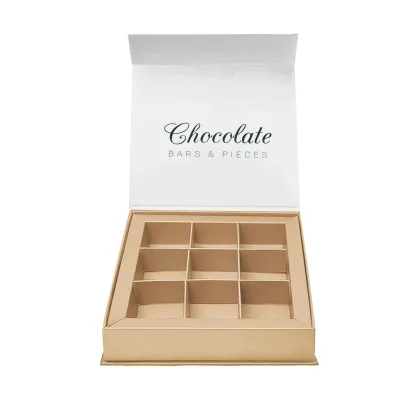
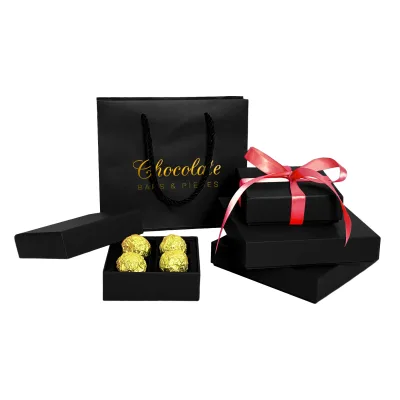


Customized Logo Luxury Snack Nuts Candy Sweet Chocolate Gift Box with Dividers
$0.10 - $0.90
MOQ: 1000 Pieces


Customized Logo Chocolate Candy Dessert Paper Box Gift Box with PVC Window
$0.52 - $1.70
MOQ: 500 Pieces
Comprehensive Sourcing Guide
Strategic Sourcing Guide for Grey Board Chocolate Boxes with Windows and Dividers
The global confectionery market demands packaging that balances structural integrity with visual appeal, particularly for premium chocolate products. Buyers searching for grey board chocolate boxes with windows and dividers are seeking a solution that protects delicate confections while offering transparency for product visibility. This guide synthesizes available product attributes and industry standards to provide a disciplined framework for procurement. The focus remains on technical specifications, material composition, and supplier evaluation criteria derived from verified market data, ensuring that sourcing decisions are grounded in observable facts rather than unverified claims.
Technical Specifications and Material Composition
The foundation of a successful chocolate box lies in its material composition and structural design. Based on observed product attributes, the primary material for these boxes is often a composite of white art paper and cardboard, or white card paper. While the core search term specifies "grey board," the available data indicates that manufacturers frequently utilize white art paper laminated over cardboard to achieve a premium finish. This combination ensures the rigidity required for stacking while providing a smooth surface for high-quality printing. The paper type is explicitly noted as cardboard, which offers the necessary crush resistance to protect chocolate bars during transit.
Regarding dimensions, the market offers a spectrum of sizes ranging from small to large, with specific models like the VP-0903 and VP-0902 indicating standardized options. However, the prevailing trend supports customized dimensions to fit specific product shapes. A notable example in the current supply landscape is the A7 Square Chocolate Box, with dimensions of 13.5 x 13.5 x 2.7 cm, demonstrating the capability for square formats. For buyers requiring dividers, the supply chain supports the integration of paper, plastic, foam, sponge, or EVA inserts. These inserts are critical for separating individual chocolate pieces, preventing breakage, and maintaining the aesthetic presentation of the final product.
The structural closure mechanisms are equally diverse. Available options include magnet closures, ribbon ties, and self-structure closures. The choice of closure depends on the desired user experience and the cost constraints of the project. Magnet closures offer a modern, seamless opening experience, while ribbon closures provide a traditional, gift-oriented feel. The box shape is predominantly rectangular, aligning with standard chocolate bar dimensions, though square formats are also available. The weight of these finished packages is consistently observed to be under 0.5 kg, ensuring they remain lightweight for shipping and handling purposes.
Customization Capabilities and Design Flexibility
One of the most significant advantages of sourcing these packaging solutions is the high degree of customization available. The production process supports custom orders, allowing buyers to tailor the box to their specific branding needs. The surface handling is primarily achieved through offset printing, a method that ensures high fidelity and color accuracy. Buyers can request printing in CMYK, Pantone colors, or custom color matches to align with brand identity. The preferred artwork formats for these orders are PDF or AI files, with PDF being the industry preference for its compatibility with printing workflows.
The surface treatment options further enhance the visual and tactile appeal of the packaging. Manufacturers can apply various finishes such as film lamination, varnishing, spot UV, hot stamping, and embossing. These treatments are not merely decorative; they serve functional purposes like moisture resistance and scratch protection. For instance, hot stamping can be used to add metallic accents to the logo, while spot UV creates a glossy contrast against a matte background. The design supply extends beyond the exterior, with options for die-cut windows. These windows allow consumers to view the chocolate inside without opening the box, a feature that is highly valued in retail environments.
The customization extends to the internal structure as well. Buyers can specify the type of insert material, whether it be paper, plastic, foam, or EVA, to ensure the chocolate is securely held in place. The production history of many suppliers exceeds 20 years, suggesting a mature understanding of these complex customization requirements. This experience is crucial when dealing with intricate designs that combine window cutouts, specific divider placements, and multi-layered closures. The ability to supply box types, paper materials, and surface treatments as a cohesive package simplifies the procurement process for buyers seeking a turnkey solution.
Cost Drivers and Pricing Dynamics
Understanding the cost structure of grey board chocolate boxes is essential for effective budget management. The observed price range for these products in the market spans from 0.1 to 2.5 USD per unit. This wide range is influenced by several key factors, including the complexity of the design, the quantity ordered, and the specific materials selected. The minimum order quantity (MOQ) typically ranges from 100 to 3000 units, providing flexibility for both small startups and large-scale manufacturers.
Several variables directly impact the final price. First, the choice of paper material plays a significant role; while standard white art paper is common, the use of recycled paper features may alter costs depending on market availability and processing requirements. Second, the surface finishing options add to the unit cost. Processes like hot stamping, embossing, and spot UV require additional machinery time and materials compared to standard offset printing. Third, the inclusion of custom inserts such as EVA or foam increases the material and assembly costs. Finally, the closure mechanism affects pricing; magnet closures generally cost more than simple self-structure or ribbon closures due to the inclusion of magnetic components and the precision required for alignment.
Buyers should also consider the sample fees associated with custom designs. The standard fee for a custom sample is around 200 USD per design, though stock samples are often available for free. This fee covers the setup costs for creating a unique prototype. Additionally, the delivery time, which typically ranges from 12 to 20 days, can influence logistics costs. Faster turnaround times may incur expedited shipping fees, while standard lead times allow for more economical sea freight options. The payment terms usually require a 30% advance via T/T and a 70% balance before shipment, which is a standard practice in the industry but impacts cash flow planning.
Compliance, Certification, and Quality Assurance
When sourcing packaging for food products like chocolate, compliance with safety and quality standards is paramount. While the specific data does not list a definitive certification status for all suppliers, the industry standard for food-safe packaging is a critical verification point. Buyers must explicitly verify that the materials used, particularly the inks, adhesives, and coatings, meet local food safety regulations. The observed data mentions a "Custom" standard for product specifications, which implies that compliance is often negotiated on a case-by-case basis rather than adhering to a single universal standard.
Quality control is a stated priority in the supply chain, with many manufacturers claiming 100% QC checks before shipment. This process is designed to ensure that every box meets the agreed-upon specifications regarding dimensions, print quality, and structural integrity. Buyers should request detailed quality control reports that document the inspection process. The production origin is noted as Qingdao and Shanghai in China, regions known for their manufacturing capabilities. However, the location of the factory does not automatically guarantee compliance; buyers must independently verify that the specific supplier adheres to relevant food contact material regulations.
Regarding environmental considerations, the data indicates that some paper materials are recycled. This is a significant factor for brands aiming to reduce their environmental footprint. However, the term "recycled" should be verified against specific recycling percentages and the source of the material to ensure it meets the buyer's sustainability goals. The market presence is global, with shipping options including DHL, FedEx, sea, and air shipping, indicating that suppliers are accustomed to international trade compliance. Buyers should ensure that the packaging does not contain prohibited substances in their target markets and that the labeling requirements for food packaging are met.
Supplier Evaluation and Long-Term Procurement Strategy
Selecting the right supplier requires a rigorous evaluation process that goes beyond price comparisons. The observed data highlights that many suppliers have a factory history of more than 20 years, which is a strong indicator of stability and experience. This longevity suggests that the supplier has navigated various market cycles and has the technical expertise to handle complex orders. Buyers should prioritize suppliers who demonstrate a clear understanding of the specific requirements for chocolate packaging, such as the ability to integrate windows and dividers without compromising structural strength.
The ability to handle custom orders is another critical evaluation criterion. Suppliers that accept custom orders and offer a wide range of design options, including box types and surface treatments, are better positioned to meet unique brand needs. The sample time of 7 days is a benchmark for responsiveness; suppliers who can deliver prototypes within this timeframe demonstrate efficient production workflows. Additionally, the variety of shipping options and the ability to handle palletized or carton packing indicate logistical competence.
For long-term procurement, buyers should consider the scalability of the supplier. The MOQ range of 100 to 3000 units suggests flexibility, but buyers must ensure the supplier can scale up production to meet increased demand without compromising quality. The payment terms, requiring a 30% advance and 70% before shipment, are standard but require careful financial planning. Building a relationship with a supplier who offers consistent quality and reliable delivery times is more valuable than securing a one-time discount. The global market reach of these suppliers means that buyers can source from different regions to mitigate supply chain risks, but maintaining a primary relationship with a trusted partner is advisable for consistency.
Typical Applications and Market Positioning
The versatility of grey board chocolate boxes with windows and dividers makes them suitable for a wide array of applications. The observed usage categories include food, electronic products, jewelry, cosmetics, and gifts. For chocolate specifically, these boxes are ideal for premium confectionery, gift sets, and seasonal promotions. The ability to include a window allows consumers to inspect the product, which is particularly important for artisanal chocolates where visual appeal drives purchasing decisions. The dividers ensure that individual pieces remain intact, enhancing the unboxing experience.
Beyond chocolate, the same packaging technology is applied to electronic products, jewelry, and cosmetic items. This cross-industry applicability highlights the robustness of the design. The rectangular shape and customizable dimensions make these boxes adaptable to various product sizes. The use of high-quality paper materials and surface treatments like hot stamping and embossing elevates the perceived value of the product inside, making these boxes a strategic tool for brand differentiation. In the greeting card and letter markets, similar structural principles are applied, though the focus here remains on the food and gift sectors.
The market for these products is global, with suppliers serving customers all over the world. This widespread demand indicates that the design is universally accepted and meets diverse cultural preferences. The ability to customize the color, logo, and surface treatment allows brands to tailor the packaging to local tastes and regulatory requirements. Whether for a small boutique chocolate maker or a large confectionery manufacturer, the availability of these packaging solutions provides a competitive edge in the marketplace.
Conclusion
Sourcing grey board chocolate boxes with windows and dividers requires a balanced approach that considers technical specifications, customization capabilities, cost drivers, and supplier reliability. The available data confirms that the market offers a robust range of options, from material selection to surface finishing, with a strong emphasis on quality control and customization. Buyers must verify compliance with food safety standards and ensure that the supplier can meet their specific volume and timeline requirements. By focusing on these evidence-based criteria, procurement professionals can secure packaging solutions that enhance product value and meet the rigorous demands of the global confectionery market.
FAQs
Can I customize the size and shape of the box?
Yes, you can request customized sizes ranging from small to large, including square formats like 13.5x13.5x2.7 cm. The production process accepts custom orders with specific dimensions and shapes to fit your chocolate products perfectly.
What materials are used for the box construction?
The boxes are primarily constructed from white art paper laminated over cardboard or white card paper. Some options utilize recycled paper features to meet sustainability goals while maintaining the structural rigidity required for chocolate packaging.
Which surface treatments are available for printing?
Available surface treatments include film lamination, varnishing, spot UV, hot stamping, and embossing. These finishes enhance visual appeal and provide functional protection against moisture and scratches during transit and storage.
How much does a custom sample cost?
A custom sample fee is around 200 USD per design to cover setup costs. However, stock samples are available for free if the specific design is already in production inventory.
What is the typical delivery time for orders?
The standard delivery time ranges from 12 to 20 days after order confirmation. This timeline applies to custom production runs and includes time for quality control checks before shipment.
Can the boxes include dividers and inserts?
Yes, you can supply paper, plastic, foam, sponge, or EVA inserts to separate chocolate pieces. These inserts prevent breakage and ensure the product remains securely positioned within the box structure.
What payment terms are required for production?
The standard payment term requires a 30% advance via T/T and a 70% balance before shipment. This structure is typical for custom manufacturing orders to secure production slots and materials.