Source Grip Support Weightlifting Wrist Strap for Gym, Bodybuilding, Exercise
Find 30 verified listings for Grip Support Weightlifting Wrist Strap designed for gym, bodybuilding, and exercise applications. Compare adjustable, anti-slip options in polyester, neoprene, and nylon materials with OEM customization available from Chinese manufacturers.
Key considerations
Products List
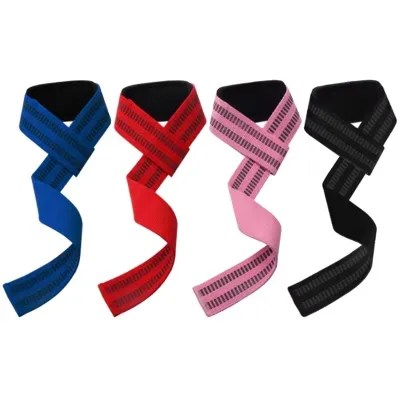


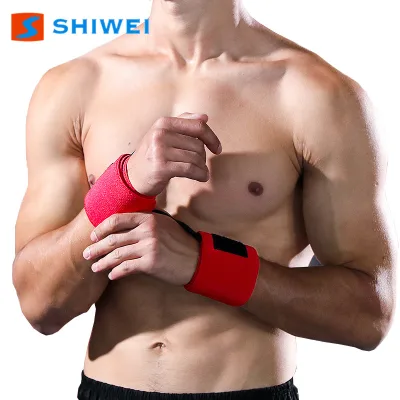
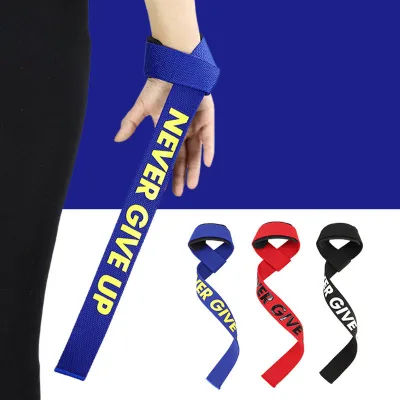

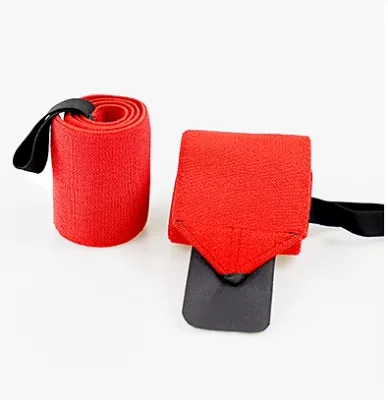


Wholesale Adjustable Sports Fitness Weightlifting Power Strap Wrist Wraps Hand Support
$1.80 - $2.00
MOQ: 500 Pieces

OEM Adjustable Sports Fitness Weightlifting Power Strap Wrist Wraps Hand Support
$0.65 - $0.74
MOQ: 1400 Pieces

Factory Direct Sale Adjustable Fitness Weightlifting Power Strap Wrist Wraps Hand Support
$0.90 - $1.00
MOQ: 1000 Pieces

Hot Sale Unisex Fitness Weightlifting Compression Power Strap Wrist Wraps Hand Support
$2.11 - $2.31
MOQ: 440 Pieces

Hot Sale Adult Weightlifting Sport Fitness Workout Strap Hand Wrist Brace Support
$0.50 - $0.57
MOQ: 1800 Pieces

Hot Sale Weightlifting Gym Adjustable Breathable Fitness Strap Hand Wrist Brace Support
$2.11 - $2.31
MOQ: 440 Pieces
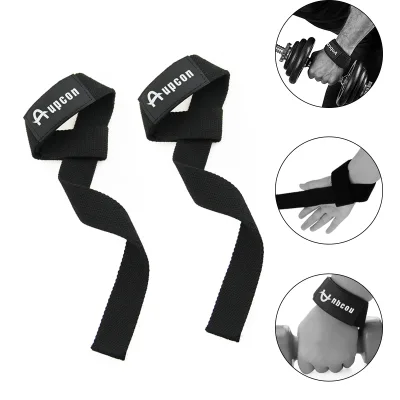


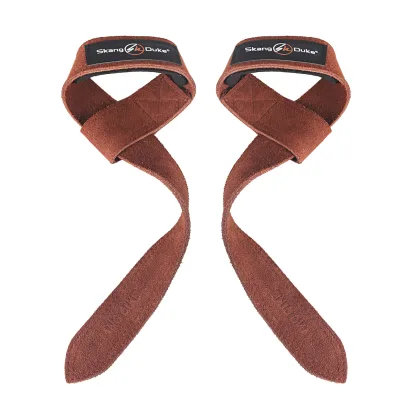
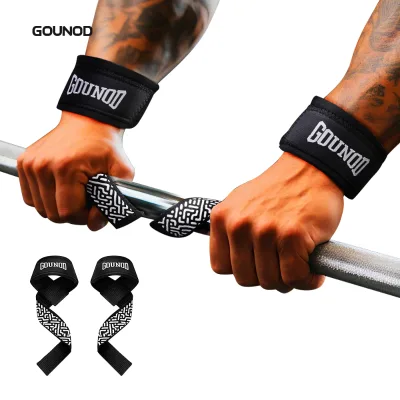
Comprehensive Sourcing Guide
Strategic Sourcing Guide for Grip Support Weightlifting Wrist Straps
The global market for weightlifting accessories has seen a surge in demand, driven by the growing emphasis on injury prevention and performance optimization in strength training. For procurement professionals and B2B buyers, the core keyword "Grip Support Weightlifting Wrist Strap" represents a specific category of industrial and consumer goods that requires careful evaluation. Unlike generic wristbands, these products are engineered to provide structural stability, enhance grip security, and protect the joint during high-load exercises. This guide synthesizes observed market data and technical attributes to provide a disciplined framework for sourcing these items, ensuring that procurement decisions are grounded in verifiable facts rather than marketing assertions.
Technical Specifications and Material Composition
When evaluating wrist support products for weightlifting, the material composition is the primary determinant of performance and durability. The observed product landscape indicates a diverse range of materials, with Polyester blended with Neoprene being a prominent configuration. This combination offers a balance of structural integrity and elasticity, essential for the "High Stretch" attribute frequently observed in this category. The presence of Nylon in other listings suggests an alternative focus on abrasion resistance and tensile strength, which is critical for straps subjected to repetitive friction during heavy lifting.
Furthermore, the specification of "Medium" thickness is a common observation, indicating a design philosophy that prioritizes support without excessive bulk. Buyers must verify that the thickness aligns with the specific requirements of their target demographic, as some athletes prefer minimal interference while others require maximum compression. The closure type is another critical technical variable; the data points to an "OTHER" classification, which often implies adjustable mechanisms such as hook-and-loop fasteners or elastic loops. The "Adjustable" and "Anti-Slip" features are consistently highlighted, suggesting that the primary functional requirement is a secure fit that does not migrate during dynamic movement.
The physical dimensions also vary significantly across the supply base. Observed specifications include a diameter classified as "OTHER," which necessitates a direct inquiry into the specific circumference or width of the strap. Length specifications range from 21cm to larger dimensions, with some single package sizes recorded as 30x25x5 cm or 40x30x10 cm. These variations impact the final product's application, particularly for "one size" models versus those designed for specific hand sizes. Buyers should cross-reference the "Item Display Length" and "Height" (noted as 2cm in some listings) to ensure the product fits the intended ergonomic profile.
Compliance, Certification, and Standard Verification
In the B2B procurement of fitness equipment, compliance and standard verification are paramount, yet the data presents a complex picture regarding formal certifications. While the "prod_standard" field lists various dimensions such as 302020cm, 141414, and 25.4 x 1 x 19.05 cm, these appear to be packaging or dimensional standards rather than safety or material certifications. It is crucial for buyers to understand that the absence of explicit certification data in the product listing does not imply non-compliance, but rather requires active verification.
Buyers must explicitly request documentation regarding material safety, particularly concerning the use of Neoprene and Nylon, to ensure they meet international standards for textile safety and chemical restrictions. The "prod_origin" and "place_of_origin" fields indicate manufacturing hubs in Jiangsu and Dongguan, China. While these regions are established manufacturing centers, the specific factory compliance status is not inherent in the location data. Procurement teams should verify if the supplier adheres to relevant international quality management systems or specific textile safety standards before placing large orders.
Additionally, the "Waterproof: Non-Waterproof" attribute clarifies the product's limitations. This is a critical compliance point for buyers targeting specific environments, such as outdoor gyms or humid climates, where water resistance might be a requirement. If the end-user requires water-resistant gear, the standard "Non-Waterproof" classification observed in the market data indicates a need to source alternative materials or request specific modifications.
Cost Drivers and Pricing Dynamics
The pricing structure for grip support weightlifting wrist straps is influenced by several variables, including material quality, customization levels, and order volume. The observed price range in the market spans from $0.50 to $8.00 USD. This wide variance suggests that the lower end of the spectrum likely corresponds to basic models with standard materials like spandex or simple polyester, while the higher end may reflect premium blends, advanced anti-slip technologies, or significant customization.
The "MOQ range" of 2 to 1800 units further complicates the cost analysis. A low MOQ of 2 units allows for small-scale testing or niche market entry but often carries a higher per-unit cost due to setup inefficiencies. Conversely, an MOQ of 1800 units suggests a production run optimized for large-scale distribution, potentially lowering the unit cost but increasing the initial capital outlay. Buyers must calculate the total landed cost, factoring in the "Single gross weight" (observed at 0.500 kg) and "Single package size" to determine shipping efficiency.
Customization is a significant cost driver in this category. The "Customization: Available" and "Logo: Customized Logo" attributes indicate that branding adds value but also cost. The "Brand Name: OEM" designation suggests that many suppliers offer white-label solutions, allowing buyers to apply their own branding. However, the extent of customization—whether limited to logo placement or extending to material and color changes—will directly impact the final price. Buyers should request detailed cost breakdowns for different customization tiers to optimize their budget.
Typical Applications and User Demographics
The application of these wrist straps is broad, covering "EXERCISE, Bodybuilding, Gym, Support" as noted in the product attributes. The "Function: Non-Slip, Protection" and "Protect Wrist" features confirm their primary role in injury prevention and performance enhancement. The "Style: Non Slip Rubberized Grip" observed in some listings points to a specific application where enhanced friction is required, such as Olympic weightlifting or CrossFit, where the grip on the barbell is critical.
The "Gender: Unisex" and "Age Group: Adults" attributes indicate that these products are designed for a general adult population. However, the "Applicable People: Universal" and "Item Weight: 60 Grams" suggest a lightweight design suitable for extended wear without causing fatigue. The "Usage: Sports Activities" classification reinforces their versatility across various disciplines, from powerlifting to general fitness training.
Buyers should consider the specific needs of their target market. For instance, a supplier targeting professional athletes might prioritize the "High Stretch" and "Adjustable" features for maximum support, while a mass-market retailer might focus on the "Color: as picture" and "Red, Blue, Black, Gray" options to appeal to aesthetic preferences. The "Type: Sports Wrist" and "Hand Wrist Support Splint" classifications indicate that some products may offer a more rigid support structure, suitable for rehabilitation or heavy lifting, while others may be purely supportive bands.
Supplier Evaluation and Geographic Considerations
Evaluating suppliers for wrist support products requires a focus on their manufacturing capabilities and geographic location. The data identifies "Jiangsu, China" and "Dongguan" as key production origins. These regions are known for their textile and sporting goods manufacturing infrastructure. However, the presence of multiple "prod_model" numbers, such as "XH2024," "RH2024," and "624-6#," suggests a fragmented supply chain with numerous manufacturers offering similar products.
Buyers should verify the supplier's capacity to handle the "Customization" requirements, particularly regarding the "OEM" branding. The "Brand: Evo Fitness" and "Brand Name: SHIWEI" entries indicate that some suppliers have established brand identities, while others operate strictly as OEM manufacturers. It is essential to determine whether the supplier can scale production to meet the "MOQ" requirements without compromising quality.
Furthermore, the "prod_packing: OPP Bag" specification highlights the standard packaging method. Buyers should assess whether this packaging is sufficient for their distribution needs or if custom packaging solutions are required. The "Single package size" variations, ranging from 30x25x5 cm to 40x30x10 cm, will impact logistics and storage costs. A thorough supplier evaluation should include a review of their quality control processes, lead times, and ability to maintain consistency across different production batches.
Quality Control and Long-Term Procurement Strategy
Quality control is a critical component of the procurement process for wrist support products. Given the "High Stretch" and "Anti-Slip" attributes, the durability of the material and the reliability of the closure mechanism are paramount. Buyers should implement a rigorous quality control protocol that includes testing for tensile strength, elasticity retention, and the effectiveness of the anti-slip surface. The "Thickness: Medium" specification should be verified against actual product samples to ensure consistency.
Long-term procurement considerations involve building a sustainable relationship with suppliers who can adapt to changing market demands. The "Customization: Available" attribute suggests that the market is dynamic, with buyers frequently seeking unique designs or branding. A supplier that offers flexible customization options and maintains high-quality standards will be a valuable partner. Additionally, the "Waterproof: Non-Waterproof" attribute highlights a potential area for product differentiation; buyers looking to expand their product line might explore suppliers who can offer water-resistant variants.
To ensure long-term success, buyers should establish clear communication channels with suppliers regarding the "prod_standard" and "prod_model" variations. Regular audits and sample testing will help maintain product integrity. By focusing on these technical and operational aspects, buyers can navigate the complexities of the wrist support market and secure a reliable supply chain that meets the needs of their customers.
Comparative Analysis of Product Attributes
| Attribute Category | Common Observation | Variability | Procurement Implication |
|---|---|---|---|
| Material | Polyester+Neoprene, Nylon, Spandex | High | Verify material blend for specific performance needs (stretch vs. durability). |
| Function | Adjustable, Anti-Slip, Protect Wrist | Low | Core features are consistent; focus on implementation quality. |
| Packaging | OPP Bag | Moderate | Check if custom packaging is required for branding. |
| Origin | Jiangsu, Dongguan | Moderate | Assess logistics and supplier proximity to manufacturing hubs. |
| Customization | Available (Logo, Color) | High | Factor in lead time and cost for branding and color variations. |
| Dimensions | Varies (21cm to 40cm+ packages) | High | Verify specific product dimensions against target market requirements. |
In conclusion, sourcing grip support weightlifting wrist straps requires a meticulous approach that balances technical specifications, cost considerations, and supplier reliability. By adhering to the facts presented in the market data and conducting thorough due diligence, buyers can make informed decisions that align with their strategic objectives. The key lies in understanding the nuances of material composition, customization capabilities, and the specific needs of the end-user to deliver high-quality products that enhance performance and safety in weightlifting.
FAQs
What materials are used for grip support weightlifting wrist straps?
Common materials include Polyester blended with Neoprene, Nylon, and Spandex. These blends offer high stretch and durability, with some products featuring medium thickness for optimal support without excessive bulk during heavy lifting sessions.
Can buyers request customized logos on these wrist straps?
Yes, customization is available for most products in this category. Suppliers often provide OEM services allowing for customized logos and branding, though the extent of customization may vary by manufacturer and order volume requirements.
How does the price range vary for these wrist support products?
The observed price range spans from 0.50 to 8.00 USD per unit. Costs depend on material quality, customization levels, and order volume, with lower prices typically associated with basic models and higher prices for premium blends.
Which locations are the primary manufacturing origins for these straps?
Manufacturing hubs are primarily located in Jiangsu and Dongguan, China. These regions are established centers for textile and sporting goods production, offering various suppliers capable of meeting different order specifications and customization needs.
What is the typical minimum order quantity for these wrist straps?
The minimum order quantity ranges from 2 to 1800 units depending on the supplier. Lower MOQs allow for small-scale testing, while higher volumes often optimize unit costs but require greater initial capital investment for the buyer.
Are these wrist straps waterproof for use in humid environments?
No, the standard classification for these products is non-waterproof. Buyers targeting humid climates or outdoor gyms should verify if alternative water-resistant materials are available or request specific modifications from the supplier.