Source Gymnastic Floor Spring for Furniture, Industry, and Toys
Compare 30 available Gymnastic Floor Spring options from verified Chinese suppliers. Buyers can evaluate materials like stainless steel, surface treatments, and customization services for industrial and furniture applications.
Key considerations
Products List





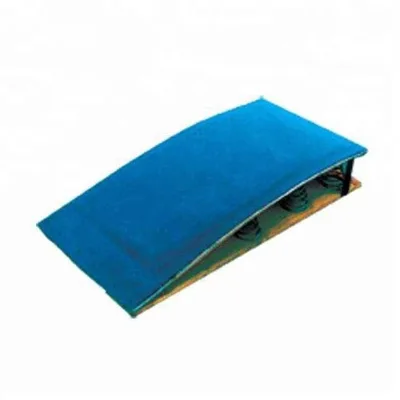
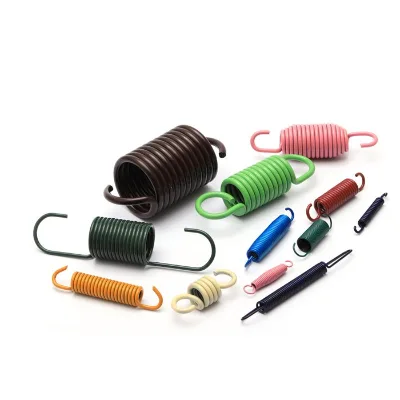
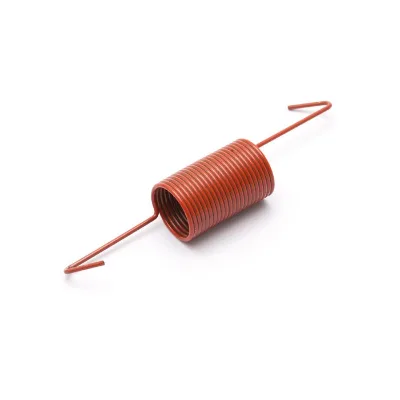
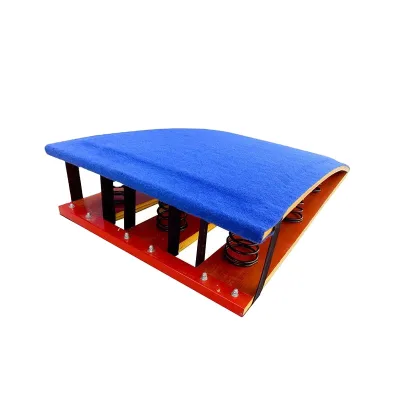

Comprehensive Sourcing Guide
Strategic Sourcing Guide for Gymnastic Floor Springs
Understanding Product Architecture and Technical Specifications
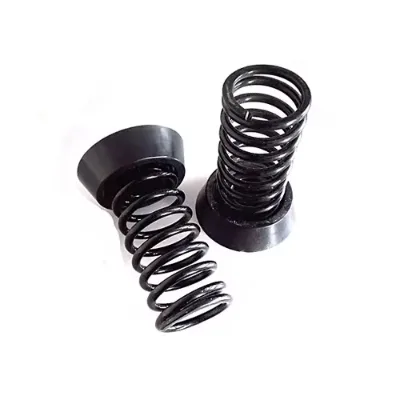
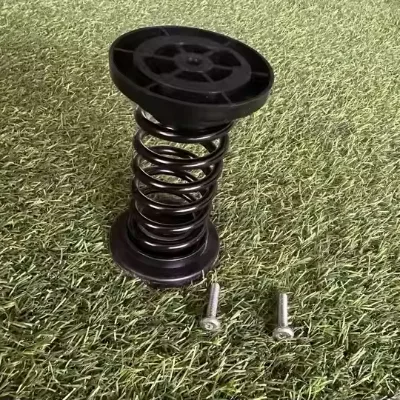
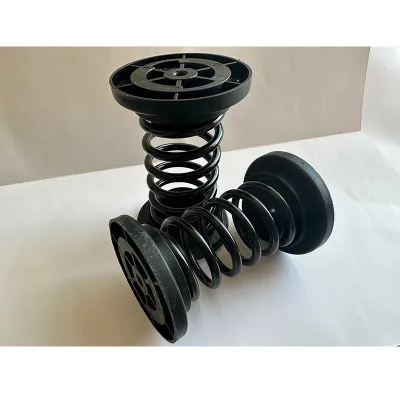
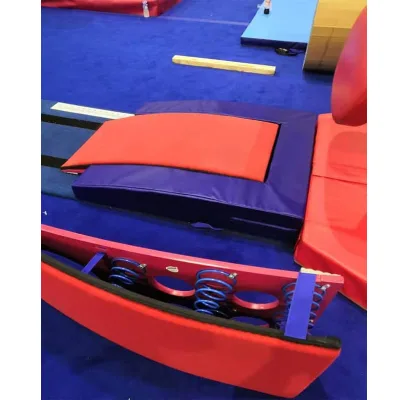
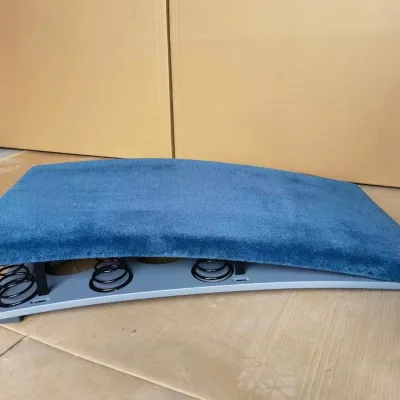
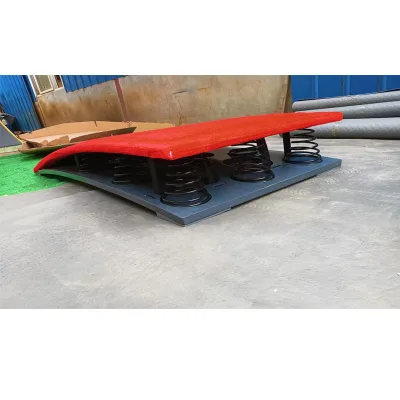
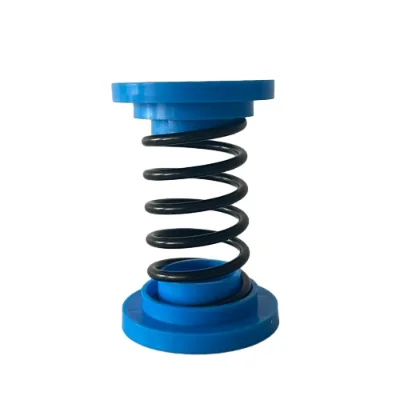
When sourcing gymnastic floor springs, buyers must first distinguish between the specific mechanical configurations required for their intended application. The core product category encompasses springs designed for high-durability environments, often utilized in gymnastic apparatuses, industrial machinery, and heavy-duty furniture. The fundamental architecture typically centers on a single cylinder structure, which provides the necessary stability for compression and torsion loads. In the context of gymnastic equipment, the spring must withstand repetitive, high-impact forces without permanent deformation.
The material composition is a primary determinant of performance and longevity. Market observations indicate that these components are frequently manufactured from steel alloys, specifically utilizing carbon steel or stainless steel variants. The choice between these materials often depends on the environmental conditions of the installation site; stainless steel offers superior corrosion resistance, which is critical for facilities with high humidity or outdoor exposure. The wire diameter is another critical specification, with standard offerings often ranging around 5.3mm, though customized diameters are frequently available to meet specific load requirements.
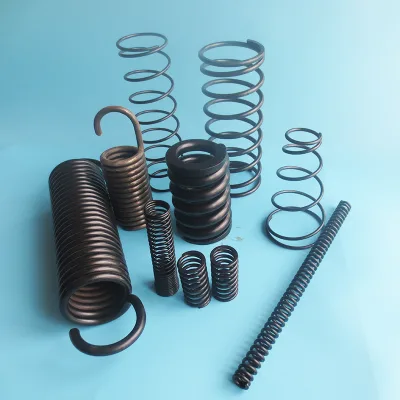
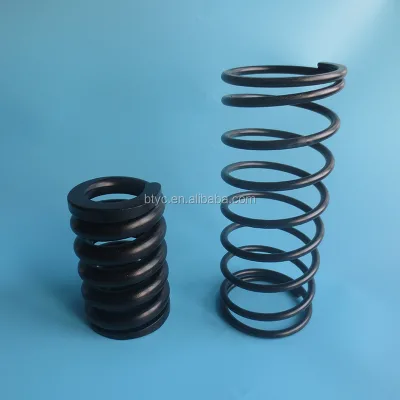
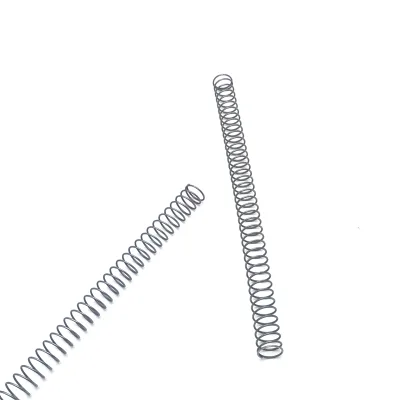
The physical dimensions and geometry of the spring are equally vital. The style of the spring is predominantly spiral or coil, designed to maximize energy return while maintaining structural integrity. The end type is typically a flat end, facilitating secure mounting to the floor or apparatus frame. Buyers should verify the extended length and overall size against their design blueprints, as specifications can vary significantly based on the required load capacity. For instance, load capacities observed in the market range widely, from light-duty applications requiring 7 lb to heavy-duty industrial setups demanding 90 lb or more. The model numbers associated with these products, such as TC-S or jh98842, serve as unique identifiers for specific configurations, though buyers should prioritize custom specifications over generic model numbers to ensure exact fit.
Compliance, Certification, and Regulatory Standards
Navigating the compliance landscape is essential for B2B procurement, particularly when sourcing components for safety-critical applications like gymnastic equipment. While specific certification statuses vary by supplier, the industry standard often involves adherence to ISO standards. Buyers should explicitly verify if the supplier holds ISO/TS or ISO certifications, as these indicate a commitment to quality management systems. The provided data suggests that "Customized" certification options are available, implying that suppliers may tailor their quality assurance processes to meet specific client requirements or regional regulations.
Customization is a key feature in this sector, allowing buyers to align the product with unique safety protocols. The Custom HS Code 73202010 is a standard classification for steel springs, which is crucial for accurate customs declaration and duty calculation. However, buyers must confirm that the specific product variant they select aligns with this classification, as deviations in material or processing could alter the tariff code. Furthermore, the origin of the product plays a significant role in compliance. Most observed listings indicate production in China, specifically from regions like Guangdong and Hebei. Buyers should ensure that the place of origin aligns with their trade agreements and that the supplier can provide necessary documentation regarding the manufacturing location.
Quality assurance is another pillar of compliance. The attribute "Strict QC Checking Before Delivery" is a common claim, but buyers should not accept this as a blanket guarantee. Instead, procurement teams must request detailed quality control reports, including inspection certificates and test results for tensile strength and fatigue resistance. The standard production process often includes surface treatments such as galvanization, chrome plating, or nickel plating. These treatments are not merely aesthetic; they are functional requirements to prevent rust and ensure longevity. Buyers must verify that the surface treatment process meets the specific environmental demands of the installation site, as inadequate plating can lead to premature failure.
Cost Drivers and Pricing Dynamics
The pricing of gymnastic floor springs is influenced by a complex interplay of factors, including material costs, customization levels, and order volume. The observed price range in the market is extensive, spanning from $0.02 to $314.52 USD. This wide disparity reflects the diversity of the product line, from small, standard wire springs to large, custom-engineered industrial units. The low end of the spectrum typically represents standard, off-the-shelf components with minimal customization, while the high end corresponds to specialized, heavy-duty springs with complex geometries and premium materials.
Material selection is a primary cost driver. Stainless steel components generally command a higher price than carbon steel alternatives due to the raw material cost and the additional processing required for corrosion resistance. Similarly, the wire diameter and overall dimensions directly impact the amount of raw material used, thereby influencing the unit cost. Buyers seeking to optimize costs should carefully evaluate whether the highest grade of material is necessary for their specific application. In many cases, a carbon steel spring with a robust surface treatment may offer sufficient performance at a lower price point than a stainless steel equivalent.
Order quantity is another significant factor in pricing. The Minimum Order Quantity (MOQ) ranges from 1 to 10,000,000 units, offering flexibility for both small trial orders and large-scale industrial procurement. The market data indicates that "Any Small Trial Order Is Welcome," which allows buyers to test product quality before committing to large volumes. However, economies of scale typically apply, meaning that larger orders often result in a lower unit price. Buyers should leverage this flexibility to negotiate better terms, especially when combining multiple product variations into a single order. Additionally, the packaging requirements, such as polybag, paper carton, or wooden case, can add to the overall cost, particularly for international shipping where sea-worthy packaging is mandatory.
Typical Applications and Usage Scenarios
Gymnastic floor springs are versatile components with applications extending beyond the gymnasium. While the primary use case is in gymnastic apparatuses, where they provide the necessary rebound and safety for athletes, the industrial sector also relies heavily on these components. In furniture manufacturing, these springs are utilized in heavy-duty chairs, beds, and adjustable desks, where they must support significant weight and withstand daily wear and tear. The observed usage categories include furniture, toys, and general industry, highlighting the broad applicability of the product.
The specific application dictates the required load capacity and structural integrity. For gymnastic equipment, the springs must handle dynamic loads generated by jumping and landing, requiring high fatigue resistance. In industrial settings, the focus shifts to static load capacity and durability under continuous operation. The load types supported by these springs include compression, torsion, and other specialized forces, depending on the mechanical design of the equipment. Buyers must match the spring's load type to the operational demands of their machinery or apparatus to prevent failure.
The versatility of these springs is further enhanced by the availability of customization. Suppliers often offer OEM and ODM services, allowing buyers to tailor the product to their specific design needs. This is particularly relevant for custom machinery or unique furniture designs where standard springs may not fit. The color options, including red, black, white, and yellow, also play a role in application, as they can be used to meet aesthetic requirements or safety color-coding standards in industrial environments. Buyers should consider the end-use environment when selecting the appropriate color and material combination to ensure both functionality and visual consistency.
Supplier Evaluation and Selection Criteria
Selecting the right supplier is critical for ensuring product quality and supply chain reliability. Buyers should prioritize suppliers who demonstrate a clear commitment to quality control and customization capabilities. The presence of "Strict QC Checking Before Delivery" is a positive indicator, but it should be backed by verifiable processes and documentation. Suppliers should be able to provide detailed quality reports and demonstrate their ability to handle custom orders, as evidenced by the availability of customized certifications and product specifications.
Geographic location is another important factor. The majority of suppliers are located in China, with production hubs in Guangdong and Hebei. While these regions offer competitive pricing and established manufacturing infrastructure, buyers should evaluate the logistics capabilities of the supplier. The observed delivery time of 5-7 days suggests a relatively efficient production cycle, but this may vary based on order volume and customization requirements. Buyers should confirm the actual lead time for their specific order to avoid delays in their production schedules.
Payment terms and shipping options are also key considerations. The market offers flexible payment methods, including L/C, West Union, and T/T, allowing buyers to choose the method that best suits their financial policies. Shipping options range from express delivery to sea and land transport, providing flexibility for different urgency levels and budget constraints. Buyers should evaluate the supplier's ability to handle "Standard Sea Worthy" packaging, which is essential for protecting the product during long-distance transit. Additionally, the availability of samples is a valuable feature, allowing buyers to test the product before placing a large order.
Quality Control and Long-Term Procurement Strategy
Implementing a robust quality control strategy is essential for mitigating risks associated with sourcing gymnastic floor springs. Buyers should establish clear acceptance criteria based on technical specifications, including wire diameter, material composition, and surface treatment quality. Regular inspections, both during production and before shipment, are necessary to ensure that the products meet the required standards. The "Strict QC Checking Before Delivery" attribute should be a baseline requirement, with buyers requesting detailed inspection reports for every batch.
Long-term procurement considerations involve building a sustainable relationship with suppliers who can consistently deliver high-quality products. This includes evaluating the supplier's capacity for continuous improvement and their ability to adapt to changing market demands. The availability of OEM and ODM services suggests that suppliers are willing to collaborate on product development, which can be a significant advantage for buyers seeking to innovate. Buyers should also consider the total cost of ownership, including maintenance and replacement costs, when selecting a supplier. High-quality springs with superior surface treatments may have a higher initial cost but can result in significant savings over time by reducing downtime and replacement frequency.
Finally, buyers should maintain a clear understanding of the product's lifecycle and performance expectations. The observed specifications, such as the single gross weight and package dimensions, provide insights into the handling and storage requirements. By aligning procurement strategies with these practical considerations, buyers can ensure a smooth supply chain and reliable performance of the gymnastic floor springs in their applications. Continuous communication with suppliers and regular performance reviews are essential for maintaining high standards and achieving long-term success in procurement.
FAQs
What materials are used for gymnastic floor springs?
These springs are typically made from steel alloy, carbon steel, or stainless steel. Stainless steel offers superior corrosion resistance for humid environments, while carbon steel is a cost-effective alternative for indoor use.
Can I order a small trial quantity for testing?
Yes, any small trial order is welcome for testing purposes. The minimum order quantity ranges from 1 to 10,000,000 units, allowing buyers to verify quality before committing to large-scale industrial procurement.
What is the standard delivery time for these products?
The standard delivery time is typically 5 to 7 days after order confirmation. This lead time applies to standard configurations, though customized orders or large volumes may require adjusted scheduling.
Which certifications are available for these springs?
Suppliers often provide ISO or ISO/TS certifications, with customized certification options available upon request. Buyers should verify specific quality management system compliance to ensure safety for gymnastic apparatus applications.
How is the product packaged for international shipping?
Products are packaged in polybags, paper cartons, or wooden cases to ensure sea-worthy protection. Standard packaging dimensions vary, with some single packages measuring 70x10x10 cm or 40x35x28 cm depending on the model.
What surface treatments are applied to the springs?
Common surface treatments include galvanization, chrome plating, and nickel plating to prevent rust. These processes are essential for longevity, especially in industrial or high-humidity environments where corrosion resistance is critical.
What load capacities are available for these springs?
Load capacities vary widely, ranging from 7 lb for light applications to 90 lb for heavy-duty industrial setups. Buyers must select the appropriate capacity based on the specific mechanical requirements of their equipment.