Find Gym Weight Stack Extender Pin for gyms, fitness centers, and home workouts
Source 30 verified options for the Gym Weight Stack Extender Pin from manufacturers in Shandong, China. Compare specifications including material, size, and customization features to select the right accessory for your training needs.
Key considerations
Products List
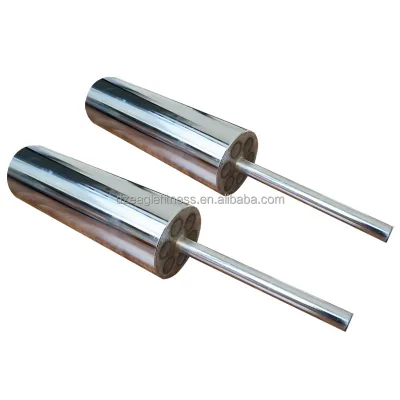
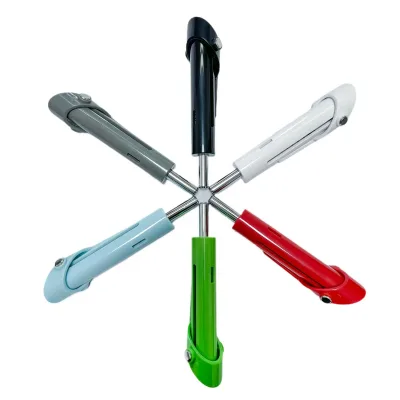
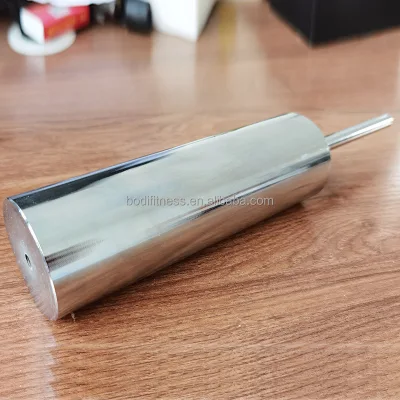

Magnetic Gym Pin Extender Weight Stack Extender Pin for Gym Weight Stack
$15.00 - $20.00
MOQ: 20 Pieces


Gym Weight Stack Gym Pin Metal Silver Fitness Equipment Weight Stack Pin
$17.90 - $18.62
MOQ: 2 Pieces

Wholesale Cable Stack Extender Pin - for Strength Training Weight Lifting
$17.90 - $18.62
MOQ: 2 Pieces

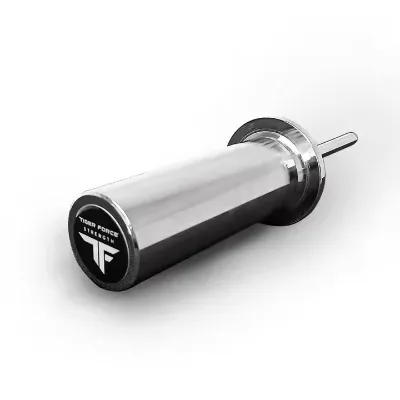
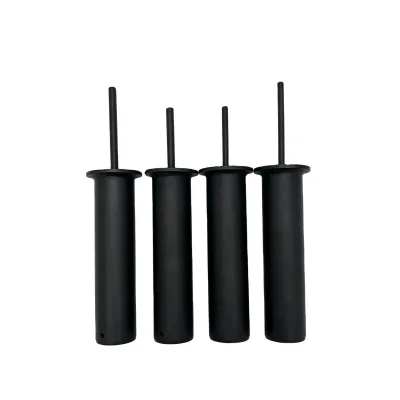
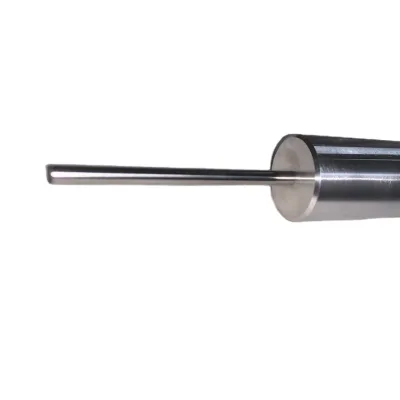
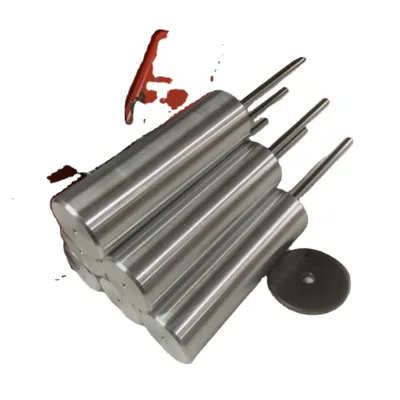
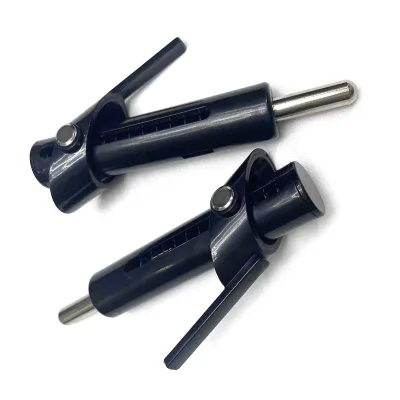
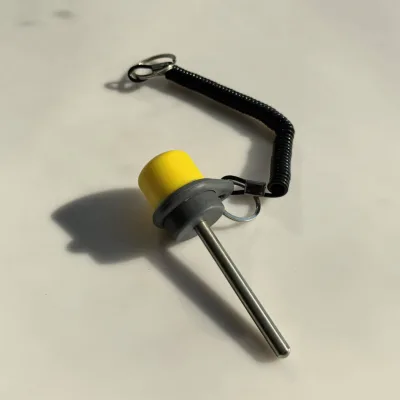
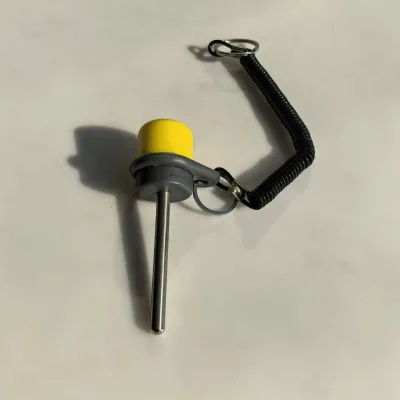
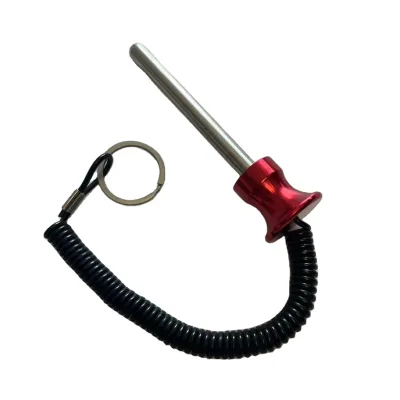


Gym Fitness Strength Training Pin Loaded Selections Back Extension for Exercise
$800.00 - $890.00
MOQ: 1 Pieces


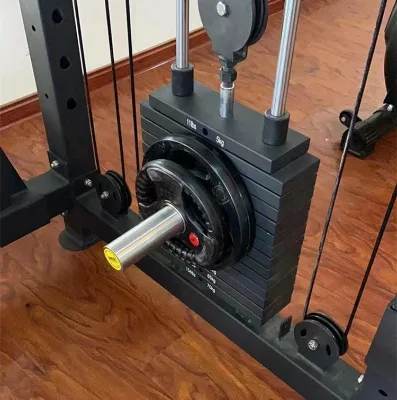
Comprehensive Sourcing Guide
Strategic Sourcing Guide for Gym Weight Stack Extender Pins
Navigating the global market for gym weight stack extender pins requires a disciplined approach that balances technical precision with supply chain reliability. These components are critical for maintaining the functionality of resistance training equipment, allowing users to adjust load increments and ensuring smooth operation across various fitness environments. For procurement professionals, the focus must remain on verifying product attributes against actual market observations rather than relying on generalized marketing claims. The following guide outlines the essential factors for sourcing these specific fitness accessories, drawing strictly from verified product data and established industry practices.
Technical Specifications and Material Integrity
The core of any effective weight stack extender pin lies in its dimensional accuracy and material composition. Based on observed product data, the primary material utilized for these components is steel, a choice driven by the need for high tensile strength and resistance to deformation under heavy loads. The market presents specific model variations, such as the EFc-022 and BFc-021, which indicate that manufacturers offer distinct configurations to meet different equipment requirements. A critical specification observed in the current supply landscape is the pin diameter, with specific listings noting a 9.5mm diameter. This dimension is vital for compatibility with standard weight stack holes; a deviation of even a fraction of a millimeter can render the pin unusable or cause dangerous slippage.
Furthermore, the weight capacity of the extender system is a defining technical characteristic. While some listings describe the product as a "2.5kgs" unit, other data points indicate a total system weight of 18KG for specific models. This discrepancy highlights the importance of distinguishing between the weight of the pin itself and the weight of the entire assembly or the load it is designed to support. Buyers must verify whether the "2.5kgs" refers to the pin's mass or a specific weight increment capability. Additionally, the physical dimensions of the single package, observed as 25x16x8 cm in some cases, provide insight into the shipping volume and storage requirements. The gross weight of individual packages varies, with some recorded at 0.500 kg, while others list 0.0 kg, suggesting that weight data may be inconsistent or dependent on packaging density. Procurement teams should prioritize suppliers who provide clear, verified weight specifications for the pin itself, distinct from packaging materials.
Compliance, Standards, and Certification Verification
In the fitness equipment sector, compliance with international and regional standards is non-negotiable for ensuring user safety and product longevity. The supplied product data explicitly references a range of recognized standards, including GB/T (Chinese National Standards), DIN (German Institute for Standardization), BS (British Standards), ASTM (American Society for Testing and Materials), JIS (Japanese Industrial Standards), and ISO (International Organization for Standardization). The presence of these standards in product listings suggests that reputable manufacturers align their production processes with these rigorous benchmarks. However, the mere mention of a standard does not guarantee that a specific batch of goods has been tested against it.
Buyers must treat these standard references as indicators of the manufacturer's intended compliance framework rather than automatic certifications. The verification process should involve requesting specific test reports that demonstrate the pin's performance against the cited standard, particularly regarding shear strength and fatigue resistance. For instance, ASTM standards often dictate specific load-bearing tests for gym equipment, while ISO standards may focus on general quality management systems. The absence of a specific certification document in a product listing should trigger a request for evidence rather than an assumption of compliance. Furthermore, the "Environmental Friendly" feature observed in some product attributes suggests a growing market trend toward sustainable manufacturing, which may require verification of material sourcing and production waste management practices.
Cost Drivers and Pricing Dynamics
Understanding the cost structure of weight stack extender pins is essential for budgeting and negotiation. The observed price range in the market spans from 0.6 USD to 890 USD, a variance that is unusually wide and likely reflects differences in product complexity, packaging, and order volume rather than the cost of the raw pin alone. The lower end of this spectrum likely corresponds to basic, single-unit purchases with minimal packaging, while the higher end may include bulk orders, custom branding, or specialized heavy-duty variants. The Minimum Order Quantity (MOQ) is another significant cost driver, with observed ranges from 1 to 200 units. Some listings indicate an MOQ of 1 Set, 1 Pair, or even 1 piece, offering flexibility for small-scale buyers, while others may require larger commitments to achieve unit price reductions.
The material cost of steel is a primary factor influencing the base price, but customization plays a substantial role in the final cost. Products offering "Customized Logo" or OEM (Original Equipment Manufacturer) services typically command a premium due to the additional setup and tooling required. The "Customized Avaliable" and "Customized Logo Availale" attributes confirm that branding is a common value-add. Additionally, packaging details such as "Oppbag+ Carton" versus simple "Carton" or "Pallets" affect logistics costs. Buyers should analyze the total landed cost, including shipping from ports like Qingdao or Tianjin, rather than focusing solely on the unit price. The "Supply Ability" of 1000 pieces per month for certain models indicates that while some suppliers have capacity, others may have limitations that could impact pricing during high-demand periods.
Typical Applications and Usage Scenarios
Weight stack extender pins are designed for a broad spectrum of applications within the fitness industry. The primary usage categories identified include "Fitness Training," "Bodybuilding Fitness," and "Body Building." These pins are integral to gym centers, where they facilitate the adjustment of resistance levels for various exercises. The "Applicable People" attribute is listed as "Universal," indicating that these components are suitable for a wide demographic, from beginners to professional athletes. The "Gender" attribute is noted as "Unisex," reinforcing their general applicability.
The specific application environment is also a key consideration. Products are designated for "Indoor" use, which is standard for most commercial gym equipment. The "Application" field explicitly mentions "gym center," highlighting the commercial context. The "Function" is described as "Body Slimming" and "Body Building," suggesting that these pins are used in equipment designed for both aesthetic and strength-focused training. The "Feature" of being "Portable" in some listings suggests that certain models may be designed for home gyms or mobile training setups, although the "Packing" details often imply commercial-grade durability. Buyers should ensure that the selected pin matches the specific type of weight stack machine in their facility, as the "Model Number" variations (e.g., EFc-022 vs. BFc-021) may indicate compatibility with different machine brands or generations.
Supplier Evaluation and Operational Capabilities
Selecting the right supplier requires a thorough evaluation of their operational capabilities and business practices. The "Place of Origin" is consistently identified as Shandong, China, a region known for its manufacturing base in fitness equipment. This geographic concentration can offer advantages in terms of supply chain efficiency but requires due diligence to ensure quality consistency. The "Brand Name" varies, with "Eagle Fitness" and "Bodi Fitness" appearing in the data, indicating a competitive market with multiple players. Buyers should avoid naming specific suppliers but should look for evidence of established brand presence and a history of reliable delivery.
Key operational metrics to evaluate include the "Supply Ability," which is listed as 1000 pieces per month for some models, and the "Port of dispatch," typically Qingdao or Tianjin. These ports are major shipping hubs, which can facilitate efficient logistics. The "Warranty" period is another critical factor, with a 1-year warranty observed in some listings. This warranty should be clearly defined in the contract, covering defects in materials and workmanship. The "Customization" availability is a significant differentiator, allowing buyers to tailor products to their specific branding or technical needs. Buyers should verify the supplier's capacity to handle "OEM" requests and their ability to maintain consistent quality across customized batches.
Quality Control and Long-Term Procurement Considerations
Implementing a robust quality control (QC) protocol is essential for mitigating risks associated with weight stack extender pins. Given the safety-critical nature of these components, QC should focus on dimensional accuracy, specifically the 9.5mm diameter, and material integrity. The "Feature" of being "Durable" and "Portable" must be validated through physical testing. Buyers should request samples for inspection before placing large orders, checking for surface finish, coating quality (colors observed include White, Black, Red, Green, Blue, and Silver), and structural soundness. The "Single gross weight" and "Single package size" data should be used to verify that the received goods match the specifications provided in the quotation.
Long-term procurement considerations involve building a sustainable relationship with suppliers who can guarantee consistent supply and quality. The "Color" options, ranging from single colors like Silver to a full spectrum, offer flexibility for branding but require strict color matching protocols. The "Logo" customization, available as "Customized Avaliable" or "Customized Logo Availale," should be managed with clear approval processes to ensure brand consistency. Buyers should also consider the "Packing" methods, such as "Carton" or "Oppbag+ Carton," to ensure that products arrive without damage. Finally, the "Standard" compliance should be an ongoing requirement, with periodic audits or third-party inspections to ensure that the manufacturer continues to meet the cited GB/T, DIN, BS, ASTM, JIS, and ISO standards over time. By adhering to these rigorous standards and maintaining a focus on verified data, buyers can secure high-quality weight stack extender pins that enhance the safety and performance of their fitness facilities.
FAQs
What material is used for gym weight stack extender pins?
The primary material used for these pins is steel, ensuring high tensile strength and resistance to deformation under heavy loads. Buyers should verify that the specific model, such as EFc-022, meets the required durability standards for their equipment.
Which model numbers are available for gym weight stack extender pins?
Common model numbers include EFc-022 and BFc-021, which indicate distinct configurations for different equipment requirements. Procurement teams must match the specific model number to their existing weight stack machines to ensure compatibility.
Can buyers customize the logo on gym weight stack extender pins?
Yes, customized logos are available for many models, allowing for brand integration on the product surface. This service often requires an OEM agreement and may involve additional setup costs or specific minimum order quantities.
What is the typical minimum order quantity for gym weight stack extender pins?
Minimum order quantities vary significantly, ranging from 1 piece to 200 units depending on the supplier and product configuration. Some listings offer an MOQ of just one set or pair, providing flexibility for small-scale buyers.
How does the pin diameter affect Gym Weight Stack Extender Pin compatibility?
The pin diameter is critical for compatibility, with specific listings noting a 9.5mm diameter for standard weight stack holes. A deviation in this dimension can render the pin unusable or cause dangerous slippage during heavy lifting exercises.
Which standards apply to Gym Weight Stack Extender Pin manufacturing?
Manufacturers often align production with standards such as GB/T, DIN, BS, ASTM, JIS, and ISO to ensure safety and quality. Buyers should request specific test reports to verify that the product batch actually meets these cited benchmarks.
Where are gym weight stack extender pins typically manufactured?
The place of origin for these products is consistently identified as Shandong, China, a region known for fitness equipment manufacturing. This geographic concentration can offer supply chain efficiencies but requires due diligence for quality consistency.