Source Gypsum Ceiling Boards for Offices, Hotels, and Homes
Find 30 listings for Gypsum Ceiling Boards suitable for offices, hotels, and households. Compare options featuring fireproof, soundproof, and moisture-proof properties from Chinese manufacturers offering CE and ISO certifications; compare the available evidence and request quotations based on your requirements.
Updated
Key considerations
Products List


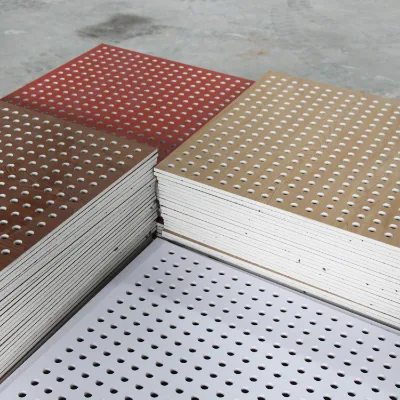
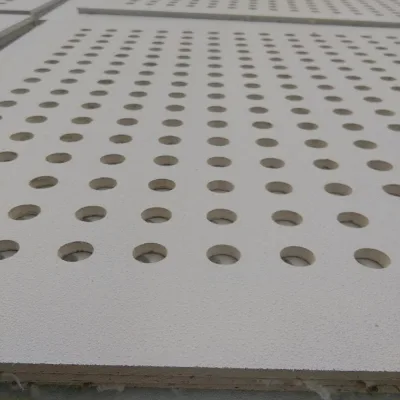
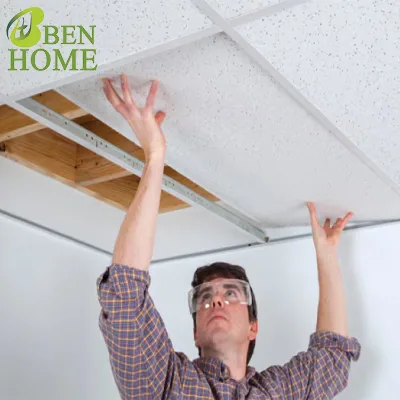
Perforated Suspended Gypsum Board , Plasterboard , Drywall Ceiling for Sale
$0.80 - $1.50
MOQ: 4000 Minimum

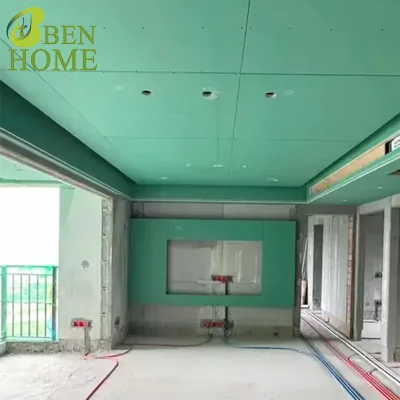
Gypsum Board Ceiling Gypsum Decorative Gypsum Board Ceiling Design
$2.00 - $4.30
MOQ: 1000 Square Meters

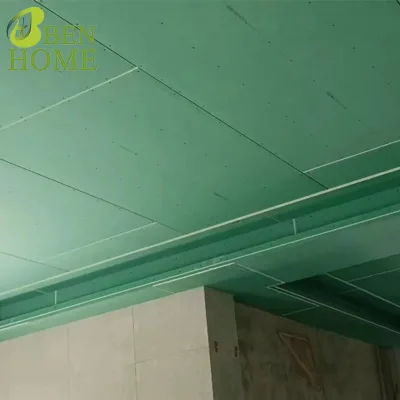
9.5mm 12mm 12.5mm High Quality Gypsum Board Ceiling Gypsum Ceiling Decorative Gypsum Board Ceiling
$0.80 - $1.50
MOQ: 1000 Square Meters

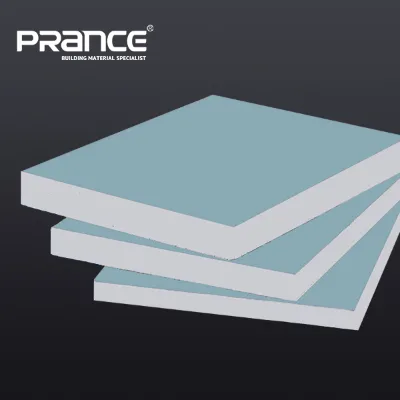
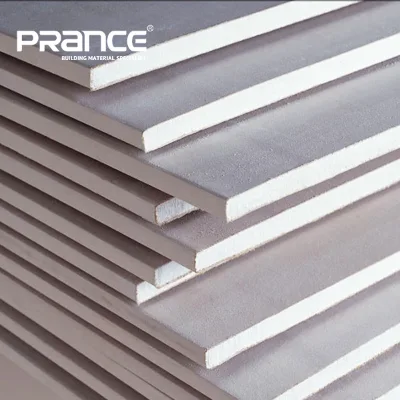

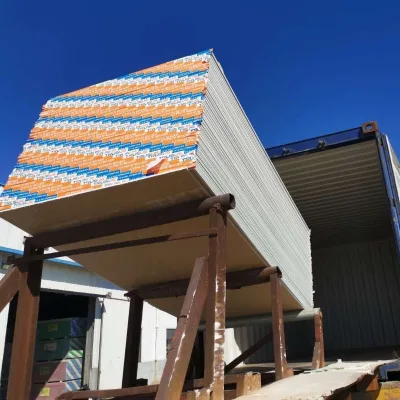
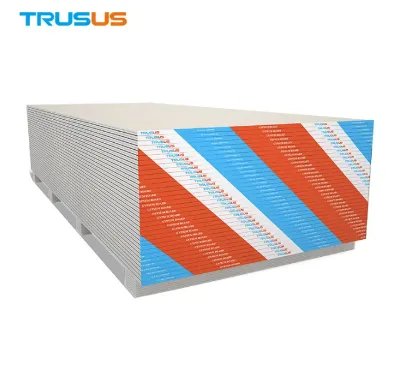
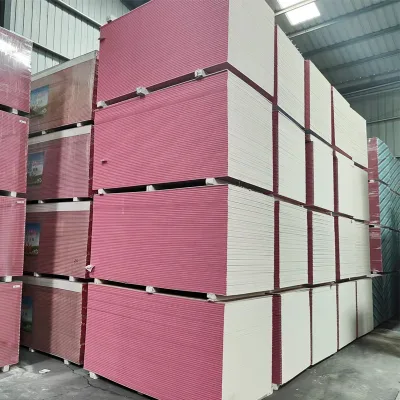
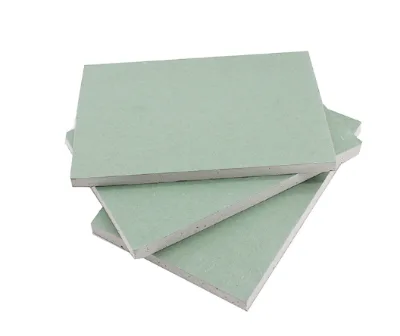
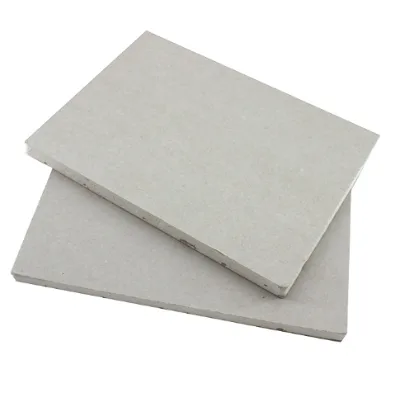
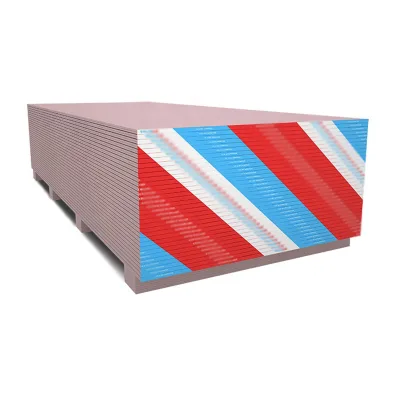
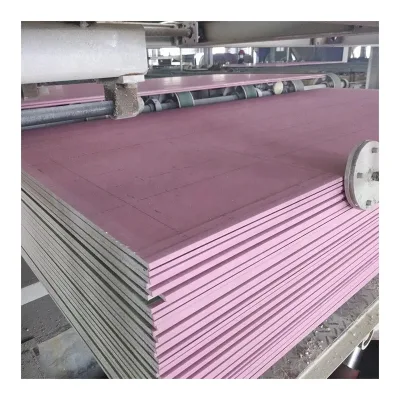
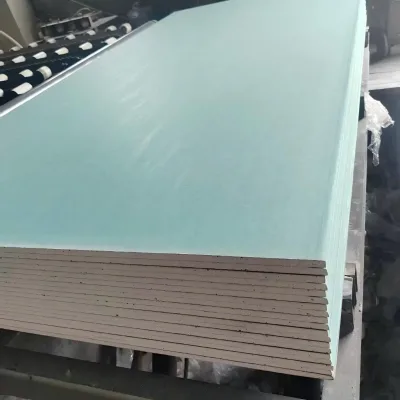
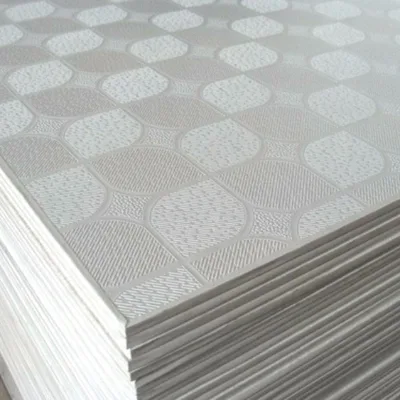
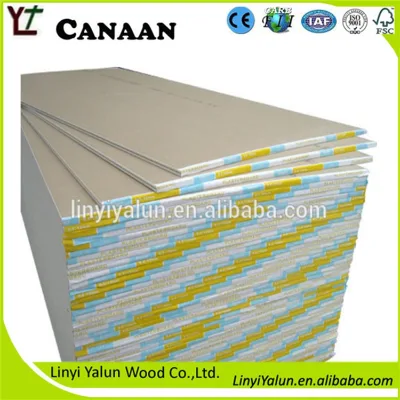
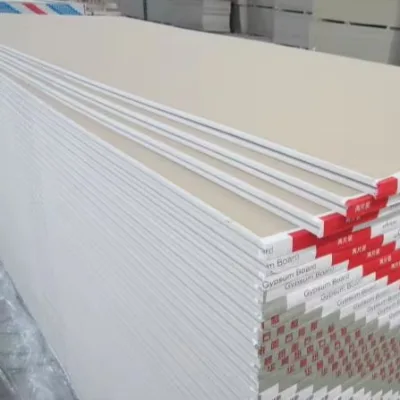
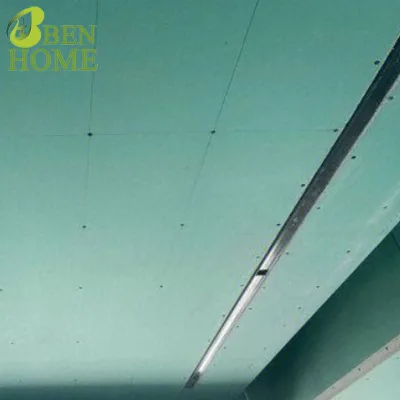
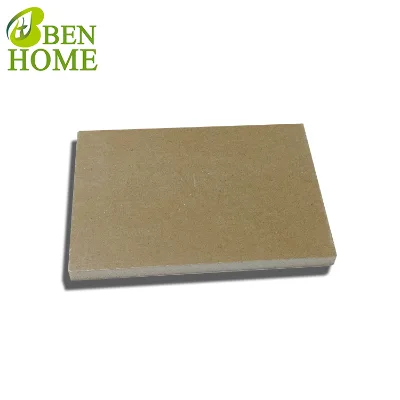
China Factory Cheap Price Gypsum Board Plasterboard for Interior Decoration
$0.50 - $2.50
MOQ: 1 pieces
Comprehensive Sourcing Guide
Gypsum Ceiling Boards Sourcing Guide
Procuring Gypsum Ceiling Boards requires a clear understanding of the diverse product landscape available from manufacturers, primarily concentrated in regions like Shandong, China. Buyers must navigate a wide array of options ranging from standard decorative plasterboards to specialized fireproof and moisture-proof variants. The market offers significant customization, allowing for specific brand placements or OEM solutions, which is critical for large-scale commercial projects where brand consistency and aesthetic uniformity are paramount.
Understanding the physical and functional attributes of these boards is the first step in effective sourcing. Products are typically available in square shapes with white or customized colors, designed for applications in offices, hotels, households, and dust-free rooms. The material composition often involves pure natural gypsum or plaster, ensuring environmental friendliness while providing necessary acoustic and fire-resistant properties. Buyers should evaluate these features against their specific project requirements to ensure the selected boards meet both structural and aesthetic goals.
Product Scope and Observed Listing Signals
The observed market signals indicate a broad spectrum of gypsum ceiling products, including decorative plasterboards, drywall variants, and perforated ceiling boards. Listings frequently highlight features such as sound absorption, fireproofing, and moisture resistance, catering to diverse architectural needs. The standard dimensions often include 1220x2440mm and 1200x2400mm formats, with thicknesses ranging from 6.0mm to 25mm for boards, and specific sizes like 595x595mm for grid systems. These variations allow buyers to select products that align precisely with their ceiling grid systems and installation specifications.
Pricing and minimum order quantities (MOQ) vary significantly across suppliers, with observed price ranges starting as low as $0.07 and extending up to $300 per unit or batch. MOQs can range from 1 to 4000 units, reflecting the flexibility of suppliers to accommodate both small trial orders and large industrial procurements. Buyers should note that sample availability is often free, providing an opportunity to verify quality before committing to larger volumes. This flexibility is crucial for testing material performance in real-world conditions before full-scale deployment.
Technical Specifications to Verify
Verifying technical specifications is essential to ensure the gypsum boards meet project requirements. Key parameters include thickness, which can vary from 0.26mm to 25mm depending on the product type, and size, with common dimensions like 900/1200/1220x1800/1830/2440mm. Buyers must confirm the exact model numbers, such as Gypsum Ceiling Board or Drywall Gypsum Ceiling Board, to avoid mismatches in installation. Additionally, the presence of patterns or lack thereof should be verified, as most listings indicate a "Without Pattern" finish, which is standard for clean, modern interiors.
The structural components of the ceiling system, including main tees, cross tees, and wall angles, must also be considered. These metal frameworks often have specific thicknesses, such as 0.26/0.3/0.35/0.4mm, and standards like H38/32/30/28/26/23. Buyers should ensure that the gypsum boards are compatible with the chosen grid system to prevent installation issues. Furthermore, packaging details, such as 25/75/50 pieces per carton or palletized shipping, impact logistics and handling, so these details must be confirmed with the supplier to avoid damage during transit.
Compliance and Safety Documentation
Compliance with international standards is a critical aspect of sourcing Gypsum Ceiling Boards. Many suppliers provide certifications such as CE, ISO, and SGS, which indicate adherence to quality and safety regulations. Buyers should request copies of these certificates to verify that the products meet the specific regulatory requirements of their target markets. The presence of a Certificate of Origin, such as Form E or Form F, can also facilitate customs clearance and potentially reduce tariffs, making it an important document to secure.
In addition to product certifications, buyers should verify the material composition and environmental claims. Products are often described as made from pure natural gypsum or plaster, which is generally considered environmentally friendly. However, buyers should request detailed material safety data sheets (MSDS) to confirm the absence of harmful substances. This is particularly important for projects in sensitive environments like hospitals or schools, where air quality and safety are paramount. Ensuring that all documentation is up-to-date and valid is essential for risk mitigation.
Cost Drivers and Commercial Terms
Several factors influence the cost of Gypsum Ceiling Boards, including material quality, thickness, and customization options. Thicker boards and those with specialized features like fireproofing or sound absorption typically command higher prices. Buyers should also consider the impact of branding, as OEM products may incur additional costs for logo printing or custom packaging. Understanding these cost drivers helps in budgeting accurately and negotiating effectively with suppliers.
Commercial terms, such as payment methods, lead times, and shipping arrangements, also play a significant role in the total cost of ownership. Buyers should clarify the port of dispatch, often Qingdao Port, and the associated logistics costs. Packaging details, such as the use of paper tape or pallets, can affect shipping efficiency and damage risk. It is advisable to negotiate clear terms regarding sample costs, bulk discounts, and warranty policies to ensure a smooth procurement process and protect against potential losses.
Supplier Qualification and Quality Control
Selecting a reliable supplier is crucial for ensuring consistent quality and timely delivery. Buyers should conduct thorough due diligence, including verifying the supplier’s business license, production capacity, and past performance. The observed supply ability of 10,000 square meters per day indicates that some suppliers have substantial production capabilities, which is beneficial for large projects. However, buyers should also assess the supplier’s quality control processes, including in-house testing and third-party inspections, to ensure product consistency.
Establishing a robust quality control protocol is essential to mitigate risks. Buyers should define clear acceptance criteria for incoming goods, including visual inspections, dimensional checks, and performance tests. Requesting pre-shipment inspections or hiring third-party inspection services can provide an additional layer of assurance. Building a strong relationship with the supplier through regular communication and feedback can also help in addressing any issues promptly and maintaining high standards throughout the procurement lifecycle.
Long-Term Procurement Checks
Long-term procurement success depends on continuous monitoring and evaluation of supplier performance. Buyers should establish key performance indicators (KPIs) such as on-time delivery rates, defect rates, and responsiveness to issues. Regular audits and performance reviews can help identify areas for improvement and ensure that suppliers remain aligned with the buyer’s quality and service expectations. This proactive approach helps in maintaining a stable supply chain and reducing disruptions.
Additionally, buyers should stay informed about market trends and technological advancements in gypsum ceiling products. This includes monitoring changes in material compositions, new certifications, and emerging design trends. Engaging in ongoing dialogue with suppliers about future needs and potential innovations can foster collaboration and lead to better product offerings. By maintaining a strategic approach to procurement, buyers can optimize costs, enhance product quality, and support their projects’ long-term success.
FAQs
What certifications do Gypsum Ceiling Boards have?
Gypsum Ceiling Boards typically carry CE and ISO certifications, with some products also holding SGS certificates. These documents verify compliance with international quality and safety standards. Buyers should request specific certificate copies to confirm the exact standards met by the manufacturer, ensuring the materials are suitable for regulated construction projects in various regions.
What thickness options are available for gypsum boards?
Thickness options range from 6.0mm to 25mm for standard boards, while metal grid components may vary from 0.26mm to 0.4mm. Common sizes include 1220x2440mm and 1200x2400mm. Selecting the correct thickness depends on the specific structural requirements and fireproofing needs of the office, hotel, or household application.
Can Gypsum Ceiling Boards be customized?
Yes, customization is available for Gypsum Ceiling Boards, including color and pattern adjustments. While white is standard, customized colors can be requested. Manufacturers also offer OEM branding options. Buyers should specify their unique design requirements early in the inquiry process to ensure the supplier can accommodate specific aesthetic or functional modifications.
What are the main functions of Gypsum Ceiling Boards?
Gypsum Ceiling Boards provide fireproof, soundproof, moisture-proof, and smoke-proof properties. They are designed for normal ceiling applications in offices, hotels, and public spaces. Some variants offer sound-absorbing features or artistic perforated designs. These functions ensure safety and comfort in diverse interior environments, meeting specific building code requirements.
What is the typical packaging for Gypsum Ceiling Boards?
Packaging usually involves normal cartons containing 25, 50, or 75 pieces, or specific counts like 8 pieces per carton for 9mm boards. Options include palletized shipping with paper tape for stability. Custom packaging requirements can often be accommodated to protect the boards during transit from the port of dispatch, such as Qingdao.