Source HACCP Certified Tomato Sauce Pouch for Food, Cosmetic, Snack
Find 30 suppliers offering HACCP Certified Tomato Sauce Pouch designed for food, cosmetic, and snack applications. Compare features like moisture proofing, recyclability, and custom sizes from manufacturers in China.
Key considerations
Products List


Packaging Tomato Sauce Ketchup Chili Sauce Seasoning Juice Foil Spout Bag
$0.05 - $0.06
MOQ: 5000 Pieces


Custom Liquid Packaging Bag Tomato Sauce Sachets Bag Ketchup Spout Pouch
$0.04 - $0.08
MOQ: 10000 Pieces


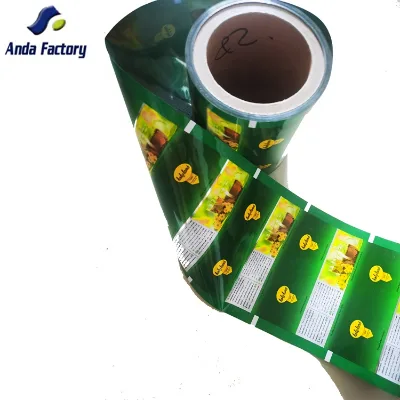


Best Printed Plastic Tomato Ketchup Bag Sauce Pouch Aluminum Foil Packing Bag
$0.03 - $0.05
MOQ: 10000 Pieces


Comprehensive Sourcing Guide
Strategic Sourcing Guide for HACCP Certified Tomato Sauce Pouches
Understanding the Technical Landscape of Sauce Packaging
When sourcing packaging for tomato sauce, the primary objective is to identify a vessel that maintains product integrity while adhering to strict food safety protocols. The core keyword, "HACCP Certified Tomato Sauce Pouch," directs attention to flexible packaging solutions specifically engineered for viscous, acidic, and perishable food items. Based on available market data, the technical profile of these products often centers on a "Spout Pouch" or "Stand up Pouch" configuration, categorized under the broader "Special Bag" or "Seal Bag" classifications. These formats are designed to accommodate the unique flow characteristics of tomato sauce, ensuring precise dispensing and minimizing waste.
The material composition is a critical technical differentiator. The supply chain frequently utilizes multi-layer composite structures to achieve the necessary barrier properties. Common raw material combinations observed in this sector include "Pet/Al/Ny/PE" and "Pet/Ny/PE," which provide robust protection against moisture and oxygen. For applications requiring higher thermal resistance, such as retort processing, materials like "Pet/PA/Al/CPP" are often specified. These layers work in tandem to prevent the migration of external contaminants while sealing in the flavor and freshness of the tomato product. The "Plastic Type" is frequently identified as Polyethylene or Polypropylene variants, often processed into "High Pressure Polyethylene Plastic Bag" forms or "Composite Packaging Bag" structures.
The physical specifications of the pouch are equally vital. The "Shape" is typically defined as a "Special Bag" or "Upright Bag," with a "Middle" size range being common for standard commercial applications. The "Bag Variety" often includes a "Spout Pouch" design, which facilitates easy pouring and reclosing. The "Sealing & Handle" mechanism is predominantly "Heat Seal," ensuring a hermetic closure that is essential for preventing leakage and maintaining sterility. The "Surface Handling" often involves "Hot Stamping" for branding, allowing for high-quality "Logo Printing" with up to "10 Colors Max" or fully customized color schemes. The final product weight is generally observed in the range of "1-1.5 Kg" per unit or carton, depending on the specific packing configuration.
Navigating Compliance and Certification Requirements
The term "HACCP certified" in the context of tomato sauce pouches refers to the supplier's adherence to the Hazard Analysis and Critical Control Points system, a globally recognized framework for food safety management. While the product itself is a packaging material, the certification implies that the manufacturing process has been audited to identify and control biological, chemical, and physical hazards. In the provided data, specific certifications listed include "HACCP," "FDA," "ISO," and "BRC." These are not merely marketing terms but represent verifiable standards that a buyer must request documentation for during the supplier evaluation phase.
Verifying these certifications requires a disciplined approach. Buyers should not assume that every listed product automatically satisfies these standards. Instead, the procurement process must involve a direct request for valid, current certificates from the supplier. The "FDA" certification indicates compliance with United States food and drug regulations, which is crucial for products entering the North American market. "ISO" standards, typically referring to ISO 9001 for quality management or ISO 22000 for food safety management, provide a baseline for operational consistency. "BRC" (British Retail Consortium) certification is a rigorous standard often required by major retailers in Europe and globally.
The "Standard" section of the product data notes "Custom Size Accepted" and "custom" specifications, which suggests that while the base material meets general safety standards, the final product configuration may vary. Buyers must ensure that any customization, such as specific wall thicknesses or barrier layers, does not compromise the certified status of the manufacturing facility. The "Storage Method" is listed as "Normal," but this must be interpreted in the context of the specific product's shelf-life requirements. For tomato sauce, which is acidic and prone to microbial growth if not sealed correctly, the integrity of the "Heat Seal" is a critical control point that must be validated during the certification audit.
Analyzing Cost Drivers and Pricing Structures
The cost of sourcing HACCP-certified tomato sauce pouches is influenced by a complex interplay of material costs, customization requirements, and order volume. The observed price range in the market spans from $0.01 to $600, a wide spectrum that reflects the diversity of product types, from simple sample units to bulk industrial orders. However, this range should not be viewed as a linear pricing model for a single transaction. The "Minimum Order Quantity" (MOQ) is a significant cost driver, with observed ranges from 1 to 20,000 units. The data specifically highlights an MOQ of "1000" for certain product lines, which is a common threshold for custom printing and specialized material runs.
Material costs are the primary variable in the pricing structure. The use of aluminum foil layers ("Al") in the "Pet/Al/Ny/PE" or "Pet/PA/Al/CPP" structures significantly increases the cost compared to all-plastic alternatives like "Polypropylene Plastic Bag." The thickness of these layers and the number of plies directly impact the raw material expense. Furthermore, the "Surface Handling" techniques, such as "Hot Stamping" and multi-color "Logo Printing," add to the production cost. The complexity of the "Design" and the number of colors used (up to 10) will influence the setup fees and per-unit pricing.
The "Product Packing" method also affects the final landed cost. Whether the pouches are packed in "PP Bags+Carton," "303030" boxes, or "Paper Packing" influences the volume efficiency and shipping costs. The "Weight" of the product, noted as "1-1.5 Kg," must be considered in logistics planning. Buyers should be aware that while the unit price may appear low, the total cost of ownership includes the MOQ commitment, tooling fees for custom molds, and shipping expenses. The "OEM" (Original Equipment Manufacturer) status being "Acceptable" suggests that buyers can negotiate pricing based on their specific branding needs, but this often requires a higher volume commitment to amortize the setup costs.
Typical Applications and Usage Scenarios
The versatility of HACCP-certified tomato sauce pouches extends beyond a single application, making them suitable for a wide array of food products. The data indicates that these pouches are designed for "Sauce Packets Packaging" but are equally applicable to "Jelly, Milk, Sugar, Sandwich, Cake, Bread, Snack," and "Cookies, Candy." This broad applicability stems from the robust barrier properties of the composite materials, which protect against moisture, oxygen, and light. The "Use" category explicitly lists "Cosmetic, Food," highlighting the dual potential of these packaging solutions for both edible and non-edible viscous products.
For tomato sauce specifically, the "Spout Pouch" and "Stand up Pouch" formats offer distinct advantages. The spout design allows for controlled dispensing, which is essential for restaurant kitchens and food service operations where precise portioning is required. The "Upright Bag" or "Doypack" style is ideal for retail environments, as it stands stably on shelves and offers a large surface area for branding and nutritional information. The "Style" of the packaging can be customized to "Cartoon" or other thematic designs, appealing to specific consumer demographics, such as families or children.
The "Processing" method for the contents, noted as "Concentrate," suggests that these pouches are suitable for concentrated tomato products that may require reconstitution or direct application. The "Retort Pouch" specification indicates that the packaging can withstand high-temperature sterilization processes, which is a critical requirement for shelf-stable tomato sauces. This capability ensures that the product remains safe for consumption over extended periods without refrigeration, provided the seal remains intact. The "Feature" list, including "Moisture Proof," "Recyclable," "Bio-Degradable," and "Disposable," aligns with the needs of modern consumers who are increasingly conscious of environmental impact and waste reduction.
Supplier Evaluation and Selection Criteria
Selecting a supplier for HACCP-certified tomato sauce pouches requires a rigorous evaluation process that goes beyond price comparison. The "Location" of the supplier, often cited as "China" or "China-Guangdong," is a relevant factor for logistics and lead times, but it should not be the sole determinant of quality. Buyers must prioritize suppliers who can demonstrate a proven track record in food-grade packaging manufacturing. The presence of certifications like "HACCP," "FDA," "ISO," and "BRC" is a prerequisite, but these must be verified through direct communication and document review.
The "Making Process" is another critical area of evaluation. Whether the supplier specializes in "Plastic Packaging Bags" or "Composite Packaging Bag" production affects their ability to meet specific barrier requirements. Suppliers with experience in "Hot Stamping" and multi-color printing are better equipped to handle complex branding needs. The "Customization" availability is a key differentiator; a supplier that offers "Custom Size Accepted" and "Custom" standards provides greater flexibility for unique product requirements. However, buyers must ensure that customization does not compromise the structural integrity or safety of the packaging.
The "OEM" status being "Acceptable" indicates that the supplier is willing to produce branded goods, but the extent of this service varies. Some suppliers may offer full design support, while others may only provide basic printing. The "Design" capability should be assessed to ensure the supplier can translate a buyer's vision into a functional and attractive package. Additionally, the "Bag Variety" options, such as "Spout Pouch" or "Upright Bag," should align with the buyer's specific distribution channels and consumer usage patterns.
Quality Control and Long-Term Procurement Considerations
Maintaining consistent quality in tomato sauce pouch procurement requires a robust quality control (QC) framework. The "Feature" list includes "Shock Resistance" and "Antistatic" properties, which are essential for protecting the product during transit and handling. Buyers should establish clear QC protocols that include visual inspections for seal integrity, dimensional checks for "Middle" size specifications, and testing for barrier performance. The "Standard" of "3.5g" or "200g*36 bags/ctn" provides a reference for weight and packing consistency, but these values should be validated against the specific needs of the product.
Long-term procurement considerations involve building a sustainable relationship with the supplier. The "Recyclable" and "Bio-Degradable" features suggest a growing market demand for eco-friendly packaging. Buyers should inquire about the supplier's commitment to sustainability and their ability to adapt to changing environmental regulations. The "Storage Method" of "Normal" implies standard warehousing conditions, but buyers must ensure that the packaging remains stable over time and does not degrade before use.
The "Lead Time" and "MOQ" are critical factors in supply chain planning. With an observed MOQ range of 1 to 20,000 and a specific mention of 1000 units, buyers must balance inventory costs with production flexibility. The "Product Packing" method, whether "PP Bags+Carton" or "Paper Packing," affects the efficiency of storage and distribution. A supplier that offers flexible packing options can help buyers optimize their logistics and reduce waste.
In conclusion, sourcing HACCP-certified tomato sauce pouches requires a comprehensive understanding of technical specifications, compliance requirements, cost drivers, and supplier capabilities. By focusing on the verified data points and maintaining a disciplined approach to evaluation, buyers can secure high-quality packaging solutions that meet the demands of the food industry while ensuring safety and sustainability.
Comparative Analysis of Packaging Specifications
To facilitate a clearer understanding of the different packaging options available, the following table summarizes the key specifications observed in the market for tomato sauce pouches. This comparison highlights the variations in material, shape, and certification that buyers should consider during the selection process.
| Specification Category | Option A: Spout Pouch | Option B: Stand Up Pouch | Option C: Retort Pouch |
|---|---|---|---|
| Primary Shape | Special Bag / Spout Pouch | Upright Bag / Stand up Pouch | Seal Bag / Plastic Bags |
| Typical Material | Pet/Al/Ny/PE, Pet/Ny/PE | Polypropylene Plastic Bag | Pet/PA/Al/CPP |
| Sealing Method | Heat Seal | Heat Seal | Heat Seal |
| Key Features | Moisture Proof, Recyclable, Bio-Degradable | Moisture Proof, Recyclable, Disposable | Moisture Proof, Shock Resistance |
| Certification | HACCP, FDA, ISO, BRC | HACCP, FDA, ISO, BRC | HACCP, FDA, ISO, BRC |
| Customization | Custom Size Accepted | Custom Size Accepted | Custom Size Accepted |
| Usage | Sauce, Jelly, Milk | Cookies, Candy, Snack | Concentrate, Food |
| Packing | PP Bags+Carton | 303030 | Paper Packing |
| Origin | China | China-Guangdong | China |
This table serves as a reference for buyers to compare the attributes of different pouch types. It is important to note that while these categories represent common market offerings, the actual specifications of any specific product may vary based on the supplier's capabilities and the buyer's unique requirements. Buyers should always verify the details against the supplier's technical data sheets and certification documents before making a final procurement decision.
FAQs
What certifications do HACCP certified tomato sauce pouches have?
These pouches typically hold HACCP, FDA, ISO, and BRC certifications. Buyers must verify current documents directly with the supplier to ensure the manufacturing process meets global food safety standards for barrier protection and contamination control.
Which materials are used for these sauce packaging bags?
Common materials include Pet/Al/Ny/PE, Pet/Ny/PE, and Pet/PA/Al/CPP structures. These multi-layer composites provide essential moisture proof and oxygen barrier properties required for preserving tomato sauce freshness and shelf stability.
Can I customize the size and design of the pouches?
Yes, custom sizes and designs are accepted with up to ten colors or full customization. Suppliers offer logo printing and hot stamping services, though minimum order quantities of 1000 units often apply for these tailored production runs.
How are the pouches sealed and what is the MOQ?
The pouches utilize heat seal mechanisms for hermetic closure to prevent leakage. The minimum order quantity is generally 1000 units, with options for spout pouches or stand-up bags depending on the specific product model required.
What are the storage and usage conditions for these bags?
Storage is normal, and the bags are suitable for food and cosmetic applications. They are designed for items like jelly, milk, and snacks, featuring shock resistance and antistatic properties to protect contents during transit and handling.