Source Hair Care Sodium Cocoyl Isethionate for Cosmetics
Find and compare 30 listings for Hair Care Sodium Cocoyl Isethionate from Chinese manufacturers. Evaluate purity grades, packaging options, and delivery times to select the right surfactant for your formulation needs.
Key considerations
Products List


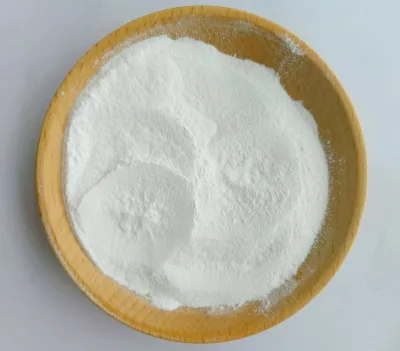


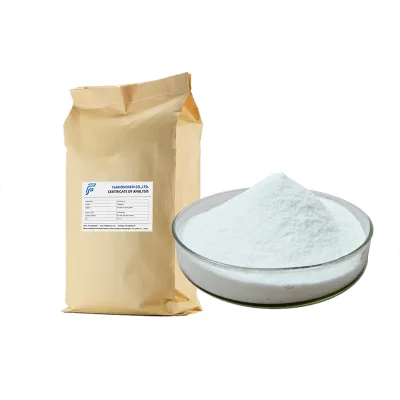




Sodiumlaurylsulfate Haircarechemicals in Shampoo Cosmetics Detergents SLS
$1340.00 - $1360.00
MOQ: 48 Tons



Comprehensive Sourcing Guide
Hair Care Sodium Cocoyl Isethionate Sourcing Guide
Sourcing sodium cocoyl isethionate (SCI) for hair care formulations requires a disciplined approach to verifying chemical identity, purity, and physical form. This surfactant is widely recognized for its mildness and ability to produce rich, stable foam, making it a critical ingredient in solid shampoo bars, liquid shampoos, and body washes. Buyers must navigate a market where product attributes vary significantly between suppliers, particularly regarding particle size, moisture content, and active matter percentage. The following guide outlines the essential verification steps, compliance requirements, and commercial considerations necessary to secure a reliable supply chain for this high-value raw material.
Procurement decisions should be grounded in a clear understanding of the observed market signals and technical specifications available from potential suppliers. While the core chemical identity remains consistent, variations in manufacturing processes lead to differences in appearance, such as powder versus flake forms, and distinct purity grades. This guide focuses on evidence-based verification methods, ensuring that buyers can confidently assess supplier claims against observable facts and trusted industry standards. By prioritizing rigorous documentation review and sample testing, procurement teams can mitigate risks associated with inconsistent product quality and regulatory non-compliance.
Product Scope and Observed Listing Signals
The market for sodium cocoyl isethionate presents a wide range of product listings, with observed prices varying from $1 to $2,100 USD and minimum order quantities (MOQs) ranging from 1 unit to 500 tons. This disparity reflects differences in packaging formats, purity levels, and supplier scale. Some listings indicate a standard MOQ of 1 ton, suggesting that smaller trial orders are feasible for quality assessment, while others may require larger commitments. Buyers should carefully evaluate the unit price relative to the packaging size, as costs can fluctuate significantly between bulk drum shipments and smaller carton packages. Understanding these commercial signals helps in budgeting and determining the feasibility of initial procurement trials.
Product attributes observed in listings include variations in appearance, with some suppliers offering white powder while others provide flakes or granules. The chemical identity is often confirmed by CAS No. 61789-32-0 and EINECS No. 263-052-5, which are critical for regulatory compliance and inventory management. Additionally, the molecular formula C2Na6O47S20 is frequently cited, though buyers should verify this against the specific grade being purchased. Packaging options range from standard 25kg bags or drums to custom configurations based on customer requirements. These variations in physical form and packaging directly impact handling, storage, and integration into existing manufacturing processes, making them key factors in supplier selection.
Technical Specifications to Verify
Purity is a primary technical specification that varies across suppliers, with observed grades ranging from general industrial grade (between 90% and 99%) to specific minimums such as 85% or higher. Cosmetic grade products are often required for hair care applications to ensure safety and efficacy, so buyers must verify that the supplier’s product meets the appropriate purity threshold for their formulation. The pH value of a 10% aqueous solution is another critical parameter, with observed ranges between 4.0 and 7.5, indicating mildness suitable for skin and hair contact. Buyers should request detailed technical data sheets (TDS) to confirm these values, as deviations can affect the stability and performance of the final cosmetic product.
Physical characteristics such as color, appearance, and particle size also require verification. Observed attributes include white powder, flakes, or granules, with some suppliers offering customization options for particle size to suit specific processing equipment. The shelf life of the product is typically listed as two years, provided it is stored in a cool, dry place to prevent degradation or moisture absorption. Buyers should also check the single package size and gross weight, which can impact logistics and storage planning. For instance, observed single package sizes range from 20x20x20 cm to 40x20x40 cm, influencing how the product is handled and stored in the warehouse.
Compliance and Safety Documentation
Safety Data Sheets (SDS) and Material Safety Data Sheets (MSDS) are essential documents that must be provided by suppliers to ensure compliance with occupational health and safety regulations. These documents detail the handling, storage, and emergency measures for sodium cocoyl isethionate, providing critical information for safe procurement and usage. Buyers should verify that the MSDS is up-to-date and aligns with the specific grade and formulation of the product being purchased. Additionally, Certificates of Analysis (COA) should be reviewed to confirm that the product meets the specified purity and quality standards, ensuring consistency across batches.
Regulatory compliance extends beyond safety documentation to include certifications such as TDS and other relevant quality assurances. Suppliers may offer free samples for testing, which is a valuable opportunity to verify product quality before committing to larger orders. Buyers should also check for any additional certifications or standards that may be required by their target markets, such as REACH or FDA compliance. The origin of the product, whether from Anhui or Shandong in China, may also influence regulatory requirements and supply chain transparency. Ensuring that all documentation is complete and accurate is crucial for maintaining compliance and avoiding disruptions in the supply chain.
Cost Drivers and Commercial Terms
The cost of sodium cocoyl isethionate is influenced by several factors, including purity level, packaging format, and order volume. Higher purity grades, such as cosmetic grade, typically command a premium price compared to industrial grades. Buyers should consider the total cost of ownership, which includes not only the unit price but also shipping, handling, and storage costs. Packaging options such as drums or cartons can affect these costs, with larger packages often offering economies of scale. Understanding these cost drivers helps in negotiating favorable terms and optimizing procurement budgets.
Commercial terms such as lead time and delivery conditions are also critical considerations. Observed delivery times range from 7 to 15 days, which can impact production scheduling and inventory management. Buyers should clarify these terms with suppliers to ensure they align with their operational needs. Additionally, customization options, such as specific packaging or product forms, may incur additional costs or affect lead times. It is important to establish clear communication with suppliers regarding these terms to avoid misunderstandings and ensure smooth transactions. Flexibility in commercial terms can also provide opportunities for cost savings and improved supply chain efficiency.
Supplier Qualification and Quality Control
Supplier qualification is a vital step in ensuring the reliability and consistency of sodium cocoyl isethionate supplies. Buyers should assess suppliers based on their production capabilities, quality control processes, and track record in the industry. Visiting manufacturing facilities or conducting virtual audits can provide insights into the supplier’s operational standards and commitment to quality. Additionally, reviewing past customer feedback and case studies can help gauge the supplier’s reputation and reliability. Establishing a strong relationship with qualified suppliers is essential for maintaining a stable supply chain and ensuring product quality.
Quality control measures should be implemented throughout the procurement process, from sample testing to batch verification. Buyers should request samples to test the product’s performance in their formulations, verifying parameters such as purity, pH, and foam stability. Regular quality audits and inspections of incoming shipments can help identify any deviations from specifications early on. Implementing a robust quality control system ensures that only products meeting the required standards are used in production, minimizing the risk of defects or recalls. Continuous monitoring and feedback with suppliers can also drive improvements in product quality and service.
Long-Term Procurement Checks
Long-term procurement success depends on regular reviews of supplier performance and market trends. Buyers should establish key performance indicators (KPIs) to monitor supplier reliability, product quality, and delivery consistency. Regular performance reviews can help identify areas for improvement and strengthen the supplier relationship. Additionally, staying informed about market trends and technological advancements in surfactant production can provide opportunities for cost savings and product innovation. Engaging with industry networks and attending trade shows can also offer valuable insights and networking opportunities.
Risk management is another critical aspect of long-term procurement. Buyers should develop contingency plans to address potential supply chain disruptions, such as raw material shortages or logistical challenges. Diversifying the supplier base can mitigate risks associated with relying on a single source. Regularly updating safety and compliance documentation ensures that the procurement process remains aligned with evolving regulatory requirements. By proactively managing risks and maintaining strong supplier relationships, buyers can secure a stable and efficient supply of sodium cocoyl isethionate for their hair care products.
FAQs
What is the appearance of Hair Care Sodium Cocoyl Isethionate?
The product appears as a white powder, flake, or granule. This physical form is standard for cosmetic grade materials used in daily care applications and hair care chemicals.
Can I get free samples of this surfactant?
Free samples are available for this product. Buyers can request these samples to verify quality before placing larger orders for cosmetic raw materials or detergent applications.
What is the minimum order quantity for this chemical?
The minimum order quantity is one ton. This threshold applies to industrial grade purchases where purity ranges between 90% and 99% for general industrial use.
How long does delivery take for this raw material?
Delivery typically takes between 7 to 15 days. This lead time applies to standard packaging options like drums or cartons shipped from the origin locations.
Which certifications are provided for this surfactant?
The product comes with MSDS, COA, and TDS certifications. These documents verify safety and quality for use in hair care chemicals and oral care formulations.
What is the shelf life of this powder?
The shelf life is two years when stored correctly. Buyers should keep the product in a cool, dry place to maintain its integrity as a cosmetic raw material.
Can the packaging be customized for my needs?
Customization is supported for packaging requirements. Options include standard drums, cartons, or specific customer requirements for 25kg bags or other configurations.