Source Hair Care Cocamide Mea for Cosmetics, Detergents, and Industry
Find 30 verified suppliers of hair care cocamide mea for cosmetic raw materials, detergent formulations, and industrial applications. Compare specifications including purity levels, packaging options, and certifications to identify the right chemical grade for your manufacturing needs; compare the available evidence and request quotations based on your requirements.
Key considerations
Products List









Comprehensive Sourcing Guide
Hair Care Cocamide Mea Sourcing Guide
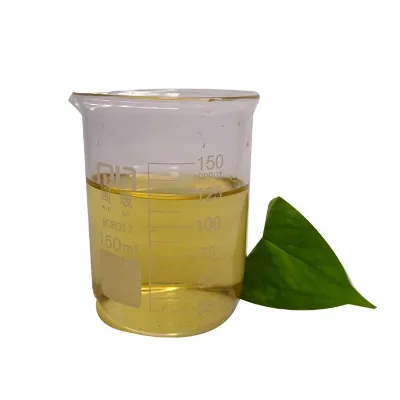
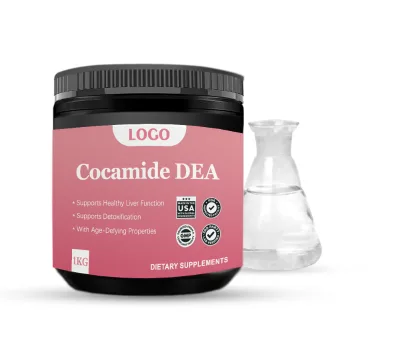
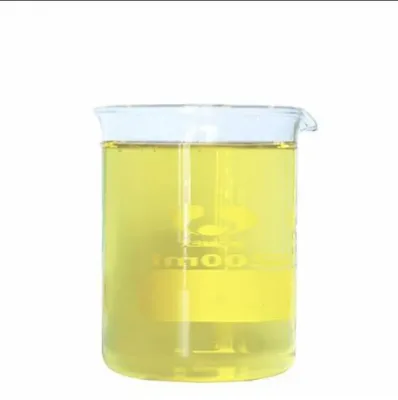
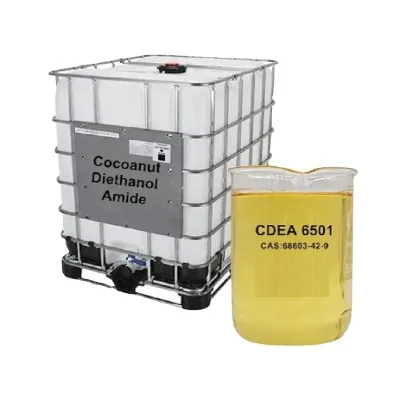
Procuring hair care cocamide mea requires distinguishing between specific chemical variants, as market listings often conflate Cocamide MEA with related diethanolamides. Buyers must verify the exact active ingredient, noting that some suppliers list "Cocamide DEA" or "CMEA-B" alongside the target compound. The observed product data indicates a range of forms, including powders and yellowish liquids, which directly impacts formulation compatibility and storage requirements for cosmetic manufacturers.
When evaluating listings, attention must be paid to the stated purity and physical appearance, as these attributes vary significantly between industrial and cosmetic grades. While some entries specify a purity of 99%, others list ranges like 80% to 90% for similar chemical names. This discrepancy necessitates a rigorous review of the product name and model number to ensure the specific molecule required for the hair care application is being sourced, rather than a substitute with different surfactant properties.
Product Scope and Observed Listing Signals
The market for this category presents a mix of product identities, including items labeled as "DEA CAS 68140-00-1" and others identified as "Cocamide DEA" or "coconut diethanolamide." Buyers should scrutinize the model numbers, such as ASRN-cocamide mea or GTD-ceda, to confirm the specific chemical structure. The presence of multiple names like "CMEA-B" and "Cocamide Methyl MEA" suggests that suppliers may use varying nomenclature for the same or closely related substances, requiring careful cross-referencing with the CAS number.
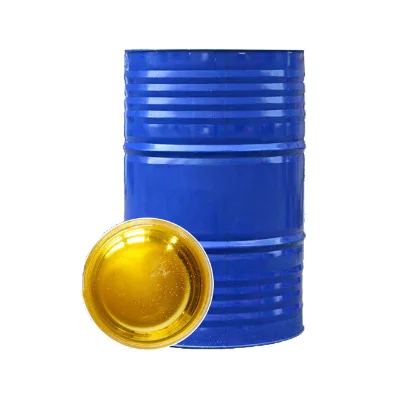
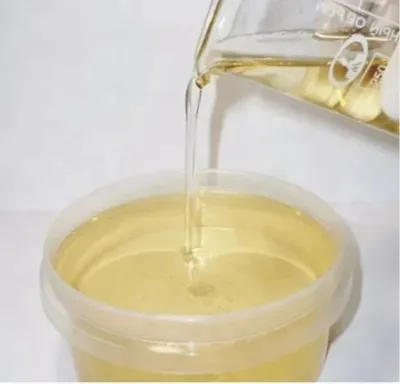
Physical attributes observed in listings include yellowish liquids and powders, with packaging options ranging from 25 kg bags to 200 kg drums. These variations in form and packaging indicate different supply chain capabilities and potential applications within the industry. Procurement teams must align the observed appearance and shape with their specific manufacturing processes, as a powder form may require different handling and dissolution protocols compared to a liquid concentrate intended for direct blending.
Technical Specifications to Verify
Verification of the molecular formula and CAS number is the primary technical step to ensure chemical identity. The supplied data highlights CAS No. 68140-00-1 and MF C14H29NO2 as critical identifiers for the target compound. Buyers must confirm that the supplier's documentation matches these exact specifications, as even minor deviations in the molecular structure can alter the surfactant's performance in hair care formulations.
Purity levels and grade standards are equally critical, with observed listings ranging from 99% purity to 80-90% ranges. The distinction between Industrial Grade and cosmetic grade materials must be explicitly confirmed, as the latter often requires stricter impurity controls. Additionally, the shelf life of two years and storage requirements for a cool, dry place must be validated against the supplier's logistics capabilities to prevent degradation during transit and storage.
Compliance and Safety Documentation
Regulatory compliance is a non-negotiable aspect of sourcing, with certifications such as ISO, KOSHER, GMP, and HALAL appearing in various listings. Buyers should request current certificates of analysis and compliance documentation that specifically cover the batch being supplied. The presence of multiple certifications suggests that some suppliers cater to diverse market requirements, but the buyer must ensure the specific certification aligns with the regulatory standards of the destination market.
Safety data sheets and EINECS numbers, such as 268-770-2, are essential for regulatory clearance and safety assessments. These documents provide the necessary information for handling, storage, and disposal, which is vital for maintaining workplace safety and environmental compliance. Procurement teams must verify that the safety documentation is up-to-date and corresponds to the exact product variant, as chemical safety profiles can differ significantly between related compounds.
Cost Drivers and Commercial Terms
Pricing in this sector is influenced by the observed wide range of unit costs, from low-value items to high-cost specialized batches. The minimum order quantity (MOQ) varies drastically, with some listings offering 1 kg samples while others require 1000 kg bulk orders. Buyers must balance their volume needs against the cost per unit, understanding that smaller MOQs often carry a premium price due to the logistical complexity of handling smaller batches.
Lead times and shipping terms also play a significant role in the total cost of ownership. While some suppliers indicate shipping within 15 days, others may have different lead times depending on the customization level and stock availability. The choice between single item selling units and bulk packaging like 25 kg drums or 200 kg drums will impact both the initial capital outlay and the ongoing inventory management costs for the buyer.
Supplier Qualification and Quality Control
Supplier qualification should focus on the consistency of their product specifications and the reliability of their quality control processes. The observed data shows a mix of brands, including Ausreson and G-chemical, but the buyer must assess the supplier's ability to maintain consistent purity and appearance across batches. Customization availability is a key factor, as some suppliers offer tailored solutions while others provide standard industrial grade products.
Quality control measures, such as HPLC and UV testing, are critical for verifying the chemical composition of the received goods. Buyers should require test reports that confirm the active ingredient content and the absence of unwanted impurities. The ability of the supplier to provide samples, as noted in the listings, allows for pre-shipment verification, ensuring that the product meets the required technical and safety standards before committing to a large order.
Long-Term Procurement Checks
Establishing a long-term relationship requires regular audits of the supplier's production capabilities and adherence to agreed-upon standards. The variability in product forms and grades observed in the market suggests that continuous monitoring is necessary to ensure that the supplier does not inadvertently switch to a different chemical variant or grade without notification. Consistent communication regarding changes in raw material sources or manufacturing processes is essential for maintaining product integrity.
Supply chain resilience is another critical factor for long-term procurement success. Buyers should evaluate the supplier's ability to maintain stock levels and manage lead times during periods of high demand or logistical disruptions. The location of the supplier, often noted as China or specific regions like Shaanxi, should be considered in the context of geopolitical stability and shipping reliability to mitigate potential risks to the supply chain.
FAQs
What is the purity level of hair care cocamide mea?
The purity level of hair care cocamide mea is typically 99%. This high concentration ensures effective performance in cosmetic formulations. Buyers should verify specific batch certificates to confirm exact percentages. The product is available in various grades, including industrial and cosmetic standards, to meet diverse manufacturing requirements.
How is hair care cocamide mea packaged for shipment?
Hair care cocamide mea is packaged in 25 kg bags or 200 kg drums. These containers ensure safe transport and storage of the chemical. The packaging is designed to maintain product integrity during transit. Buyers can select specific packaging types based on their logistical needs and storage capacity requirements for bulk industrial applications.
Can I request samples of hair care cocamide mea before bulk ordering?
Yes, samples of hair care cocamide mea are available for evaluation. This allows buyers to test quality and compatibility before committing to large orders. Sample availability supports informed purchasing decisions. Buyers should contact suppliers directly to arrange sample requests and discuss shipping terms for these initial evaluation units.
What certifications are available for hair care cocamide mea?
Hair care cocamide mea can be certified with ISO, KOSHER, GMP, ISO9001, and HALAL standards. These certifications ensure compliance with international quality and safety regulations. Buyers requiring specific certifications should verify availability with suppliers. Certified products are essential for meeting regulatory requirements in various global markets and industries.
What is the shelf life of hair care cocamide mea?
The shelf life of hair care cocamide mea is two years when stored correctly. It should be kept in a cool, dry place to maintain stability. Proper storage conditions prevent degradation and ensure product efficacy. Buyers should check expiration dates upon receipt and adhere to recommended storage guidelines to maximize product longevity.
Where is hair care cocamide mea typically manufactured?
Hair care cocamide mea is typically manufactured in China, including regions like Shaanxi. Chinese suppliers offer competitive pricing and extensive production capabilities. Buyers can source from various locations within China. The place of origin may vary by supplier, so verifying specific manufacturing locations is recommended for quality assurance and logistics planning.