Source Hair Claw Clip for Travel, Salon, and Home Use
Find and compare 30 Hair Claw Clip options from China, featuring plastic and metal materials in gold, black, and white. These fashion accessories are suitable for ladies and girls, offering customization and OEM services for daily use and special occasions.
Key considerations
Products List


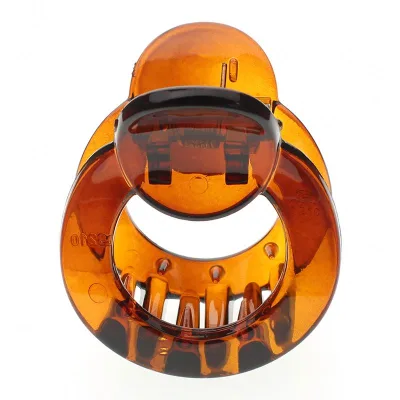
Women Hair Clip Girls Candy Colors Frosted Plastic Butterfly Hair Claw Clip
$0.80 - $0.89
MOQ: 20 pieces



Comprehensive Sourcing Guide
Hair Claw Clip Sourcing Guide
Sourcing hair claw clips requires a nuanced understanding of the intersection between aesthetic fashion trends and functional mechanical design. These accessories serve as essential tools for securing hair in various styles, ranging from casual daily wear to professional salon applications. The market offers a diverse array of options, including plastic and metal variants, with designs that span from simple functional clips to ornate floral shapes. Buyers must navigate a landscape where customization, material quality, and aesthetic appeal are equally critical to product success.
The procurement process involves evaluating multiple variables, including material composition, size specifications, and packaging requirements. Suppliers often provide OEM services, allowing for custom logos and designs, which is vital for brands seeking to differentiate their offerings. Understanding the specific attributes of each product, such as color options, shape, and intended user demographic, is crucial for aligning inventory with market demand. This guide provides a structured approach to evaluating suppliers and products in this category.
Product Scope and Observed Listing Signals
The current market for hair claw clips encompasses a wide range of products designed for different user groups and occasions. Listings indicate suitability for travel, salon use, and home environments, with a primary target audience of ladies and girls. The products are categorized under types such as hair claws and hair clips, with functions ranging from modeling and fixing hair to general hair decoration. The observed product count suggests a robust supply base, with listings highlighting features like fashion styles, whole-year seasonality, and daily use occasions.
Material composition is a key differentiator, with products available in both plastic and metal constructions. Specific models identified include the MZ-0010, alloy hair claw, JMBAMBOO, and JMHCC001, each potentially offering distinct aesthetic and functional properties. Colors observed range from gold and black to white, with some listings offering many color options to suit diverse preferences. The design elements often include floral shapes or fashion-forward aesthetics, catering to the decorative aspect of hair accessories while maintaining their primary function of securing hair.
Technical Specifications to Verify
Verifying technical specifications is essential to ensure the product meets quality and usability standards. Buyers should confirm the exact dimensions of the clips, as observed standards include sizes such as 774cm, 10cm, 8cm, 8.5*4.5cm, and 10.5cm. The size of the clip directly impacts its functionality, with larger claws suitable for thick or voluminous hair and smaller clips ideal for fine hair or specific styling needs. Ensuring that the specified dimensions align with the intended use case is critical for customer satisfaction.
Material quality and construction details must also be rigorously checked. For plastic clips, buyers should assess the durability and flexibility of the material, while for metal clips, the finish and resistance to corrosion are important factors. The packaging specifications, such as OPP bags, OPP bags with cards, or outer cartons, play a role in both product protection and retail presentation. Additionally, the origin of the products, often cited as China or specifically Yiwu City, Zhejiang Province, can influence logistics and supply chain dynamics.
Compliance and Safety Documentation
While specific certification statuses are not explicitly detailed in the provided listings, buyers must ensure that all hair accessories comply with relevant safety standards in their target markets. This includes verifying that materials used, particularly plastics and metals, are free from harmful substances such as lead, phthalates, or other heavy metals. For products intended for children or sensitive skin, additional safety checks may be necessary to ensure compliance with local regulations regarding small parts and chemical composition.
Documentation should also cover the manufacturing processes and quality control measures implemented by the supplier. Buyers should request information on how the products are tested for durability and functionality, such as the strength of the clip mechanism and the resistance of the color finish to fading or chipping. Although specific test results are not provided, understanding the supplier’s approach to quality assurance is vital for mitigating risks associated with product defects or safety issues.
Cost Drivers and Commercial Terms
The cost of hair claw clips is influenced by several factors, including material type, design complexity, and order volume. Observed price ranges vary, reflecting differences in quality and customization options. Minimum Order Quantities (MOQs) typically range from 20 to 10,000 units, offering flexibility for both small-scale buyers and large retailers. Understanding the MOQ requirements is crucial for inventory planning and cash flow management, as higher volumes often result in lower per-unit costs.
Commercial terms such as sample availability and shipping methods also impact the overall procurement strategy. Samples are often available, with sample times ranging from 3 to 10 days, and some suppliers offer free samples to facilitate product evaluation. Shipping options include sea, air, and express delivery, each with different cost and time implications. Buyers should consider these factors when calculating the total landed cost and determining the most efficient logistics strategy for their business.
Supplier Qualification and Quality Control
Evaluating supplier qualifications is a critical step in the sourcing process. Buyers should verify the supplier’s experience in manufacturing hair accessories and their ability to meet customization requests, such as OEM services and custom logos. The availability of customization options indicates a supplier’s flexibility and capacity to adapt to specific brand requirements. Additionally, checking the supplier’s export markets and global reach can provide insights into their experience with international trade and compliance.
Quality control measures should be clearly defined and agreed upon before placing orders. Buyers should establish clear criteria for product acceptance, including checks for material defects, color consistency, and functional integrity. Implementing a robust quality control process, such as pre-shipment inspections or third-party audits, can help ensure that the products meet the specified standards. Clear communication with the supplier regarding quality expectations is essential to avoid discrepancies and ensure customer satisfaction.
Long-Term Procurement Checks
Establishing long-term relationships with reliable suppliers is key to sustainable procurement. Buyers should regularly review supplier performance, including on-time delivery, product quality, and responsiveness to issues. Continuous monitoring of market trends and consumer preferences can help in adjusting product offerings and maintaining competitiveness. Staying informed about changes in material costs, regulatory requirements, and shipping dynamics is also important for proactive supply chain management.
Regularly updating product specifications and designs based on customer feedback and market analysis can drive growth and customer loyalty. Buyers should also consider diversifying their supplier base to mitigate risks associated with single-source dependencies. Building a network of trusted suppliers allows for greater flexibility in sourcing and the ability to respond quickly to changes in demand or supply chain disruptions. Long-term success in this category depends on maintaining high standards of quality and service while adapting to evolving market conditions.
FAQs
What materials are used for hair claw clips?
Hair claw clips are primarily manufactured from plastic and metal materials. These materials provide the necessary durability and flexibility for holding hair securely. Some designs feature fashion styles with specific shapes like flowers. The choice of material often influences the clip's weight and aesthetic appeal for daily use or salon settings.
Can I customize the logo on hair claw clips?
Yes, customization is available for hair claw clips. Buyers can request custom logos to be printed or embossed on the product. This service supports branding needs for businesses. The customization options allow for unique design elements that align with specific market trends or corporate identity requirements for global export markets.
What is the typical sample time for hair claw clips?
The sample time for hair claw clips typically ranges from 3 to 10 days. Some suppliers offer free samples to help buyers evaluate quality before placing bulk orders. This timeframe allows for quick assessment of product features like color, size, and packaging. It ensures that buyers can verify the product meets their specific requirements efficiently.
How are hair claw clips packaged for shipping?
Hair claw clips are commonly packaged in OPP bags, sometimes with cards. Bulk shipments may use outer cartons for protection. Each piece is often packed individually to prevent damage during transit. This packaging method ensures the products remain clean and organized, facilitating easy distribution to salons, homes, or retail stores across global markets.
Which sizes are available for hair claw clips?
Hair claw clips come in various sizes, including standard dimensions like 8 cm, 8.5 cm, and 10.5 cm. Some models are described as free size or suitable for women and girls. The size selection depends on the specific design and intended usage. Buyers can choose sizes that best fit their target audience's hair volume and styling preferences.
Where are hair claw clips typically manufactured?
Hair claw clips are typically manufactured in China, with specific origins in Yiwu City, Zhejiang Province. This region is known for its extensive production capabilities and export infrastructure. Products from this area are exported globally, serving diverse markets. The manufacturing location ensures access to raw materials and efficient logistics for international buyers seeking reliable supply chains.