Source Hair Clippers for Salon, Home, and Travel Use
Explore 30 verified Hair Clippers from Chinese manufacturers with customizable options. Buyers can compare models like LD6012 and BOLF999, checking battery life, voltage, and packaging details to find the right supplier for salon, home, or travel needs; compare the available evidence and request quotations based on your requirements.
Key considerations
Products List


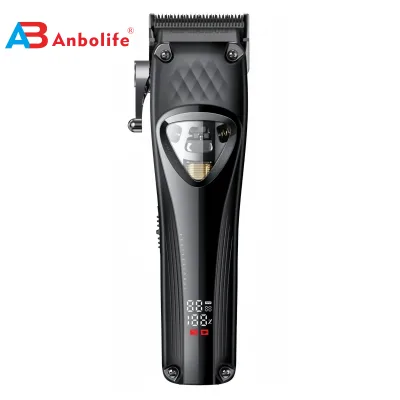
Factory Price Professional Hair Clippers, Low Noise Men's Hair Clippers
$6.40 - $10.50
MOQ: 1199 Pieces


Trimmer Hair Clipper Men Metal Electric Professional Barber Hair Salon Clippers
$4.05 - $4.35
MOQ: 1000 Pieces


Comprehensive Sourcing Guide
Hair Clippers Sourcing Guide
Product Scope and Observed Listing Signals
The current market landscape for Hair Clippers reveals a diverse array of models designed for varied professional and personal needs. Buyers will encounter specific product identifiers such as LD6012, LD5082, and BOLF999, each representing distinct configurations in terms of power supply and customization options. The observed listings indicate a strong emphasis on electric power sources, with some models supporting corded operation while others rely on lithium batteries. This variety allows procurement teams to select units that align with specific operational requirements, whether for high-volume salon use or portable travel scenarios.
Color customization is a prevalent feature, with many suppliers offering tailored color options to meet brand identity requirements. The presence of both unisex and men-specific designs suggests a broad target audience, enabling buyers to cater to different demographic segments. Additionally, the availability of gift box packaging alongside standard carton options highlights the importance of presentation in the final product delivery. This flexibility in packaging and design supports both direct-to-consumer sales channels and bulk commercial distribution, ensuring that the aesthetic appeal matches the intended market positioning.
Technical Specifications to Verify
Technical verification begins with understanding the power and battery specifications that define operational efficiency. Models like BOLF237 and BOLF367 highlight the importance of blade material, with stainless steel being a common choice for durability and hygiene. Battery capacity varies significantly, with some units featuring 600mAh cells while others offer 1200mAh for extended runtime. Buyers must carefully review charging times, which range from approximately two hours to longer durations, to ensure that the equipment can keep pace with daily usage demands without excessive downtime.
Voltage and power consumption are critical factors for global deployment, especially when considering wide voltage compatibility. Some specifications indicate support for 100-240V inputs at 50/60Hz, which is essential for international distribution. Power ratings typically range from 3W to 10W, influencing both energy efficiency and cutting performance. Additionally, the inclusion of USB Type-C ports in certain models reflects a modern trend toward convenient charging solutions. Procurement teams should verify these electrical parameters against the target market’s infrastructure to prevent compatibility issues and ensure consistent performance across different regions.
Compliance and Safety Documentation
Safety compliance is paramount when sourcing electrical grooming devices, particularly those intended for close contact with the skin. Buyers must ensure that all products meet the relevant electrical safety standards for their destination markets, including requirements for insulation, grounding, and leakage current. While specific certification marks are not detailed in the provided data, it is standard practice to request test reports from accredited laboratories to verify compliance with regional regulations. This due diligence helps mitigate liability risks and ensures that the products are safe for end-users.
Documentation should also cover material safety, particularly regarding the plastics and metals used in construction. The use of ABS for body materials and stainless steel for blades is common, but buyers should verify that these materials are free from harmful substances such as lead or phthalates. Additionally, packaging materials should comply with environmental regulations in the target market. Requesting material safety data sheets (MSDS) and declarations of conformity from suppliers is a crucial step in the procurement process, providing legal protection and ensuring that the products meet all health and safety requirements.
Cost Drivers and Commercial Terms
Cost structures in the hair clipper market are influenced by several key factors, including customization levels, packaging complexity, and order volume. The observed minimum order quantities (MOQs) range from 1 to 5000 pieces, allowing for flexibility in initial procurement strategies. Higher customization, such as specific color schemes or branded packaging, typically incurs additional costs and may require higher MOQs. Buyers should negotiate terms that balance these variables to optimize their total cost of ownership, considering both unit price and logistical expenses.
Packaging details also play a significant role in determining shipping costs and storage requirements. Standard carton sizes and package details, such as 100 pieces per carton, impact logistics efficiency. Buyers should analyze the dimensional weight of shipments to estimate freight costs accurately. Furthermore, commercial terms regarding payment methods, lead times, and warranty provisions should be clearly defined in contracts. Understanding these commercial dynamics helps in forecasting budgets and managing cash flow effectively throughout the procurement cycle.
Supplier Qualification and Quality Control
Supplier qualification involves assessing the manufacturing capabilities and quality management systems of potential partners. Given that many products originate from Zhejiang, China, buyers should verify the supplier’s production capacity and consistency in meeting specifications. Quality control processes should include incoming material inspections, in-process checks, and final random inspections before shipment. Establishing clear quality acceptance criteria, such as acceptable defect rates and performance benchmarks, is essential for maintaining product standards.
Collaborative quality assurance efforts can significantly reduce the risk of receiving non-conforming goods. Buyers should consider implementing pre-shipment inspections or third-party auditing services to verify that the products meet agreed-upon specifications. Communication channels should be established to address any quality issues promptly. Additionally, evaluating the supplier’s responsiveness and ability to handle custom orders is crucial for long-term partnerships. A robust supplier qualification process ensures that the procurement team can rely on consistent quality and timely delivery.
Long-Term Procurement Checks
Long-term procurement success depends on continuous monitoring of supplier performance and market trends. Regular reviews of product quality, delivery times, and customer feedback help identify areas for improvement. Buyers should maintain open communication with suppliers to address any emerging issues and adapt to changing market demands. Staying informed about technological advancements in hair clipper design, such as improved battery life or new blade materials, can provide competitive advantages.
Sustainability and regulatory changes also require ongoing attention. Buyers should periodically reassess their suppliers’ compliance with environmental and safety regulations to ensure continued adherence to legal requirements. Building a diversified supplier base can mitigate risks associated with single-source dependencies. By implementing a structured approach to long-term procurement checks, organizations can maintain high standards of quality and reliability, ensuring that their hair clipper offerings remain competitive and compliant in the evolving marketplace.
FAQs
What customization options are available for Hair Clippers?
Customization is available for Hair Clippers with options for customized colors and specific product models. Buyers can request tailored specifications to meet unique branding needs while maintaining standard packaging and origin from Zhejiang, China.
Which power supply types are used for these Hair Clippers?
These Hair Clippers utilize electric power sources, including corded options and USB cord charging. Some models feature lithium batteries with specific capacities like 600mAh or 1200mAh to ensure reliable operation during travel or salon use.
What is the minimum order quantity for purchasing Hair Clippers?
The minimum order quantity varies between 1000 and 3000 pieces depending on the specific product model selected. Buyers should verify the exact MOQ for models like LD6012 or BOLF999 before finalizing their procurement strategy.
How long does it take to charge the battery on these clippers?
Charging time typically ranges from about 120 minutes to 2 hours for most models. Once fully charged, the devices offer working times of approximately 90 minutes to 3 hours depending on the specific battery capacity and usage.
Can I find Hair Clippers with specific blade materials?
Yes, Hair Clippers are available with stainless steel blades for durability and precision. These materials ensure long-lasting performance for cutting, modeling, and fixing hair in various settings including home, salon, and travel environments.
What packaging details are provided for bulk orders of Hair Clippers?
Packaging includes standard cartons with specific dimensions like 49*25*55.5CM or 41.5x35.5x47cm. Some models come in gift boxes, while bulk orders may contain 16 to 100 pieces per carton depending on the product type.
Which voltage standards do these Hair Clippers support?
The devices support wide voltage ranges from 100-240V or 110-240V at 50/60Hz. This ensures compatibility with global power grids, making them suitable for international trade and diverse electrical environments without additional adapters.