Source Halal Bergamot Extract for cosmetics, flavoring, and aromatherapy
Compare 30 listings for Halal Bergamot Extract from verified Chinese manufacturers. Buyers can review specifications like purity, extraction methods, and packaging options for food, pharmaceutical, and cosmetic applications.
Key considerations
Products List




Comprehensive Sourcing Guide
Strategic Sourcing Guide for Halal Bergamot Extract
Navigating the global market for halal-certified bergamot extract requires a disciplined approach that balances botanical authenticity, regulatory compliance, and supply chain transparency. For procurement professionals, the term "halal" in this context extends beyond religious adherence to encompass strict hygiene standards, purity verification, and the absence of prohibited substances during extraction and processing. The following guide synthesizes available product attributes and industry standards to provide a framework for evaluating potential suppliers and securing high-quality raw materials.
Technical Specifications and Physical Attributes
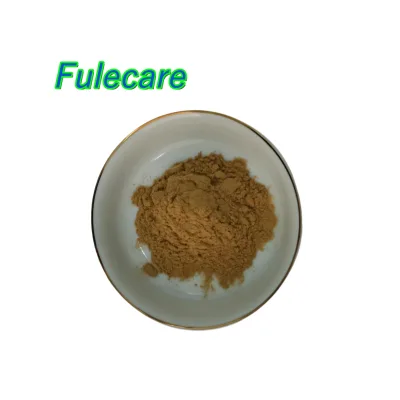
Understanding the physical and chemical properties of the raw material is the first step in defining a precise technical specification. The market offers bergamot products in various forms, ranging from essential oils to concentrated extracts. When sourcing a halal-compliant extract, buyers must verify the state of matter and appearance. Available data indicates that natural bergamot essential oil typically presents as a yellow to green liquid with a special odor, distinct from the brown powder forms found in other botanical extracts.
Particle size and mesh specifications are critical for downstream processing, particularly if the extract is intended for use in food, pharmaceutical, or cosmetic formulations. For powdered variants, the mesh size is often standardized to ensure uniformity, with 80 mesh being a common specification where 100% of the product passes through the screen. Bulk density is another vital parameter, with observed ranges falling between 0.4 and 0.6 g/ml. This density influences packaging logistics and dosing accuracy in manufacturing.
The extraction method significantly impacts the final profile. The standard production method for these botanicals involves distillation, utilizing water and ethanol as extract solvents. The purity of the final product is a primary quality indicator, with specifications often targeting a range of 99% to 100%. Buyers should also verify the loss on drying, which should typically be less than or equal to 5%, ensuring that the product is not overly hydrated and maintains stability during storage. Solvent residue testing is equally important; the product must test negative for residual solvents to meet safety standards for human consumption and topical application.
Compliance, Certification, and Halal Verification
The "halal" designation is not merely a marketing label but a rigorous certification of compliance with Islamic dietary laws and processing standards. While specific halal certification bodies vary by region, the underlying requirements demand that the raw material source, processing aids, and final product are free from haram (forbidden) substances. In the context of bergamot, this means ensuring the plant source is not contaminated with alcohol derived from non-compliant sources or cross-contaminated with prohibited animal derivatives.
Suppliers in this sector often hold a suite of international quality certifications that serve as proxies for process control. ISO 9001:2015 is a widely recognized standard for quality management systems, indicating that the supplier maintains consistent production processes. Additionally, Good Manufacturing Practice (GMP) certification is essential for products intended for food or pharmaceutical use, ensuring that the facility adheres to strict hygiene and safety protocols.
Beyond general quality, specific documentation is required to verify the halal status. Buyers should request a Certificate of Analysis (COA) and a Material Safety Data Sheet (MSDS) to understand the chemical composition and safety profile. The presence of a Certificate of Origin (CoA) and verification from recognized Halal certification bodies is mandatory. While some suppliers may list certifications such as SGS or MSDS, the explicit presence of a Halal certificate is the non-negotiable element for this specific keyword. The raw material itself is often derived from seeds or plant oils, and the grade separation must be clearly defined as Food Grade, Pharma Grade, or Chemical Grade to ensure suitability for the intended application.
Cost Drivers and Procurement Economics
The pricing structure for bergamot extract is influenced by several dynamic factors, including the seasonality of the harvest, the complexity of the extraction process, and the purity level required. The observed price range in the market spans from $1 to $99, a wide variance that reflects differences in concentration, packaging, and certification status. High-purity extracts (99%-100%) and those with specific Halal certifications typically command a premium over standard industrial grades.
Minimum Order Quantity (MOQ) is a significant cost driver. While some suppliers may offer samples ranging from 30 to 50 grams or 10-20 ml for testing, bulk procurement often requires a commitment of 25 kg or more. The MOQ can range up to 1000 units depending on the supplier's capacity and the specific product model. For example, a standard model might have a 25 kg MOQ, while specialized formulations could require larger commitments.
Packaging also impacts the final landed cost. Common packaging options include paper drums for powdered forms and galvanized steel drums for liquids, available in sizes ranging from 1 kg to 180 kg. Bulk packaging options, such as 25 kg, 50 kg, or 200 kg drums, are standard for industrial buyers. The choice of packaging must align with the product's stability requirements; for instance, essential oils are volatile and require hermetically sealed containers to prevent oxidation and loss of aroma.
Typical Applications and End-Use Markets
Bergamot extract is a versatile ingredient with applications spanning multiple industries. Its primary use is in the fragrance and flavor sectors, where its unique citrus profile is highly valued. The product is classified as a natural flavor and is often used in perfumery, teas, and confectionery. In the cosmetic industry, it serves as a key ingredient for skin and hair care products, leveraging its aromatic and potential therapeutic properties.
The specific application dictates the required grade. Food-grade extracts are essential for beverages and food flavorings, while pharma-grade materials are necessary for medicinal applications. The product's feature as a skin and hair ingredient suggests its use in daily chemical materials, such as lotions, shampoos, and soaps. Furthermore, the extract's properties as a natural source with low toxicity make it suitable for general applications where safety is a priority.
The following table summarizes the typical applications and corresponding grade requirements:
| Application Sector | Primary Use Case | Required Grade | Key Attributes |
|---|---|---|---|
| Food & Beverage | Flavoring agents | Food Grade | Low toxicity, 99% purity |
| Cosmetics | Skin and hair care | Pharma/Chemical Grade | Natural extract, specific odor |
| Fragrance | Perfume base notes | Industrial Grade | Volatile oil, special odor |
| Pharmaceuticals | Active ingredients | Pharma Grade | High purity, GMP certified |
Supplier Evaluation and Due Diligence
Selecting a reliable supplier for Halal Bergamot Extract requires a thorough evaluation of their capabilities and track record. Buyers should prioritize suppliers who offer OEM (Original Equipment Manufacturer) and ODM (Original Design Manufacturer) services, as this indicates flexibility in customizing the product to specific client needs. The ability to provide customization is a key attribute of the market, allowing for tailored concentrations or packaging solutions.
When evaluating a potential partner, verify their production origin. The majority of high-quality botanical extracts originate from China, where the supply chain for plant-based materials is well-established. However, origin alone is not a guarantee of quality. Buyers must assess the supplier's supply type and their ability to maintain consistent quality over time. A warranty period of 24 months may be offered for certain products, indicating the supplier's confidence in the shelf life and stability of their inventory.
The shelf life of the product is a critical factor for inventory management. Most bergamot extracts have a shelf life of above two years, provided they are stored correctly. Buyers should inquire about storage conditions and whether the supplier offers guidance on maintaining product integrity. Additionally, the toxicity profile should be confirmed as low, ensuring that the reagents used in processing do not pose a risk to end-users.
Quality Control and Testing Protocols
Robust quality control (QC) protocols are essential to ensure that the delivered product meets the specified standards. The QC process should begin at the raw material stage, verifying that the source is indeed natural and free from contaminants. The extraction method, typically distillation, must be monitored to ensure that the solvent residue remains negative and that the purity remains within the 99%-100% range.
Test results should be comprehensive, covering appearance, particle size, bulk density, and chemical composition. For liquid extracts, the state must be confirmed as a yellow to green liquid with a special odor. For powdered forms, the appearance should be brown, and the mesh size must be verified as 80 mesh. The loss on drying should not exceed 5%, and solvent residue tests must be negative.
Buyers should insist on a Certificate of Analysis (COA) for every batch. This document should detail the specific test results, including the CAS number (8007-75-8 for bergamot oil) and the specific model number (e.g., MS22129-C or FSGY). The COA serves as the legal and technical proof of compliance. Furthermore, the supplier should be able to provide data on the toxicity of the reagents, confirming that the product is safe for its intended use.
Long-Term Procurement Considerations
Sourcing Halal Bergamot Extract is not a one-time transaction but a long-term partnership that requires ongoing management. Buyers should consider the scalability of the supply chain. As demand grows, the supplier must be able to increase production without compromising quality or certification status. The ability to provide samples (30-50 grams or 10-20 ml) is a valuable feature for initial testing, but the transition to bulk orders must be seamless.
Lead times and logistics are also critical. While specific lead times are not universally standardized, buyers should establish clear expectations regarding delivery schedules. The packaging must be robust enough to withstand international shipping, especially for liquid products that are sensitive to temperature and light. The use of galvanized steel drums or paper drums should be verified for durability.
Finally, the relationship with the supplier should be built on transparency and communication. Regular audits, quality reviews, and open dialogue about market trends will help mitigate risks. By focusing on these long-term factors, buyers can secure a stable supply of high-quality, halal-certified bergamot extract that meets the rigorous demands of the global market.
FAQs
What is the purity level of Halal Bergamot Extract?
The purity level typically ranges from 99% to 100%. This high standard ensures the product meets strict quality requirements for food and pharmaceutical applications while maintaining stability during storage.
Can I request a free sample of the extract?
Yes, free samples are available in quantities between 30 to 50 grams or 10 to 20 milliliters. These samples allow buyers to verify physical attributes like appearance and odor before committing to bulk orders.
Which certifications should I look for in a supplier?
Suppliers should hold ISO 9001:2015, GMP, and SGS certifications. These documents verify that the manufacturing process adheres to international quality and safety standards required for halal compliance.
What is the minimum order quantity for bulk purchase?
The standard minimum order quantity is 25 kilograms. Some suppliers may offer flexible options, but buyers should expect this baseline commitment for industrial-grade packaging and shipping.
How is the extract packaged for international shipping?
Products are packaged in paper drums for powders or galvanized steel drums for liquids. Common sizes include 25 kg, 50 kg, and 200 kg drums to ensure durability during transit.
What is the shelf life of the bergamot extract?
The shelf life is above two years when stored correctly. This duration ensures the product remains stable and effective for use in cosmetics, flavors, and pharmaceuticals over an extended period.