Source Halal Collagen Sausage Casing for Meat Processing
Find 20 Halal Collagen Sausage Casing options with varying calibers from 15mm to 55mm and shelf lives exceeding one year. Buyers can compare specifications like length, packaging, and certifications including HACCP, ISO, and FDA across multiple manufacturers in China.
Key considerations
Products List


Sausage Casing, Artificial Sausage, Collagen Casing, Halal Sausage Casing
$0.06 - $0.10
MOQ: 1000 Meters



Comprehensive Sourcing Guide
Strategic Sourcing Guide for Halal Collagen Sausage Casings
Understanding Product Specifications and Technical Parameters
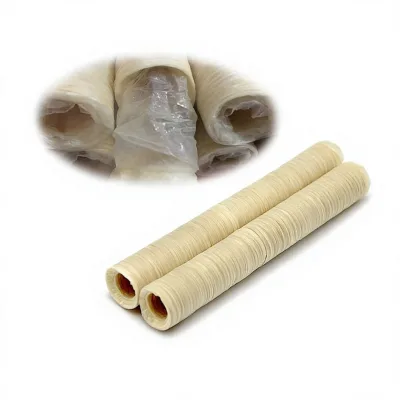
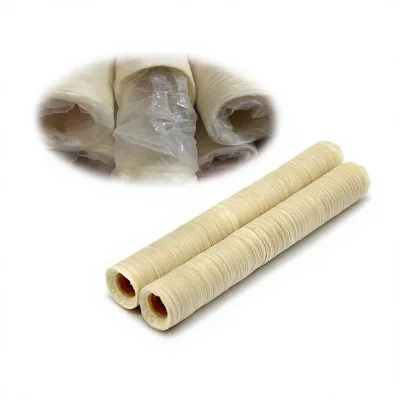
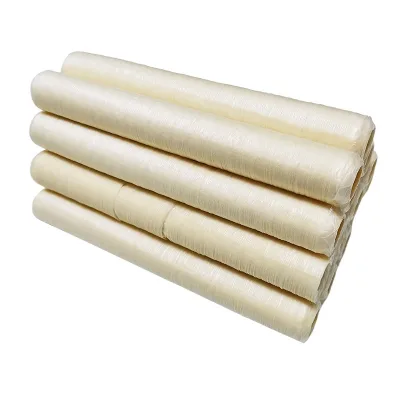
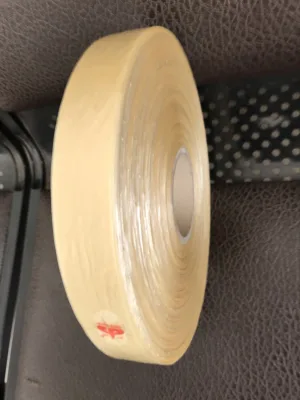
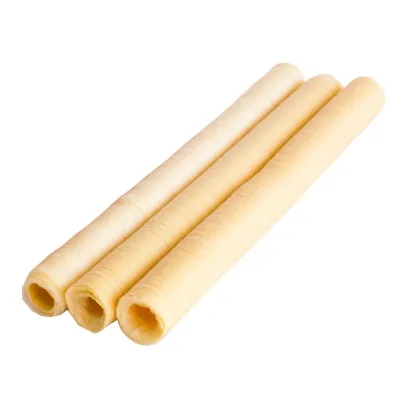
When sourcing halal collagen sausage casings, buyers must first establish a clear understanding of the technical specifications that define product performance. The core material is collagen, typically derived from pork or beef sources, though the specific source must align with Halal certification requirements. Based on observed market data, these casings are characterized by a natural color profile, often described as fresh white, which is critical for the visual appeal of the final sausage product. The physical dimensions are a primary differentiator in this category. The caliber, or diameter, of the casings typically ranges from 15mm to 32mm, with specific models available in 22mm and 30mm configurations. This range allows for versatility in producing various sausage types, from thin breakfast links to larger dinner sausages.
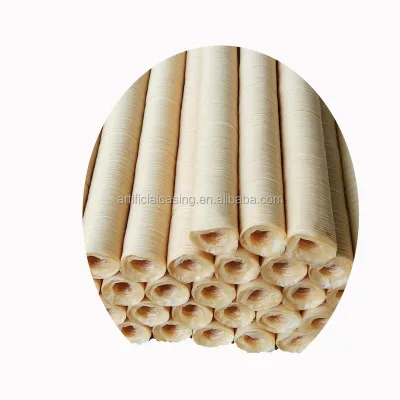
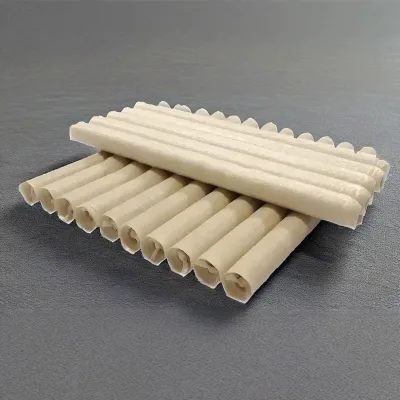
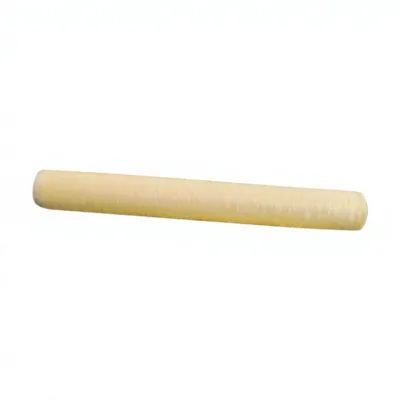
Length is another critical specification. Standard hank lengths observed in the market include 14 meters, 15 meters, and 15.24 meters (50 feet). These lengths are designed to optimize the efficiency of sausage stuffing machines, minimizing waste and downtime during the filling process. The product standard often specifies a minimum collagen content of 40% on a wet basis, with moisture content capped at 25% maximum. This balance ensures the casing maintains structural integrity during stuffing and cooking while providing the necessary texture. The casing style is generally classified as dried, which affects how the product is stored and rehydrated prior to use. Buyers should verify that the specific model number, such as IFINE-CO or ifine-ce, corresponds to the required caliber and length for their production line. The packaging is typically a paper carton, sometimes vacuumized to protect the product from moisture and contamination during transit.
Compliance Framework and Certification Verification
For buyers targeting the halal market, compliance is not merely a preference but a mandatory requirement. The sourcing guide emphasizes the need to verify specific certifications that validate the product's adherence to religious and safety standards. The most prominent certification observed in this sector is the Halal certification, which ensures the collagen source and the manufacturing process do not involve prohibited substances or cross-contamination with non-halal materials. In addition to religious compliance, food safety certifications are essential for international trade. The observed product attributes frequently list HACCP (Hazard Analysis and Critical Control Points), FDA (Food and Drug Administration), ISO, and BRC (British Retail Consortium) certifications.
It is crucial for buyers to understand that while these certifications are often listed, they must be verified against the specific batch or supplier documentation. A product claiming FDA compliance must meet the specific regulatory standards of the United States, while BRC certification indicates adherence to rigorous global food safety standards. The presence of QS (Quality Safety) certification further indicates compliance with domestic quality standards, particularly relevant for products originating from China. When evaluating a supplier, buyers should request current, valid certificates for each of these standards. The absence of any one of these certifications may limit the marketability of the casing in specific regions. Furthermore, the manufacturer's location, often cited as Shandong or Qingdao in China, should be cross-referenced with the certification body to ensure the facility is the one being audited.
Cost Drivers and Pricing Structure Analysis
The pricing of halal collagen sausage casings is influenced by a complex interplay of factors, including raw material costs, certification maintenance, and logistical expenses. The observed price range in the market spans from $0.06 to $66.50 per unit, though this wide variance often reflects differences in packaging quantities, caliber sizes, and order volumes rather than a direct per-unit cost of the material itself. The minimum order quantity (MOQ) is another significant cost driver, with observed ranges extending from 1 unit up to 1000 units. Smaller MOQs may result in higher per-unit costs due to the fixed costs of handling and shipping small batches, whereas larger orders typically benefit from economies of scale.
Weight is a critical factor in determining the final cost. The single gross weight of individual packages can vary, with observed values ranging from 0.052 kg to 0.135 kg per piece, and some bulk packaging reaching 0.1 kg or more. The single volume is often listed as 0 cm³ in certain data points, which may indicate a data entry anomaly or a specific measurement standard; buyers should clarify the actual volumetric weight for shipping calculations. The shelf life of the product, typically exceeding 12 months and sometimes reaching up to 2 years, impacts inventory management costs. Products with longer shelf lives offer more flexibility in storage but may require specific storage conditions, such as room temperature or normal storage methods, to maintain quality. Buyers should also consider the customization availability, which can add to the cost if specific branding or dimensions are required.
Typical Applications and Production Integration
Halal collagen sausage casings are primarily designed for the production of a wide variety of sausage products, ranging from fresh to dried varieties. The "dried" style of the casing suggests suitability for products that undergo a drying or smoking process, which is common in many traditional and commercial sausage applications. The specific caliber of 22mm or 30mm makes these casings ideal for standard link sausages, while the 15mm to 32mm range covers everything from breakfast links to larger specialty sausages. The instruction for use typically advises following standard rehydration and stuffing procedures, ensuring the casing expands correctly and holds the meat mixture without bursting.
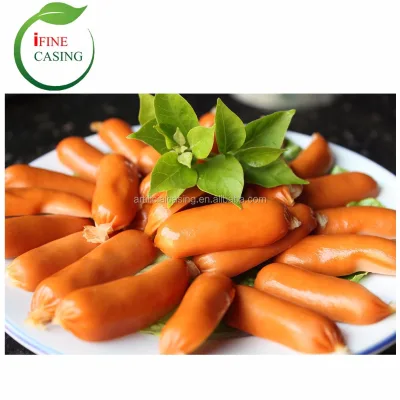
The application extends beyond simple stuffing. The natural color and fresh white appearance of the casing contribute to the aesthetic quality of the final product, which is a key selling point for consumers. The artificial nature of the casing, as noted in product features, ensures uniformity in size and shape, which is difficult to achieve with natural animal casings. This uniformity is particularly valuable for high-speed production lines where consistency is paramount. The product is also noted for its "edible" nature, meaning the casing is consumed along with the sausage, eliminating the need for peeling or removal after cooking. This feature enhances the consumer experience and simplifies the preparation process for end-users.
Supplier Evaluation and Origin Considerations
Evaluating suppliers for halal collagen casings requires a thorough assessment of their manufacturing capabilities and geographical origins. The observed data indicates that many manufacturers are located in China, specifically in regions like Shandong and Qingdao. These areas are known for their established food processing industries and supply chains. However, buyers must be cautious of generic location descriptors such as "Potassium and methyl," which appear in some product attributes and may indicate data inaccuracies or specific chemical additives rather than a geographical location. It is vital to verify the actual physical address of the manufacturing facility to ensure it matches the claimed origin.
The brand name "IFINE" is observed in the market, representing a specific manufacturer or product line. While this brand appears frequently, buyers should not rely solely on brand recognition but should conduct due diligence on the specific entity behind the brand. The manufacturer's ability to provide customization is a significant advantage, allowing buyers to tailor the casing to their specific production needs. When evaluating a supplier, buyers should look for evidence of a robust quality management system that supports the claimed certifications. The ability to provide detailed documentation, including test results and batch-specific certificates, is a strong indicator of a reliable supplier. Additionally, the supplier's capacity to handle the observed MOQ ranges and provide consistent lead times is essential for maintaining production schedules.
Quality Control and Long-Term Procurement Strategy
Maintaining high quality in halal collagen sausage casings requires a proactive approach to quality control throughout the procurement lifecycle. The shelf life of the product, which can exceed 12 months or reach 2 years, necessitates proper storage conditions to prevent degradation. Buyers should ensure that their storage facilities maintain room temperature and normal storage methods as recommended. The moisture content, capped at 25% maximum, is a critical quality parameter that must be monitored to prevent mold growth or casing brittleness. Regular testing of the collagen content, which should be at least 40% on a wet basis, is necessary to ensure the casing meets the required strength and elasticity standards.
For long-term procurement, buyers should consider the stability of the supply chain. The availability of customization options allows for a more resilient supply strategy, as buyers can adapt to changing market demands or production requirements. The packaging, typically a paper carton and sometimes vacuumized, plays a crucial role in protecting the product during transit and storage. Buyers should verify that the packaging is robust enough to prevent damage and contamination. Furthermore, the consistency of the caliber and length across different batches is vital for production efficiency. Any deviation in these specifications can lead to machine jams or product defects. By establishing a long-term relationship with a supplier who demonstrates consistent quality and compliance, buyers can mitigate risks and ensure a steady supply of high-quality halal collagen sausage casings.
Final Procurement Considerations and Verification Steps
In conclusion, sourcing halal collagen sausage casings requires a meticulous approach that balances technical specifications, compliance requirements, and cost considerations. Buyers must verify the caliber, length, and material composition to ensure compatibility with their production lines. The presence of Halal, HACCP, FDA, ISO, and BRC certifications is non-negotiable for accessing global markets. Cost analysis should account for MOQs, packaging weights, and shelf life implications. Supplier evaluation must go beyond brand names to verify actual manufacturing locations and quality control systems. By adhering to these guidelines and maintaining a focus on continuous quality verification, buyers can secure a reliable supply of high-quality halal collagen sausage casings that meet the rigorous demands of the modern food industry. The observed data provides a solid foundation for these decisions, but ongoing due diligence remains essential for long-term success.
FAQs
What certifications do halal collagen sausage casings typically have?
These casings commonly hold HACCP, FDA, ISO, and BRC certifications. Some listings also specify QS compliance. Buyers must verify that the Halal certification matches the specific batch and supplier documentation to ensure religious compliance and food safety standards.
Which caliber sizes are available for collagen sausage casings?
Available calibers range from 15mm to 32mm, with specific models like 22mm and 30mm. This range supports various sausage types from thin links to larger varieties. Buyers should select the exact model number to match their stuffing machine requirements.
How long is the shelf life of dried collagen casings?
The shelf life typically exceeds 12 months and can reach up to 2 years. Products must be stored at room temperature in normal conditions to maintain quality. Proper storage prevents moisture issues and ensures the casing retains structural integrity during use.
Can buyers request customization for collagen sausage casings?
Yes, customization is available for specific production needs. Buyers can request tailored dimensions or branding to fit their lines. This flexibility allows for adaptation to changing market demands while maintaining the required collagen content and moisture specifications.
What is the minimum order quantity for these casings?
The minimum order quantity ranges from 1 to 1000 units depending on the supplier. Smaller orders may incur higher per-unit costs due to handling fees. Larger orders typically benefit from economies of scale and more competitive pricing structures.
Where are halal collagen sausage casings manufactured?
Manufacturers are primarily located in China, specifically in Shandong and Qingdao regions. Buyers should verify the actual facility address to ensure it matches the claimed origin. Some generic location data may be inaccurate and requires cross-referencing with certification bodies.