Source Halal Certified Indian Spices for curries, marinades, and rubs
Find 30 verified listings for Halal Certified Indian Spices suitable for curries, marinades, and rubs. Buyers can compare specifications, packaging options, and MOQs from suppliers in China to find the right seasoning powder or blend for their needs.
Key considerations
Products List


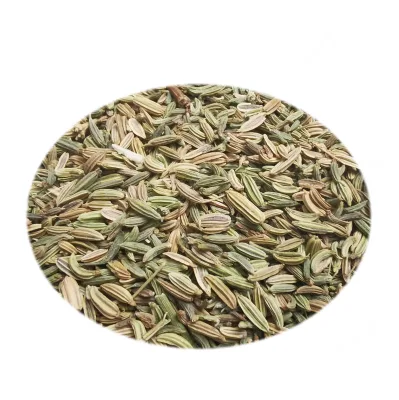
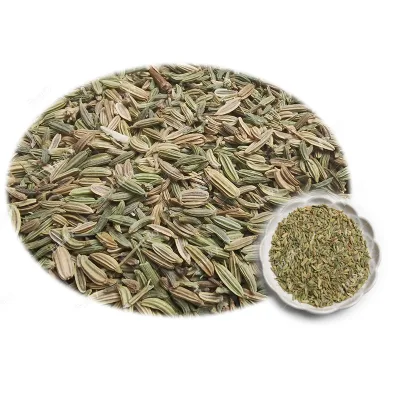


Comprehensive Sourcing Guide
Strategic Sourcing Guide for Halal Certified Indian Spices
Understanding the Market Landscape and Product Variability
The global demand for authentic Indian spices has surged, driven by culinary trends and the increasing availability of diverse flavor profiles in international markets. For procurement professionals, the core keyword "Halal Certified Indian Spices" represents a specific intersection of religious compliance, geographical origin, and culinary application. When analyzing the current supply landscape, buyers must recognize that "Indian spices" is not a monolithic category but a collection of distinct products ranging from whole seeds to processed powders and blends. The market offers significant variability in form, including dried, blended, and powdered states, which directly influences logistics and storage requirements.
A critical observation in the current supply chain is the diversity of packaging and presentation. Suppliers may offer products in paper boxes, cartons, aluminum bags, or bottles, depending on the specific spice and the client's branding needs. For instance, certain high-volume industrial orders might utilize 25kg cartons, while retail-focused batches could be packaged in smaller 10g or 50g units. The color of the final product also varies, with observed listings including brown, green, and yellow varieties, reflecting the natural state of ingredients like turmeric, coriander, or chili. Buyers must understand that these attributes are observations of available inventory rather than universal standards for every product listed under the "Indian spices" umbrella. The ability to customize flavor profiles and accept private labeling is a common feature, allowing brands to tailor products to specific regional tastes or proprietary recipes.
Technical Specifications and Packaging Standards
When evaluating technical specifications for Halal Certified Indian Spices, the focus must shift from generic descriptions to precise, verifiable data points. The physical form of the spice is a primary determinant of its application. Powdered forms are prevalent for seasoning blends and curry mixes, offering immediate solubility and uniform distribution in food processing. However, dried and blended forms are equally common, particularly for whole spices that require grinding by the end-user or for specific culinary traditions. The specification of the product model, such as codes like JRH-005 or JRH211, often serves as a unique identifier for specific blends or formulations, ensuring traceability from the supplier to the final product.
Packaging standards are equally critical for maintaining product integrity and ensuring compliance with international shipping regulations. The supply chain for these spices frequently utilizes a mix of materials, including paper, aluminum bags, and cartons. The choice of packaging material is often dictated by the need to protect the spice from moisture, light, and oxidation. For example, aluminum bags are frequently specified for smaller retail units to preserve freshness, while larger industrial shipments may rely on robust carton packaging. The standard packaging configurations observed in the market include a wide range of weights, from small 4g or 10g sachets to bulk 25kg bags. Buyers should verify that the packaging material aligns with the specific storage method required, such as keeping the product in a shady place to prevent degradation of volatile oils. Furthermore, the specification of the product standard, such as 10g/50g/100g/25kg, indicates the flexibility of the supplier to meet diverse order sizes, though the minimum order quantity (MOQ) may vary significantly based on the chosen packaging format.
Compliance, Certification, and Halal Verification
The requirement for "halal certified" status is the most stringent filter in the procurement process for this category. Halal certification ensures that the product adheres to Islamic dietary laws, covering everything from the sourcing of raw materials to the processing methods and equipment used. In the context of Indian spices, this involves verifying that no haram (forbidden) substances, such as alcohol-based flavorings or animal-derived enzymes, have been introduced during processing. The presence of certifications such as Halal, Kosher, ISO9001, and ISO14001 is a strong indicator of a supplier's commitment to quality and religious compliance. However, buyers must treat these certifications as verified attributes of specific suppliers rather than inherent qualities of all Indian spices.
Verification of certification status requires a proactive approach. Buyers should request current, valid certificates from the relevant issuing bodies and confirm that the specific product model or batch is covered under the certification scope. The documentation should explicitly state the halal status and the scope of the certification, ensuring it covers the entire supply chain from the farm to the final packaged product. Additionally, the presence of ISO9001 certification suggests a standardized quality management system, while ISO14001 indicates adherence to environmental management standards. It is essential to note that while some suppliers may claim "perfect after-sales service" and "quality guaranteed," these are marketing statements that must be backed by tangible certification documents. The buyer's due diligence should include cross-referencing the supplier's claims with the issuing authority to ensure the certification is active and not expired.
Cost Drivers and Minimum Order Quantity Analysis
The cost structure of sourcing Halal Certified Indian Spices is influenced by several dynamic factors, including raw material volatility, processing complexity, and packaging requirements. The observed price range in the market spans from $0.5 to $35 per unit, a wide spectrum that reflects the difference between bulk raw materials and premium, branded, or specialized blends. The minimum order quantity (MOQ) is a significant cost driver, with observed ranges extending from 1 unit to 5,000 units, and specific bulk requirements like 1 Ton or 800 Kg for industrial clients. Smaller MOQs, such as 900 cartons or 1,000 cartons, are common for suppliers targeting mid-sized distributors, while larger quantities may be required for direct manufacturing partners.
Buyers must carefully analyze the MOQ in relation to their inventory capacity and cash flow. High MOQs often correlate with lower unit costs but increase the risk of overstocking and storage costs. Conversely, lower MOQs offer flexibility but may come with higher per-unit pricing. The payment terms, such as 30% TT in advance with the balance against the copy of the Bill of Lading (B/L), are standard in this sector and impact the financial planning of the procurement cycle. Additionally, the lead time, typically ranging from 20 to 35 days for production and 25 to 45 days for shipping, must be factored into the total cost of ownership. Delays in production or shipping can disrupt supply chains, leading to potential stockouts and increased emergency procurement costs. Therefore, understanding the interplay between MOQ, pricing, and lead time is essential for effective budget management.
Supplier Evaluation and Production Capabilities
Evaluating suppliers for Halal Certified Indian Spices requires a comprehensive assessment of their production capabilities, geographic location, and operational history. The place of production is a critical factor, with major hubs like Hangzhou and Guangdong, China, serving as key sources for processed and blended spices. While the core keyword specifies "Indian spices," the supply chain often involves sourcing raw materials from India and processing them in other regions, or importing finished products from India to these manufacturing hubs. Buyers should verify the origin of the raw materials to ensure they align with the "Indian" designation and meet the desired quality standards.
The supplier's ability to offer customization, OEM (Original Equipment Manufacturer), and ODM (Original Design Manufacturer) services is a significant differentiator. These capabilities allow buyers to create private label products that meet specific market demands. The acceptance of private labeling and the willingness to customize flavors indicate a flexible and customer-centric approach. However, buyers must also assess the supplier's quality control mechanisms. Attributes such as "quality is guaranteed" and "perfect after-sales service" are positive indicators, but they must be supported by concrete evidence of quality assurance processes. This includes regular testing for contaminants, adherence to food safety standards, and the ability to provide product traceability. A robust supply chain ensures that the product can be traced back to its source, which is crucial for managing recalls and maintaining consumer trust.
Quality Control and Long-Term Procurement Strategy
Implementing a rigorous quality control (QC) strategy is paramount when sourcing Halal Certified Indian Spices. The shelf life of these products, typically around 24 months, requires careful management of storage conditions to maintain flavor and potency. The recommended storage method, such as keeping the product in a shady place, must be strictly followed to prevent degradation. Buyers should establish clear QC protocols that include pre-shipment inspections, sampling, and laboratory testing for microbial contamination and heavy metals. The availability of free samples is a valuable tool for initial quality assessment, allowing buyers to evaluate the taste, color, and texture before committing to a large order.
Long-term procurement considerations extend beyond the initial transaction to include relationship management and supply chain resilience. Building a partnership with a supplier who offers consistent quality, reliable lead times, and flexible customization options is essential for sustainable growth. The ability to adapt to market changes, such as shifts in flavor preferences or packaging trends, is a key indicator of a supplier's long-term viability. Additionally, buyers should consider the environmental impact of their sourcing decisions, looking for suppliers who adhere to sustainable practices and hold relevant environmental certifications. By focusing on these long-term factors, buyers can secure a stable supply of high-quality, Halal Certified Indian Spices that meet the evolving needs of their customers and the market.
Application Scenarios and Market Integration
The versatility of Halal Certified Indian Spices makes them suitable for a wide range of applications, from home cooking to industrial food manufacturing. The "delicious" taste and specific flavor profiles, such as curry, are highly sought after in the food service industry. The form of the spice, whether powder, dried, or blended, determines its application in different culinary contexts. Powdered spices are ideal for mass production of ready-to-eat meals and sauces, while dried and blended forms are preferred for traditional cooking methods and specialty food products. The customization of flavor allows suppliers to create unique blends that cater to specific regional tastes, enhancing the marketability of the final product.
Integration into the supply chain requires careful planning to ensure that the spices meet the specific requirements of the end-user. For instance, the packaging must be compatible with the retail environment, whether it is a supermarket shelf or a restaurant kitchen. The branding and labeling must comply with local regulations and clearly communicate the halal status to consumers. The ability to provide product traceability and quality guarantees is essential for building trust with end-users. By understanding the diverse applications of these spices, buyers can strategically position their products to capture market share and meet the growing demand for authentic, compliant, and high-quality Indian spices.
FAQs
What certifications do these spices hold?
The products hold Halal, Kosher, ISO9001, and ISO14001 certifications. These verify compliance with Islamic dietary laws and international quality management standards for safe processing and environmental responsibility.
How is the product packaged for shipping?
Packaging options include paper boxes, cartons, aluminum bags, and bottles. Specific configurations range from small retail units like 10g bags to bulk industrial shipments in 25kg cartons.
Can I customize the flavor and branding?
Yes, customization of flavor and private labeling are available. Suppliers offer OEM and ODM services to tailor blends and packaging to your specific brand requirements and regional tastes.
What is the minimum order quantity required?
Minimum order quantities vary by product, ranging from 900 cartons to 1 ton. Specific items may require 800 kg or 1400 cartons, depending on the selected packaging and model.
Where are these spices manufactured?
Production locations include Hangzhou and Guangdong, China. These hubs process raw materials to create dried, blended, or powdered spice forms for international distribution.
How long is the shelf life of the spices?
The shelf life is typically 24 months when stored correctly. Products should be kept in a shady place to maintain flavor and prevent degradation of volatile oils.