Source Hand-Pushed Linen Cart for Ice Cream, Vending, and Service
Compare 30 Hand-Pushed Linen Cart options featuring stainless steel sinks, marble countertops, and customizable electric systems. Buyers can evaluate models like YT-A220 and ST-50 for applications including Italian ice cream gelato display and snack food vending.
Key considerations
Products List


$8.58 - $68.00
MOQ: 10 pieces
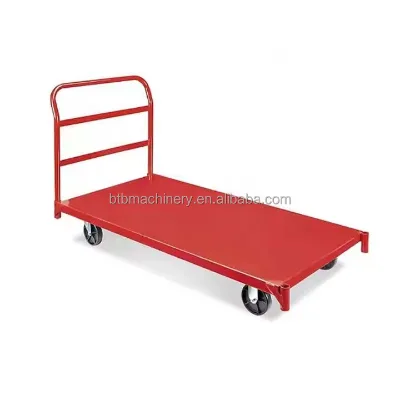


Light Industrial Textile Cart with Ergonomic Push Handle Folding Hand Truck
$17.98 - $18.98
MOQ: 50 Pieces


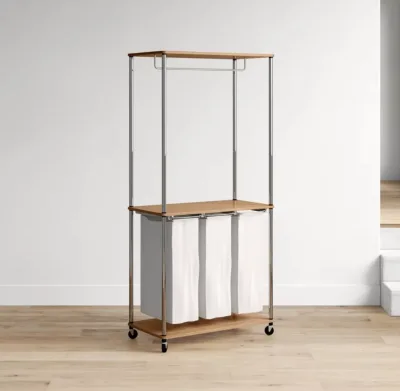

Medical Transfer Linen Hospital Houskeeping Trolley Clean Sterile Cart
$189.00 - $240.00
MOQ: 1 Pieces


Comprehensive Sourcing Guide
Strategic Sourcing Guide for Hand-Pushed Linen and Service Carts
Understanding the Product Category and Core Specifications
When sourcing hand-pushed service carts, particularly those designated for linen transport, food service, or general utility in hospitality environments, buyers must first distinguish between the broad category of "service carts" and the specific functional requirements of a "linen cart." The market data indicates a diverse range of models, from specialized ice cream display units to general-purpose stainless steel and cold metal plate carts. While the core keyword focuses on linen transport, the available product attributes reveal a significant overlap with mobile food service and vending applications.
The physical construction of these units is a primary determinant of their utility. Observed specifications highlight the use of robust materials such as cold metal plate and steel, often finished with powder coating to ensure durability against frequent cleaning and abrasion. A critical observation in the current market is the prevalence of "Manual" automatic grades, meaning these units rely on human propulsion rather than electric motors. This manual operation is consistent with the "Hand Push" usage classification found in several product models.
Dimensions vary significantly based on the intended load and environment. Standardized product standards in the observed dataset include dimensions such as 1700945215mm, 18006002100mm, and 160012002200mm. For a linen cart, the height and width are crucial for fitting through standard doorways and elevator shafts while maximizing storage volume. The weight of these units is also a key specification; observed models weigh up to 200kg, suggesting that the frame must be heavy-duty to support the load of wet or dry linens without tipping. Buyers should verify that the specific model selected has a load-bearing capacity that aligns with their operational volume, as the "Hand Push" designation implies the user must be able to maneuver the fully loaded unit.
Technical Configuration and Operational Features
The technical configuration of a hand-pushed cart extends beyond simple dimensions to include the interface between the operator and the machine. A recurring feature in the observed product range is the inclusion of "4 Big Wheels" or "4 Wheels," which is essential for stability and maneuverability on various floor surfaces found in hotels, hospitals, and commercial kitchens. The wheel design must be evaluated for its ability to navigate thresholds and uneven terrain without damaging flooring.
Control mechanisms are another vital aspect. The data indicates that many units operate via "Manual" control systems, which is standard for non-electric carts. However, some models in the broader service category feature "Smart Thermostat" temperature controls or "Electric System" customization, which are generally not applicable to pure linen carts but indicate the manufacturer's capability for customization. For a linen cart, the focus should be on the handle design. Observed specifications mention "Adjustable" handles with lengths up to 100cm, allowing operators of different heights to push the cart ergonomically. The handle material and grip are critical for preventing fatigue during long shifts.
Surface finishes and material composition play a significant role in hygiene. The "Stainless Steel" water sink and "Marble" countertop options observed in the dataset suggest that manufacturers are capable of producing units with high-hygiene surfaces. For linen carts, stainless steel is the preferred material due to its resistance to corrosion from moisture and cleaning agents. The "Powder Coated" surface finish on steel frames provides an additional layer of protection against scratches and rust. Buyers should ensure that the chosen model has a surface treatment that meets the sanitation requirements of their specific industry, whether it is food service, healthcare, or hospitality.
Compliance, Certification, and Safety Standards
Navigating the regulatory landscape is a critical step in the procurement process. The observed product listings contain a mix of certifications, including CE, DOT, ISO, and ISO/Ts16949. While the "CE" mark is frequently cited across multiple models, indicating compliance with European health, safety, and environmental protection standards, buyers must verify that these certifications apply to the specific configuration they are purchasing. The presence of "DOT" certification suggests compliance with Department of Transportation standards, which may be relevant if the carts are transported across borders or used in specific logistics environments.
The "ISO" and "ISO/Ts16949" certifications indicate adherence to international quality management standards and specific automotive industry quality requirements, respectively. While ISO/Ts16949 is specific to the automotive sector, its presence in the supplier's portfolio suggests a high level of manufacturing discipline and quality control processes. For a linen cart, the most relevant certifications will likely be CE for general safety and potentially ISO 9001 for quality management. Buyers should request current certification documents for the specific model number to ensure they are not purchasing a unit that has been modified in a way that voids its original compliance status.
Safety standards also encompass the physical design of the cart. The "Video Outgoing-Inspection" service mentioned in the data implies that some suppliers offer visual verification of the product before shipment. This is a valuable quality assurance step for buyers who cannot physically inspect the goods before delivery. Additionally, the "Customization" availability allows buyers to tailor the cart to specific safety needs, such as adding specific locking mechanisms or safety rails, provided the modifications do not compromise the structural integrity or original certification.
Cost Drivers and Procurement Economics
The pricing structure for hand-pushed service carts is influenced by several factors, including material costs, customization levels, and order volume. The observed price range in the market spans from $2 to $5,800 USD, a vast disparity that reflects the difference between simple, basic utility carts and complex, customized units with specialized features like marble countertops or advanced temperature controls. For a standard linen cart, the cost will likely fall on the lower to mid-range of this spectrum, driven primarily by the amount of steel or cold metal plate used and the complexity of the wheel assembly.
Minimum Order Quantity (MOQ) is another significant economic factor. The observed MOQ range is 1 to 1000 units. This flexibility allows buyers to procure small batches for pilot programs or specific departmental needs without committing to large inventory levels. However, larger orders often benefit from economies of scale, potentially reducing the unit cost. Buyers should negotiate based on their specific volume requirements, keeping in mind that "Customization" often incurs additional costs and may increase the MOQ.
Packaging and logistics also impact the total cost of ownership. The observed "Wooden Case" and "Carton" packing options indicate that suppliers offer different levels of protection. Wooden cases are generally more robust and suitable for international shipping, while cartons may be sufficient for domestic delivery. The weight of the unit, observed up to 200kg, will significantly affect shipping costs. Buyers must factor in freight charges, which can be substantial for heavy, bulky items, and ensure that the packaging is designed to prevent damage during transit.
Typical Applications and Functional Versatility
While the core keyword is "Hand-Pushed Linen Cart," the observed product data reveals a high degree of versatility. The same manufacturers producing these carts also supply units for "Italian Ice Cream Gelato Popsicle Display," "Snack Food Vending," and general "Ice Cream" applications. This suggests that the underlying chassis and wheel designs are adaptable to various uses. A hand-pushed cart designed for linen transport can often be modified or selected with features that support food service, such as stainless steel surfaces and temperature-resistant materials.
The "Application" attributes listed include Popcorn, Chocolate, Candy, Donut, Biscuit, Ice Cream, and Chips. While these are specific to food service, they highlight the manufacturer's experience in creating mobile units that must withstand high-traffic environments and frequent cleaning. For a linen cart, the primary application is the transport of clean and soiled linens in hotels, hospitals, and laundromats. The "Hand Push" usage and "4 Wheels" configuration make these units ideal for navigating the tight corridors and service elevators typical of these facilities.
The "Used for" attributes also mention "Snack Food Vending," indicating that these carts can be repurposed for retail or catering services. This versatility is a key advantage for buyers looking to maximize the utility of their fleet. A single cart design can potentially serve multiple departments within an organization, reducing the need for specialized equipment. However, buyers must ensure that the specific model selected has the necessary features for its intended primary use, such as adequate shelving for linens or specific containment for food items.
Supplier Evaluation and Quality Assurance Protocols
Selecting the right supplier requires a rigorous evaluation process that goes beyond the initial product listing. The "Online Support" service mentioned in the data is a positive indicator of a supplier's commitment to post-sales service. Buyers should verify the availability of technical support, spare parts, and warranty coverage before finalizing a purchase. The "Customization" availability is another critical factor; a supplier that offers flexible customization options is more likely to be able to meet specific operational requirements.
Quality control is paramount, especially for heavy-duty equipment like service carts. The "Video Outgoing-Inspection" service provides a layer of assurance, allowing buyers to visually verify the product's condition before it leaves the factory. Buyers should also request detailed inspection reports and test results, particularly regarding the structural integrity of the frame and the durability of the wheels. The "Material" specifications, such as "Cold Metal Plate" and "Steel," should be verified against the supplier's quality standards to ensure they meet the required tensile strength and corrosion resistance.
The "prod_origin" is listed as "China," which is a common manufacturing hub for this type of equipment. Buyers should be aware of the potential logistical challenges and lead times associated with sourcing from this region. While the "MOQ" range offers flexibility, buyers should confirm the "lead time" for production and shipping to ensure it aligns with their operational needs. The "prod_packing" methods, whether "Wooden Case" or "Carton," should be evaluated for their ability to protect the product during transit, especially given the heavy weight of the units.
Long-Term Procurement and Lifecycle Management
Long-term procurement considerations involve more than just the initial purchase price; they encompass the total cost of ownership, including maintenance, repairs, and eventual replacement. The "Service" attributes, such as "Online Support," are critical for ensuring that the supplier remains available for troubleshooting and parts replacement over the life of the equipment. Buyers should establish a clear maintenance schedule and ensure that the supplier provides the necessary documentation and training for their staff.
The "Customization" aspect allows for future adaptability. As operational needs change, a supplier that offers customization can modify existing units or produce new ones with updated features. This is particularly relevant for linen carts that may need to be upgraded with new locking mechanisms, different shelving configurations, or enhanced hygiene features. The "Color" options, which can be "Customized" or selected from standard options like "Beige," "Black," or "Yellow," also play a role in branding and visual consistency within the facility.
Finally, buyers should consider the environmental impact and sustainability of the materials used. The "Steel" and "Cold Metal Plate" materials are generally recyclable, but the finishing processes, such as "Powder Coated" surfaces, should be evaluated for their environmental compliance. By focusing on durable, high-quality materials and reliable suppliers, buyers can ensure that their hand-pushed linen carts provide long-term value and reliability in their operations.
FAQs
What materials are used for hand pushed linen carts?
These carts are typically constructed from cold metal plate or steel to ensure durability. The surface often features a powder coating for added protection against rust and scratches during frequent cleaning and heavy use in hospitality environments.
Can the color of the cart be customized?
Yes, the color is customizable to match specific brand requirements or facility aesthetics. Buyers can request specific finishes such as black, beige, or yellow, ensuring the unit integrates seamlessly with the existing interior design of the hotel or hospital.
Which certifications do these carts usually hold?
Common certifications include CE, ISO, and DOT, indicating compliance with international safety and quality standards. Some manufacturers also provide ISO/Ts16949 certification, reflecting high manufacturing discipline and quality control processes suitable for rigorous commercial applications.
How is the cart packaged for shipping?
Products are shipped in either wooden cases or cartons depending on the order requirements and destination. Wooden cases offer robust protection for international freight, while cartons may suffice for domestic delivery, ensuring the heavy unit arrives without damage.
What is the typical weight of a hand pushed cart?
Observed models weigh up to 200kg, indicating a heavy-duty frame capable of supporting significant loads. This weight ensures stability during transport but requires careful handling to navigate through doorways and service elevators without tipping or causing floor damage.
Can the handle height be adjusted for different users?
Yes, the handle is adjustable with lengths reaching up to 100cm to accommodate operators of varying heights. This ergonomic feature reduces fatigue during long shifts and ensures comfortable maneuverability for staff members of different statures in busy service corridors.