Source Hand Sanitizer Pump Bottle for Personal Care, Chemical, and Beverage
Source Hand Sanitizer Pump Bottle options from verified manufacturers in China. Compare 30 listings featuring plastic and PET materials with capacities from 100ml to 500ml. Evaluate customization, sealing types, and daily production capacity to find the right packaging solution; compare the available evidence and request quotations based on your requirements.
Key considerations
Products List


Foam Pump Bottle 5oz 150ml Face Washing Bubble Bottle Foam Hand Sanitizer Bottle
$0.25 - $0.30
MOQ: 5000 Pieces


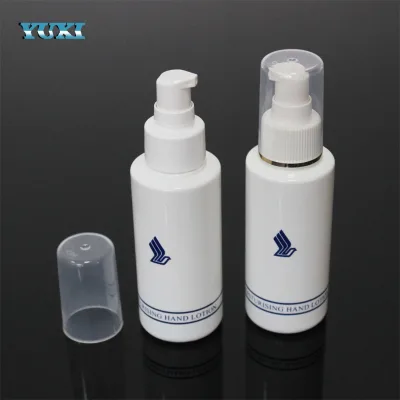
China Factory Plastic Empty Hand Sanitizer Bottle with White Lotion Pump
$0.15 - $0.28
MOQ: 3000 Pieces

Wholesale Empty Clear 500ml Plastic Disinfect Foam Hand Wash Pump Bottle
$0.18 - $0.50
MOQ: 5000 Pieces




Comprehensive Sourcing Guide
Hand Sanitizer Pump Bottle Sourcing Guide
Procuring hand sanitizer pump bottles requires balancing functional integrity with regulatory compliance, as these containers must safely dispense liquid disinfectants without leakage or degradation. Buyers should prioritize suppliers who demonstrate experience with chemical-resistant materials, ensuring the bottle structure remains stable when in contact with alcohol-based solutions. The observed market data indicates a strong presence of plastic and PET options, which offer durability and cost-effectiveness for high-volume distribution needs.
Selection criteria must extend beyond basic aesthetics to include precise compatibility with pump mechanisms and sealing types. The available listings highlight narrow mouth and shaped bottle designs, suggesting that the internal geometry of the container significantly impacts dispensing accuracy. Sourcing teams should verify that the chosen bottle shape aligns with the specific viscosity of the sanitizer formula to prevent clogging or inconsistent flow rates during the filling process.
Product Scope and Observed Listing Signals
The current market for hand sanitizer packaging features a diverse range of volumes, typically spanning from 100ml to 500ml, with some specialized options reaching up to 5000ml for institutional use. Buyers will encounter various shapes, including round and custom-shaped bottles, which influence shelf presence and ergonomic handling. The observed product attributes confirm that customization is widely available, allowing brands to tailor colors and surface finishes to match their specific identity requirements.
Listing signals indicate that packaging methods vary from standard cartons to export-grade safe packing, reflecting the need for robust protection during international transit. The presence of specific cap sizes like 28/410 and 38/410 suggests that standardization is critical for supply chain efficiency. Procurement teams should note that while some listings mention free samples, the minimum order quantities can be substantial, ranging from 10 units to over 50,000 units depending on the supplier's production capacity.
Technical Specifications to Verify
Technical verification must begin with material composition, as the bottle must resist chemical interaction with the sanitizer solution. The observed data points to plastic and PET as primary materials, but buyers should confirm the specific grade to ensure it meets the chemical resistance requirements for alcohol-based formulations. Additionally, the sealing type, often identified as a pump sprayer, requires rigorous testing to ensure a hermetic seal that prevents evaporation and maintains product potency over time.
Dimensional accuracy is equally critical, with observed specifications including cap sizes such as 40/410 and specific bottle dimensions like 92*157mm. Buyers should verify that the bottleneck diameter matches the pump thread specifications to avoid assembly failures on high-speed filling lines. The weight of the container, observed around 30g for certain models, serves as a proxy for wall thickness and structural integrity, which directly impacts the bottle's ability to withstand pressure during shipping and handling.
Compliance and Safety Documentation
Regulatory compliance is non-negotiable for hand sanitizer packaging, particularly regarding materials that come into direct contact with disinfectants. Buyers should request documentation confirming adherence to standards such as ISO22716 and GMPC, which are frequently cited in the product listings. These standards ensure that the manufacturing process maintains hygiene levels suitable for personal care and pharmaceutical applications, reducing the risk of contamination in the final product.
Safety documentation must also address the environmental impact of the packaging, especially given the observed "degradable" feature in some listings. Procurement teams should verify the specific degradation claims and request third-party test results to substantiate these environmental assertions. Furthermore, suppliers should provide evidence of SGS certification or similar independent verification to confirm that the materials do not leach harmful substances into the sanitizer solution under normal storage conditions.
Cost Drivers and Commercial Terms
Cost structures for hand sanitizer bottles are heavily influenced by the complexity of customization and the volume of the order. While the observed price range is relatively low, the minimum order quantities can be significant, ranging from 10,000 pieces to 52,000 pieces, which impacts the unit economics for smaller buyers. Buyers should negotiate based on the total landed cost, considering that customized colors and specific printing techniques like screen printing may incur additional setup fees.
Commercial terms must clearly define lead times, which are observed to range between 20 and 25 days for standard production runs. This timeline can fluctuate based on the daily capacity of the supplier, which is noted to be up to 50,000 pieces per day for some facilities. Procurement contracts should include clauses for expedited shipping or production delays to mitigate risks associated with supply chain disruptions, ensuring that inventory levels remain sufficient to meet demand.
Supplier Qualification and Quality Control
Supplier qualification should focus on verifying the origin and production capabilities of the manufacturer. The observed data indicates origins in Xiamen, Fujian, Ningbo, and Zhejiang, regions known for robust manufacturing ecosystems. Buyers should assess the supplier's ability to maintain consistent quality across large batches, given the high daily capacity and the potential for variation in custom orders.
Quality control protocols must be rigorous, covering everything from raw material inspection to final packaging. Suppliers should demonstrate a clear process for checking the sealing integrity of the pump sprayers and the accuracy of the printed labels. It is essential to establish a clear communication channel for resolving quality issues, ensuring that any deviations from the agreed specifications, such as incorrect cap sizes or volume discrepancies, are addressed promptly before shipment.
Long-Term Procurement Checks
Establishing a long-term partnership requires regular audits of the supplier's production lines and quality management systems. Buyers should schedule periodic reviews to ensure that the supplier continues to meet the required standards for material safety and environmental compliance. This proactive approach helps identify potential issues early, such as changes in raw material suppliers or shifts in manufacturing processes that could affect product consistency.
Continuous monitoring of market trends and regulatory updates is also vital for maintaining a competitive edge. As regulations regarding plastic usage and chemical safety evolve, suppliers must adapt their offerings to remain compliant. Procurement teams should maintain a dynamic relationship with their suppliers, encouraging innovation in packaging design and sustainability to ensure the supply chain remains resilient and responsive to changing market demands.
FAQs
What materials are used for hand sanitizer pump bottles?
These bottles are primarily made from plastic, with specific options including PET. The material choice ensures durability and compatibility with various liquid contents like disinfectants. Buyers can select based on specific application needs such as personal care or pharmaceutical use.
Which certifications do the manufacturers hold for these bottles?
Manufacturers typically hold SGS, GMPC, and ISO22716 certifications to ensure quality and safety standards. These standards verify that the production processes meet international requirements for cosmetic and chemical packaging. Buyers should verify specific certification documents for their compliance needs.
Can I customize the color and shape of the bottles?
Yes, customization is available for both color and shape, including round or shaped bottle designs. Buyers can request specific colors to match their brand identity. Customization options allow for tailored solutions suitable for gifts, cosmetics, or chemical applications.
What is the typical lead time for production orders?
The standard lead time for production is between 20 to 25 days after order confirmation. This duration accounts for manufacturing and quality checks before shipping. Buyers should plan their inventory accordingly to ensure timely delivery for their business needs.
How much is the minimum order quantity for these bottles?
The minimum order quantity is generally 10,000 pieces, though some listings show ranges starting from 10 units. Bulk orders often benefit from lower per-unit costs. Buyers should confirm the specific MOQ with the supplier based on their volume requirements.
What packaging methods are used for shipping these bottles?
Bottles are packed in export cartons or safe export packs to ensure protection during transit. Some options include bag with box packaging for added security. This method prevents damage and maintains product integrity throughout the shipping process.
Where are these hand sanitizer pump bottles manufactured?
Production facilities are located in regions such as Xiamen, Fujian, Ningbo, and Zhejiang in China. These locations offer established manufacturing capabilities for plastic packaging. Buyers can source directly from these verified production hubs for efficient logistics.