Source Hand Rehabilitation Robot for Stroke and Injury Recovery
Source the Hand Rehabilitation Robot from 30 verified listings. Compare models like FO3002 and Hf1002 for air compression and electrotherapeutic functions. Evaluate pressure ranges, modes, and accessories to find the right physical therapy equipment for clinical or home use; compare the available evidence and request quotations based on your requirements.
Key considerations
Products List


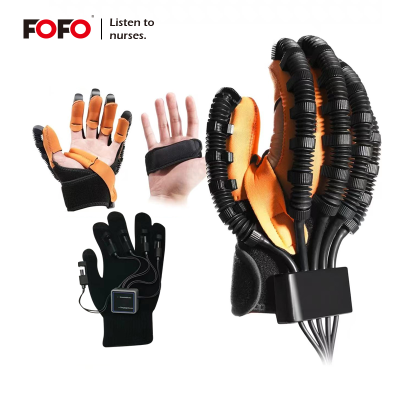
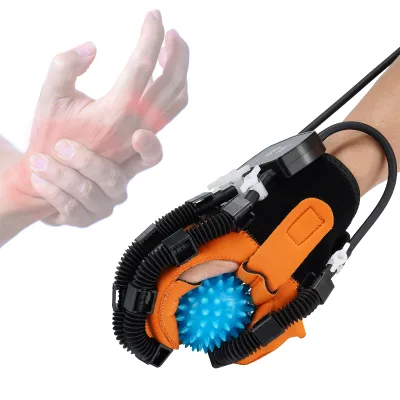
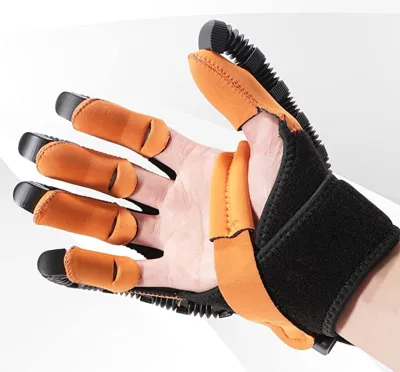
Stroke Recovery Finger Rehabilitation for Robot Rehabilitation Stroke Patient Hand Recovery
$180.00 - $450.00
MOQ: 200 Sets


Hand Stroke Rehabilitation Equipment Hand Rehabilitation Robot Gloves Stroke
$65.00 - $110.00
MOQ: 10 Pieces

Hand Exercise Therapy Stroke Hand Exerciser Rehabilitation Robot Glove
$80.00 - $130.00
MOQ: 10 Pieces

Rehabilitation Robot Gloves Finger and Hand Function Rehabilitation Trainer
$80.00 - $130.00
MOQ: 1 Pieces


Rehabilitation Robot Finger Training Stroke Hand Splint Finger Orthosis
$112.00 - $133.00
MOQ: 10 Pieces





Factory Wholesale Multifunctional Hand Rehabilitation Robot Finger Therapy Equipment
$290.00 - $430.00
MOQ: 1 Pieces




Comprehensive Sourcing Guide
Hand Rehabilitation Robot Sourcing Guide
Procuring advanced hand rehabilitation robots requires a strategic approach that balances clinical efficacy with operational reliability. These devices are primarily designed for stroke patients and individuals requiring finger recovery training, leveraging electrotherapeutics and physical therapy principles to restore motor function. Buyers must understand that these systems often integrate robotic hand gloves and mirror therapy mechanisms to enhance neuroplasticity and muscle re-education. The core value proposition lies in the device’s ability to provide consistent, measurable pressure and movement patterns that manual therapy cannot always sustain.
The market offers distinct configurations, including models focused on air compression therapy and those utilizing specific electrotherapeutic modes. Sourcing decisions should be guided by the specific therapeutic needs of the target patient population, whether that involves high-pressure pneumatic assistance or precise electrical stimulation. It is critical to evaluate how the device’s mode types and pressure ranges align with clinical protocols. Buyers should prioritize systems that offer customizable settings to accommodate varying degrees of patient impairment and recovery stages.
Product Scope and Observed Listing Signals
The current market landscape for hand rehabilitation robots reveals a diverse range of product attributes tailored to different therapeutic interventions. Listings frequently highlight features such as LCD displays, remote control accessibility, and specific pressure ranges, which are critical for user experience and clinical control. For instance, some models specify pressure ranges between 30-250 mmHg for leg and arm compression, while others focus on hand-specific metrics like positive pressure greater than 150 kPa. These variations indicate that buyers must carefully match device specifications to their intended use cases, whether for general circulation improvement or targeted finger rehabilitation.
Observed listing signals also emphasize the importance of accessory sets and power requirements in the procurement process. Standard sets often include the main unit along with multiple cuffs or gloves, such as one machine paired with two legs or two hands, ensuring comprehensive treatment capabilities. Power specifications, such as 30W for compression systems or rechargeable lithium batteries with specific voltages like 11.1V, are key operational details. Buyers should verify these technical signals to ensure compatibility with existing clinic infrastructure and to understand the logistical requirements for charging and maintenance.
Technical Specifications to Verify
Technical verification is paramount when sourcing hand rehabilitation robots, particularly regarding pressure dynamics and operational modes. Buyers must confirm the exact pressure ranges, such as 30-180 mmHg for hand devices or higher thresholds for other applications, to ensure they meet clinical standards for safety and efficacy. Additionally, the number of operating modes, often ranging from five to six distinct settings, should be evaluated for their relevance to specific rehabilitation protocols. Understanding the mode types, labeled alphabetically or numerically, helps in assessing the device’s versatility in addressing different stages of patient recovery.
Cuff and glove specifications are another critical area for technical due diligence. The material composition, such as TPU for cuffs, and the available sizes, including specific dimensions for arms and legs, must be verified to ensure proper fit and comfort for diverse patient demographics. Buyers should also inspect the gas flow rate and single working time parameters, which typically range from 0-20 minutes, to determine the device’s suitability for extended therapy sessions. Confirming these details prevents mismatches between device capabilities and clinical expectations, ensuring optimal patient outcomes.
Compliance and Safety Documentation
Compliance with international safety and quality standards is non-negotiable in the medical device procurement process. Buyers must verify that suppliers provide valid certifications, such as FDA and ISO CE approvals, which attest to the device’s adherence to rigorous manufacturing and safety protocols. These certifications are essential for market entry and patient trust, ensuring that the rehabilitation robot meets established regulatory requirements for electrical safety and clinical performance. Without proper documentation, procurement efforts may face significant legal and operational hurdles.
Beyond certifications, buyers should request detailed safety data sheets and user manuals that outline potential risks and mitigation strategies. The documentation should clearly specify the device’s electrical specifications, including charging voltages and battery capacities, to prevent misuse or damage. Additionally, verifying the origin of the product, often listed as China, can provide context for manufacturing practices and supply chain transparency. Ensuring that all safety documentation is up-to-date and comprehensive is crucial for maintaining a safe therapeutic environment and protecting both patients and providers from liability.
Cost Drivers and Commercial Terms
Cost structures for hand rehabilitation robots are influenced by several factors, including the complexity of the technology, the inclusion of accessories, and the level of customization available. Models with advanced features like LCD displays, remote controls, and multiple pressure modes typically command higher prices. Buyers should also consider the cost implications of different cuff sizes and materials, as these can affect the overall unit price. Understanding these cost drivers helps in budgeting accurately and negotiating favorable terms with suppliers.
Commercial terms, such as minimum order quantities (MOQ) and lead times, play a significant role in the procurement strategy. MOQs can vary widely, ranging from single units to larger batches, depending on the supplier’s production capacity and business model. Buyers should clarify these terms early in the negotiation process to avoid unexpected costs or delays. Additionally, the availability of customization options may impact pricing and lead times, so it is essential to align these variables with the organization’s procurement timeline and financial constraints.
Supplier Qualification and Quality Control
Supplier qualification is a critical step in ensuring the reliability and consistency of hand rehabilitation robots. Buyers should assess the supplier’s manufacturing capabilities, quality control processes, and track record in the medical device industry. Verifying the supplier’s ability to provide consistent product quality, particularly regarding pressure accuracy and electronic functionality, is essential for maintaining clinical standards. Suppliers with robust quality control systems are more likely to deliver devices that meet specified technical parameters and safety requirements.
Quality control measures should extend beyond initial production to include ongoing monitoring and support. Buyers should inquire about the supplier’s warranty policies, after-sales service, and availability of spare parts, such as replacement cuffs or batteries. Ensuring that the supplier can provide timely technical support and maintenance services is crucial for minimizing downtime in clinical settings. By thoroughly evaluating supplier qualifications and quality control practices, buyers can mitigate risks and ensure a sustainable supply of high-quality rehabilitation equipment.
Long-Term Procurement Checks
Long-term procurement success depends on establishing a framework for continuous evaluation and relationship management with suppliers. Buyers should implement regular performance reviews to assess the reliability and durability of the hand rehabilitation robots in clinical use. Monitoring patient feedback and clinical outcomes can provide valuable insights into the device’s effectiveness and identify any potential issues that require supplier attention. This proactive approach helps in maintaining high standards of care and ensuring that the equipment continues to meet evolving clinical needs.
Additionally, buyers should stay informed about technological advancements and regulatory changes in the hand rehabilitation sector. Regularly updating procurement strategies to incorporate new innovations or compliance requirements ensures that the organization remains competitive and compliant. Building a strong partnership with suppliers can facilitate access to new products and improved service levels. By focusing on long-term checks and strategic alignment, buyers can secure a reliable supply of high-quality hand rehabilitation robots that support optimal patient recovery and satisfaction.
FAQs
What is the pressure range for the hand cuff?
The Hand Rehabilitation Robot features a pressure range of 30-180mmhg for the hand cuff. This adjustable range supports safe air compression therapy for stroke patients. The system includes a mirror hand cuff and standard set of one machine with two hands. It is designed to assist in finger recovery training and hand rehabilitation exercises.
How many modes does the device offer?
The device offers five distinct modes labeled A through F. These modes support various finger exercise and hand rehabilitation routines. The system is designed for stroke patients requiring recovery equipment. It includes a robotic hand glove function to assist with physical therapy. The modes allow for customized treatment sessions based on patient needs.
Can the machine be customized for specific needs?
Yes, customization is available for this Hand Rehabilitation Robot. The product page indicates that customization options exist for buyers. The device includes accessories like a remote control and battery. It is suitable for adult users and supports finger exercise functions. Buyers should contact suppliers directly to discuss specific customization requirements.
What certifications does the hand robot have?
The Hand Rehabilitation Robot holds CE, FDA, and ISO certifications. These certifications indicate compliance with relevant safety and quality standards. The device is classified as physical therapy equipment for finger exercise. It supports hand recovery and stroke recovery functions. Buyers can verify these certifications with suppliers during the sourcing process.
What is the battery specification for the host?
The host features a rechargeable lithium battery with 11.1V and 2600mAh capacity. The mirror strap has a rated charging voltage of 5V. This power setup supports single working times of 0-20 minutes. The device is designed for portable hand rehabilitation and finger exercise. The battery ensures reliable operation during physical therapy sessions.
What is the standard set configuration?
The standard set includes one machine and two hands. The system supports hand and mirror hand cuff configurations. It is designed for air compression therapy and finger recovery. The device is suitable for stroke patients and hand rehabilitation. Buyers receive the main unit along with the necessary hand cuffs for treatment.