Source Hand Pliers Phone Card Extractor for Electronics Repair
Find reliable Hand Pliers Phone Card Extractor options for electronics repair, building decoration, and general construction tasks. Compare 30 available models featuring stainless steel or high carbon steel construction, with sizes ranging from mini to large, and customization options for logos and packaging.
Key considerations
Products List

Portable Pocket Multi Tool Pliers, Wire Stripping Machine, Folding Knife Pliers
$1.93 - $2.65
MOQ: 200 Pieces


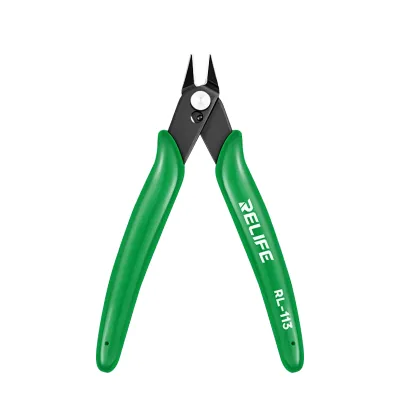
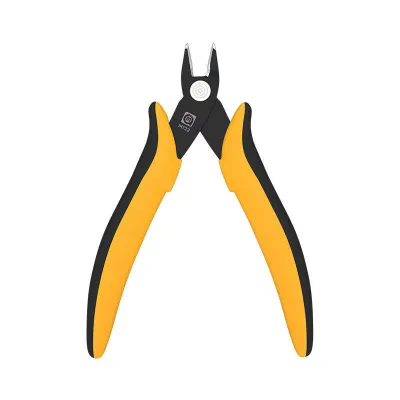
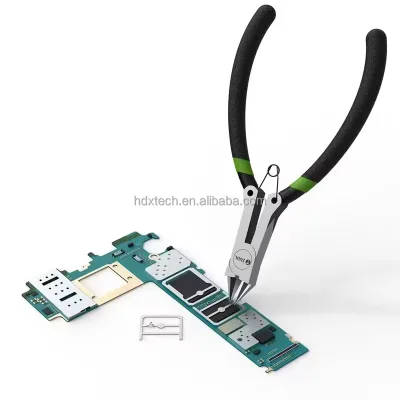
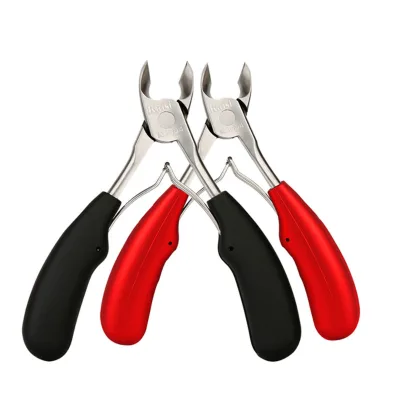
Comprehensive Sourcing Guide
Hand Pliers Phone Card Extractor Sourcing Guide
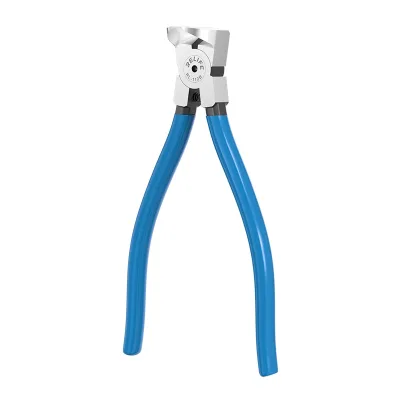
The market for hand pliers designed for phone card extraction presents a specialized niche within general hardware tools, often blending cutting and stripping functions with precision tips. Buyers should note that observed listings indicate a wide variance in material composition, ranging from stainless steel to high carbon steel, which directly impacts durability and corrosion resistance for frequent use. The primary application involves delicate tasks in building decoration and general construction where precise wire manipulation or card removal is required without damaging surrounding components.
Procurement strategies must account for the diverse structural designs available, including arched, crooked, and straight shaft styles, alongside box joint and half-box joint configurations. These mechanical differences dictate the tool's leverage and access in tight spaces, making it essential to verify the specific shaft style against the intended installation environment. While some units are marketed as combination pliers, others function specifically as punch pliers, requiring buyers to distinguish between general cutting capabilities and specialized extraction functions before placing orders.
Product Scope and Observed Listing Signals
Current market data reveals a significant price spread, with observed listings ranging from $0.56 to $17.20 USD, reflecting differences in material quality, branding, and packaging complexity. This variance suggests that low-cost options may utilize standard high carbon steel with basic rubber sleeves, while premium units often feature chrome vanadium steel and ergonomic handles designed for extended professional use. Buyers must scrutinize the selling units, as many suppliers offer single-item sales, though bulk packaging options like Oxford bags or brown boxes are frequently available for larger orders.
The observed minimum order quantities (MOQ) span from 1 to 1200 units, indicating flexibility for both small-scale retailers and large distributors. Customization is a prominent feature in this category, with suppliers offering logo printing, custom box designs, and nylon bag packaging to meet specific branding requirements. However, the presence of customization does not guarantee uniformity in performance; therefore, buyers should request samples to verify that the customized packaging does not compromise the tool's structural integrity or the precision of the extraction tips.
Technical Specifications to Verify
When evaluating technical specifications, the physical dimensions of the tool are critical, with observed lengths varying from 6 inches to 8 inches and folded sizes around 10.6 centimeters. The open size of approximately 16.8 centimeters is a common standard, but buyers must confirm the exact folded dimensions to ensure the tool fits within specific storage or transport containers. Additionally, the weight of the unit, observed at 333 grams for certain models, serves as a proxy for material density and balance, influencing user fatigue during prolonged extraction tasks.
Material composition is another vital verification point, as the supply chain lists both stainless steel and high carbon steel options. Stainless steel offers superior corrosion resistance, making it ideal for humid environments, whereas high carbon steel provides enhanced hardness for cutting and crimping tasks. Buyers should also verify the handle construction, specifically looking for comfortable rubber sleeves that prevent slippage, and confirm the presence of specific features like wire stripping or punching capabilities if the tool is intended for multi-function use in telecommunications or electrical work.
Compliance and Safety Documentation
While specific certification documents are not explicitly detailed in the provided product facts, buyers must ensure that all tools meet general international safety standards for hand tools, particularly regarding edge sharpness and structural stability. The observed standard codes, such as 16.8/10.6 or 357g, likely refer to dimensional or weight specifications rather than safety certifications, so procurement teams should request independent test reports to verify that the tools do not pose injury risks during operation. This is especially important for tools used in construction and building decoration where safety compliance is often mandated by local regulations.
Documentation regarding the manufacturing origin, specifically from Guangdong or Jiangsu in China, should be cross-referenced with the supplier's quality management systems to ensure consistent production standards. Buyers should verify that the packaging, whether it is an OPP bag, Oxford bag, or carton, includes clear labeling of the product model and safety warnings. Ensuring that the supplier can provide traceability for the steel used, such as high-quality chrome vanadium, is essential for maintaining liability protection and ensuring the tool performs reliably under stress without sudden failure.
Cost Drivers and Commercial Terms
The cost of these hand pliers is heavily influenced by the choice of steel, with chrome vanadium and high carbon steel commanding higher prices than standard alloys. Packaging complexity also drives costs, as options ranging from simple OPP bags to multi-layered Oxford and brown box combinations add material and labor expenses. Buyers should analyze the trade-off between unit price and packaging quality, as robust packaging is often necessary to prevent damage during international shipping, particularly for tools with delicate extraction tips or precision joints.
Commercial terms such as delivery time and capacity are critical for supply chain planning, with observed lead times of 30 days and production capacities noted at 20kg per unit or batch. These figures suggest that suppliers may have specific batch processing limits, requiring buyers to plan orders well in advance to avoid delays. Additionally, the availability of samples allows buyers to validate quality before committing to larger volumes, but the cost of these samples and the associated shipping should be factored into the total landed cost calculation to ensure the project remains within budget.
Supplier Qualification and Quality Control
Supplier qualification should focus on verifying the consistency of their production processes, particularly regarding the customization of logos and packaging which can introduce variability in quality control. Buyers must ensure that the supplier has a robust system for inspecting the box joint and half-box joint structures to prevent loosening or misalignment during use. The observation of different shaft styles, such as arched or crooked, requires that the supplier maintains strict tolerances to ensure that each tool performs identically to the approved sample.
Quality control protocols should include rigorous testing of the cutting and stripping functions to confirm that the tools meet the advertised performance claims of twisting and cutting. Since the application age is listed as adult, the tools must be robust enough to withstand significant force without deforming. Buyers should request evidence of the supplier's ability to maintain the specified weight and dimensions across large production runs, ensuring that the 333g weight or 8-inch length remains consistent regardless of the batch size or customization level.
Long-Term Procurement Checks
Establishing a long-term procurement relationship requires regular audits of the supplier's ability to maintain material consistency, particularly the switch between stainless steel and high carbon steel options. Buyers should implement a schedule for periodic re-testing of samples to ensure that the tools continue to meet the original specifications for length, weight, and structural integrity over time. This is crucial for maintaining brand reputation, as any deviation in the quality of the extraction tips or handles could lead to customer dissatisfaction and increased return rates.
Monitoring the supply chain for changes in lead times and capacity is also essential for long-term stability, as the observed 30-day delivery time and 20kg capacity may fluctuate based on raw material availability. Buyers should maintain open communication channels with suppliers to anticipate potential disruptions and adjust order quantities accordingly. Finally, reviewing the customization options annually ensures that the branding and packaging remain aligned with market trends and regulatory requirements, securing a competitive edge in the hardware tool market.
FAQs
What materials are used for Hand Pliers Phone Card Extractor tools?
These tools are typically manufactured from stainless steel or high carbon steel to ensure durability and resistance to corrosion. Some premium variants utilize high quality chrome vanadium steel for enhanced strength. The choice of material directly impacts the tool's longevity and performance during cutting and stripping tasks in construction or decoration applications.
Can I customize the logo and packaging for these pliers?
Yes, customization is available for both logo and packaging options. Buyers can request specific branding on the tool or choose from packaging styles such as Oxford bags, brown boxes, or nylon bags. This flexibility allows businesses to tailor the product presentation to their specific market requirements or corporate identity standards effectively.
What is the typical weight and size of these combination pliers?
The standard weight for these tools is approximately 333 grams, providing a balanced feel for extended use. Sizes vary, with common models measuring 16.8 cm when open and 10.6 cm when folded. Other specifications include 6-inch and 8-inch lengths, catering to different grip preferences and operational needs for various hardware tasks.
Which functions do these hand pliers perform effectively?
These pliers are designed for cutting, wire stripping, crimping, and punching operations. The arched or straight shaft styles facilitate access to tight spaces, while the box joint or half-box joint structures provide mechanical advantage. This multi-functionality makes them suitable for building decoration and general construction tool applications requiring precision and reliability.
What is the lead time for ordering these hardware tools?
The standard delivery time for these products is 30 days from order confirmation. This timeframe allows for production and quality checks before shipment. Buyers should consider this lead time when planning inventory, especially for bulk orders where packaging in cartons or individual OPP bags may require additional logistical coordination for global distribution.