Source Hand Weeder for Paddy Fields, Rice Fields, and Arable Land
Compare 30 Hand Weeder models from verified Chinese suppliers. Buyers can evaluate specifications like engine type, traction method, and weeding width for paddy fields, rice fields, and general arable land applications; compare the available evidence and request quotations based on your requirements.
Key considerations
Products List


Easy to Turn Ditching Ridging Power Weeder
$210.00 - $720.00
MOQ: 1 Pieces
Shandong Liying Agricultural Technology Development Co., Ltd.


Power Weeder 5.5HP with Petrol Honda Engine
$180.00 - $300.00
MOQ: 1 Pieces
Shandong Liying Agricultural Technology Development Co., Ltd.


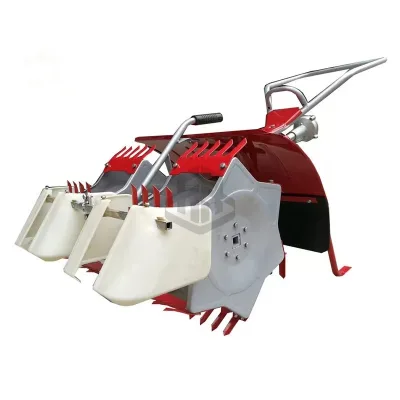
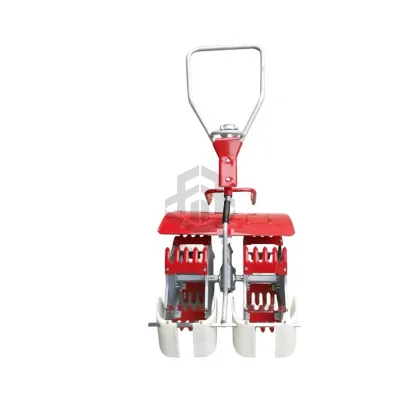


Agricultural Machinery Grass Weeder 4 Stroke Power Weeder Mini Tiller
$155.00 - $165.00
MOQ: 20 Pieces


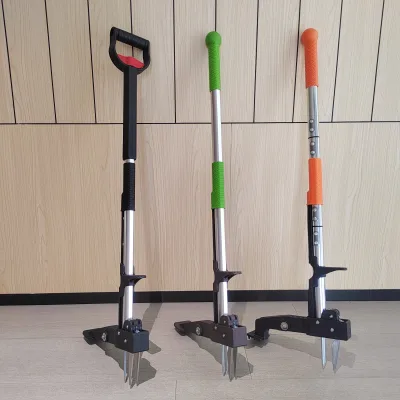
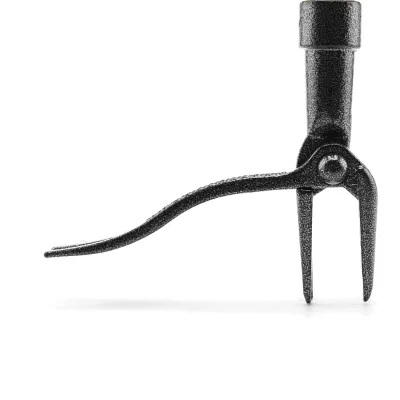
Manual Farm Weeder Machine Farm Machine Cultivator Weeder with Lowest Price
$1098.00 - $1198.00
MOQ: 1 Sets


Comprehensive Sourcing Guide
Hand Weeder Sourcing Guide
Procuring hand weeders for agricultural or landscaping operations requires a clear understanding of the distinction between manual tools and powered cultivation equipment. The market offers a wide spectrum of solutions, ranging from simple ergonomic implements to complex, engine-driven machines designed for continuous soil preparation. Buyers must first define their operational scale and terrain type to select the appropriate category. For small-scale or precision tasks, lightweight manual units are often sufficient, whereas large-scale farming operations may require robust, gasoline-powered rotary tillers or semi-hanging cultivators that offer higher throughput and reduced labor intensity.
This guide focuses on the technical and commercial considerations for sourcing these diverse tools, with a specific emphasis on powered hand-held or semi-mounted weeders and tillers. The provided data highlights key attributes such as power sources, drive types, and certification standards that are critical for making informed purchasing decisions. By examining these factors, procurement teams can align their acquisitions with specific operational needs, ensuring that the selected equipment meets both performance expectations and regulatory requirements for safety and environmental compliance in various application fields.
Product Scope and Observed Listing Signals
The observed product listings reveal a diverse range of agricultural machinery, primarily centered around soil preparation and weed control. Key models include the BSD 1350 DE, a vertical shaft rotary tiller powered by gasoline with a gear drive, and the LS-tiller, a hanging traction unit suitable for both forestry and agriculture. Additionally, the JS-63CC represents a compact, two-stroke engine option with a 63cc displacement, while the AM-PW1 is a specialized weeder designed specifically for paddy field applications, featuring a weeding width of 16cm and a lightweight design of 3.5kg. These variations indicate that buyers must carefully match the machine type to their specific crop and soil conditions.
Color and packaging details provide further insight into the product variants available. The BSD 1350 DE is noted in green and packed in a wooden case, while the LS-tiller is red and packaged in a wooden box. The JS-63CC comes in a standard box, and the AM-PW1 is packed in a carton box. These packaging differences suggest varying levels of protection and logistics considerations, with wooden cases likely intended for heavier, more fragile machinery. Buyers should consider these packaging standards when calculating shipping costs and ensuring that the equipment arrives undamaged, especially for international shipments where handling conditions can vary significantly.
Technical Specifications to Verify
When evaluating technical specifications, the power source and engine type are paramount for determining operational efficiency. The BSD 1350 DE and LS-tiller utilize gasoline engines, with the latter featuring a 63cc two-stroke engine that operates at an idling speed of 2800rpm and has a rated power input of 0.85kw. The fuel mixture ratio for the JS-63CC is specified as 25:1, requiring a blend of gasoline and two-cycle oil. Buyers must verify these engine parameters to ensure compatibility with local fuel availability and maintenance capabilities. Additionally, the start mechanism, which can be either hand start or electric start, should be selected based on user preference and operational frequency.
Drive type and traction mechanism are critical for matching the equipment to the terrain. The BSD 1350 DE employs a gear drive and traction type, suitable for continuous running operation in soil preparation. In contrast, the LS-tiller uses a hanging traction type, while the AM-PW1 features a semi-hanging configuration. These differences affect how the machine interacts with the ground and the operator. For paddy fields, the AM-PW1’s specific design, including its 80-100cm height and 16cm weeding width, is optimized for removing weeds without damaging rice plants. Buyers should verify these mechanical configurations to ensure the equipment can handle the specific soil conditions and crop requirements of their operation.
Compliance and Safety Documentation
Certification is a non-negotiable aspect of sourcing agricultural machinery, particularly for international trade. The provided data indicates that products may carry ECE, CE, EU, and ISO 9001 certifications. The ECE and CE marks are essential for market access in Europe, ensuring that the equipment meets strict safety and environmental standards. The ISO 9001 certification suggests that the manufacturer adheres to quality management principles, which can be a proxy for consistent product quality. Buyers must request valid certification documents for each model to verify compliance with local regulations and to avoid potential customs delays or legal issues.
Safety documentation should also include detailed user manuals and maintenance guides. For gasoline-powered equipment, it is crucial to have clear instructions on fuel handling, engine maintenance, and emergency shutdown procedures. The JS-63CC, for instance, requires a specific fuel mixture, and incorrect usage can lead to engine damage. Buyers should ensure that the supplier provides comprehensive documentation in the target market’s language. Additionally, verifying that the equipment meets relevant safety standards for moving parts, such as guards on rotary tillers, is essential to protect operators from injury during use.
Cost Drivers and Commercial Terms
The price range for the observed products spans from $1 to $1198, reflecting the significant variation in complexity and power. Basic manual or semi-manual weeders like the AM-PW1 are likely at the lower end of this spectrum, while more complex gasoline-powered tillers such as the BSD 1350 DE command higher prices due to their engine components and robust construction. Buyers should analyze the cost per unit in relation to the expected lifespan and maintenance requirements. Higher initial costs may be justified by greater durability and efficiency, particularly for large-scale operations where downtime is costly.
Minimum Order Quantity (MOQ) values range from 1 to 500 units, offering flexibility for both small and large buyers. Low MOQs allow for trial orders to test equipment performance before committing to larger volumes. However, higher MOQs may offer better unit pricing and more favorable shipping terms. Buyers should negotiate MOQs based on their storage capacity and cash flow constraints. Additionally, payment terms and lead times should be clarified early in the procurement process to ensure that the supply chain can meet operational deadlines. Understanding these commercial terms helps in budgeting accurately and avoiding unexpected costs.
Supplier Qualification and Quality Control
Supplier qualification begins with verifying the origin and manufacturing capabilities. The products listed originate from China, with specific mentions of Hubei Province for certain models. Buyers should assess the supplier’s production capacity and quality control processes to ensure consistency. Requesting factory audits or third-party inspection reports can provide insights into the manufacturing standards. Suppliers with ISO 9001 certification are generally more reliable, as this indicates a structured approach to quality management. Buyers should also evaluate the supplier’s responsiveness and ability to provide technical support, which is crucial for resolving any issues that may arise during operation.
Quality control should extend to the packaging and shipping process. The use of wooden cases and boxes for heavier machinery suggests an awareness of the need for protection during transit. Buyers should verify that the packaging meets international shipping standards to prevent damage. Additionally, implementing a receiving inspection protocol is essential to check for any defects or missing components upon arrival. This includes verifying the model numbers, certifications, and physical condition of the equipment. Establishing a clear process for handling returns or claims for defective items is also important to mitigate risks associated with international procurement.
Long-Term Procurement Checks
Long-term procurement success depends on establishing a reliable supply chain and maintaining strong supplier relationships. Regular performance reviews of the equipment can provide valuable feedback for future purchasing decisions. Buyers should track metrics such as downtime, maintenance frequency, and operator satisfaction to assess the value of the acquired machinery. This data can be used to negotiate better terms with suppliers or to identify alternative products that may offer improved performance. Building a relationship with the supplier can also facilitate access to spare parts and technical updates, ensuring that the equipment remains operational over its lifespan.
Continuous monitoring of market trends and regulatory changes is essential for staying compliant and competitive. As environmental regulations become stricter, buyers should be aware of potential shifts in fuel requirements or emission standards for gasoline-powered equipment. Proactively engaging with suppliers about upcoming changes can help in planning for necessary upgrades or replacements. Additionally, exploring opportunities for bulk purchasing or long-term contracts can provide cost savings and supply security. By maintaining a strategic approach to procurement, buyers can ensure that their agricultural operations are supported by reliable, efficient, and compliant equipment.
FAQs
What certifications do the hand weeders have?
The hand weeders carry ECE, CE, and EU certifications to ensure compliance with international safety standards. Some models also meet ISO 9001 requirements for quality management. These certifications verify that the machinery is suitable for agricultural and forestry applications in various global markets.
Can I customize the Hand Weeder specifications?
Yes, customization is available for these Hand Weeder units to meet specific operational needs. Buyers can request adjustments to features like the arbor configuration or traction type. This flexibility allows farmers to select machines that best fit their field conditions and cultivation policies.
Which power sources are used for these tillers?
These rotary tillers utilize gasoline power sources for efficient operation in the field. Some models feature a two-stroke engine with a displacement of 63cc and a rated power input of 0.85kw. The fuel mixture ratio is typically 25:1, combining gasoline with two-cycle oil for optimal performance.
How are the hand weeders packaged for shipping?
The hand weeders are packaged in wooden cases, wooden packages, or carton boxes depending on the specific model. Packaging standards vary, with some units shipped in standard packages while others use specialized wooden cases. This ensures the machinery remains protected during transit from the origin in China to the destination.
What is the weight range of the Hand Weeder models?
The weight of the Hand Weeder models ranges from 3.5kg to 14.5kg depending on the design and application. Lighter units are suitable for paddy field weeding, while heavier models support continuous running operation for soil preparation. This variation allows users to choose based on their physical requirements.
Where are these agricultural machines manufactured?
These agricultural machines are manufactured in China, with specific production originating from Hubei Province. The products are designed for agriculture and forestry applications, ensuring they meet the demands of diverse farming environments. The origin ensures access to established supply chains and manufacturing capabilities.
What traction types are available for the tillers?
Available traction types include Traction, Hanging, and Semi Hanging configurations to suit different field requirements. The machines operate as arable machinery with movable operation capabilities for effective soil preparation. Selecting the right traction type ensures stability and efficiency during the continuous running operation in various terrains.