Source hand-woven heart alloy keychain for Gifts, Promos, and Souvenirs
Find 30 hand-woven heart alloy keychain options from Guangdong and Zhejiang suppliers. Compare metal and leather materials, custom logo capabilities, and eco-friendly features for promotional gifts and daily use souvenirs; compare the available evidence and request quotations based on your requirements.
Updated
Key considerations
Products List
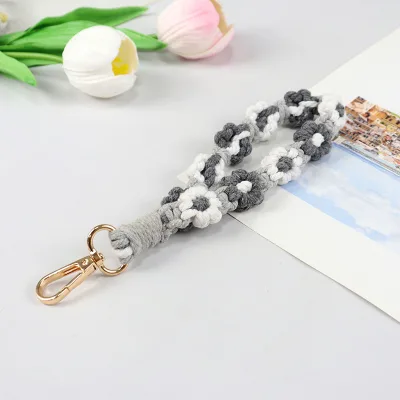

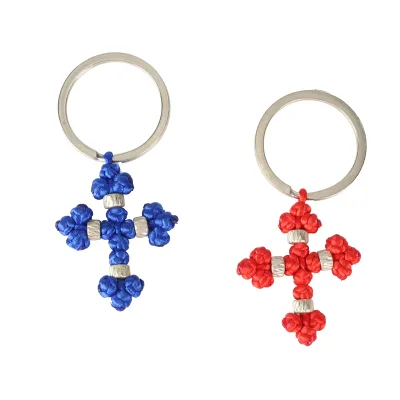


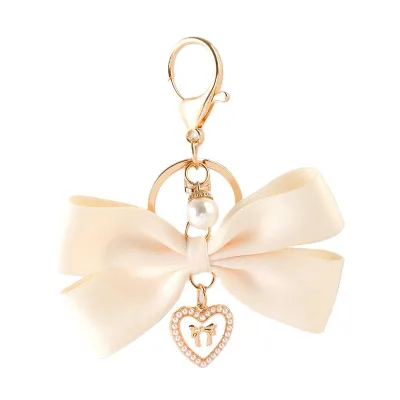


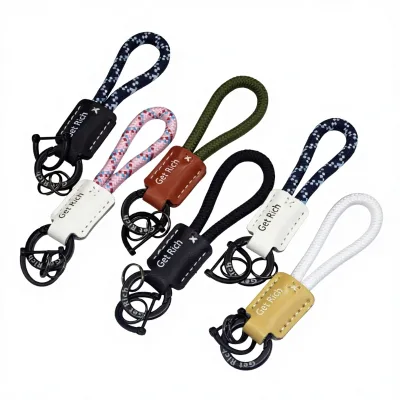
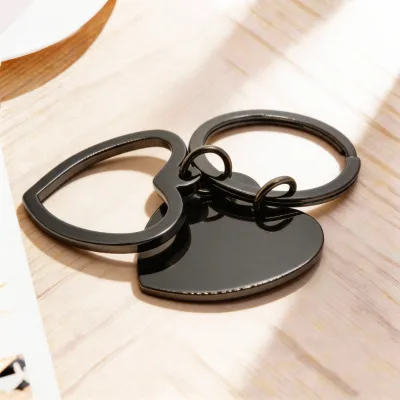
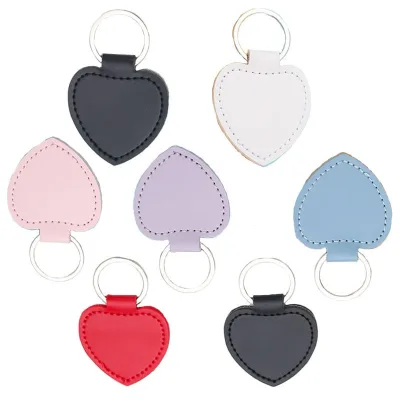


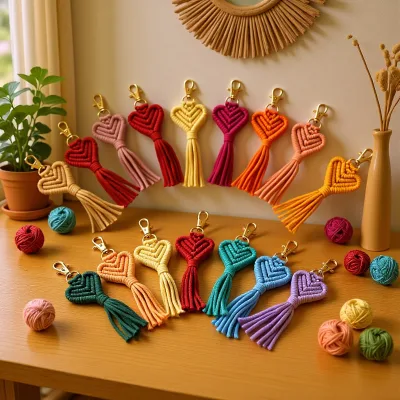
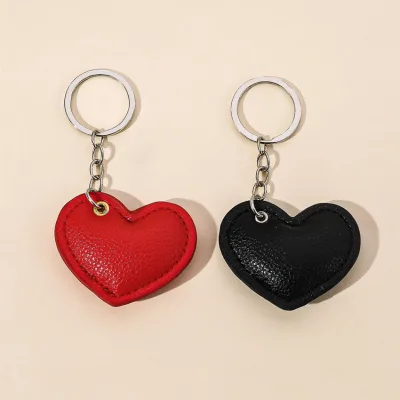

Comprehensive Sourcing Guide
Hand-Woven Heart Alloy Keychain Sourcing Guide
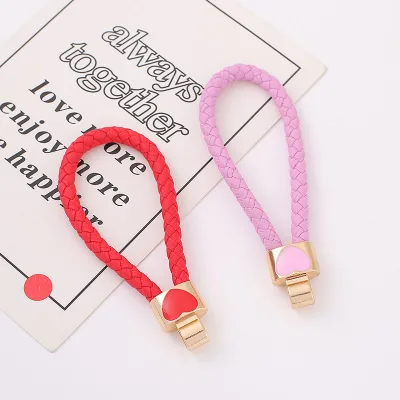
Sourcing hand-woven heart alloy keychains requires a nuanced understanding of the intersection between textile craftsmanship and metal fabrication. Buyers must recognize that these items are not standard molded plastics but composite goods involving woven threads, often rayon or similar fibers, attached to metal components. The observed market data indicates a strong presence of suppliers in Guangdong and Zhejiang provinces, China, which are established hubs for both metal alloy processing and textile accessory manufacturing. This geographic concentration suggests a mature supply chain capable of handling complex assembly processes, yet it also implies high competition. Procurement teams should leverage this density to negotiate better terms while remaining vigilant about quality consistency across different weaving techniques and metal finishes.
The term "hand-woven" in product listings often refers to the visual texture or the use of woven fabric elements rather than strictly manual labor for every unit. Many observed listings specify techniques such as "woven" or "embroidery," with materials ranging from alloy to PU leather and rayon. Buyers should clarify whether the "heart" shape is a rigid metal stamping or a soft woven patch attached to a metal ring. The observed product types include light keychains, embroidery keychains, and handmade variations, indicating a broad spectrum of manufacturing capabilities. Understanding these distinctions is critical for defining technical specifications, as the durability and aesthetic appeal vary significantly between purely metal constructions and those incorporating woven textile elements.
Product Scope and Observed Listing Signals
The current market landscape for alloy keychains reveals a diverse array of product configurations, with observed listings highlighting features such as embossing printing, custom logos, and eco-friendly material claims. Prices observed in the market range from $0.05 to $2.50 USD, reflecting the wide variance in material quality, complexity of weaving, and order volume. Minimum Order Quantities (MOQs) are similarly flexible, ranging from as low as 1 piece for sampling up to 1,200 pieces for bulk production. This flexibility allows buyers to test market response with small batches before committing to large-scale orders, reducing initial financial risk. However, the low MOQs often come with higher per-unit costs, necessitating a careful cost-benefit analysis based on projected sales volume.
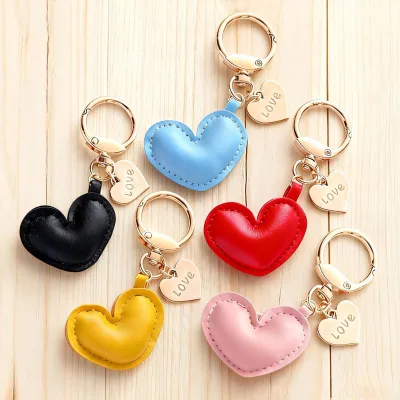
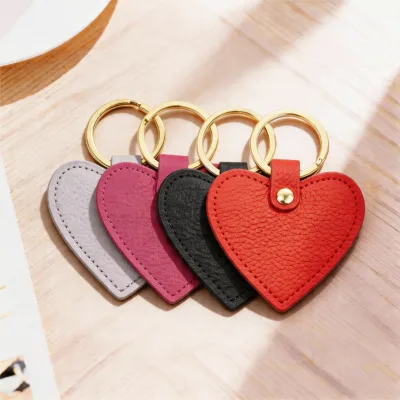
Color options and customization capabilities are significant drivers in this category, with suppliers offering extensive palettes including light gray, platinum yellow, bean paste green, and various multi-color combinations. The observed data shows that customization is widely available, including custom sizes, colors, and logo engraving or printing. Some listings specify model numbers like FHT5603 or Yyysk, indicating standardized production lines that can be adapted for branding. Buyers should note that while "handmade" is a common descriptor, many products are mass-produced with manual finishing touches. The presence of "eco-friendly" features suggests a growing market demand for sustainable materials, though buyers must verify the specific certifications or material compositions to ensure these claims align with their corporate sustainability goals.
Technical Specifications to Verify
Verifying technical specifications is paramount when sourcing alloy keychains, particularly regarding material composition and dimensional accuracy. Observed listings specify materials such as alloy, stainless steel, PU leather, and rayon, each with distinct durability and aesthetic properties. Buyers must confirm the exact metal type, as "alloy" can encompass a wide range of base metals with varying corrosion resistance and weight. The observed single gross weight of 0.040 kg for certain models provides a baseline, but variations in metal thickness and weaving density can affect this. Additionally, size specifications vary, with observed dimensions including 3.5cm5cm, 133 Cm, and 4.5*4cm. Precise dimensional control is essential for ensuring compatibility with standard keyrings and for maintaining brand consistency across large orders.
The manufacturing technique, often described as "woven" or "embroidery," requires careful inspection to ensure structural integrity. The connection between the woven heart element and the metal ring or attachment point is a critical failure point. Buyers should request samples to test the tensile strength of the weave and the security of the metal clasp or ring. Observed listings mention techniques like engraving and embossing, which add aesthetic value but may introduce sharp edges if not properly finished. Furthermore, the "irregular" shape mentioned in some listings suggests that molds or weaving patterns may not be perfectly symmetrical, which is acceptable for artisanal styles but may be undesirable for premium branding. Clear technical drawings and tolerance specifications should be agreed upon before production begins to avoid disputes over quality.
Compliance and Safety Documentation
Compliance with international safety standards is non-negotiable for keychain exports, particularly those destined for markets with strict regulations on children's products or general consumer goods. While specific certification statuses were not explicitly detailed in the observed listings, buyers must proactively request documentation such as REACH compliance for the European market or CPSIA compliance for the United States. These regulations often restrict the use of certain heavy metals, such as lead and cadmium, in alloy components. Buyers should verify that the alloy used meets these stringent limits, especially if the keychain is marketed as a gift or toy accessory. The "eco-friendly" claims observed in some listings should be backed by verifiable material safety data sheets (MSDS) or third-party test reports to avoid greenwashing accusations.
Additionally, labeling and packaging requirements must be adhered to, including country of origin markings and material composition labels. Observed listings indicate origins in Guangdong and Zhejiang, China, which are generally compliant with export standards, but buyers must ensure that the final packaging meets the destination country's labeling laws. The use of OPP bags for packing, as noted in some listings, is common but must be evaluated for child safety warnings if applicable. Buyers should also consider the environmental impact of packaging materials, as many retailers now prefer recyclable or biodegradable options. Ensuring that all documentation is accurate and up-to-date prevents customs delays and potential legal liabilities, safeguarding the brand's reputation in international markets.
Cost Drivers and Commercial Terms
Understanding the cost drivers for alloy keychains involves analyzing material costs, labor intensity, and order volume. The observed price range of $0.05 to $2.50 USD is influenced by the complexity of the weaving process, the type of metal used, and the extent of customization. High-volume orders typically benefit from lower per-unit costs due to economies of scale in metal stamping and weaving. However, custom designs, such as unique heart shapes or specific color combinations, may incur additional setup fees or higher material costs. Buyers should negotiate clearly on whether tooling costs for custom molds or weaving patterns are included in the unit price or charged separately. Transparency in pricing structures helps in accurate budgeting and prevents unexpected expenses during production.
Commercial terms, including payment methods, lead times, and shipping arrangements, also significantly impact the total cost of ownership. Observed listings mention sample times of 3-5 days, which is relatively quick, but bulk production lead times can vary based on order size and supplier capacity. Buyers should establish clear delivery schedules and penalties for delays to mitigate supply chain disruptions. Payment terms, such as deposits and balance payments upon shipment, should be negotiated to balance risk between buyer and supplier. Additionally, shipping costs can be substantial for low-value, high-volume items like keychains, so optimizing packaging density and selecting efficient logistics partners is crucial. Understanding these commercial dynamics allows buyers to structure deals that maximize value while maintaining healthy supplier relationships.
Supplier Qualification and Quality Control
Supplier qualification is a critical step in ensuring consistent quality and reliable delivery for alloy keychain orders. Buyers should conduct thorough due diligence, including verifying business licenses, factory audits, and past performance records. The observed concentration of suppliers in Guangdong and Zhejiang suggests a competitive market, but not all suppliers maintain the same quality standards. Buyers should prioritize suppliers with proven experience in producing woven metal accessories and those who offer transparent communication channels. Requesting references from previous clients can provide insights into the supplier's reliability, responsiveness, and ability to handle custom orders. A robust supplier qualification process reduces the risk of receiving substandard products or experiencing production delays.
Quality control measures must be implemented throughout the production process, from raw material inspection to final packaging. Buyers should define clear quality acceptance criteria, including checks for weave integrity, metal finish, color accuracy, and dimensional tolerance. Implementing a pre-production sample approval process is essential to ensure that the final product matches the agreed specifications. During production, random sampling and in-line inspections can help identify and correct defects early. A final random inspection before shipment is recommended to verify that the order meets all quality standards. Establishing a clear protocol for handling non-conforming products, including rework or replacement, ensures that the buyer receives goods that meet their expectations and maintains brand integrity.
Long-Term Procurement Checks
Long-term procurement success for alloy keychains depends on continuous monitoring of supplier performance and market trends. Buyers should establish key performance indicators (KPIs) to track metrics such as on-time delivery, defect rates, and responsiveness to issues. Regular performance reviews with suppliers help identify areas for improvement and foster a collaborative relationship. Additionally, staying informed about changes in material costs, labor rates, and regulatory requirements is essential for anticipating potential disruptions. The observed market data indicates a dynamic landscape with frequent new designs and customization options, so buyers should regularly review their product offerings to ensure they remain competitive. Building a diversified supplier base can also mitigate risks associated with reliance on a single source.
Sustainability and ethical sourcing are increasingly important considerations for long-term procurement strategies. Buyers should evaluate suppliers' environmental practices, including waste management and energy usage, and their adherence to labor standards. The observed "eco-friendly" claims in some listings highlight a market trend towards sustainable products, which buyers can leverage to enhance their brand image. Engaging suppliers in sustainability initiatives, such as using recycled metals or biodegradable packaging, can create mutual value and strengthen the supply chain. By prioritizing ethical and sustainable practices, buyers not only comply with growing consumer demands but also contribute to a more resilient and responsible global supply chain. Continuous improvement and adaptation are key to maintaining a competitive edge in the evolving keychain market.
FAQs
What materials are used for the keychain?
The keychain is crafted from metal alloy and rayon fabric. Some variants also utilize PU leather for a different texture. These materials ensure durability and a premium feel. The woven technique adds strength to the structure. This combination supports eco-friendly production standards while maintaining a classic style suitable for daily use and promotional gifts.
Can I customize the logo on the keychain?
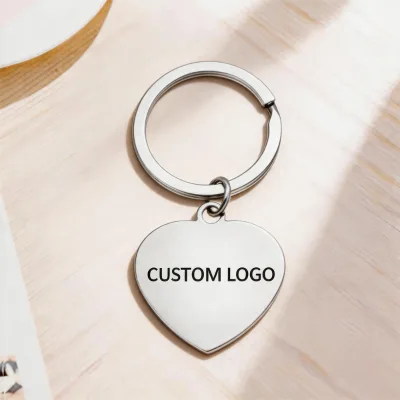
Yes, custom logos are available for these keychains. Buyers can request specific branding to suit their promotional needs. The customization process allows for unique designs on the metal or fabric surfaces. This service supports various application scenarios, including daily life souvenirs and corporate giveaways. Contact suppliers to discuss specific logo requirements and design constraints.
What is the minimum order quantity for these items?
The minimum order quantity varies by supplier and product model. Observed MOQs range from 50 pieces to 1200 pieces. Some models require higher volumes due to production constraints. Buyers should check specific product listings for exact MOQ requirements. This flexibility allows small businesses to test markets while larger orders benefit from economies of scale in manufacturing.
Where are these keychains manufactured?
These keychains are primarily manufactured in Guangdong and Zhejiang provinces in China. Specific origins include Zhongshan in Guangdong. These regions are known for strong manufacturing capabilities in metal and textile products. The location ensures efficient supply chain logistics. Buyers can verify specific factory locations during the sourcing process to ensure quality control and compliance with local standards.
How long does it take to produce a sample?
Sample production typically takes 3 to 5 days. This timeframe allows for quick turnaround on design proofs. Buyers can review the sample quality before committing to bulk orders. The sample time may vary based on customization complexity. This rapid prototyping supports efficient decision-making for promotional campaigns and ensures the final product meets specific aesthetic and functional requirements.
What sizes are available for the keychain?
Available sizes include 3.5cm by 5cm and 13cm by 3cm. Custom sizes are also offered to meet specific design needs. The single package size is approximately 20.0 by 5.0 by 1.0 cm. These dimensions ensure the keychain is portable and practical. Buyers can select standard sizes or request custom dimensions to fit specific branding or functional requirements for their target audience.