Find Handmade Crystal Rabbit Figurine for Gifts, Decor, and Collections
Explore 30 listings of Handmade Crystal Rabbit Figurine options featuring natural crystal and resin materials. Buyers can compare customization levels, production times, and packaging details to find the ideal piece for business gifts, home decoration, or art collections.
Key considerations
Products List


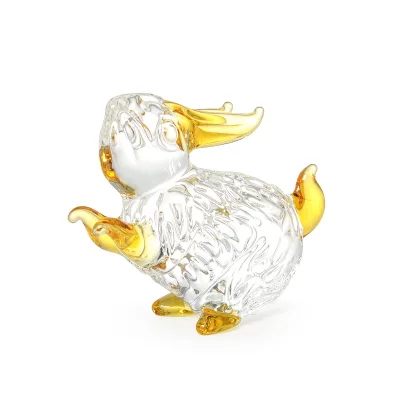
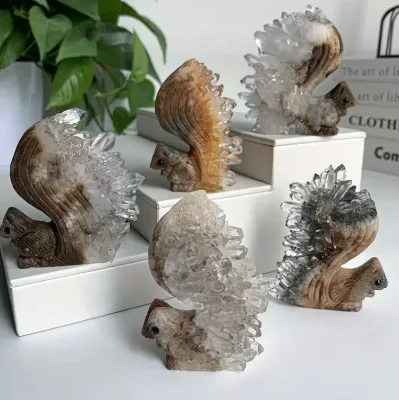
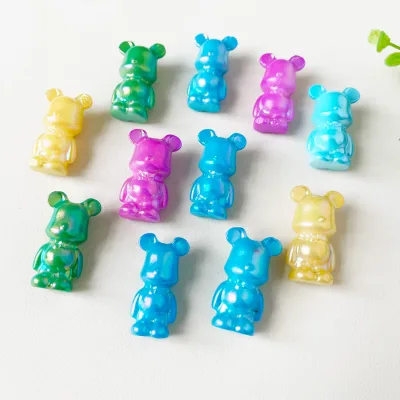
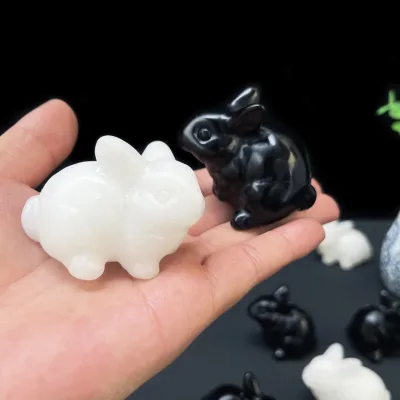




Comprehensive Sourcing Guide
Strategic Sourcing Guide for Handmade Crystal Rabbit Figurines
The global market for decorative collectibles has seen a sustained rise in demand for artisanal items that blend traditional craftsmanship with modern aesthetic appeal. Among these, the Handmade Crystal Rabbit Figurine stands out as a versatile product suitable for diverse commercial and personal applications. For B2B procurement professionals, sourcing this specific item requires a nuanced understanding of material properties, manufacturing processes, and supply chain logistics. This guide provides a structured approach to evaluating potential suppliers and products, ensuring that procurement decisions are grounded in verified facts and industry best practices rather than unverified marketing claims.
Material Composition and Physical Specifications
The foundational element of any crystal rabbit figurine is its material composition. In the context of the current market, "crystal" often refers to high-clarity resin or natural crystal, depending on the price point and intended use. Procurement teams must verify the specific material declaration for each supplier. Some listings indicate the use of natural crystal, which offers a distinct VVS (Very Very Slightly Included) clarity and a specific weight range, typically between 80 and 100 grams for standard sizes. Other variations utilize resin as the primary medium, often treated with paint to achieve specific color profiles.
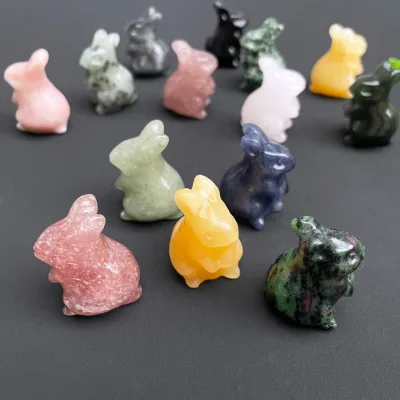
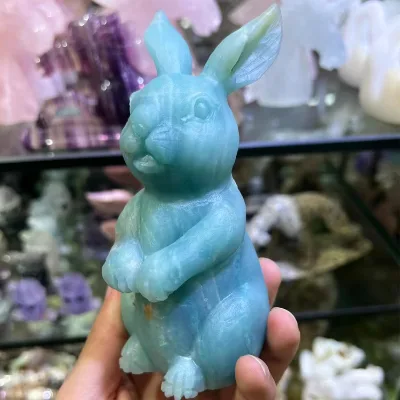
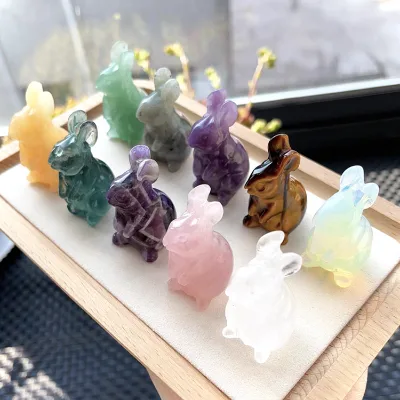
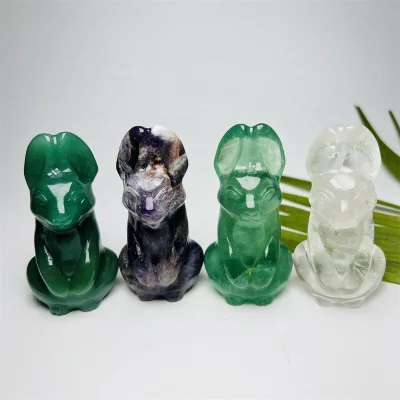
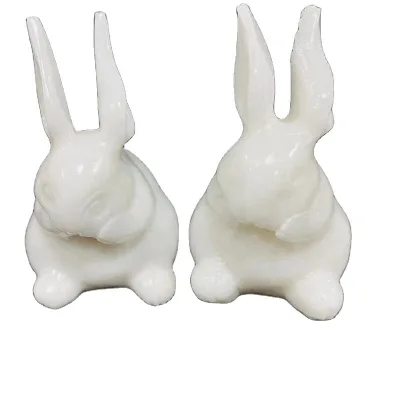
When evaluating physical specifications, buyers should look for precise dimensional data. Standard models in this category often adhere to specific size constraints, such as a height of approximately 2 inches or dimensions around 78.5mm by 28.2mm by 61.4mm. Smaller variants may fall within a 3-5cm range, suitable for different display contexts. The color palette is a critical differentiator; observed market data suggests a wide availability of hues including yellow, white, transparent, silver, red, purple, green, brown, and black. The finish is typically achieved through a combination of molding, polishing, and hand-carving techniques, resulting in a surface treatment that is painted to enhance the visual appeal of the crystal or resin structure.
Manufacturing Processes and Artisanal Value
The "handmade" designation is a primary value driver for this product category, but it requires careful verification. The production process generally involves multiple stages: design, engraving, molding, and polishing. Crucially, the final assembly often includes hand-carving, which distinguishes these items from mass-produced, machine-molded figurines. This manual intervention ensures that each piece possesses unique characteristics, aligning with the "Natural" style attribute often observed in high-quality listings.
The production timeline is a significant logistical factor. While some suppliers may offer rapid turnaround for samples, the full production cycle for custom orders can extend between 45 to 50 days. This duration accounts for the intricate nature of hand-carving and the curing times required for resin or crystal treatments. For buyers requiring urgent stock, understanding this lead time is essential to avoid supply chain bottlenecks. Conversely, sample times are generally shorter, often around 15 days, allowing for quality assessment before committing to a larger order. The transportation method, whether by sea or air, should be selected based on the urgency of the delivery and the fragility of the crystal material.
Customization Capabilities and Model Variations
One of the most attractive features of sourcing handmade crystal rabbit figurines is the extensive customization potential. Suppliers frequently offer OEM (Original Equipment Manufacturer) services, allowing buyers to request specific designs, sizes, and branding. The production standard is often flexible, adhering to "as picture shown" specifications or accommodating custom size requests. This flexibility extends to the theme of the figurine, which can range from sports and mascots to human figures, crosses, and animals.
Model numbers serve as a critical reference for buyers when managing inventory and communicating with suppliers. A typical product line may include specific model identifiers such as C-RB02RQ20, C-RB02GV20, C-RB02DA20, and C-RB02CJ20, each potentially representing a different color or slight design variation. Other models, such as C-PX02BC25 or C-SU02BO20, may indicate different themes or sizes. Buyers should ensure that the model number provided in the purchase order matches the exact specifications required, particularly regarding the "Pattern" attribute, which is often listed as "other" to denote unique or custom designs. The ability to customize packaging, such as using PP bags, polyfoam, inner boxes, and export cartons, is also a standard offering to ensure product safety during transit.
Cost Drivers and Minimum Order Quantities
Understanding the cost structure of handmade crystal figurines is vital for budgeting and margin analysis. The price range in the market is broad, observed between $0.10 and $36.49 USD, reflecting the variance in material quality, size, and complexity of the hand-carving. The primary cost drivers include the raw material (natural crystal vs. resin), the labor intensity of the hand-carving process, and the level of customization required.
Minimum Order Quantities (MOQ) vary significantly depending on the supplier and the specific product configuration. Some suppliers set a standard MOQ of 500 pieces, which is typical for custom production runs to justify the setup costs of molds and the allocation of artisan labor. However, other suppliers offer more flexible terms, with MOQs as low as 1 piece or 5 pieces, catering to small businesses or those testing the market. It is important to note that while low MOQs are available, the unit price may be higher due to the lack of economies of scale. Additionally, sample costs often require the buyer to cover freight charges, even if the sample unit itself is provided at no cost or a nominal fee.
Supplier Evaluation and Geographic Considerations
When selecting a supplier, geographic origin plays a role in logistics and cost efficiency. The majority of handmade crystal figurines in this category originate from specific manufacturing hubs in China, such as Fujian Province and Jiangsu Province. These regions are known for their expertise in resin casting and crystal processing. Buyers should verify the specific "Place of Product" or "Place of Origin" to ensure alignment with their supply chain strategy.
Supplier evaluation should focus on the consistency of their production capabilities. Key indicators include the clarity of the material (VVS for natural crystal), the precision of the hand-carving, and the reliability of their delivery timelines. Buyers should request detailed product photos and, if possible, physical samples to verify the "As picture shown" standard. The packaging standard is also a critical evaluation point; products should be shipped in export cartons with internal protection like polyfoam to prevent breakage, a common risk with crystal and resin items. While specific brand names like "Boheng" may appear in listings, buyers should prioritize the supplier's overall track record and quality control measures over brand recognition alone.
Quality Control and Compliance Standards
Quality control for handmade crystal figurines requires a multi-layered approach. Since the production involves manual processes, there is an inherent risk of variation between units. Buyers must establish clear acceptance criteria based on the "prod_standard," which is often defined as "as picture shown" or specific custom dimensions. Visual inspection should focus on the clarity of the crystal, the smoothness of the painted surface, and the integrity of the hand-carved details.
Compliance and certification checks are essential, particularly for products intended for export to markets with strict safety regulations. While specific certification data is not universally provided for all listings, buyers should verify that the materials used (resin or crystal) meet relevant safety standards for decorative items. For products intended as business gifts or holiday gifts, ensuring that the packaging and labeling comply with the destination country's import regulations is crucial. The "Transportation" method should also be selected with care; air freight may be necessary for high-value, fragile items to reduce handling risks, while sea freight is more cost-effective for large bulk orders.
Long-Term Procurement and Application Strategy
The long-term viability of sourcing handmade crystal rabbit figurines depends on the alignment of the product with the buyer's market strategy. These items are highly versatile, suitable for applications ranging from home decoration and art collection to business gifts and holiday promotions. The "Natural" style and the specific themes available (such as sports, mascots, or animals) allow for targeted marketing to different consumer segments.
For long-term procurement, building a strong relationship with a reliable supplier is key. Given the production time of 45-50 days, buyers should plan their inventory cycles well in advance to avoid stockouts. Establishing a clear communication channel for custom orders and maintaining a consistent order volume can help secure better pricing and prioritize production slots. Additionally, buyers should consider the potential for seasonal demand spikes, particularly around holidays, and adjust their ordering schedules accordingly. By focusing on verified specifications, clear customization parameters, and robust quality control, buyers can successfully integrate handmade crystal rabbit figurines into their product portfolios while mitigating the risks associated with artisanal manufacturing.
FAQs
What materials are used for handmade crystal rabbit figurines?
These figurines are primarily made from natural crystal or resin. Natural crystal offers VVS clarity and typically weighs between 80 to 100 grams, while resin options are often painted to achieve various colors like yellow, white, or transparent.
How long does production take for custom orders?
Full production for custom orders generally requires 45 to 50 days. This timeline accounts for the intricate hand-carving and molding processes, whereas sample creation usually takes about 15 days before bulk manufacturing begins.
What is the minimum order quantity for these figurines?
Minimum order quantities vary significantly by supplier, ranging from 1 piece to 500 pieces. Some vendors offer low MOQs of 1 or 5 pieces for testing, while standard custom runs often require a minimum of 500 pieces.
Can buyers request specific sizes and designs for these items?
Yes, suppliers offer extensive customization including OEM services and custom sizes. Production standards often follow the picture shown or allow for specific dimensions, with themes ranging from animals and sports to human figures and crosses.
Which regions in China manufacture these handmade figurines?
These items are primarily manufactured in Fujian Province and Jiangsu Province, China. Buyers should verify the specific place of origin on product listings to ensure alignment with their logistics and supply chain strategies.
How are these figurines packaged for international shipping?
Standard packaging includes PP bags, polyfoam, inner boxes, and export cartons to prevent breakage. Some listings specify carton transportation, ensuring the fragile crystal or resin material is protected during sea or air freight transit.
What is the price range for handmade crystal rabbit figurines?
The observed price range spans from 0.10 to 36.49 USD per unit. Costs depend on material quality, size, and the complexity of the hand-carving process, with lower prices often associated with resin and higher prices with natural crystal.