Source Handmade Custom Logo Luggage Tag for Travel, Gifts, and Hotels
Explore 30 options for Handmade Custom Logo Luggage Tag products featuring leather and PVC materials. Compare specifications like size, color, and packaging to find suitable baggage accessories for travel, gifts, and hotel use; compare the available evidence and request quotations based on your requirements.
Key considerations
Products List


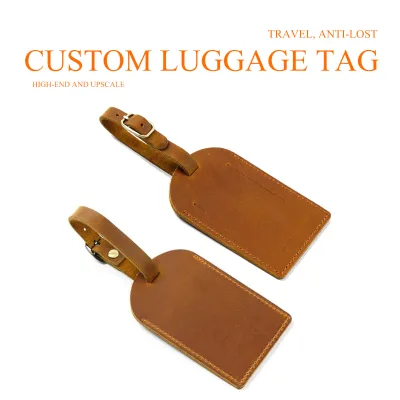
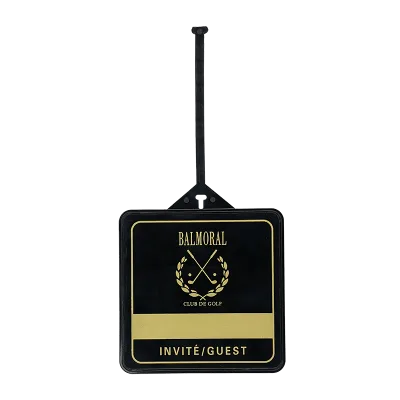


Custom Logo Real Leather Luggage Tag PU Luggage Tag Travel Suitcase Hang Tag
$0.80 - $1.08
MOQ: 1000 Pieces


Comprehensive Sourcing Guide
Handmade Custom Logo Luggage Tag Sourcing Guide
Procuring handmade custom logo luggage tags requires balancing artisanal craftsmanship with consistent branding standards. Buyers must verify that suppliers can execute intricate personalization while maintaining the structural integrity of materials like PVC or PU leather. The observed market offers options ranging from cartoon styles to luxury designs, each demanding specific quality checks to ensure the final product meets aesthetic expectations.
Sourcing decisions should prioritize suppliers who demonstrate flexibility in customization, as evidenced by available options for custom logos and varied color schemes. It is critical to confirm that the "handmade" designation aligns with actual production capabilities, ensuring that the tactile softness and durability claimed in product features are genuine. This verification prevents discrepancies between the visual appeal of samples and the bulk delivery of finished goods.
Product Scope and Observed Listing Signals
The current market presents a diverse range of luggage tags, including non-disposable items designed for exhibition, hotel, and travel applications. Listings indicate a strong presence of cartoon and luxury styles, with materials varying between PVC and PU leather to suit different brand identities. Buyers should note that while some products feature solid patterns, others offer fully customized designs, requiring clear communication of design intent to avoid confusion during the ordering process.
Commercial signals suggest a wide variation in minimum order quantities, with observed ranges spanning from 100 to 3,000 pieces, though specific listings highlight thresholds of 100, 500, or 1,000 units. Pricing structures also fluctuate significantly, with observed unit costs ranging from $0.25 to $5.55 depending on material complexity and customization depth. Procurement teams must align their budget and volume requirements with these specific listing parameters to secure viable supply chain partnerships.
Technical Specifications to Verify
Dimensional accuracy is paramount, as observed specifications vary from compact 11x7cm formats to larger 14x9x3cm packages. Buyers must explicitly confirm the single package size and gross weight, which can impact shipping costs and storage logistics. The standard size of 5-10cm is frequently cited, yet custom sizes are also available, necessitating precise measurement verification to ensure compatibility with existing luggage hardware and strap systems.
Material composition and feature sets require rigorous validation to match operational needs. While some tags are described as water-resistant, washable, and durable, others emphasize eco-friendly properties or specific textures like softness. It is essential to verify that the claimed features, such as the presence of a strap or specific screen sizes for electronic variants, align with the intended use case, whether for simple identification or more complex baggage tracking applications.
Compliance and Safety Documentation
Regulatory compliance is a critical factor, particularly when sourcing products intended for international travel or commercial use. Some listings reference certifications such as CE, FCC, and RoHS, which are essential for electronic components or materials entering regulated markets. Buyers must request valid documentation to confirm that these certifications are current and applicable to the specific batch of goods being procured, rather than relying on general supplier claims.
Safety standards regarding material composition must be verified to ensure the products are safe for consumer use. The presence of eco-friendly claims should be backed by material safety data sheets or third-party test results. Additionally, warranty terms, such as the observed one-year coverage, should be clearly defined in the contract to protect against premature failure or defects that could compromise the luggage tag's functionality during transit.
Cost Drivers and Commercial Terms
Pricing is heavily influenced by the level of customization, with custom logos and specific color requirements often driving costs higher than standard solid-color options. The observed price range reflects these variables, where complex designs or premium materials like PU leather command higher unit prices compared to basic PVC alternatives. Buyers should anticipate that lower minimum order quantities may result in higher per-unit costs due to the setup and labor intensity of handmade processes.
Commercial terms regarding sample times and production lead times are vital for supply chain planning. Observed sample times of three days indicate a relatively quick turnaround for prototyping, but bulk production lead times must be confirmed separately. Payment terms and shipping arrangements, including polybag packaging or small gift box options, should be negotiated to ensure that the final delivery meets both quality and logistical requirements without unexpected delays.
Supplier Qualification and Quality Control
Supplier qualification should focus on their ability to maintain consistency across large batches of handmade items. Given the variation in observed minimum order quantities and product models, it is crucial to assess the supplier's capacity to handle orders ranging from 100 to 3,000 units without compromising the quality of the custom logo application. A robust quality control process must be in place to inspect every tag for defects in stitching, printing, and material finish.
Quality assurance protocols should include pre-shipment inspections to verify that the final product matches the approved sample in terms of color, size, and feature set. Buyers should require a detailed inspection report that covers the specific attributes of the order, such as the durability of the strap or the clarity of the custom logo. This step ensures that the supplier adheres to the agreed-upon standards before the goods leave the manufacturing facility in Guangdong, China.
Long-Term Procurement Checks
Establishing a long-term partnership requires regular performance reviews to ensure consistent quality and reliability over time. Buyers should monitor the supplier's ability to meet delivery schedules and maintain the integrity of the product features, such as water resistance and durability, across multiple production cycles. Continuous feedback loops are necessary to address any deviations in the handmade process that could affect the final product's appearance or function.
Strategic sourcing involves evaluating the supplier's adaptability to changing market demands and design trends. As the luggage tag market evolves with new styles and materials, the supplier must demonstrate the flexibility to update their offerings while maintaining compliance with safety and environmental standards. Regular audits and performance metrics will help ensure that the procurement relationship remains robust and capable of supporting the buyer's evolving business needs.
FAQs
Can I get a custom logo on handmade luggage tags?
Yes, custom logos are supported for these handmade luggage tags. The product page explicitly states that OEM logo support is available, allowing buyers to personalize the item. This customization option is ideal for branding travel accessories or creating unique gifts for clients and friends.
What materials are used for these custom luggage tags?
The luggage tags are primarily made from leather and PVC materials. Some listings specify PU leather for a luxury feel, while others use PVC for durability. These materials ensure the tags are water-resistant, soft, and suitable for frequent travel use while maintaining a fashionable and cute style.
What is the minimum order quantity for these tags?
The minimum order quantity varies by supplier, ranging from 100 to 3000 pieces. Specific listings indicate MOQs of 100, 500, or 1000 pieces. Buyers should check individual product pages for exact requirements, as some suppliers offer lower MOQs for sample orders or specific customization requests.
Are these luggage tags suitable for international travel?
Yes, these tags are designed for travel, airport, and hotel use. They feature water-resistant and durable materials to withstand handling. The customizable design allows for clear identification, making them practical for baggage identification. Their portable size ensures they attach easily to suitcases and bags during transit.
How long does it take to produce a sample?
The sample time is typically 3 days for these handmade luggage tags. This quick turnaround allows buyers to verify quality and customization options before placing bulk orders. The production process supports both standard and customized patterns, ensuring the final product meets specific design requirements efficiently.
What certifications do these luggage tags have?
Some listings for these luggage tags indicate CE, FCC, and RoHS certifications. These standards suggest compliance with safety and environmental regulations, which is important for international trade. Buyers should verify specific certification documents with suppliers to ensure the products meet the regulatory requirements of their target markets.