Source Handmade Glazed Ceramic Noodle Bowl for Kitchen, Restaurant, and Home
Explore 30 listings of Handmade Glazed Ceramic Noodle Bowl options from China. Buyers can compare models, dimensions, and certifications like CE and FDA to find suitable dinnerware for serving, oven use, and microwave applications.
Key considerations
Products List

Handmade Ceramic Bowls Breakfast Fruit Salad Pasta Noodle Yogurt Bowl with Handle
$2.73 - $3.43
MOQ: 500 Pieces


Hand Painted Round Ceramic Japanese Bowl Tableware Noodle Soup Casserole
$5.31 - $9.11
MOQ: 500 Pieces

Black Clay Large Noodle Bowl Nordic Ceramic Pasta Salad Bowl for Restaurant
$2.60 - $4.30
MOQ: 500 Pieces

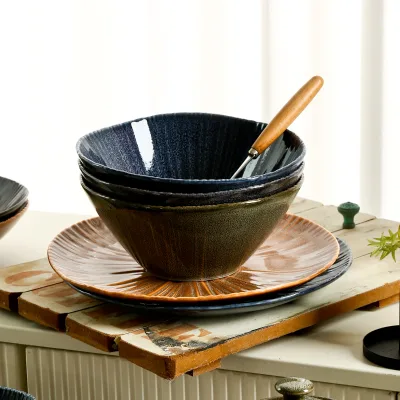


Creative Ceramic Instant Noodle Bowl Ceramic Instant Noodle Bowl with Lid
$1.35 - $1.69
MOQ: 1000 Sets

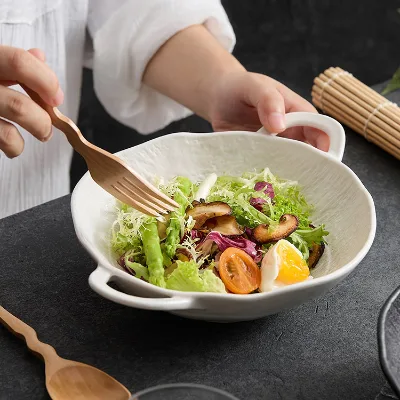


Lead-Free Healthy Rice Bowl Glazed Custom Ceramic Salad Bowl for Promotion
$0.50 - $2.00
MOQ: 5000 Pieces


Comprehensive Sourcing Guide
Strategic Sourcing Guide for Handmade Glazed Ceramic Noodle Bowls
Understanding Product Specifications and Material Composition
When sourcing handmade glazed ceramic noodle bowls, the primary focus must be on the precise material composition and dimensional specifications that define the product's utility and durability. The core material for this category is consistently identified as ceramic and porcelain, with specific listings noting the use of porcelain for its refined texture and high firing temperatures. These materials are selected for their ability to withstand thermal shock, making them suitable for use in ovens, microwaves, dishwashers, and freezers. The manufacturing process often involves under-glazed techniques, where the glaze is applied before the final firing, ensuring a smooth, non-porous surface that is essential for food safety and aesthetic longevity.
Dimensional consistency is a critical factor in procurement, as noodle bowls vary significantly in size to accommodate different serving volumes. Observed specifications indicate a wide range of standard dimensions. For instance, specific models are defined by dimensions such as 17.5x13x7.5cm for bowls and 31.3x16x2cm for trays, while other models range from 20x15.5x6.5cm up to 24.5x19x7.5cm. Smaller, specialized items may measure as compact as 16.8x5cm, whereas larger serving pieces can reach 24x21x12cm. Buyers must verify that the supplier's production aligns with these specific model numbers, such as 2582, 1745, 5681, or 5751, to ensure the physical product matches the intended application. The shape of the vessel is equally important, with options ranging from traditional round and rectangular forms to more artistic irregular shapes that may suit specific branding or aesthetic requirements.
Compliance, Certification, and Food Safety Standards
For any food-contact product, particularly those intended for commercial use in hotels, restaurants, and catering events, verifying compliance with international safety standards is non-negotiable. The supply chain for ceramic and porcelain dinnerware typically requires adherence to strict regulatory frameworks to ensure the glazes and materials do not leach harmful substances into food. High-confidence data indicates that reputable suppliers in this sector often provide products with CE/EU and FDA certifications. These certifications are critical markers that the product meets the safety requirements for the European Union and the United States, respectively.
Buyers should explicitly request documentation proving these certifications for the specific batch of goods being ordered. While the presence of CE and FDA marks suggests compliance, it is essential to understand that these are not merely marketing terms but require rigorous testing of the finished product. The "Under Glazed" technique mentioned in product attributes is a positive indicator for food safety, as it encapsulates the pigment within the glaze layer, reducing the risk of lead or cadmium leaching compared to over-glazed methods. However, buyers must not assume that all listed products automatically possess these certifications without verification. The procurement process should include a request for current test reports or certificates of compliance from the manufacturer, specifically for the model numbers and material batches in question.
Cost Drivers and Pricing Dynamics
The pricing structure for handmade glazed ceramic noodle bowls is influenced by a complex interplay of factors, including material costs, labor intensity, customization levels, and order volume. The observed price range for these items in the market spans from approximately $0.20 to $10.28 USD. This significant variance is not arbitrary but reflects differences in production complexity, brand positioning, and order quantities. Lower price points often correspond to standard, mass-produced items with minimal customization, while higher prices may reflect intricate handmade details, premium porcelain quality, or specialized designs.
A major cost driver is the Minimum Order Quantity (MOQ). The market data suggests an MOQ range between 50 and 5,000 units, with specific listings indicating thresholds such as 1,200 pieces. Orders falling below these thresholds may incur higher per-unit costs due to the inefficiencies of small-batch production. Conversely, larger orders can leverage economies of scale to reduce the unit price. Additionally, the "Customized" attribute plays a pivotal role in pricing. Products that require custom designs, specific colors like multicolor or white, or unique shapes (such as irregular forms) will generally command a premium over stock items. The "Stocked" status of certain products indicates immediate availability, which can reduce lead times but may not always offer the lowest price point compared to made-to-order items. Buyers must balance the need for customization against budget constraints, understanding that bespoke requests will inherently increase the cost per unit.
Typical Applications and Usage Scenarios
The versatility of handmade glazed ceramic noodle bowls makes them suitable for a diverse array of applications, ranging from domestic use to high-volume commercial operations. The primary use cases identified include kitchenware, dinnerware, and bakeware, with specific suitability for serving hot and cold foods. The material properties allow these bowls to be used in ovens for baking, microwaves for reheating, and dishwashers for cleaning, providing significant operational flexibility for food service establishments.
In the commercial sector, these bowls are ideal for hotels, restaurants, wedding parties, and catering events. The "Vintage" style and "Multicolor" options are particularly popular for establishments seeking to create a specific ambiance or thematic dining experience. For home users, the "Eco-Friendly" and "Stocked" attributes suggest a product that is both environmentally conscious and readily available for immediate household needs. The "Ideal for Serving" designation highlights their function as presentation vessels, where the aesthetic appeal of the glaze and shape enhances the dining experience. Whether for a casual home meal or a formal banquet, the durability and thermal resistance of the ceramic material ensure that the bowls perform reliably across various serving scenarios.
Supplier Evaluation and Operational Logistics
Selecting the right supplier requires a thorough evaluation of their operational capabilities, including production capacity, lead times, and logistical reliability. The origin of these products is predominantly China, with specific mentions of Guangdong as a key manufacturing hub. This region is known for its established ceramic industry, offering a wide range of suppliers with varying levels of expertise. Buyers should assess the supplier's ability to meet the "Sample time" of 7-15 days, which is a critical indicator of their responsiveness and production efficiency.
Lead times are another crucial metric, with typical delivery windows ranging from 45 to 60 days. This extended timeframe is often necessary for the firing processes involved in ceramic manufacturing, especially for customized orders. Buyers must factor this into their inventory planning to avoid stockouts. Packaging is another area of evaluation; while "Bulk Packaging" is common, it is essential to verify that the packaging is robust enough to prevent breakage during transit, given the fragile nature of ceramic goods. Furthermore, the "Design: Accept Customized Designs" attribute indicates that suppliers are open to collaboration, but buyers should clarify the extent of customization, including the ability to accept specific model numbers and dimensions.
Quality Control and Long-Term Procurement Strategy
Implementing a robust quality control (QC) strategy is essential to mitigate the risks associated with ceramic procurement. Given the handmade nature of the products, slight variations in shape, glaze finish, and dimensions are inevitable. However, these variations must remain within acceptable tolerances to ensure product consistency. Buyers should establish clear acceptance criteria based on the observed specifications, such as the standard dimensions of 19x15x6.3cm or 23.5x23.5x7cm. Regular inspections, including pre-shipment checks, are recommended to verify that the products meet the required standards for food safety, structural integrity, and aesthetic quality.
For long-term procurement, building a sustainable relationship with suppliers is key. This involves maintaining open communication regarding production schedules, quality expectations, and potential design changes. The availability of "Customized" options allows buyers to adapt their product lines to market trends, such as shifting consumer preferences toward eco-friendly or vintage-style dinnerware. By focusing on suppliers who offer a combination of certified safety, reliable lead times, and flexible customization, buyers can ensure a steady supply of high-quality ceramic noodle bowls that meet both operational needs and consumer expectations.
Comparative Analysis of Product Attributes
To facilitate decision-making, the following table summarizes key product attributes observed in the market, highlighting the variations buyers may encounter.
| Attribute | Common Observation | Procurement Consideration |
|---|---|---|
| Material | Ceramic & Porcelain | Verify porcelain grade for thermal shock resistance. |
| Certification | CE/EU, FDA | Request current test reports for specific batches. |
| Shape | Round, Rectangular, Irregular | Confirm dimensions match intended serving volume. |
| Customization | Available / Customized | Assess impact on MOQ and lead time. |
| Usage | Oven, Microwave, Dishwasher | Ensure glaze is food-safe for high-heat applications. |
| Origin | China (Guangdong) | Factor in shipping costs and lead times. |
| MOQ | 50 - 5,000 Pcs | Negotiate based on order volume and budget. |
| Lead Time | 45-60 Days (Delivery) | Plan inventory well in advance of peak seasons. |
By adhering to these guidelines and leveraging the provided facts, buyers can navigate the complex landscape of ceramic noodle bowl procurement with confidence, ensuring they source products that are safe, durable, and aligned with their specific business requirements.
FAQs
What certifications do handmade glazed ceramic noodle bowls typically have?
These bowls typically hold FDA and CE/EU certifications for food safety. Buyers should verify current test reports for specific batches to ensure compliance with international standards before placing orders.
Which materials are used to manufacture these ceramic noodle bowls?
The primary materials are ceramic and porcelain, selected for their durability and thermal shock resistance. This composition allows the bowls to withstand high temperatures in ovens and microwaves effectively.
Can I customize the design and shape of these ceramic bowls?
Yes, customization is available for designs, shapes, and colors including round, rectangular, or irregular forms. Custom orders often require higher minimum order quantities and longer lead times than stock items.
How long is the typical delivery time for these ceramic products?
The standard delivery time ranges from 45 to 60 days after order confirmation. This timeframe accounts for the complex firing processes and potential customization required for handmade glazed ceramic items.
What is the minimum order quantity for these ceramic noodle bowls?
The minimum order quantity typically ranges from 50 to 5,000 pieces depending on the supplier and product model. Specific listings may require thresholds like 1,200 pieces for custom designs.
Where are these handmade ceramic noodle bowls manufactured?
These products originate primarily from China, with Guangdong being a key manufacturing hub. Buyers should factor in shipping costs and logistics when sourcing from this specific region.
What are the standard dimensions for these ceramic noodle bowls?
Standard dimensions vary by model, with examples including 17.5x13x7.5cm for bowls and 20x15.5x6.5cm for other sizes. Buyers must verify specific model numbers to ensure the physical product matches intended serving volumes.