Source Handmade Geometric Glass Vase for Home Decor and Gifts
Explore 26 listings of Handmade Geometric Glass Vase options suitable for home decor, gifts, and collections. Buyers can compare specifications like size, glaze type, and processing methods from verified manufacturers in China.
Key considerations
Products List


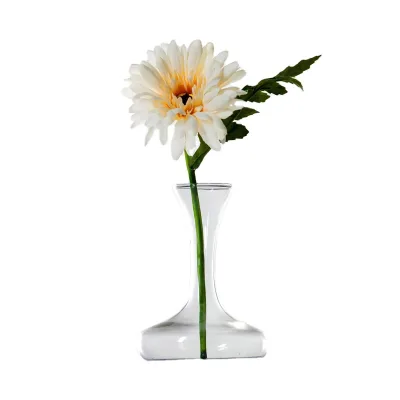

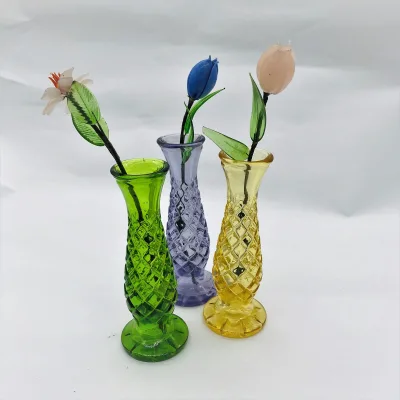


Comprehensive Sourcing Guide
Handmade Geometric Glass Vase Sourcing Guide
Sourcing handmade geometric glass vases requires a nuanced understanding of the intersection between artisanal craftsmanship and industrial manufacturing standards. These products are not merely decorative items but represent a specific aesthetic category where precision in shape meets the organic variability of hand-finished surfaces. Buyers must recognize that "handmade" in this context often refers to specific finishing processes such as grinding, coloring, or assembly, rather than the entire production cycle, which may still involve blown or machine-assisted forming. This distinction is critical for quality control, as it determines where human error is most likely to occur and where inspection efforts should be concentrated. The geometric nature of the design demands strict adherence to dimensional tolerances, even when the surface finish is intentionally irregular or textured.
The procurement landscape for these items is characterized by a high degree of customization and OEM/ODM flexibility. Manufacturers frequently offer tailored solutions that allow buyers to specify glaze types, from transparent to opaque or color-glazed finishes, and to define precise dimensions ranging from small to large formats. This flexibility extends to branding, with many suppliers supporting custom logos and packaging solutions, making these vases suitable for both private label retail and corporate gifting. However, this level of customization introduces complexity in the quoting and sampling phases, requiring buyers to provide detailed technical packs to ensure that the final product aligns with their visual and functional expectations.
Product Scope and Observed Listing Signals
The market for handmade geometric glass vases encompasses a wide variety of styles, shapes, and applications, primarily focused on home decor and gift markets. Observed listings indicate a strong presence of oval and irregular shapes, often finished with floral patterns or creative designs that appeal to modern interior aesthetics. The usage categories are predominantly decorative, with many products explicitly marketed for home use, though a significant portion is also positioned as gifts or collectibles. This dual positioning means that packaging and presentation are as important as the product itself, as the unboxing experience can be a key driver of customer satisfaction in the gift segment.
Price and minimum order quantity (MOQ) signals suggest a broad spectrum of sourcing options, with prices ranging from low-cost entry-level items to premium artisanal pieces. The observed MOQs vary significantly, starting from as low as one unit for sampling or small boutique orders up to 5,000 units for large-scale retail distribution. This variance allows buyers to scale their procurement strategy based on demand forecasts and inventory risk tolerance. However, the wide price range also indicates that buyers must carefully evaluate the value proposition, considering factors such as material quality, glaze complexity, and the extent of hand-finishing involved, rather than relying solely on unit cost as a differentiator.
Technical Specifications to Verify
Dimensional accuracy and structural integrity are paramount when sourcing geometric glass vases, as deviations can affect both aesthetic appeal and functionality. Buyers should verify specific size specifications, which may include standard heights such as 12.7x35cm or custom dimensions like 15cm, 20cm, 25cm, and 30cm options. The opening diameter is another critical specification, with some products featuring specific measurements such as 4 inches, which must be confirmed to ensure compatibility with intended floral arrangements or display setups. Additionally, the overall shape, whether oval, irregular, or strictly geometric, must be validated against approved samples, as visual discrepancies can be subtle but impactful.
The manufacturing process and material composition significantly influence the final product's quality and durability. While the core material is glass, the processing methods vary, including blown, hand-made, and grinding techniques. Buyers must clarify which stages are hand-finished, as this affects the consistency of the product. For instance, a vase might be machine-blown but hand-ground for a smooth edge or hand-colored for a unique glaze effect. The glaze type, whether transparent, opaque, or color-glazed, also requires verification, as these finishes can impact the perceived value and visual depth of the vase. Furthermore, the packing method, ranging from carton to brown box or safe packing, must be specified to prevent breakage during transit, especially for fragile glass items.
Compliance and Safety Documentation
Safety and regulatory compliance are essential considerations, particularly for products intended for food-adjacent use or for markets with strict consumer protection laws. While the primary usage is decorative, buyers should verify that the glass material meets relevant safety standards for lead content and heavy metal leaching, especially if the glaze is colored or opaque. Although specific certification statuses like ISO 27001:2022 may be mentioned in broader contexts, buyers must confirm that the supplier holds valid certifications for product safety and quality management, such as ISO 9001, which ensures consistent manufacturing processes. Additionally, factory audits like BSCI and FSC may be relevant if the buyer has ethical sourcing requirements or if the packaging materials involve paper-based components.
Documentation should also cover the origin and traceability of the materials. Products originating from China, as indicated in some listings, must comply with export regulations and import requirements of the destination country. Buyers should request material safety data sheets (MSDS) for any chemical treatments used in the glazing process and ensure that the final product labels include necessary information such as country of origin, care instructions, and manufacturer details. For gift items, additional compliance with packaging regulations, such as child safety warnings or recycling symbols, may be required depending on the target market.
Cost Drivers and Commercial Terms
The cost of handmade geometric glass vases is influenced by several key factors, including the complexity of the design, the extent of hand-finishing, and the chosen glaze type. Products with irregular shapes or intricate floral patterns typically command higher prices due to the increased labor and skill required. Similarly, custom glazes, such as color-glazed or opaque finishes, may involve additional material costs and processing steps. Buyers should also consider the impact of customization on pricing, as OEM and ODM services often incur setup fees or higher unit costs for smaller order volumes.
Commercial terms, including payment methods, lead times, and shipping arrangements, play a crucial role in the total cost of ownership. Buyers should negotiate clear terms for sample approval, production timelines, and quality acceptance criteria before placing bulk orders. The MOQ is a significant factor, as lower MOQs may result in higher per-unit costs, while larger orders can leverage economies of scale. Additionally, the choice of packaging, whether standard carton or custom safe packing, will affect shipping costs and potential damage rates. Buyers should also consider the implications of Incoterms, such as FOB or CIF, on the final landed cost and risk allocation.
Supplier Qualification and Quality Control
Supplier qualification is a critical step in ensuring the reliability and consistency of handmade geometric glass vases. Buyers should assess the supplier's capabilities in both OEM and ODM services, verifying their ability to handle custom designs and branding requirements. Factory audits, such as BSCI, can provide insights into the supplier's labor practices and operational efficiency, while quality management certifications indicate a commitment to consistent product standards. It is also important to evaluate the supplier's experience with similar products, particularly in terms of handling fragile materials and achieving precise geometric shapes.
Quality control measures must be robust, given the inherent variability in handmade products. Buyers should implement a comprehensive inspection plan that includes pre-production sample approval, in-process checks during manufacturing, and final random inspections before shipment. Key inspection points should include dimensional accuracy, surface finish quality, glaze consistency, and structural integrity. For handmade items, it is essential to define acceptable tolerances for minor variations, as these are often part of the product's aesthetic appeal. However, significant defects, such as cracks, chips, or misshapen forms, must be strictly rejected. Establishing a clear communication channel for addressing quality issues and implementing corrective actions is vital for maintaining long-term supplier relationships.
Long-Term Procurement Checks
Long-term procurement success depends on continuous monitoring of supplier performance and market trends. Buyers should regularly review key performance indicators (KPIs) such as on-time delivery rates, defect rates, and responsiveness to quality issues. This data-driven approach allows for proactive management of supply chain risks and identification of areas for improvement. Additionally, staying informed about emerging design trends and consumer preferences in the home decor and gift markets can help buyers adjust their product offerings and maintain competitiveness.
Sustainability and ethical sourcing are increasingly important factors in long-term procurement strategies. Buyers should encourage suppliers to adopt environmentally friendly practices, such as using recycled glass materials or energy-efficient manufacturing processes. Regular audits and discussions about sustainability goals can help align the supply chain with corporate social responsibility objectives. Furthermore, building strong relationships with suppliers through collaborative planning and mutual growth initiatives can enhance supply chain resilience and ensure a steady supply of high-quality handmade geometric glass vases.
FAQs
What customization options are available for these glass vases?
Customization is available for these glass vases, allowing buyers to request specific designs or branding. The manufacturer supports OEM and ODM development technologies to meet unique client needs. Buyers can specify custom brands and packing methods to align with their market requirements.
Which processing methods are used to make these vases?
These vases are produced using blown, hand-made, and grinding processing methods. The selection depends on the specific model and design requirements. Some items feature a colored finish while others maintain a transparent or opaque glaze type.
What certifications do the factories hold for these products?
The factories hold BSCI and FSC factory audit certifications. These standards ensure ethical sourcing and sustainable practices in the production process. Buyers can verify these credentials when evaluating potential suppliers for large orders.
Can I order small quantities of these decorative glass vases?
Yes, you can order small quantities as the minimum order quantity ranges from 1 to 5000 units. This flexibility allows buyers to test the market with lower initial investment. The specific MOQ depends on the chosen model and customization level.
What sizes are available for the handmade glass vases?
Available sizes range from small to large, with specific dimensions like 12.7x35cm H or 15.5x7.5x16.5cm H. Some models offer multiple height options including 15cm, 20cm, 25cm, and 30cm. The opening diameter can also reach up to 4 inches for certain designs.
Where are these glass vases manufactured and shipped from?
These glass vases are manufactured in China and shipped from there. The origin is clearly documented for all listed products. Buyers should consider this location when calculating shipping costs and lead times for international orders.
What packaging options are provided for these glass vases?
Packaging options include carton, brown box, and safe packing methods. Some suppliers offer custom packing methods to ensure product safety during transit. The choice of packaging may vary based on the specific product model and order volume.