Source Hangable Small Storage Bins for Warehouse, Supermarket, and Garage
Find and compare 30 models of Hangable Small Storage Bins made from PP plastic. These stackable and foldable units support up to 50 kg loads, feature FDA-compliant materials, and offer customization options like silk printing for warehouse, supermarket, and garage organization needs.
Key considerations
Products List


Multi-Size Storage Warehouse Plastic Stackable Work Bins for Small Fittings
$10.00 - $15.00
MOQ: 200 Pieces


$1200.00 - $2200.00
MOQ: 1 Pieces


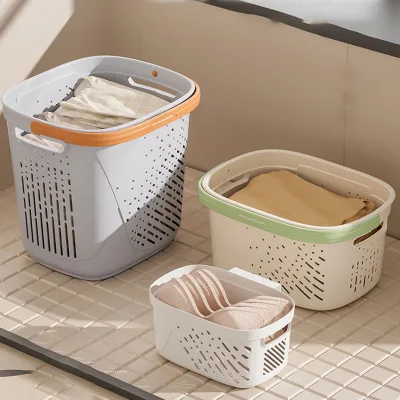


Space-Saving Plastic Storage Box, Plastic Bin Container/Plastic Storage Basket
$3.80 - $4.00
MOQ: 2000 Pieces


Comprehensive Sourcing Guide
Hangable Small Storage Bins Sourcing Guide
Procuring Hangable Small Storage Bins requires a precise understanding of the dual functionality these units offer, specifically their ability to be suspended from shelving systems while maintaining compact dimensions for efficient space utilization. The observed market data indicates that these products are primarily constructed from durable plastic, with polypropylene (PP) being a common material choice that balances weight and structural integrity. Buyers must recognize that "small" in this context often refers to specific dimensional standards, such as the observed 200x340x150mm or 450x300x175mm profiles, which dictate their suitability for specific inventory types like tools, cosmetics, or small parts.
The sourcing strategy must account for the variability in customization options, as suppliers frequently offer silk printing, embossing, or hot stamping for branding, alongside the ability to produce custom colors beyond the standard red, yellow, and blue palettes. While the core product is defined as a storage bin or box, the specific "hangable" feature often involves integrated rods or cover designs that allow for vertical organization in warehouses, garages, or stockrooms. Understanding these physical attributes is critical before engaging with suppliers, as the distinction between folded and unfolded states, or the specific load capacity of 50kg versus a stack load of 150kg, will directly influence the selection of the correct model for your operational needs.
Product Scope and Observed Listing Signals
When evaluating product listings, buyers should look for specific signals that confirm the item's suitability for high-density storage environments, such as supermarkets or warehouse picking stations. The observed data highlights that these bins are designed for versatile usage, ranging from storing bedding and tableware to organizing sundries, apparel, and pharmaceutical parts. A key signal to verify is the "Stackable & Hangable" feature, which suggests a design that maximizes vertical space without compromising the ability to suspend the unit from a rack. This dual capability is essential for facilities that need to transition between static storage and active picking workflows efficiently.
Buyers must also scrutinize the listed capacity and weight specifications to ensure alignment with their inventory volume requirements. The market shows a capacity range from 1000ml to 2000ml, with individual unit weights varying between 0.63kg and 0.9kg depending on the model and material thickness. It is important to note that while some listings indicate a "Small" specification, others may classify similar items as "Large" based on the specific model number, such as PK003 or PK011. This inconsistency in labeling underscores the need to verify the exact physical dimensions and volume capacity against your internal storage standards rather than relying solely on generic size descriptors.
Technical Specifications to Verify
The structural integrity of hangable bins is heavily dependent on the specific plastic type and the engineering of the hanging mechanism, which must be verified against the intended load. While the general material is identified as plastic, specifically PP, the load capacity can vary significantly; some units are rated for a single bin load of 50kg, while the stack load capacity can reach 150kg when multiple units are piled. Buyers should request detailed engineering drawings or test data to confirm that the "Riser Rods" or "Plastic Cover" components mentioned in the specifications can withstand the dynamic forces of a warehouse environment without deforming or failing under stress.
Dimensional precision is another critical technical factor, as the standard sizes observed, such as W200D340H150mm or L450W300H175mm, must match the dimensions of your existing shelving or racking systems. The shape of the bin, whether rectangular or square, also plays a role in how efficiently they can be packed within a carton, with observed packing configurations showing quantities like 18 units per carton. Additionally, the "Folded" or "Unfolded" state of the product affects logistics costs and storage efficiency; buyers must confirm whether the bins arrive pre-assembled or in a flat-pack format to optimize their inbound shipping and warehousing strategy.
Compliance and Safety Documentation
Ensuring that the storage bins meet relevant safety and environmental standards is a non-negotiable step in the procurement process, particularly for applications involving food, cosmetics, or pharmaceuticals. The observed data includes references to FDA test reports, which are essential for verifying that the plastic material is safe for contact with consumable goods. Buyers should explicitly request current FDA compliance certificates for the specific plastic resin used, as this certification ensures the product does not leach harmful substances into stored items, a critical requirement for industries with strict hygiene regulations.
Beyond food safety, environmental and chemical compliance standards such as RoHS, REACH, and ISO9001:2000 are frequently cited in the product specifications and must be validated through official documentation. These standards indicate that the manufacturing process adheres to restrictions on hazardous substances and maintains a consistent quality management system. For buyers operating in regulated markets, it is vital to verify that the supplier can provide up-to-date test reports for these specific standards, as the presence of a standard name in a listing does not guarantee that every batch of production meets the current regulatory thresholds.
Cost Drivers and Commercial Terms
The final cost of Hangable Small Storage Bins is influenced by several commercial variables, including the Minimum Order Quantity (MOQ), which can range widely from 1 unit to 3000 units depending on the supplier and customization level. The observed MOQ of 1000 units for certain models suggests that bulk pricing is available for larger orders, while smaller quantities may incur higher per-unit costs or require a different production run. Buyers should negotiate based on their projected annual volume, as the cost per unit often decreases significantly when moving from a small trial order to a full container load, especially when utilizing standard colors and sizes.
Lead times and payment terms are also significant cost drivers that affect the total cost of ownership and cash flow planning. The observed delivery time of 15 days after payment indicates a relatively quick turnaround for standard orders, but this can extend if custom colors, logos, or specific ESD (Electrostatic Discharge) types are required. Additionally, the shipping port, typically Qingdao or other Chinese ports, will impact freight costs and insurance premiums. Buyers must factor in these logistics variables when calculating the landed cost, ensuring that the savings from a lower unit price are not offset by higher shipping expenses or extended lead times that disrupt inventory planning.
Supplier Qualification and Quality Control
Selecting a qualified supplier requires a rigorous assessment of their manufacturing capabilities and quality control protocols, particularly regarding the consistency of the plastic molding process. Since the product origin is listed as China, buyers should verify the supplier's factory audit reports to ensure they have the necessary machinery for producing ESD-type bins and custom logo applications like silk printing or embossing. It is crucial to confirm that the supplier has a dedicated quality assurance team that inspects the load capacity and structural integrity of the bins before they are packed into cartons, ensuring that the 50kg load rating is consistently met across all units.
Quality control should also extend to the packaging and labeling process, as the observed packing method involves cartons with specific quantities per unit, such as 18 pieces. Buyers must ensure that the supplier has a robust system for preventing damage during transit, especially for bins that may be folded or have delicate hanging mechanisms. Requesting pre-shipment samples that match the exact production batch is a best practice to verify that the final product matches the approved specifications for color, dimensions, and material quality before the full order is released for shipment.
Long-Term Procurement Checks
Establishing a long-term procurement relationship involves regular performance reviews to ensure that the supplier continues to meet quality and delivery expectations over time. Buyers should implement a system for tracking defect rates and return reasons, specifically looking for issues related to the hanging mechanism or the structural failure of the plastic under load. Regular audits of the supplier's production line can help identify potential bottlenecks or quality drifts early, ensuring that the supply chain remains stable and that the bins continue to meet the required standards for warehouse and supermarket applications.
Sustainability and adaptability are also key considerations for long-term procurement, as market demands for eco-friendly products and custom branding evolve. Buyers should maintain open communication with suppliers regarding updates to environmental standards like RoHS or REACH, ensuring that the product line remains compliant with future regulations. Additionally, as inventory needs change, the ability to scale production up or down and to introduce new colors or shapes will be critical. Establishing a flexible contract that allows for adjustments in order volume and specifications will help mitigate risks and ensure a resilient supply chain for your storage bin requirements.
FAQs
Can these storage bins be stacked and hung?
Yes, the storage bins are designed to be both stackable and hangable for versatile organization. They feature a rectangular shape and are made of durable plastic suitable for warehouse or supermarket use.
What is the maximum load capacity for these bins?
The bins support a load capacity of 50 kg and a stack load capacity of 150 kg. This ensures stability when organizing heavy items like tools, bedding, or clothing in various storage environments.
Which certifications do these plastic bins meet?
These bins meet FDA, RoHS, REACH, and ISO9001:2000 standards. The plastic material is eco-friendly, making them safe for storing food, cosmetics, and other sensitive items in compliance with safety regulations.
How can I customize the logo on these bins?
You can customize the logo using silk printing, embossing, or hot stamping techniques. Custom colors are also available, allowing you to brand the bins for specific warehouse or retail applications.
What is the delivery time for these storage boxes?
The delivery time is 15 days after receiving payment. The products originate from China and are shipped via Qingdao or other Chinese ports, ensuring timely arrival for your procurement needs.
What are the dimensions and capacity of the bins?
The bins come in small and large sizes with capacities ranging from 1000 to 2000 ml or under 10 liters. Standard dimensions include 450x300x175 mm and 200x340x150 mm for different storage requirements.
Can I order ESD type bins for electronic parts?
Yes, ESD type bins can be manufactured upon request. These are suitable for storing electronic parts, tools, and other sensitive components while maintaining safety standards in industrial or workshop settings.