Source Handsfree Stereo Bluetooth Headset for Mobile, PC, and DJ
Find 30 Handsfree Stereo Bluetooth Headset options with varying features like Bluetooth 4.0 and 5.0, Class A and B distance, and usage for mobile phones, computers, and DJ setups. Compare specifications including battery life, soundtracks, and customization availability to select the right device for your needs.
Key considerations
Products List


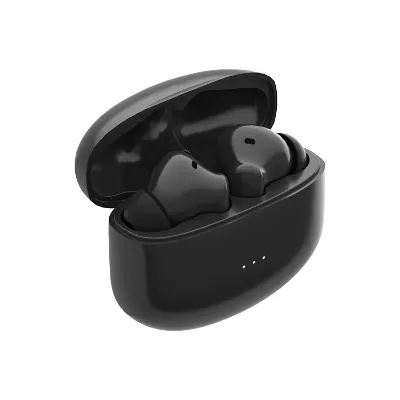
Wireless Headphone Noise Cancelling Earbuds Sport Stereo Wireless Earphones Handsfree Headset
$10.28 - $11.31
MOQ: 3000 pieces


Comprehensive Sourcing Guide
Handsfree Stereo Bluetooth Headset Sourcing Guide
Sourcing handsfree stereo Bluetooth headsets requires a nuanced understanding of the diverse product landscape, which ranges from simple in-ear earbuds to complex head-mounted units designed for professional aviation or call center environments. The market offers significant variation in form factors, connectivity standards, and intended use cases, making it essential for buyers to align their procurement strategy with specific operational needs rather than relying on generic specifications. By examining the observed listing signals and technical parameters, procurement teams can better navigate the complexities of this category, ensuring that the selected devices meet both functional requirements and quality expectations.
This guide provides a structured approach to evaluating handsfree stereo Bluetooth headsets, focusing on critical verification steps for technical specifications, compliance documentation, and supplier qualifications. It emphasizes the importance of distinguishing between consumer-grade audio devices and professional-grade communication tools, particularly when dealing with features such as voice control, dual-track sound, and extended battery life. Buyers are encouraged to use the insights provided to develop robust sourcing criteria that mitigate risk and enhance the value of their procurement investments.
Product Scope and Observed Listing Signals
The observed product range for handsfree stereo Bluetooth headsets includes a variety of form factors, such as in-ear earbuds, headband styles, and head-mounted units, each catering to different usage scenarios. In-ear models are often associated with mobile phone and computer usage, offering portability and convenience for general multimedia consumption, while head-mounted designs are frequently linked to professional applications like call centers, aviation, and DJ environments. These distinctions are critical for buyers, as the physical design directly impacts comfort, noise isolation, and suitability for specific work environments, necessitating a clear definition of the target use case before initiating supplier outreach.
Listing signals indicate a high degree of customization availability, with suppliers offering options for branding, packaging, and potentially technical modifications. The presence of models such as the P9, A6S, and H3B suggests a mature supply chain with established product lines, while attributes like "Support Music" and "Voice Control" highlight the functional diversity within the category. Buyers should pay close attention to these signals to identify suppliers who can accommodate specific requirements, such as dual-track sound for simultaneous audio and communication, or specific battery capacities that align with operational duration needs.
Technical Specifications to Verify
Bluetooth version and transmission distance are fundamental technical parameters that directly impact the reliability and performance of handsfree stereo Bluetooth headsets. While some listings specify Bluetooth 5.0 with a frequency range of 2.4026GHz-2.480GHz, others may reference older versions or class designations such as Class A or Class B, which correlate with different transmission ranges. Buyers must verify the exact Bluetooth version and class to ensure compatibility with their existing devices and to confirm that the transmission distance, often cited as 10 meters, meets the spatial requirements of their operational environment, particularly in large offices or industrial settings.
Battery capacity and playing time are critical factors that determine the usability of the headset in professional contexts, especially for call center or aviation applications where extended usage is common. Observed specifications include battery capacities ranging from 180mAh to 200mAh, with playing times varying from approximately 5 hours to over 24 hours, depending on the model and usage mode. Buyers should carefully review the charging time, which can be around 2.5 hours, and the duration of flight or usage, which may be listed as 4-8 hours or 6-8 hours, to ensure that the device can sustain the required operational shifts without frequent recharging.
Compliance and Safety Documentation
Compliance with international safety and electromagnetic compatibility standards is essential for handsfree stereo Bluetooth headsets, particularly when they are intended for use in regulated industries such as aviation or healthcare. Buyers should request documentation that confirms adherence to relevant standards, such as those governing radio frequency exposure and electrical safety, to mitigate legal and operational risks. While specific certification status may not be explicitly listed in all product descriptions, it is crucial to verify that the supplier can provide the necessary test reports and certificates from accredited laboratories, ensuring that the devices meet the regulatory requirements of the target market.
Quality assurance processes, including one-by-one checking and testing of all goods, are indicative of a supplier's commitment to product reliability and consistency. Buyers should inquire about the specific quality control measures implemented by the supplier, such as incoming material inspections, in-process quality checks, and final product testing, to ensure that the headsets meet the specified performance criteria. Additionally, verifying the origin of the products, such as Shenzhen, China, can provide insights into the supply chain dynamics and the potential for logistical efficiencies, but it should not replace the need for rigorous quality verification.
Cost Drivers and Commercial Terms
The cost of handsfree stereo Bluetooth headsets is influenced by several factors, including the complexity of the design, the quality of components, and the level of customization required. Models with advanced features such as voice control, dual-track sound, and extended battery life may command higher prices due to the increased engineering and manufacturing costs involved. Buyers should consider the total cost of ownership, including sample costs, tooling fees for customization, and potential volume discounts, to develop a comprehensive budget that aligns with their procurement strategy and financial constraints.
Commercial terms, such as minimum order quantities (MOQ) and packaging specifications, play a significant role in the overall procurement process. Observed MOQ ranges from 1 to 3000 units, offering flexibility for both small-scale trials and large-volume orders, while packaging options include standard, box, and original package formats. Buyers should negotiate terms that balance cost efficiency with operational needs, such as requesting sample units for evaluation before committing to larger orders, and ensuring that the packaging protects the devices during transit while meeting any branding or labeling requirements.
Supplier Qualification and Quality Control
Supplier qualification is a critical step in ensuring the reliability and consistency of handsfree stereo Bluetooth headsets, particularly when dealing with customized products or high-volume orders. Buyers should conduct thorough due diligence on potential suppliers, assessing their manufacturing capabilities, quality management systems, and track record in the industry. This may include requesting factory audits, reviewing customer references, and evaluating the supplier's ability to meet specific technical and compliance requirements, thereby reducing the risk of supply chain disruptions and product failures.
Quality control measures, such as the implementation of standardized testing protocols and the use of certified materials, are essential for maintaining product integrity and performance. Buyers should verify that the supplier employs rigorous quality control processes, including material inspections, production line monitoring, and final product testing, to ensure that the headsets meet the specified performance criteria. Additionally, establishing clear communication channels and feedback mechanisms with the supplier can facilitate continuous improvement and address any issues that may arise during the production or delivery process.
Long-Term Procurement Checks
Long-term procurement success for handsfree stereo Bluetooth headsets depends on the ability to monitor and adapt to changes in technology, market trends, and regulatory requirements. Buyers should establish a framework for ongoing supplier performance evaluation, including regular reviews of product quality, delivery times, and customer satisfaction, to ensure that the supplier continues to meet their evolving needs. This may involve conducting periodic audits, soliciting feedback from end-users, and staying informed about advancements in Bluetooth technology and audio engineering, thereby enabling proactive adjustments to the procurement strategy.
Sustainability and ethical sourcing practices are increasingly important considerations in the procurement of electronic devices, including handsfree stereo Bluetooth headsets. Buyers should assess the supplier's commitment to environmental responsibility, such as the use of recyclable materials, energy-efficient manufacturing processes, and compliance with labor standards, to align their procurement activities with broader corporate social responsibility goals. By integrating these considerations into their long-term procurement checks, buyers can enhance their brand reputation and contribute to a more sustainable and ethical supply chain.
FAQs
What Bluetooth versions are available for these headsets?
The products support Bluetooth versions 4.0 and 5.0 for stable connectivity. Some models feature Class A or Class B distance versions to ensure reliable transmission up to 10 meters during use.
Can I customize the headset for my brand requirements?
Yes, customization is available for these Bluetooth headsets. Buyers can request specific modifications, and the supplier supports custom orders with standard or original packaging options depending on the model.
How long does the battery last during music playback?
Playing time ranges from about 5 hours to 24 hours depending on the specific model. Battery capacities vary, with some units holding 180mAh or 200mAh to support extended usage for mobile phones or computers.
Which usage scenarios are these headsets designed for?
These headsets are designed for mobile phones, computers, MP3 players, and DJ applications. Certain models also support call centers and aviation environments, offering versatile functionality for professional and personal use.
What is the minimum order quantity for bulk purchases?
The minimum order quantity ranges from 1 to 3000 units based on the specific product selection. Buyers can order single samples or larger batches, with prices varying between 1 and 75 USD per piece.
Where are these Bluetooth headsets manufactured and shipped from?
The products originate from China, specifically Shenzhen. All goods are checked and tested one by one before shipping to ensure quality assurance and meet standard specifications for international buyers.