Source Hanging Deep Soil Loosening Subsoiler for Farming
Compare 30 Hanging Deep Soil Loosening Subsoiler options from verified Chinese manufacturers. These agricultural machines feature varying working widths, depths, and tractor power requirements to suit diverse soil preparation needs; compare the available evidence and request quotations based on your requirements.
Key considerations
Products List
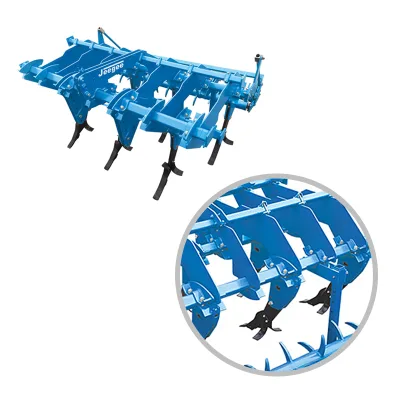


Deep Soil Subsoiler & Durable Adjustable Tilling Depth Hydraulic Subsoiler
$6610.00 - $6690.00
MOQ: 1 pieces


Efficient Deep Tillage Heavy Duty Hydraulic Deep Soil Subsoiler Cultivation Machinery
$6610.00 - $6690.00
MOQ: 1 pieces


3s Subsoiler Adjustable Deep Loosening Depth Adjustable Subsoiling Depth 25HP
$385.00 - $405.00
MOQ: 1 Pieces


Heavy Subsoiler Working Depth 60-80cm Tractor Cultivatortiller Subsoiling Machine
$1500.00 - $1600.00
MOQ: 1 Pieces


Revolutionary Subsoiler Tool for Optimal Soil Health and Crop Productivity
$4568.00 - $4698.00
MOQ: 1 Sets

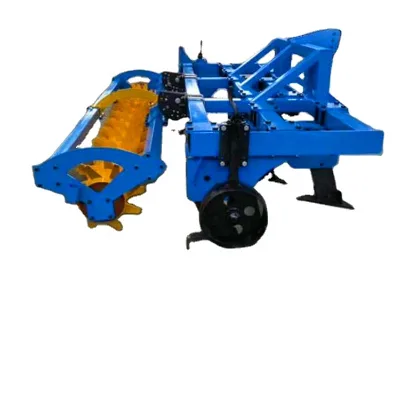
High Quality Large Deep Subsoiler with Curved Blade Efficient Loosener Machine
$1950.00 - $5625.00
MOQ: 1 Minimum


Comprehensive Sourcing Guide
Hanging Deep Soil Loosening Subsoiler Sourcing Guide
Procuring a Hanging Deep Soil Loosening Subsoiler requires careful alignment with tractor capabilities and field conditions. These implements are designed to break up compacted subsoil layers, improving water infiltration and root penetration without inverting the soil structure. Buyers must prioritize machines that match their specific tractor horsepower and three-point suspension systems. The observed market features models like the JEEGEE JMA300, which indicates a strong presence of mounted rotary tillers and subsoilers in the Chinese manufacturing sector. Understanding the distinction between rotary tillage and deep subsoiling is critical for selecting the right tool for primary or secondary tillage operations.
The sourcing landscape includes various configurations, from single-shovel units to multi-shovel assemblies. Observed listings show a wide range of working widths, from 1.6 meters to 3 meters, and varying depths up to 55 centimeters. Buyers should verify whether the machine is a dedicated subsoiler or a rotary tiller with subsoiling attachments. The presence of high-productivity core components and specific arbor configurations suggests that modern designs focus on durability and efficiency. It is essential to evaluate the linkage type, ensuring compatibility with the farm’s existing tractor fleet, particularly for three-point suspension systems that require precise height and width adjustments.
Product Scope and Observed Listing Signals
The current market offers a diverse array of agricultural machinery, with observed listings ranging from 385 to 6,690 USD. This price variance reflects differences in build quality, material thickness, and component sophistication. Buyers should note that minimum order quantities (MOQ) typically range from 1 to 5 units, allowing for flexible procurement strategies for small to medium-sized farms. The observed weight of certain models, such as 1,928 kg, indicates robust construction designed to withstand heavy-duty field operations. These signals suggest that suppliers are catering to both individual buyers and larger agricultural cooperatives seeking bulk equipment upgrades.
Listing attributes reveal a focus on specific operational parameters, such as power requirements between 150-200 HP and operation speeds of 6-10 km/h. These figures help buyers assess compatibility with their existing machinery. Some listings highlight a "Dry Cultivating Machinery" farming policy, indicating suitability for arid or semi-arid regions where moisture conservation is key. The availability of customization options and iron frame packaging suggests that suppliers are prepared to handle international shipping and specific client requirements. Buyers should carefully review these signals to ensure the selected equipment meets their specific agronomic needs and logistical constraints.
Technical Specifications to Verify
Verifying technical specifications is paramount to ensuring the subsoiler performs as expected in the field. Key attributes to confirm include the working width, which can vary from 1.6 meters to 3 meters, and the maximum tillage depth, observed up to 55 centimeters. Buyers must ensure the machine’s power requirement aligns with their tractor’s PTO output, typically ranging from 30-60 HP for smaller units to 150-200 HP for larger models. The number of shovels or sweeps, often listed as 7 pieces, directly impacts the coverage area and soil disturbance pattern. Accurate verification of these dimensions prevents mismatches between the implement and the tractor’s capacity.
Material composition and structural integrity are also critical verification points. Carbon steel is a common material, offering durability against abrasion and impact. Buyers should inspect the arbor configuration, with vertical shafts being a noted design feature, to ensure efficient power transmission. The hanging method, typically three-point suspension, must match the tractor’s category and linkage points. Additionally, the single gross weight and packing dimensions, such as 1,928 kg and specific crate sizes, are essential for logistics planning. Confirming these details ensures the equipment can be safely transported and installed without modification.
Compliance and Safety Documentation
Compliance with safety and quality standards is non-negotiable for agricultural machinery imports. Buyers should request certification documents, such as CE marks, which indicate adherence to European safety, health, and environmental protection standards. Although certification status can vary, verifying the presence of valid certificates ensures the equipment meets international regulatory requirements. Machinery test reports are often provided by suppliers, offering insights into performance metrics and durability under load. These documents are crucial for risk management and ensuring the equipment operates safely in diverse field conditions.
Documentation should also include detailed operation manuals and maintenance guidelines. These resources help operators understand the correct procedures for setup, use, and troubleshooting. Buyers should verify that the supplier provides clear instructions for adjusting the working depth and width, as improper setup can lead to equipment damage or inefficient soil processing. Additionally, warranty terms, typically listed as one year, should be clearly understood. This coverage protects against manufacturing defects and ensures support is available if issues arise during the initial operational period.
Cost Drivers and Commercial Terms
Understanding the factors that influence pricing helps buyers negotiate better commercial terms. The cost of a Hanging Deep Soil Loosening Subsoiler is driven by material quality, such as the use of carbon steel, and the complexity of the design, including the number of shovels and springs. Observed listings show a significant price range, reflecting these variations. Buyers should consider the total cost of ownership, including shipping, customs duties, and potential customization fees. The availability of wooden or iron frame packaging can also impact logistics costs and protection during transit.
Commercial terms often include flexible MOQs, allowing buyers to order single units or bulk quantities. Buyers should clarify payment terms, delivery schedules, and after-sales support options. The observed production capacity being described as "good" suggests suppliers can handle moderate order volumes, but lead times should be confirmed. Buyers should also inquire about the availability of spare parts, such as replacement shovels and springs, to minimize downtime. Understanding these commercial dynamics ensures a smooth procurement process and long-term operational reliability.
Supplier Qualification and Quality Control
Supplier qualification is a critical step in mitigating procurement risks. Buyers should verify the supplier’s location, with many manufacturers based in Jiangsu or Weifang, China, regions known for agricultural machinery production. Assessing the supplier’s production capacity and quality control processes ensures consistent product quality. Buyers should request evidence of manufacturing standards and inspection procedures. The provision of machinery test reports is a positive indicator of quality assurance, demonstrating that the equipment has undergone rigorous testing before shipment.
Quality control should extend to the packaging and shipping process. Buyers should confirm that the equipment is packed securely, using iron frames or wooden crates to prevent damage during transit. Inspecting the supplier’s track record for customer satisfaction and after-sales support is also advisable. Buyers should inquire about the availability of technical support and training resources. Establishing a clear communication channel with the supplier ensures that any issues can be addressed promptly. A qualified supplier provides not just a product, but a reliable partnership for long-term agricultural success.
Long-Term Procurement Checks
Long-term procurement success depends on ongoing evaluation of equipment performance and supplier reliability. Buyers should monitor the subsoiler’s durability and efficiency over multiple seasons. Regular maintenance, including lubrication and inspection of wear parts like shovels and springs, is essential for extending the machine’s lifespan. Buyers should keep records of operational hours and any repairs performed to track performance trends. This data helps in planning future replacements or upgrades and ensures optimal field performance.
Building a strong relationship with the supplier facilitates access to new products and improved models. Buyers should stay informed about industry advancements and technological innovations in subsoiling equipment. Regular communication with the supplier can provide insights into upcoming features or enhancements. Additionally, buyers should participate in industry forums and networks to share experiences and best practices. This proactive approach ensures that the procurement strategy remains aligned with evolving agricultural needs and market conditions, securing a competitive advantage in farming operations.
FAQs
What is the working width of this Hanging Deep Soil Loosening Subsoiler?
The working width is 3 meters for the JMA300 model. This specification ensures efficient coverage during soil preparation operations. The machine is designed for continuous running operation in agricultural fields. It matches tractors between 150HP and 210HP for optimal performance. The subsoiling shovel quantity is seven, providing effective soil loosening.
Can this subsoiler be customized for specific farming needs?
Yes, customization is available for this Hanging Deep Soil Loosening Subsoiler. Buyers can request specific modifications to suit their agricultural requirements. The product supports various farming policies, including dry cultivating machinery applications. Custom options allow for tailored performance in different soil conditions. Contact suppliers directly to discuss specific customization details and feasibility.
What is the maximum tillage depth for this equipment?
The maximum tillage depth reaches 55 centimeters for the JMA300 model. This depth is suitable for deep soil loosening and subsoiling tasks. The working depth is generally listed between 30 and 45 centimeters. The machine operates at a speed of 6 to 10 km/h. This depth capability helps break up hardpan layers effectively in fields.
Which certification does this Hanging Deep Soil Loosening Subsoiler hold?
This subsoiler holds CE certification, ensuring compliance with European safety standards. The certification indicates that the machinery meets specific regulatory requirements. It is manufactured in Jiangsu, China, by JEEGEE. The CE mark is a key factor for international buyers. Verify certification documents with suppliers before finalizing procurement decisions for export.
What is the MOQ for ordering this agricultural subsoiler?
The minimum order quantity is 5 units for this Hanging Deep Soil Loosening Subsoiler. This MOQ applies to the standard JMA300 model configuration. Buyers should confirm the exact MOQ with suppliers as it may vary. The price range for orders is between 385 and 6690 USD. Packaging is provided in iron frames or wooden crates for protection.
How much power is required to operate this subsoiler?
The power required is between 150 and 200 horsepower for the JMA300 model. It matches tractors rated from 150HP to 210HP. The power source is a standard tractor via three-point suspension. This power range ensures effective operation in heavy soil conditions. Ensure your tractor meets these specifications for safe and efficient use.