Source Happy Graduation Pull Flag for School Events and Parties
Compare 30 listings for the Happy Graduation Pull Flag featuring customizable sizes, dye-sublimation printing, and materials like paper or polyester. Buyers can evaluate options suitable for indoor and outdoor birthday or graduation celebrations with varying MOQs and packaging.
Key considerations
Products List

Welcome Baby Pull Flag Linen Swallowtail Flag Birthday Anniversary Party Decoration Pull Flag
$0.94 - $0.96
MOQ: 1000 Pieces

Happy Birthday Letter Party Happy Birthday String Flag Decoration Banner Puller
$0.19 - $0.21
MOQ: 10000 Pieces


Hot Product Couplets Door Curtain Party Decoration Pull Flag Background Cloth Banner
$1.40 - $1.45
MOQ: 1000 Pieces


Popular Design Mermaid Pull Flag Birthday Theme Party Decoration Pennant Banner
$0.30 - $0.34
MOQ: 3000 Bags


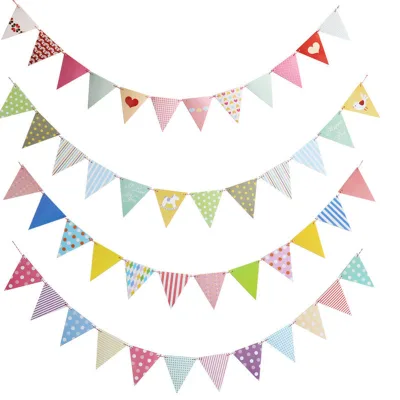

New Halloween Spooky Pull Flags Party Decoration Banner Pull Flags Hanging Decoration
$0.22 - $0.24
MOQ: 4200 Pieces





Comprehensive Sourcing Guide
Strategic Sourcing Guide for Graduation Pull Flags
The global market for celebratory merchandise has seen a sustained surge in demand for graduation-themed items, with the "Happy Graduation Pull Flag" emerging as a distinct and high-volume category. For B2B procurement professionals, sourcing these items requires a nuanced understanding of the intersection between festive design, mechanical functionality, and supply chain reliability. This guide provides a comprehensive framework for evaluating suppliers, analyzing product specifications, and mitigating risks associated with purchasing these specific promotional goods. The following sections detail the technical requirements, compliance considerations, and strategic factors necessary for successful procurement.
Technical Specifications and Material Composition
When evaluating a graduation pull flag, the primary technical differentiator lies in the material composition and the printing technology employed. Based on observed market data, the core material for these items often varies between paper and polyester, each offering distinct advantages depending on the intended application environment. Paper-based flags are frequently cited for their cost-effectiveness and biodegradability, making them suitable for single-use indoor events. In contrast, polyester variants offer superior durability and resistance to moisture, which is critical for outdoor graduation ceremonies where wind and weather conditions can be unpredictable.
The printing method is another critical specification. High-confidence data indicates that Dye-Sublimation Printing is a prevalent technique in this category. This process involves transferring dye into the fabric fibers, resulting in vibrant, long-lasting colors that do not crack or peel. For buyers, this implies that the visual quality of the "Happy Graduation" message and accompanying graphics will remain intact even after repeated handling. The color palette is typically multicolour, designed to capture the festive spirit of the occasion, though single-color options in red or other solid hues are also available for specific branding needs.
Physical dimensions are rarely standardized across the entire market, yet specific observations highlight a range of sizes. Some products adhere to specific standard dimensions such as 33cm by 7cm by 1cm or 16cm by 20cm, while others are fully customized to meet the buyer's exact requirements. The shape is often described as "as pictured" or customized, allowing for unique silhouettes that enhance the visual appeal. Furthermore, the weight of these items is a significant factor for logistics; observed weights range from 0.055kg to 0.12kg per unit, a range that influences shipping costs and handling requirements.
Customization Capabilities and Design Flexibility
One of the most compelling attributes of the graduation pull flag market is the high degree of customization available. Buyers can often request specific sizes, shapes, and designs tailored to their institution's branding or the specific graduating class's theme. The "Customization" attribute is frequently marked as available, allowing for the inclusion of custom logos, specific graduation years, or unique slogans. However, procurement teams must navigate the nuance between "Customized" and "Non-Customized" SKUs. While some suppliers offer bespoke services, others may only provide standard inventory with limited modification options.
The production process for these customized items often involves a mix of semi-manual and semi-mechanical operations. This hybrid approach allows for the intricate detailing required for custom designs while maintaining efficiency in mass production. The "Western" and "Traditional" styles are common design themes, reflecting the cultural context of the graduation ceremonies. Additionally, the "Cute" style is noted for appealing to younger demographics or specific thematic events. The ability to customize the ribbon length, with observations of lengths up to 5 meters, adds another layer of flexibility, ensuring the flag can be pulled effectively from a distance or used in specific choreographed events.
Cost Drivers and Pricing Dynamics
Understanding the cost structure of graduation pull flags is essential for budgeting and margin analysis. The observed price range in the market spans from $0.15 to $2.20 USD per unit. This wide variance is driven by several key factors, including material choice, printing complexity, and order volume. Lower-priced items typically utilize paper materials and standard printing methods, whereas higher-priced units often feature polyester construction, advanced dye-sublimation printing, and custom packaging.
Order Volume is a primary driver of unit cost. The Minimum Order Quantity (MOQ) varies significantly across suppliers, ranging from as low as 1 unit for sample orders to as high as 12,000 units for bulk production. A specific observation notes an MOQ of 600 pieces for certain models, which is a common threshold for balancing cost efficiency with inventory risk. Buyers must carefully calculate the trade-off between the lower unit price of bulk orders and the capital tied up in inventory. Additionally, packaging costs can influence the final price; while standard packaging often involves OPP bags or cartons, custom packaging solutions may incur additional fees.
Compliance, Safety, and Regulatory Considerations
For B2B buyers, ensuring that products meet safety and regulatory standards is paramount, particularly when the target audience includes children. The "Suitable for: Children" attribute found in product listings necessitates a rigorous review of safety compliance. While specific certification names are not universally provided in general market data, buyers must verify that the materials used, particularly the paper and polyester, are non-toxic and free from hazardous substances.
The origin of the products is another critical compliance factor. A significant portion of the supply chain originates from China, with specific regions like Hebei noted as production hubs. Sourcing from these regions requires a thorough vetting of the supplier's adherence to international safety standards, such as those set by the Consumer Product Safety Commission (CPSC) in the United States or the European Union's EN71 standards for toys and children's products. Although specific test results are not provided in the general data, buyers should request third-party laboratory reports to confirm that the dyes, inks, and materials meet the necessary safety thresholds.
Furthermore, the "Non Power" attribute indicates that these items do not require batteries or electrical components, simplifying compliance with electrical safety regulations. However, the mechanical aspects of the pull mechanism must be robust enough to prevent breakage that could lead to choking hazards, especially for younger children. Buyers should explicitly ask suppliers about the durability of the pull string and the structural integrity of the flag body under stress.
Supplier Evaluation and Quality Control Protocols
Selecting the right supplier for graduation pull flags requires a multi-faceted evaluation strategy. The market is populated by a diverse range of manufacturers, from large-scale factories to smaller workshops. When evaluating potential partners, buyers should prioritize suppliers who demonstrate transparency in their production processes. The observation of "Semi-Manual and Semi-Mechanical" processes suggests that human oversight is a critical component of quality control. Buyers should inquire about the specific quality assurance steps taken at each stage of production, from material sourcing to final packaging.
Quality control should extend to the packaging and labeling. The standard packing method often involves cartons containing 600 pieces, but custom packaging options are available. Ensuring that the packaging protects the flags from moisture, crushing, and damage during transit is essential. Buyers should also verify the accuracy of the labeling, ensuring that the product model numbers (such as J847, J179, or SK-219) and origin details are clearly marked. This transparency aids in traceability and helps in resolving any potential disputes regarding product defects.
Typical Applications and Seasonal Demand
The application scope for graduation pull flags is broad, covering both indoor and outdoor environments. Their primary use case is for graduation ceremonies, where they serve as a visual indicator of the event's progress or as a fun interactive element for the audience. The "Party Decoration" and "Birthday Decoration" attributes also highlight their versatility for other celebratory occasions. The "Whole Year" seasonality suggests that while demand peaks during graduation seasons, these items can be stocked for year-round promotional use or for other school-related events.
The "American" nation attribute indicates a strong market presence in the United States, but the "Western" style suggests applicability in other Western markets as well. The "Hand Flag" type implies that these items are designed for manual handling, making them ideal for parades, processions, and classroom celebrations. The "Card" type variation offers an alternative format for similar applications, providing flexibility in how the message is delivered. Buyers should consider the specific context of their clients when recommending product types, ensuring that the size and weight are appropriate for the intended use.
Long-Term Procurement and Supply Chain Resilience
For buyers looking to establish long-term relationships with suppliers, understanding the lead times and production capacity is crucial. While specific lead times are not universally fixed, the variability in MOQ and production methods suggests that lead times can fluctuate based on order volume and customization requirements. Buyers should negotiate clear timelines that account for potential delays in material sourcing or production bottlenecks.
Sustainability is an increasingly important factor in long-term procurement strategies. The use of paper materials offers a more eco-friendly option compared to polyester, aligning with corporate social responsibility goals. Buyers should explore suppliers who offer sustainable packaging solutions or who utilize eco-friendly inks and dyes. Additionally, the ability to accept custom packaging allows buyers to reduce waste by optimizing package sizes and using recyclable materials.
In conclusion, sourcing happy graduation pull flags requires a balanced approach that considers technical specifications, customization needs, cost dynamics, and compliance requirements. By leveraging the observed data and maintaining a rigorous evaluation process, B2B buyers can secure high-quality products that meet the demands of the graduation market while ensuring supply chain resilience and safety compliance. The diversity of options available, from standard models to fully customized solutions, provides ample opportunity for buyers to tailor their procurement strategy to specific business needs.
FAQs
What printing methods are used for graduation pull flags?
Dye-sublimation printing is the prevalent technique used for these items. This process transfers dye into fabric fibers for vibrant, long-lasting colors that resist cracking or peeling during repeated handling.
Which materials are available for manufacturing these flags?
The flags are commonly made from either paper or polyester. Paper offers cost-effectiveness for single-use indoor events, while polyester provides superior durability and moisture resistance for outdoor ceremonies.
Can buyers request custom sizes and designs for these flags?
Customization is available for specific sizes, shapes, and designs tailored to branding needs. Buyers can request custom logos or slogans, though some suppliers may only offer standard inventory with limited modification options.
What is the typical price range for these graduation flags?
The observed price range spans from 0.15 to 2.2 USD per unit. This variance is driven by material choice, printing complexity, and order volume, with lower prices typically associated with paper materials.
What are the minimum order quantities for purchasing these items?
Minimum order quantities range from 1 unit for samples to 12,000 units for bulk production. A specific observation notes an MOQ of 600 pieces for certain models to balance cost efficiency with inventory risk.
Where are these graduation pull flags typically manufactured?
A significant portion of the supply chain originates from China, with specific regions like Hebei noted as production hubs. Sourcing from these regions requires vetting suppliers for adherence to international safety standards.
Are these flags suitable for use by children at events?
Yes, the product attributes indicate suitability for children, necessitating rigorous safety compliance reviews. Buyers must verify that materials are non-toxic and that the pull mechanism prevents choking hazards.