Source Medical Stool for Doctor Chair, Operating Room, Clinic
Explore 30 verified listings for Medical Stool options suitable for doctor chairs, operating rooms, and clinics. Buyers can compare specifications like swivel adjustments, gas lift classes, and warranty periods to find the right fit for their facility needs; compare the available evidence and request quotations based on your requirements.
Key considerations
Products List


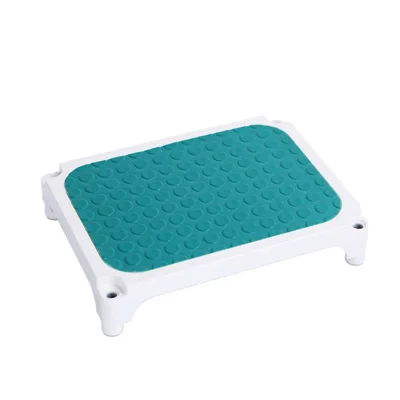
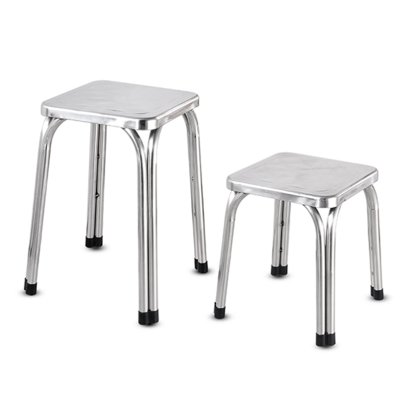
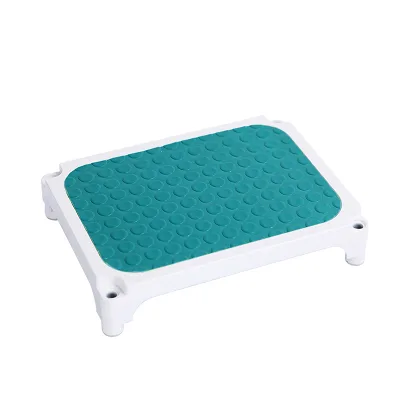
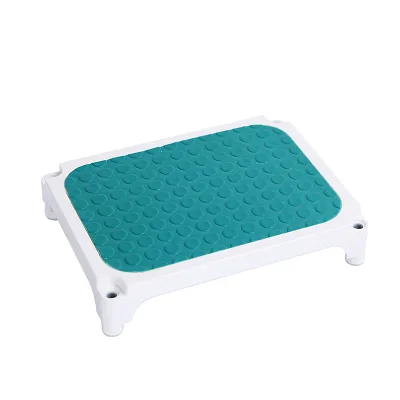
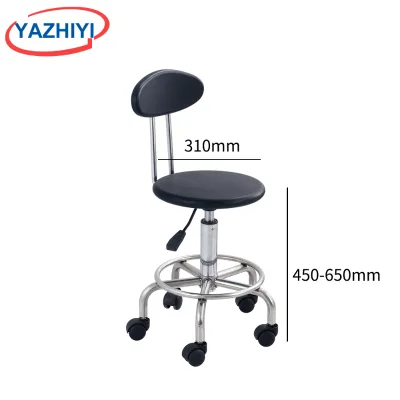
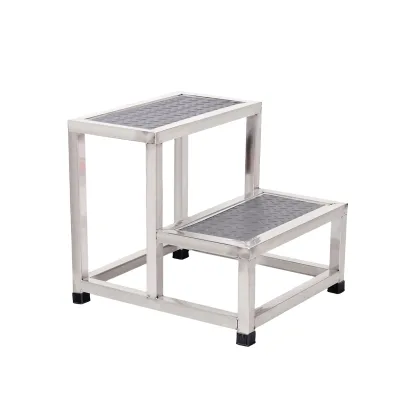


Hospital Chair Accompanying Chair Hospital Furniture Medical Equipment
$63.00 - $100.00
MOQ: 10 Pieces


Comprehensive Sourcing Guide
Medical Stool Sourcing Guide
Procuring medical stools requires a disciplined approach to balancing ergonomic functionality with clinical hygiene standards. Buyers must first define the specific operational context, whether for dental procedures, surgical rounds, or general clinic consultations. The observed market signals indicate a diverse range of configurations, from backless stools designed for unrestricted movement in operating rooms to chairs with full backs and armrests intended for longer-duration patient accompaniment or administrative tasks. Understanding these distinct use cases is the foundational step in selecting the correct product category, as the physical demands on the stool vary significantly between high-activity surgical environments and static consultation settings.
Once the application is defined, buyers should evaluate the core mechanical components that dictate longevity and user comfort. Key attributes such as seat material, base stability, and lift mechanism quality are critical differentiators in this category. The available data highlights variations in customization options, with some models offering tailored dimensions while others provide standardized commercial furniture solutions. Buyers must carefully cross-reference these physical attributes against their facility’s specific workflow requirements, ensuring that the selected stool supports the intended posture and movement patterns of the medical staff without compromising safety or hygiene protocols during daily clinical operations.
Product Scope and Observed Listing Signals
The current market landscape for medical stools presents a wide spectrum of product types, ranging from specialized surgeon stools to multi-functional conference chairs adapted for clinical use. Listings indicate that manufacturers offer both customized and non-customized options, allowing buyers to select standard models for rapid deployment or bespoke solutions for specific ergonomic needs. The observed product range includes variations in seat configuration, with some units featuring backrests and armrests for enhanced support, while others are designed as minimalist, backless stools to facilitate easy cleaning and unobstructed access to patients. This diversity necessitates a clear definition of requirements before engaging with suppliers to avoid mismatched specifications.
Material composition and structural design are prominent signals in product listings, with leather upholstery frequently cited as a primary feature for ease of disinfection and aesthetic appeal. Buyers should note that while many products are described as new and suitable for hospital or clinic environments, the specific application can vary from dental procedures to general medical consultations. The presence of features such as swivel adjustments and gas lift mechanisms is common, but the quality of these components can differ significantly between price points. It is essential for buyers to verify the specific construction details of each model, as the visual appearance of a stool may not fully reflect its durability or suitability for high-frequency clinical use.
Technical Specifications to Verify
When evaluating technical specifications, the gas lift mechanism is a critical component that must be verified for safety and performance. Buyers should confirm the class rating of the gas lift, as higher-class mechanisms offer greater stability and longevity under frequent adjustment. The observed data references specific gas lift specifications, such as 120mm Bifima 3 Class, which indicates a standardized level of quality. Additionally, the base structure, often a chrome five-star design, must be assessed for weight capacity and stability. The interaction between the gas lift and the base determines the overall safety profile of the stool, making it imperative to verify these mechanical ratings against the expected usage intensity in your facility.
Caster wheels and seat dimensions are other vital technical parameters that influence mobility and comfort. The type of caster, such as PU mute wheels, affects noise levels and floor protection, which is particularly important in quiet clinical environments. Buyers should also pay close attention to the product size and standard dimensions provided by suppliers, as these affect storage and maneuverability in tight spaces. The observed listings include various standard sizes, such as 606066-78 cm, which provide a baseline for spatial planning. Verifying these exact measurements ensures that the selected stool fits within the designated workflow area without obstructing movement or equipment access during medical procedures.
Compliance and Safety Documentation
Compliance with safety standards is non-negotiable for medical equipment, and buyers must request relevant certification documentation from suppliers. While general certifications like CE are mentioned in background contexts, buyers should insist on specific test reports for the gas lift, base stability, and load-bearing capacity. These documents provide objective evidence that the stool meets international safety requirements for medical environments. It is crucial to verify that the certifications are current and issued by recognized testing bodies, as this ensures that the product has undergone rigorous evaluation for durability and user safety. Without proper documentation, buyers risk procuring equipment that may fail under clinical stress, leading to potential liability issues.
Hygiene and material safety are equally important aspects of compliance in medical settings. Buyers should verify that the materials used, such as leather upholstery, are resistant to common disinfectants and do not harbor bacteria. The supplier should provide information on the material’s compatibility with hospital-grade cleaning agents to ensure long-term maintainability. Additionally, the packaging and handling instructions should be reviewed to prevent damage during transit, which could compromise the structural integrity of the stool. Ensuring that all components meet hygiene standards helps maintain a sterile environment and reduces the risk of cross-contamination, which is a primary concern in healthcare facilities.
Cost Drivers and Commercial Terms
Cost drivers in the Medical Stool market are influenced by material quality, customization levels, and order volume. Buyers should analyze the price range, which can vary significantly based on the inclusion of premium features such as high-class gas lifts or specialized casters. The observed MOQ ranges from low quantities for trial orders to higher volumes for bulk procurement, which can impact unit pricing. Understanding these commercial terms is essential for budgeting, as larger orders may offer economies of scale but require greater upfront capital. Buyers should also consider the total cost of ownership, including maintenance and potential replacement parts, rather than focusing solely on the initial purchase price.
Payment terms and lead times are critical factors in the procurement process that affect cash flow and operational planning. The observed data indicates that suppliers may require payment by T/T, which is a standard practice but requires careful financial management. Lead times can vary, with some suppliers offering rapid delivery within 10-15 days, while others may have longer production cycles. Buyers should negotiate clear delivery schedules and penalty clauses for delays to mitigate supply chain risks. Additionally, the loading port and shipping method should be confirmed to estimate logistics costs accurately, ensuring that the final landed cost aligns with the procurement budget.
Supplier Qualification and Quality Control
Supplier qualification is a vital step in ensuring the reliability of Medical Stool procurement. Buyers should verify the business type of the supplier, distinguishing between factories and trading companies, as this impacts quality control and pricing transparency. The observed data identifies some suppliers as factories, which may offer better direct control over manufacturing processes. It is advisable to request evidence of production capabilities, such as facility audits or video tours, to confirm the supplier’s ability to meet quality standards. Establishing a direct relationship with a manufacturer can also facilitate better communication regarding customization requests and technical support.
Quality control measures should be integrated into the procurement contract to protect against defects and inconsistencies. Buyers should specify inspection criteria, including visual checks for material defects and functional tests for gas lifts and casters. The observed listings mention various packing standards, such as carton or CKD (Completely Knocked Down) packaging, which can affect product protection during shipping. Buyers should ensure that the packaging method is suitable for the product’s fragility and that it includes clear handling instructions. Implementing a pre-shipment inspection protocol helps identify and rectify issues before delivery, reducing the risk of receiving substandard equipment that could disrupt clinical operations.
Long-Term Procurement Checks
Long-term procurement success depends on establishing robust warranty and support structures with suppliers. The observed data indicates warranty periods ranging from two to three years, which provides a baseline for expected product durability. Buyers should clarify the scope of the warranty, including coverage for mechanical components like gas lifts and casters, as well as the process for claiming repairs or replacements. A clear warranty policy ensures that any defects arising from normal use are addressed without additional cost, protecting the facility’s investment. It is also important to verify the availability of spare parts, as this affects the long-term maintainability of the equipment.
Continuous performance monitoring and feedback loops are essential for optimizing future procurement decisions. Buyers should track the performance of the stools in clinical settings, noting any issues related to comfort, durability, or hygiene. This data can be used to refine specifications for subsequent orders, ensuring that future purchases better meet the facility’s needs. Regular communication with suppliers regarding product updates or improvements can also help maintain a competitive edge in equipment quality. By maintaining a proactive approach to supplier management and product evaluation, buyers can ensure that their Medical Stool inventory remains reliable, safe, and cost-effective over time.
FAQs
What customization options are available for medical stools?
Customization is available for these medical stools, allowing buyers to request specific modifications. Some models support customized designs while others remain non-customized. Buyers should verify the specific product model requirements before placing an order to ensure the desired features are met.
Which warranty periods apply to these medical stools?
Warranty periods vary between two and three years depending on the specific product model selected. Buyers must check the individual item details to confirm the exact coverage duration. This ensures the equipment meets the required durability standards for hospital or clinic environments.
How are these medical stools packaged for shipping?
Packaging methods include standard cartons or CKD configurations depending on the specific product model. Dimensions vary significantly, with some units packed in boxes measuring 49 by 21 by 46.5 centimeters. Buyers should confirm the packing type to ensure safe transport and storage upon arrival.
Can I find medical stools with specific dimensions?
Yes, various models offer different standard sizes ranging from 50 by 50 by 57 centimeters to 60 by 60 by 78 centimeters. Specific dimensions like 55 by 25 by 58 centimeters are also available. Buyers must select the model that fits their operational space requirements accurately.
What is the lead time for ordering these stools?
The lead time for these medical stools is typically between ten and fifteen days. This duration applies to standard orders from factories located in China or Guangdong. Buyers should plan their procurement schedule accordingly to ensure timely delivery for their clinic or hospital needs.
Which materials are used to construct these stools?
Leather is the primary material used for the seating surfaces of these medical stools. This material choice ensures comfort and durability for doctors and surgeons during long procedures. Buyers should verify the specific model to confirm the material composition matches their hygiene and comfort standards.
What are the minimum order quantities for these stools?
Minimum order quantities can range from one piece up to one hundred pieces depending on the supplier. Some specific listings require a minimum of thirty pieces for purchase. Buyers must check the specific product listing to determine the exact MOQ applicable to their order volume.