Source Hardwood Cutting Jigsaw Blade for Wood, Metal, and Tile
Find 30 Hardwood Cutting Jigsaw Blade options from verified Chinese suppliers. Compare specifications including material, teeth count, and cutting capacity for wood, metal, and tile applications to select the right tool for your needs.
Key considerations
Products List


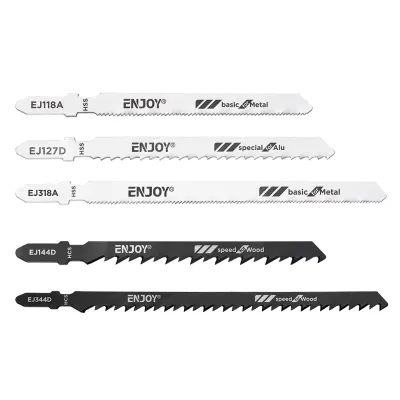
Hot Sale 14PCS U Fitting Jigsaw Blades Set Metal Plastic Wood Jig Saw Tool
$3.00 - $3.50
MOQ: 1000 Pieces




Comprehensive Sourcing Guide
Hardwood Cutting Jigsaw Blade Sourcing Guide
Selecting the right jigsaw blade for hardwood applications requires a careful balance of material science, tooth geometry, and shank compatibility. Hardwoods such as oak, maple, and walnut present significant resistance compared to softwoods, demanding blades with superior heat dissipation and tooth durability to prevent premature dulling or breakage. Buyers must prioritize blades designed specifically for dense grain structures, ensuring that the cutting action remains clean and efficient without excessive vibration or binding. The procurement process involves verifying that the supplier’s inventory aligns with the specific mechanical demands of hardwood processing, particularly regarding the blade’s ability to handle high-friction environments.
The market offers a variety of blade types, including reciprocating saw blades and sabre saw blades, which are often categorized under power tool accessories. These tools are essential for portable cutting tasks in both construction and woodworking environments. Procurement teams should focus on identifying blades that feature high-efficiency cutting characteristics and long-life properties, as these attributes directly impact operational throughput and tool maintenance costs. Understanding the distinction between different blade shank types, such as T-shank, is critical for ensuring compatibility with existing jigsaw equipment, thereby avoiding downtime caused by adapter issues or improper fits.
Product Scope and Observed Listing Signals
Current market listings indicate a diverse range of jigsaw blades with varying material compositions and finishing processes. Suppliers frequently offer blades constructed from High Carbon Steel (HCS), High-Speed Steel (HSS), and Bi-Metal combinations. Bi-metal blades, which fuse a flexible steel back with a hard cutting edge, are particularly relevant for hardwood applications due to their resistance to heat and wear. Listings also highlight specific finishing techniques such as Ti-coating and spray paint, which can influence corrosion resistance and friction levels during cutting. Buyers should observe these material and finishing details to assess the blade’s suitability for the abrasive nature of hardwoods.
The observed product scope includes a wide array of tooth counts, ranging from 3 to 24 teeth per inch, and blade sizes from 4 to 12 inches or custom lengths. This variability allows for customization based on the specific thickness and type of hardwood being cut. For instance, finer tooth counts are generally preferred for smoother cuts in hardwoods to minimize splintering, while coarser teeth may be used for faster removal of material in thicker sections. Additionally, the presence of OEM and ODM support suggests that buyers can request tailored specifications, such as specific tooth patterns or shank dimensions, to meet unique production requirements.
Technical Specifications to Verify
Verifying the shank type is the first critical step in ensuring blade compatibility with the jigsaw tool. The T-shank type is a common standard in modern jigsaws, offering quick and secure blade changes without the need for additional tools. Buyers must confirm that the blades they intend to purchase match the shank configuration of their machinery. Mismatched shanks can lead to inefficient cutting, blade slippage, or even damage to the tool’s chuck mechanism. Therefore, technical verification should begin with a clear audit of the existing tool inventory to determine the required shank profile before placing orders.
Tooth geometry and material composition are equally important technical factors. For hardwood cutting, blades with a high tooth count and a specific grind, such as ground teeth or back, are often recommended to achieve clean edges. The material should ideally be Bi-Metal or HSS to withstand the heat generated during the cutting of dense wood fibers. Buyers should request detailed diagrams or specifications regarding the number of teeth and the blade diameter to ensure the product meets the precision requirements of their projects. Additionally, verifying the blade’s cutting capacity, which may include thin sheet metals or wood, helps in understanding the versatility of the product, although specialized hardwood blades may not be optimal for metal cutting.
Compliance and Safety Documentation
While specific certification statuses are not universally listed in general product descriptions, buyers must ensure that all procured blades comply with relevant safety and quality standards for power tool accessories. This includes verifying that the blades meet international standards for mechanical safety, such as ISO or ANSI guidelines for reciprocating saw blades. Compliance documentation should confirm that the manufacturing processes, such as hot pressing or laser welding, adhere to strict quality control measures to prevent structural failures during high-speed operation. Buyers should request test reports or compliance certificates from suppliers to mitigate the risk of workplace accidents caused by blade breakage.
Safety also extends to the handling and storage of the blades. Proper packaging, such as carton boxes or plastic blister packs, is essential to protect the sharp teeth from damage and to prevent injury during transport and storage. Buyers should verify that the supplier’s packaging details align with international shipping standards to ensure that the blades arrive in pristine condition. Additionally, understanding the material safety data sheets (MSDS) for any coatings or finishes applied to the blades, such as Ti-coating or spray paint, is crucial for ensuring that the products do not pose health risks during handling or cutting operations.
Cost Drivers and Commercial Terms
The cost of jigsaw blades is influenced by several factors, including the material composition, tooth count, and finishing processes. Bi-metal blades typically command a higher price than HCS blades due to their superior durability and performance in demanding applications like hardwood cutting. Buyers should evaluate the total cost of ownership, which includes not only the unit price but also the frequency of blade replacement. Investing in higher-quality blades with longer life spans can reduce overall operational costs by minimizing downtime and the need for frequent reordering.
Commercial terms such as Minimum Order Quantity (MOQ) and supply ability also play a significant role in procurement planning. Observed MOQs can range from 1 to 1200 units, offering flexibility for both small-scale projects and large industrial purchases. Suppliers with a high supply ability, such as 1000 cartons per month, can support larger orders with consistent lead times. Buyers should negotiate terms that align with their production schedules, considering factors like port of dispatch and packaging details to optimize logistics costs. Understanding these commercial dynamics helps in building a resilient supply chain that can adapt to fluctuating demand.
Supplier Qualification and Quality Control
Qualifying suppliers requires a thorough assessment of their manufacturing capabilities and quality control processes. Buyers should verify that suppliers have established production lines capable of producing blades with consistent tooth geometry and material integrity. Processes such as laser welding and ground teeth indicate a higher level of precision and quality control. Additionally, suppliers offering OEM and ODM services demonstrate flexibility and technical expertise, which can be valuable for customizing blades to specific hardwood cutting requirements. Buyers should request samples to test the blades’ performance in real-world conditions before committing to large orders.
Quality control should also encompass the supplier’s ability to maintain consistent product quality across batches. Buyers should inquire about the supplier’s inspection protocols, including checks for blade straightness, tooth sharpness, and shank dimensions. Suppliers with a strong reputation for high-top quality and customized support are more likely to deliver products that meet stringent performance standards. Establishing a clear communication channel for feedback and issue resolution is also essential for maintaining a productive supplier relationship and ensuring that any quality deviations are addressed promptly.
Long-Term Procurement Checks
Long-term procurement success depends on continuous monitoring of supplier performance and product reliability. Buyers should establish key performance indicators (KPIs) to track metrics such as delivery times, defect rates, and customer satisfaction. Regular audits of the supplier’s quality control processes can help identify potential issues before they impact production. Additionally, staying informed about advancements in blade technology and materials can provide opportunities to upgrade to more efficient products, thereby enhancing cutting performance and reducing operational costs over time.
Building a diversified supplier base can mitigate risks associated with supply chain disruptions. Buyers should consider sourcing from multiple suppliers located in different regions, such as Jilin or Zhejiang in China, to ensure continuity of supply. This strategy also allows for competitive pricing and flexibility in negotiating terms. Furthermore, maintaining open lines of communication with suppliers regarding future needs and market trends can foster collaborative relationships that benefit both parties. By proactively managing supplier relationships and product quality, buyers can ensure a steady supply of high-performance jigsaw blades for their hardwood cutting operations.
FAQs
What materials are used for these jigsaw blades?
These blades are constructed from HCS, HSS, and Bi-Metal combinations. Some variants specifically utilize Carbon Steel or High Carbon Steel to ensure durability during cutting operations on various materials.
Can I request customized designs for these blades?
Yes, customized support including OEM and ODM services is available for these products. Buyers can request specific modifications to meet unique production requirements or branding needs.
What is the minimum order quantity for these blades?
The minimum order quantity starts at one unit for single item purchases. This low entry point allows buyers to test product quality before committing to larger bulk orders.
Which applications are suitable for these reciprocating saw blades?
These blades are designed for wood material cutting, metal sawing, and tile or brick sawing. They are also noted for applications involving granite, offering versatility across different construction tasks.
How are these blades finished to improve performance?
The blades undergo finishing processes such as Ti-coating or spray paint application. Additional manufacturing steps include laser welding and ground teeth to ensure high-efficiency cutting and long life.
What types of shanks are available for these blades?
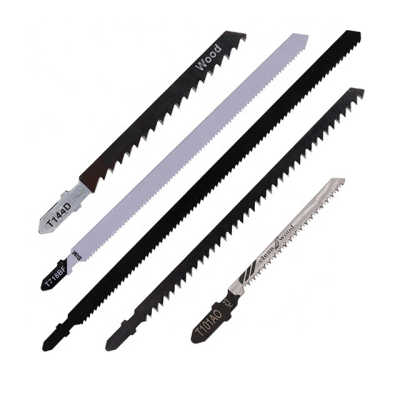
The product line includes T-Shank Type blades compatible with standard power tools. Various models like T111C and T144D are available in specific pack configurations for different saw types.
Where are these jigsaw blades manufactured and shipped from?
The blades originate from factories in Jilin and Zhejiang, China. They are dispatched via ports in Ningbo and Shanghai, ensuring reliable logistics for international buyers seeking these tools.