Source hart 4-20ma smart pressure transmitter for Oil, Gas, Water
Find 30 listings for the hart 4-20ma smart pressure transmitter with options for differential and normal pressure types. Buyers can compare accuracy grades, pressure ranges, and material specifications from suppliers in China.
Key considerations
Products List
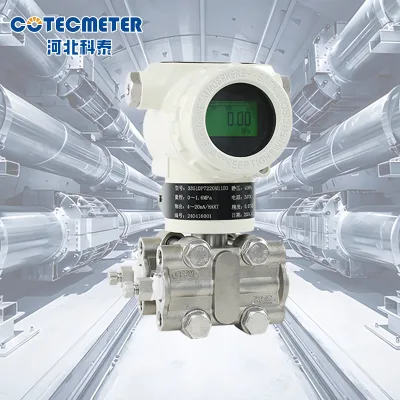
Smart Remote 4-20ma Water Pressure Transmitter Wireless Differential Pressure Transmitter
$123.32 - $174.71
MOQ: 1 pieces
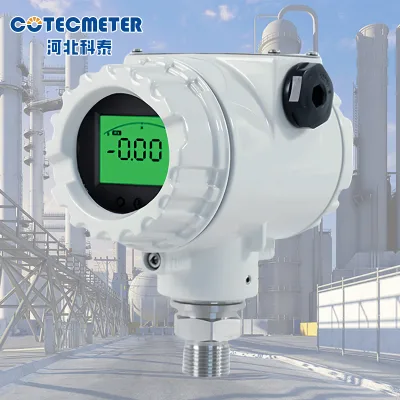
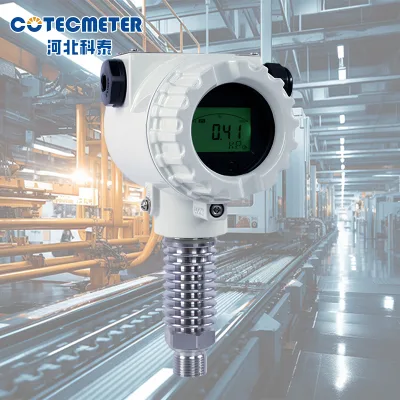
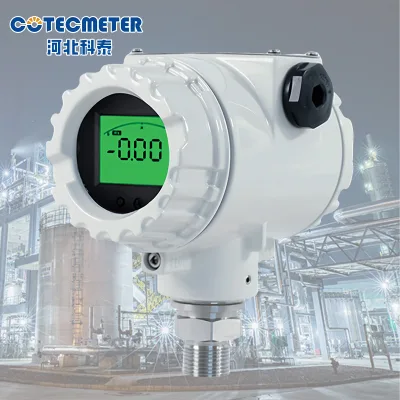
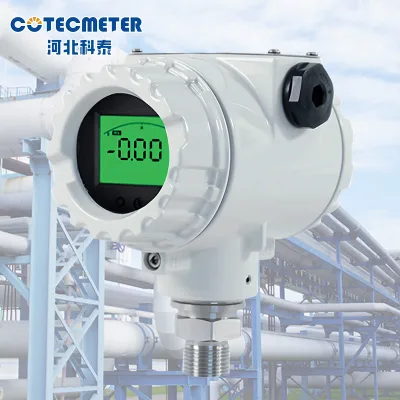


Smart Pressure Sensor with 2-Valve Manifold Hart Communication Protocol
$135.00 - $530.00
MOQ: 1 Pieces


Smart 4-20mA High Accuracy Differential Pressure Transmitter with Hart Protocol
$500.00 - $600.00
MOQ: 1 Pieces


Comprehensive Sourcing Guide
Strategic Sourcing Guide for Hart 4-20mA Smart Pressure Transmitters
Understanding Core Technical Specifications and Signal Protocols
When sourcing a Hart 4-20mA smart pressure transmitter, the primary objective is to identify a device that integrates robust analog signaling with digital communication capabilities. The 4-20mA current loop serves as the industry standard for transmitting process variables over long distances with high noise immunity, while the HART (Highway Addressable Remote Transducer) protocol overlays a digital signal on top of this analog current. This dual-mode operation allows for remote configuration, diagnostics, and calibration without interrupting the primary control signal.
Based on observed market data, buyers should expect specific technical configurations. The output signal is frequently described as a two-wire system providing a 4-20mA DC output, superimposed with the HART protocol. This configuration is critical for systems requiring both legacy compatibility and modern digital integration. The power supply requirements typically range from 12VDC to 36VDC, with some units operating within a 10-32VDC or 12-32VDC window. It is essential to verify that the selected transmitter's power supply range aligns with the plant's existing DC power distribution to avoid the need for additional power conditioning equipment.
Accuracy is a defining characteristic of smart transmitters. Observed accuracy grades in the current market include values such as 0.075%, 0.1%, 0.25%, and 0.5%. For high-precision applications, a grade of 0.1% or better is often required, whereas general process monitoring may accept 0.5%. The resolution of these devices can be as fine as 0.001% of the full scale (Fs), enabling the detection of minute pressure fluctuations. Buyers must distinguish between the accuracy of the sensor element and the overall system accuracy, as environmental factors can influence the final reading.
Pressure Ranges, Materials, and Environmental Ratings
The physical construction of the transmitter must withstand the specific operating conditions of the application. The pressure range is a fundamental selection criterion. Available configurations in the market span from low-pressure measurements of 0-60KPa to high-pressure industrial applications reaching 16MPa, 25MPa, 40MPa, and even up to 35MPa. The range ratio, which indicates the turndown capability of the device, is often cited as 100:1, allowing a single transmitter to cover a wide spectrum of operating pressures without losing accuracy at the lower end.
Material selection is paramount for corrosion resistance and longevity. Stainless Steel (SS) is the predominant material observed for the housing and wetted parts of these transmitters. The specific grade of stainless steel should be verified against the chemical compatibility of the measuring medium, which is often liquid. For applications involving aggressive chemicals or high temperatures, the material specification must be rigorously checked.
Ingress Protection (IP) ratings are critical for outdoor or harsh environment installations. An IP65 rating is a common observation, indicating that the device is dust-tight and protected against water jets from any direction. This rating ensures reliability in environments where rain, washing down, or dust accumulation is a concern. Additionally, the operating temperature range is a vital specification. Units are typically rated for an operating temperature between -20°C and +70°C, though some specialized models may extend to -20°C to +80°C. Buyers must ensure the ambient temperature of the installation site falls within these limits to prevent sensor drift or housing failure.
Compliance, Certification, and Structural Integrity
While specific certification statuses should be verified on a per-unit basis, buyers should be aware of the standards and structural types prevalent in the market. The market includes various structural types, such as Capacitive Pressure Transmitters and Diffused Silicon Pressure Transmitters. The choice between these technologies depends on the required stability, temperature range, and cost constraints. Diffused silicon technology is often favored for its high sensitivity and compact size, while capacitive types may offer superior stability over time.
Regarding certifications, the presence of SGS (Société Générale de Surveillance) is noted in certain product listings. SGS is a recognized inspection and verification company that provides quality assurance services. However, buyers should not assume that every listed product carries this certification without explicit confirmation. Similarly, while CE marking is a common background reference in the industry, it should not be treated as a guaranteed attribute for every item without direct verification from the supplier.
The structural dimensions of the transmitter also impact installation. A common dimension observed is a diameter of 66mm, with a mounting hole pitch of 55mm. These standardized dimensions facilitate compatibility with existing mounting brackets and panel cutouts. The packing method is typically a paper carton, but custom requirements can often be accommodated. Buyers should explicitly state their packaging needs if they require specialized protection for long-distance shipping or specific labeling for inventory management.
Cost Drivers and Procurement Parameters
The cost of a Hart 4-20mA smart pressure transmitter is influenced by several factors, including accuracy grade, pressure range, material quality, and customization level. The observed price range in the market spans from $30 to $600 USD. This wide variance reflects the difference between basic models and high-precision, high-pressure units with advanced features.
Minimum Order Quantity (MOQ) is another critical procurement parameter. The observed MOQ range is typically between 1 and 10 units. This flexibility allows buyers to procure single items for pilot projects or small-scale replacements, as well as larger batches for full plant upgrades. The selling unit is often listed as a single item, which simplifies the ordering process for maintenance teams.
Customization is a significant cost driver. Many suppliers offer OEM (Original Equipment Manufacturer) and ODM (Original Design Manufacturer) support, allowing for tailored solutions. Customization options may include specific pressure ranges, unique mounting configurations, or specialized materials for the wetted parts. The availability of customization can extend lead times and increase the unit cost, but it ensures the device meets exact operational requirements. Buyers should balance the need for standardization against the benefits of a custom solution when evaluating total cost of ownership.
Supplier Evaluation and Geographic Considerations
When evaluating potential suppliers, geographic origin plays a role in logistics and supply chain stability. The primary production locations observed for these devices are Hebei, China, and Beijing, China. These regions have established manufacturing ecosystems for industrial instrumentation. Buyers should verify the specific place of origin for each supplier to understand the logistics implications, including shipping times and potential import duties.
Supplier reliability is often indicated by the warranty period offered. A 3-year warranty is a high-confidence observation for certain premium models, while a 1-year warranty is also common in the market. The warranty period serves as a proxy for the manufacturer's confidence in product durability. A longer warranty may indicate higher quality control standards and better after-sales support.
Customization support is another key differentiator. Suppliers offering both OEM and ODM services demonstrate flexibility in meeting client-specific needs. Buyers should inquire about the supplier's capacity to handle custom orders, including the lead time for non-standard configurations. The ability to provide detailed technical documentation, such as datasheets and calibration certificates, is also a marker of a reputable supplier.
Quality Control and Long-Term Procurement Strategies
Ensuring the quality of pressure transmitters requires a robust quality control (QC) process. Buyers should request evidence of testing procedures, including calibration records and factory acceptance tests. The accuracy grade, such as 0.1G or 0.5G, should be verified against the actual test results provided by the manufacturer. Resolution capabilities, such as 0.001%Fs, should be validated to ensure the device meets the precision requirements of the application.
Long-term procurement considerations involve assessing the lifecycle of the device. The warranty period, typically ranging from 1 to 3 years, is a critical factor in total cost of ownership. A 3-year warranty suggests a longer expected service life and reduced risk of premature failure. Additionally, the availability of spare parts and the supplier's ability to provide technical support over the device's lifespan are essential for maintaining operational continuity.
The measuring medium compatibility is another long-term consideration. Whether the medium is a liquid or another substance, the material of construction must remain compatible over time to prevent corrosion or degradation. The operating temperature range must also be consistent with the process conditions to ensure the device does not suffer from thermal stress or drift.
Application Scenarios and Performance Verification
Hart 4-20mA smart pressure transmitters are versatile and find applications across various industries. They are commonly used in liquid level measurement, where the pressure at the bottom of a tank is measured to determine the level. The principle of operation may involve magnetic sensors or float mechanisms, depending on the specific design. The range of measurement can extend up to 30 meters or more, making these devices suitable for large storage tanks and deep wells.
In industrial process control, these transmitters monitor pressure in pipelines, reactors, and compressors. The ability to superimpose digital communication on the 4-20mA signal allows for real-time diagnostics, such as detecting sensor drift or blockage. This capability is crucial for predictive maintenance, reducing downtime and preventing catastrophic failures.
Performance verification is essential before final installation. Buyers should ensure that the transmitter's accuracy, range, and environmental ratings match the specific requirements of the application. The pressure range should cover the expected operating pressures with sufficient margin to handle surges or spikes. The accuracy grade should be sufficient for the control loop's requirements, and the material should be compatible with the process medium.
Summary of Key Selection Criteria
To summarize, sourcing a Hart 4-20mA smart pressure transmitter requires a careful balance of technical specifications, cost considerations, and supplier reliability. Key factors include the output signal type (4-20mA with HART), power supply range (12-36VDC), accuracy grade (0.075% to 0.5%), and pressure range (up to 40MPa). Material selection, typically stainless steel, and environmental ratings like IP65 are critical for durability. Buyers should verify certifications, warranty periods, and customization options to ensure the selected device meets their specific needs. By focusing on these core aspects, buyers can make informed decisions that optimize performance and reduce long-term operational costs.
| Feature | Typical Observed Value | Verification Requirement |
|---|---|---|
| Output Signal | 4-20mA + HART Protocol | Confirm two-wire system compatibility |
| Power Supply | 12-36VDC (Range: 10-32VDC) | Match with plant DC power specs |
| Accuracy | 0.075% to 0.5% | Validate against calibration certs |
| Pressure Range | 0-60KPa to 40MPa | Ensure coverage of max process pressure |
| Material | Stainless Steel (SS) | Check chemical compatibility with medium |
| Ingress Protection | IP65 | Verify for outdoor/harsh environment use |
| Warranty | 1 to 3 Years | Confirm terms and coverage details |
| Origin | Hebei/Beijing, China | Assess logistics and lead times |
By adhering to these guidelines and verifying all specifications against the actual product data, buyers can successfully navigate the complex landscape of industrial instrumentation procurement.
FAQs
What output signal does the KETAI3351 transmitter provide?
The KETAI3351 transmitter provides a two-wire system with a 4-20mADC output superimposed with the HART protocol. This configuration allows for remote configuration and diagnostics while maintaining compatibility with legacy analog systems.
Which accuracy grades are available for these pressure transmitters?
Available accuracy grades include 0.075%, 0.1%, 0.25%, and 0.5% depending on the specific model. High-precision applications often require the 0.1% grade, while general monitoring may accept the 0.5% option.
Can I customize the pressure range for this device?
Yes, customization is available for various pressure ranges including 0-60KPa, 16MPa, 25MPa, and up to 35MPa. Buyers should verify specific range requirements with the supplier to ensure compatibility with their process conditions.
What is the operating temperature range for these units?
The typical operating temperature range is between -20°C and +70°C for most models. Some specialized units may extend to +80°C, so verifying the specific product datasheet is essential for extreme environments.
How long is the warranty period for these transmitters?
Warranty periods vary, with some premium models offering a 3-year warranty while others provide a 1-year coverage. The longer warranty often indicates higher confidence in product durability and quality control standards.
What material is used for the housing of these transmitters?
Stainless Steel (SS) is the predominant material used for the housing and wetted parts of these transmitters. This material selection ensures corrosion resistance and longevity when measuring liquids in industrial environments.