Source Heart Shape Push Pins for Office, School, and Home
Explore 30 listings for Heart Shape Push Pins suitable for office organization, school projects, and home decor. Compare metal materials, custom shapes, and bulk packaging options from Chinese manufacturers to find the right fasteners for your needs; compare the available evidence and request quotations based on your requirements.
Key considerations
Products List
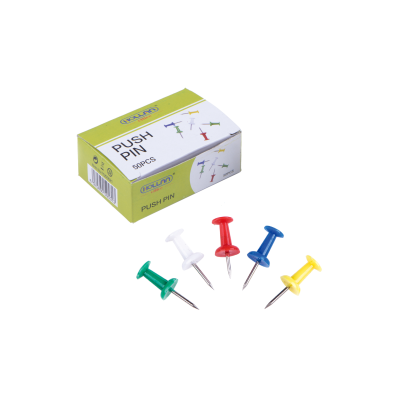


Pink Metal Pins Custom Anime Hard Lapel Badge Hard Soft Enamel Pins Enamel Heart Pin
$0.15 - $0.80
MOQ: 50 Pieces


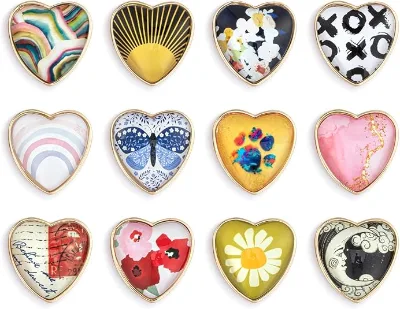
Custom Art Patterned Heart Shaped Pins for Employee Teacher Volunteer Ship Quickly
$0.48 - $0.52
MOQ: 100 pieces
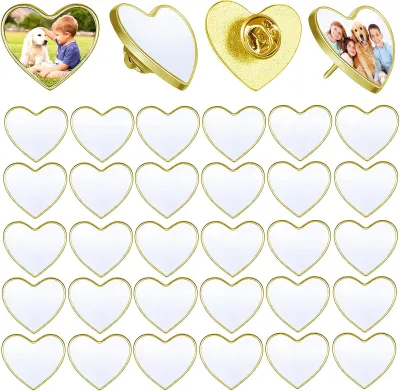


Comprehensive Sourcing Guide
Heart Shape Push Pins Sourcing Guide
Sourcing heart-shaped push pins requires a nuanced understanding of the distinction between standard office fasteners and decorative lapel accessories. The market data indicates a wide variance in product definitions, ranging from simple metal pins used for bulletin boards to intricate enamel badges designed for apparel. Buyers must first clarify whether the procurement need is functional, such as high-volume paper attachment, or aesthetic, such as promotional gifts or fashion accessories. This distinction dictates the material selection, manufacturing technique, and quality control protocols required for a successful order.
The observed listing signals reveal a fragmented supply landscape with origins primarily in Zhejiang, Shenzhen, and Zhongshan, China. Products vary significantly in model numbers, from generic identifiers like 11200003 to specific codes like HS-PB024 and L0004. This diversity suggests that suppliers often operate as multi-category manufacturers rather than specialized niche producers. Consequently, buyers should expect a broad range of customization options, including custom shapes, logos, and plating finishes, but must verify that the specific supplier has the technical capability to execute the desired heart shape with precision and consistency.
Product Scope and Observed Listing Signals
The product scope encompasses both utilitarian fasteners and decorative accessories, with observed attributes highlighting this duality. Some listings describe standard pins with bulk or carton packing, suitable for high-volume office use, while others specify detailed features like enamel plating, butterfly clutch attachments, and specific dimensions such as 30mm diameter or 9.6cm13.6cm1.3cm packaging. These variations indicate that the term "push pin" is used loosely across platforms, covering everything from basic metal tacks to complex lapel pins with safety pin attachments. Buyers must carefully review the product type and attachment mechanism to ensure alignment with their intended use case.
Observed material and finishing options include metal constructions with nickel or gold plating, as well as enamel techniques for colored designs. The presence of eco-friendly claims and custom logo services suggests a market responsive to corporate branding and sustainability trends. However, the lack of uniform standardization means that a "heart shape" can vary from a simple stamped outline to a detailed die-cast form. Buyers should analyze the provided packing details, such as OPP bags for individual protection or large cartons for bulk shipping, to estimate logistics costs and storage requirements accurately before placing orders.
Technical Specifications to Verify
Technical verification begins with confirming the physical dimensions and thickness of the pins, as observed ranges include thicknesses of 1.5mm, 2.0mm, 2.5mm, and 3.0mm, with custom options available. The standard size of 2.8X2.1CM is noted for some items, while others offer custom sizes, requiring precise measurement of the heart shape to ensure it fits the intended application. Buyers must verify the attachment mechanism, whether it is a standard push pin back, a safety pin, or a butterfly clutch, as this directly impacts usability and security. Misidentifying the attachment type can lead to product failure in the field, especially for apparel or heavy-duty bulletin board use.
Manufacturing techniques also vary, with observed methods including die casting, stamping, and enamel application. These processes affect the durability, weight, and aesthetic quality of the final product. For instance, enamel pins may offer vibrant colors but require careful handling to avoid chipping, while stamped metal pins offer simplicity and cost-efficiency. Buyers should request samples to assess the finish quality, checking for smooth edges, secure attachment points, and consistent color application. Additionally, verifying the weight, such as the observed approximate 5-8g per unit, helps in calculating shipping costs and ensuring the product feels substantial enough for its intended purpose.
Compliance and Safety Documentation
Compliance requirements depend heavily on the end-use of the heart-shaped push pins. If the product is intended for children or general consumer use, buyers must verify adherence to safety standards regarding sharp points and small parts. Although specific certification statuses are not provided in the observed data, reputable suppliers should be able to provide test reports confirming that the metal components do not exceed lead or other heavy metal limits. For products marketed as eco-friendly, buyers should request documentation supporting these claims, such as material safety data sheets or third-party environmental certifications, to avoid greenwashing risks.
For industrial or office use, compliance may focus more on material durability and functional performance rather than consumer safety. Buyers should ensure that the plating, whether nickel or gold, is applied correctly to prevent corrosion and skin irritation, especially for lapel pins worn against clothing. It is advisable to ask suppliers for their quality assurance protocols, including how they handle defective units and whether they conduct random sampling inspections before shipment. Understanding the regulatory landscape of the destination market is crucial, as import regulations may require specific labeling or material declarations for metal fasteners and accessories.
Cost Drivers and Commercial Terms
Cost drivers for heart-shaped push pins include material costs, plating finishes, and the complexity of the manufacturing process. Enamel and die-casting techniques generally incur higher tooling and production costs compared to simple stamping. Customization options, such as custom shapes, logos, and colors, add to the expense due to setup fees and longer production runs. Buyers should also consider packaging costs, as options range from simple bulk packing to individual OPP bags and branded boxes, which can significantly impact the unit price and overall logistics expenses.
Commercial terms observed include a payment structure of 30% deposit and 70% balance before shipping, which is standard for B2B transactions. Minimum order quantities (MOQs) vary widely, ranging from 5 to 3000 units, allowing for flexibility in order size. Buyers should negotiate based on volume, as larger orders may qualify for reduced unit prices and waived setup fees. It is also important to clarify lead times and shipping terms, as these factors influence cash flow and inventory management. Understanding the total landed cost, including tariffs and freight, is essential for accurate budgeting and profitability analysis.
Supplier Qualification and Quality Control
Supplier qualification involves assessing the manufacturer's capability to produce consistent, high-quality heart-shaped push pins. Buyers should verify the supplier's experience in metalworking and enamel techniques, as well as their ability to handle custom orders. Checking the supplier's production capacity and quality control processes is crucial to ensure that large orders can be fulfilled on time and to specification. Requesting references or case studies from previous clients can provide insight into the supplier's reliability and customer service standards.
Quality control measures should include pre-production sample approval, in-process inspections, and final random sampling. Buyers should define clear acceptance criteria for defects, such as chipped enamel, loose attachments, or incorrect dimensions. Establishing a communication channel for addressing quality issues promptly is vital for maintaining a good business relationship. Additionally, buyers should consider third-party inspection services for large orders to independently verify product quality before shipment. This proactive approach helps mitigate risks and ensures that the delivered goods meet the buyer's expectations.
Long-Term Procurement Checks
Long-term procurement success depends on establishing a robust supplier relationship and continuous performance monitoring. Buyers should conduct regular audits of supplier performance, tracking metrics such as on-time delivery, product quality, and responsiveness to issues. Building a partnership with a reliable supplier can lead to better pricing, priority production, and improved service over time. It is also important to stay updated on market trends and technological advancements in pin manufacturing, which may offer new opportunities for product differentiation or cost savings.
Continuous improvement initiatives should include feedback loops with end-users to identify any product issues or desired enhancements. This feedback can inform future design changes and material selections, ensuring that the product remains competitive in the market. Buyers should also diversify their supplier base to mitigate risks associated with single-source dependency. Regularly reviewing and updating procurement strategies based on market conditions and supplier performance helps maintain a resilient and efficient supply chain for heart-shaped push pins.
FAQs
What materials are used for Heart Shape Push Pins?
Heart Shape Push Pins are typically crafted from metal to ensure durability and sharpness. The product specifications indicate that metal is the primary material used for these fasteners. This material choice supports the structural integrity required for standard pin applications while allowing for various plating options like nickel or gold finishes.
Can I customize the size of Heart Shape Push Pins?
Yes, customization is available for Heart Shape Push Pins to meet specific project requirements. The product attributes confirm that both the shape and size can be customized. Buyers can request specific dimensions, such as a 30mm diameter or other custom sizes, ensuring the pins fit perfectly into their intended display or organizational systems.
What is the typical packaging for Heart Shape Push Pins?
Packaging options for Heart Shape Push Pins include bulk, box, carton, and pallet configurations. Specific listings show packaging such as individual OPP bags with 100 pieces per big bag, or 500 pieces per carton. These varied packaging methods allow suppliers to accommodate different order volumes and shipping requirements efficiently for international buyers.
Are Heart Shape Push Pins eco-friendly?
Yes, Heart Shape Push Pins can be considered eco-friendly based on product attributes. The specifications explicitly state that the product is eco-friendly, which may relate to material sourcing or manufacturing processes. This feature appeals to buyers seeking sustainable office supplies or promotional items that align with environmental responsibility goals in their procurement strategies.
What attachment types are used for heart shape pins?
Heart shape pins utilize various attachment mechanisms such as safety pins or butterfly clutches. The product data lists both safety pin and butterfly clutch attachments as available options. These mechanisms ensure secure fastening to fabric or boards, making them suitable for use as lapel pins, badges, or functional push pins for display purposes.
Where are Heart Shape Push Pins manufactured?
Heart Shape Push Pins are manufactured in China, with origins in regions like Zhejiang, Shenzhen, and Zhongshan. These locations are known for their robust manufacturing capabilities in fasteners and accessories. Buyers can source these products from factories in these specific Chinese provinces, ensuring access to established supply chains and production expertise.