Find Heart Rate Monitor Smart Watch for Health, Fitness, and Work
Source 30 Heart Rate Monitor Smart Watch options featuring water resistance, Bluetooth, and diverse display types. Buyers can compare models like SK-14 and HW01 with silicone straps, IP67 ratings, and customization availability from Chinese manufacturers.
Key considerations
Products List

Sports Smart Watch Tracker Blood Pressure Heart Rate Monitor Smartwatch
$18.80 - $19.50
MOQ: 30 Pieces


Smart Watch Heart Rate Blood Pressure Sleep Monitoring Chatter Smart Bracelet
$10.00 - $13.80
MOQ: 10 Pieces


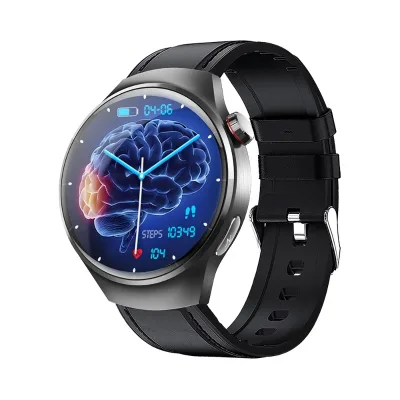


Waterproof Bluetooh Fitness Tracker Heart Rate Sleep Monitor Smart Watch
$17.20 - $18.90
MOQ: 100 Pieces


Comprehensive Sourcing Guide
Strategic Sourcing Guide for Heart Rate Monitor Smart Watches
The global market for wearable health technology has expanded rapidly, with heart rate monitor smart watches becoming a cornerstone of personal fitness and corporate wellness programs. For B2B procurement professionals, navigating this sector requires a disciplined approach that distinguishes between marketing claims and verifiable technical specifications. This guide synthesizes observed product attributes and industry standards to provide a framework for sourcing these devices effectively. Buyers must prioritize evidence-based verification over supplier assertions to mitigate risk and ensure product reliability.
Technical Architecture and Display Technologies
When evaluating heart rate monitor smart watches, the display technology serves as a primary indicator of user experience and manufacturing quality. Observed product data reveals a divergence in display types, with specific models utilizing IPS (In-Plane Switching) panels while others employ TFT (Thin Film Transistor) technology. IPS displays generally offer superior viewing angles and color accuracy, which is critical for users who need to read health metrics in various lighting conditions. Conversely, TFT panels are often found in cost-optimized models, providing adequate visibility but potentially with narrower viewing angles.
The physical interface is equally significant. Modern units frequently combine touch screen capabilities with push button controls to ensure usability in wet conditions or when wearing gloves. The operational mode is often described as "Touch + Push Button," a hybrid approach that enhances accessibility. Furthermore, the dial style is predominantly round, aligning with traditional watch aesthetics, though some designs feature geometric shapes to appeal to niche fashion markets. The case material is typically an alloy, providing a balance between durability and weight, while the wrist band material is consistently observed as silicone or rubber. These materials are selected for their flexibility, hypoallergenic properties, and resistance to sweat and water.
Connectivity and Functional Capabilities
The core functionality of a Heart Rate Monitor Smart Watch extends beyond simple timekeeping. Connectivity is a defining feature, with Bluetooth being a ubiquitous standard across the observed product range. This enables seamless synchronization with mobile applications for data analysis. Some advanced models in the dataset also list WiFi and 3G capabilities, suggesting independent connectivity options that do not require a paired smartphone for certain functions. However, a critical distinction exists regarding cellular integration; specific models are noted as "No Cards Allowed," indicating they rely entirely on Bluetooth tethering rather than embedded SIMs.
Data transmission and interaction are further enhanced by features such as SDK (Software Development Kit) availability, allowing enterprise buyers to customize the device for specific corporate health programs. Voice assistant integration, including Google Assistant, is another observed capability that adds utility for hands-free operation. The presence of a microphone in certain models supports voice commands and potentially call functionality, although the absence of a camera in the observed data suggests a focus on health monitoring rather than multimedia capture. The charging method is standardized across most units, utilizing magnetic charging cables, which simplifies the user experience and reduces wear on physical ports.
Compliance, Certification, and Safety Standards
In the realm of health and fitness wearables, compliance is not merely a regulatory hurdle but a fundamental component of product safety and market access. While specific certification documents were not provided in the source data, buyers must rigorously verify that products meet international safety standards. The observed data highlights "Water Resistant" as a common feature, with specific models citing an IP67 waterproof standard. This rating implies protection against dust ingress and temporary immersion in water up to one meter for thirty minutes. However, buyers should not assume all products labeled "Water Resistant" meet the IP67 threshold without requesting specific test reports.
Environmental and material safety is another critical area. The use of silicone and rubber for bands requires verification against REACH (Registration, Evaluation, Authorization and Restriction of Chemicals) regulations in Europe or similar standards in other jurisdictions to ensure the absence of harmful phthalates or heavy metals. Additionally, the "Anti-fluid corrosion" and "Anti-Impact" features observed in some listings suggest robust construction, but these claims should be backed by third-party durability testing. For products intended for medical or clinical-grade monitoring, additional regulatory approvals such as FDA clearance or CE marking for medical devices may be necessary, though standard fitness trackers typically fall under general consumer electronics regulations.
Cost Drivers and Procurement Economics
The pricing structure for heart rate monitor smart watches is influenced by a complex interplay of factors, including display technology, connectivity options, and customization levels. The observed price range spans from $1 to $29.57 USD, reflecting a wide spectrum of product tiers. Entry-level models likely utilize TFT displays and basic Bluetooth connectivity, while premium units with IPS screens, 3G capabilities, and advanced health sensors command higher prices.
Minimum Order Quantity (MOQ) is a significant variable in procurement planning. Data indicates an MOQ range from 1 to 1000 units, with a specific high-confidence observation of 30 pieces for certain models. This flexibility allows buyers to test the market with small batches or scale up for large corporate deployments. The payment terms observed are typically T/T (Telegraphic Transfer), a standard method in international trade that requires careful management of cash flow and risk.
Customization plays a pivotal role in cost drivers. The availability of customization for color and branding is noted as a standard option. However, customizing the product model, packaging, or software interface often incurs additional tooling or development costs. The packaging itself varies from neutral cardboard boxes to gift boxes, with dimensions ranging from approximately 12x8x2.9 cm to larger cartons. These packaging choices impact shipping costs and the final landed price, particularly for air freight.
Typical Applications and Use Cases
The versatility of heart rate monitor smart watches supports a diverse range of applications. The primary usage category is "Detection," encompassing the monitoring of physiological metrics such as heart rate, sleep patterns, and activity levels. This makes them ideal for the consumer fitness market, where individuals track their personal health goals.
Beyond individual use, these devices are increasingly deployed in corporate wellness programs. The "Communication" and "Detection" features allow for the aggregation of health data across a workforce, enabling companies to design targeted wellness initiatives. The "All Season" standard observed in some product descriptions suggests suitability for year-round use, regardless of environmental conditions. Furthermore, the "Health Fitness Tracker Smart Watch with ECG Monitoring" classification indicates a potential application in preventive health care, where early detection of cardiac irregularities can be critical.
The "No Cards Allowed" constraint in some models makes them particularly suitable for environments where SIM card management is impractical, such as schools or facilities with strict security protocols. In these settings, the devices function as tethered health monitors, relying on the user's smartphone for data transmission.
Supplier Evaluation and Quality Control
Selecting a reliable supplier requires a multi-faceted evaluation process. The origin of the products is consistently identified as China, specifically with shipments often originating from the Ningbo Port. Buyers should verify the supplier's capacity to meet the specific MOQ and lead time requirements. While specific lead times were not provided in the data, the variation in MOQ suggests that suppliers may have different production capacities and inventory levels.
Quality control must be proactive. Buyers should request detailed specifications for the "prod_standard" dimensions, which vary from 55x37.3x16.3 mm to 57x43.6x14.9 mm, ensuring the device fits the intended user demographic. The "prod_packing" details, ranging from simple cartons to gift boxes, should align with the brand's image and shipping requirements. It is essential to verify that the "Water Resistant" claims are backed by actual IP rating test results, as marketing terms can be misleading.
Furthermore, the "Customization" attribute offers an opportunity to ensure product differentiation. Buyers should evaluate the supplier's ability to handle custom colors, logos, and software configurations without compromising the device's core functionality. The "SDK available" feature is particularly valuable for enterprise buyers who wish to integrate the device data into existing health management platforms.
Long-Term Procurement Considerations
Sourcing heart rate monitor smart watches is not a one-time transaction but a long-term partnership. Buyers must consider the lifecycle of the product, including firmware updates and battery longevity. The "Magnetic" charging method is a positive indicator of durability, but the long-term reliability of the charging port and battery chemistry should be assessed.
Supply chain resilience is another critical factor. Given the global nature of the electronics market, buyers should diversify their supplier base to mitigate risks associated with production delays or logistics disruptions. The "Carton" and "Carton Box" packaging standards suggest a need for robust logistics planning to prevent damage during transit.
Finally, the evolution of technology means that features like "3G" and "WiFi" may become obsolete as network standards shift. Buyers should prioritize suppliers who demonstrate a commitment to software support and compatibility with future operating systems. The "App Control" feature observed in the data highlights the importance of the software ecosystem; a device is only as good as the application that manages its data. Ensuring the supplier provides ongoing support for the companion app is essential for maintaining the value of the procurement investment over time.
FAQs
What display technologies are available for these watches?
The watches utilize either IPS or TFT display technologies. IPS panels offer superior viewing angles and color accuracy, while TFT panels are common in cost-optimized models. Buyers should verify the specific panel type for each model to ensure visibility in various lighting conditions.
How do these devices handle connectivity and communication?
Most models feature Bluetooth connectivity for data synchronization, while some advanced units include WiFi and 3G capabilities. However, specific models are noted as not allowing SIM cards, relying entirely on Bluetooth tethering rather than embedded cellular networks for independent operation.
What is the minimum order quantity for procurement?
The minimum order quantity ranges from 1 to 1000 units depending on the supplier. A high-confidence observation indicates a specific MOQ of 30 pieces for certain models. Buyers can negotiate small batches for testing or scale up for large corporate deployments.
Which materials are used for the watch bands and cases?
The wrist bands are consistently made from silicone or rubber materials for flexibility and sweat resistance. The case material is typically an alloy, providing a balance between durability and weight. These materials are selected for their hypoallergenic properties and resistance to water.
Can buyers customize the color and packaging of the watches?
Yes, customization is available for color and branding options. Packaging varies from neutral cardboard boxes to gift boxes with specific dimensions. Buyers should confirm customization costs and lead times, as modifying software interfaces or packaging often incurs additional development expenses.
What waterproof standards do these smartwatches meet?
Many models are water-resistant with a specific IP67 waterproof standard. This rating implies protection against dust and temporary immersion in water up to one meter for thirty minutes. Buyers must request test reports to verify that all water-resistant claims meet this threshold.
Where are these products manufactured and shipped from?
The products originate from China and are typically shipped from the Ningbo Port. Buyers should verify the supplier's capacity to meet specific lead time requirements and ensure that shipping logistics align with their delivery schedules. Origin verification is essential for supply chain planning.