Source Heat Pump Branch Pipes for HVAC, Refrigeration, and Industrial Systems
Find 30 verified listings for Heat Pump Branch Pipes suitable for commercial air conditioning and refrigerant distribution. Compare specifications from manufacturers offering customization, ISO certifications, and various material options including copper and fiberglass insulation.
Key considerations
Products List


$4.90 - $5.50
MOQ: 500 Pieces


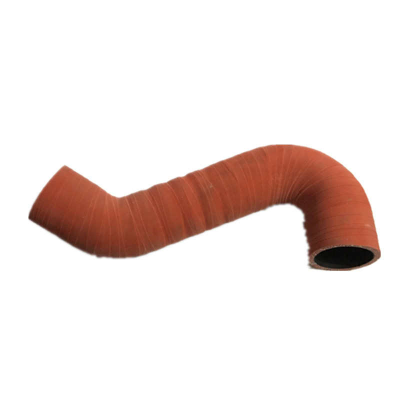


$0.80 - $1.00
MOQ: 100 Pieces


Comprehensive Sourcing Guide
Strategic Sourcing Guide for Heat Pump Branch Pipes
Procuring Heat Pump Branch Pipes requires a nuanced understanding of the diverse material properties, thermal ratings, and application-specific constraints inherent in modern HVAC systems. The market for these components is characterized by a wide spectrum of offerings, ranging from high-performance fiberglass insulation sleeves to specialized copper distribution units. Buyers must navigate a complex landscape where "Hybrid Insulation" and "Organic Insulation" materials coexist, each serving distinct thermal and chemical requirements. This guide outlines the critical factors for sourcing these components, ensuring that procurement decisions are grounded in verified technical specifications and compliance standards rather than generalized assumptions.
Material Composition and Thermal Performance
The foundational decision in sourcing Heat Pump Branch Pipes involves selecting the appropriate material based on the operating environment. The available product data indicates a significant divergence in material types, with Fiberglass and Copper being the primary categories observed. Fiberglass products are often associated with high thermal ratings, with specific listings noting a Thermal Rating of 250, which suggests suitability for applications requiring robust thermal resistance. In contrast, copper-based components are frequently linked to Refrigerant Distribution applications, emphasizing conductivity and durability in fluid transport systems.
Thermal stability is a critical metric for branch pipes, particularly in heat pump systems where temperature fluctuations are frequent. The data highlights a Melting Point of 1500 for certain high-performance variants and a Max Continuous Service Temperature of 1400c for others. These figures indicate that specific product lines are engineered for extreme thermal environments, likely serving as insulation sleeves or tubes rather than the primary fluid conduit. Buyers must verify whether the specific branch pipe component they require is the structural pipe itself or the protective insulation sleeve, as the thermal ratings for insulation materials often differ significantly from the operating limits of the metal piping.
Furthermore, the chemical composition of the insulation plays a vital role in long-term performance. The market offers both Hybrid Insulation and Organic Insulation options. Hybrid materials may offer a balance of fire resistance and flexibility, while organic options might prioritize specific chemical resistances. The Resisivity of 1.45 at 20°C and a Density of 7.1 G/Cm 3 are specific attributes observed in certain listings, which buyers should cross-reference against their system's electrical and mechanical load requirements. When evaluating materials, it is essential to confirm that the selected product matches the specific thermal and chemical demands of the heat pump's refrigerant cycle.
Technical Specifications and Dimensional Standards
Precision in dimensions and model specifications is paramount when integrating branch pipes into existing or new HVAC infrastructure. The product data reveals a variety of model identifiers, including BST-HPT, RIB, APM, and DJ22T/DJ33T/RL52SN/RL102SN. These alphanumeric codes often correspond to specific manufacturer standards or custom configurations. For instance, the BST-HPT model is associated with a standard inner diameter (ID) range of 8-140 MM, indicating a versatile sizing capability for various pipe diameters. Other models, such as RIB, may have standards listed as "Upon request," suggesting a high degree of customization potential for unique project requirements.
The physical dimensions of the branch pipes must align with the system's design parameters. The Standard field in the data shows ranges like 1-100 mm and mentions ISO9001, ISO14001 as part of the standard specification, implying that dimensional accuracy is often tied to international quality management systems. Additionally, the Size attribute is frequently listed as OEM, reinforcing the need for buyers to provide exact dimensional drawings or specifications to suppliers. The Surface finish is noted as Bright in some contexts, which may be relevant for aesthetic or corrosion-resistance considerations in exposed installations.
When sourcing, buyers should pay close attention to the Cooling Method, which is listed as Direct Cooling for certain units. This attribute is crucial for ensuring that the branch pipe design supports the intended heat exchange efficiency. The Applicable Product field mentions Commercial Air-Conditioning Modular Units, indicating that these components are often designed for large-scale commercial installations rather than residential use. Verifying that the model number and dimensional standard match the specific modular unit or central air conditioning system is a necessary step to prevent installation failures.
Compliance, Certification, and Regulatory Adherence
Navigating the regulatory landscape is a non-negotiable aspect of B2B procurement for HVAC components. The supply chain for Heat Pump Branch Pipes includes a variety of certifications that validate quality and safety. The observed data lists ISO9001, IATF16949, TUV, ISO, CE, and RoHS as available certifications. These marks indicate adherence to international quality management, automotive industry standards (IATF16949), and environmental safety regulations.
ISO9001 and ISO14001 are frequently cited in the standard specifications, suggesting that many suppliers operate under rigorous quality and environmental management frameworks. The presence of TUV certification is particularly significant for European markets, as it often signifies compliance with strict safety and performance testing protocols. Similarly, CE marking is essential for products entering the European Economic Area, while RoHS compliance ensures that the materials used do not contain restricted hazardous substances.
Buyers must verify that the specific batch or model they are purchasing carries the necessary certifications for their target market. While the data shows these certifications are available, it does not guarantee that every listed product satisfies all of them. The Classification of products as Hybrid Insulation Materials further underscores the need to check if the specific insulation type meets local fire codes and building regulations. Ensuring that the supplier can provide valid, up-to-date certification documents for the specific model is a critical due diligence step before finalizing any procurement contract.
Cost Drivers and Procurement Economics
The economics of sourcing Heat Pump Branch Pipes are influenced by several variables, including material type, customization level, and packaging requirements. The observed Price Range spans from 0.05 to 9500 USD, a vast disparity that reflects the difference between small insulation sleeves and large, custom-engineered copper distribution units. The MOQ (Minimum Order Quantity) ranges from 1 to 20000, indicating that suppliers cater to both prototyping needs and large-scale industrial projects.
Customization is a major cost driver. The data confirms that Customization is Available and that OEM services are offered. Products with Customized standards or specific model requests like RIB (Upon request) may incur higher unit costs and longer lead times compared to off-the-shelf items. The Packing method also affects logistics costs; options range from Carton Box and Carton to Wooden Case and Wooden Pallet. For heavy or high-value items, wooden packaging provides superior protection but adds to the shipping weight and cost.
Buyers should also consider the Warranty terms, which are listed as 12 Months for certain items. A standard warranty period can be a baseline for negotiating service level agreements. Additionally, the availability of Free samples allows buyers to validate quality before committing to large orders, potentially reducing the risk of costly procurement errors. The Selling Units are often listed as Single item, which facilitates flexible purchasing for small projects, though bulk orders may offer better economies of scale.
Supplier Evaluation and Operational Capabilities
Evaluating suppliers requires a focus on their operational capabilities, geographic proximity, and ability to meet specific project timelines. The Prod Origin is consistently listed as China, with Near Port locations specified as Shanghai and Ningbo. These are major shipping hubs, which generally ensures efficient logistics and competitive freight rates for international buyers. However, buyers should verify the specific factory location and capacity to ensure it aligns with their supply chain strategy.
The Condition of the products is listed as New, which is a standard expectation for B2B transactions. However, buyers should confirm the manufacturing process and quality control measures in place. The Feature set for some products includes Cold-resistant, Heat-resistant, Impact-resistant, and Wear-resistant, which are critical for durability in harsh environments. Suppliers who can demonstrate these features through test data or third-party validation are preferable.
When assessing suppliers, buyers should look for those offering OEM and Customization services, as this indicates flexibility and technical competence. The Brand Bstflex is mentioned in the data, but buyers should not limit their search to a single brand. Instead, they should evaluate multiple suppliers based on their ability to meet the Standard requirements, such as 1-100 mm or Customized dimensions. The Applicable Brand field lists Midea, Daikin, Gree, and LG, suggesting that these components are compatible with major HVAC manufacturers. Verifying compatibility with the specific brand of the heat pump system is essential to ensure seamless integration.
Quality Control and Long-Term Procurement Strategy
Implementing a robust quality control (QC) strategy is vital for maintaining the integrity of heat pump systems. The Feature attributes like Cold-resistant and Heat-resistant must be validated through rigorous testing. Buyers should request test reports that confirm the Max Continuous Service Temperature and Melting Point claims. The Resisivity and Density values provided in the data should be used as benchmarks for incoming quality inspections.
Long-term procurement considerations involve building relationships with suppliers who offer Free samples and OEM support. This approach allows for continuous product validation and adaptation to changing project needs. The Warranty of 12 Months provides a baseline for accountability, but buyers should negotiate extended terms for large contracts. Additionally, the Packing standards, such as Standard or Carton, should be agreed upon to prevent damage during transit.
Buyers must also consider the Applicable Product scope. For Commercial Air-Conditioning Modular Units and Daikin/Hitachi Vrv Air Conditioning System applications, the branch pipes must meet specific industry standards. The Suitable for attributes highlight compatibility with Gree/Midea Vrn Air Conditioning System, indicating that these components are versatile but require careful selection to match the specific system architecture. By focusing on these technical and operational details, buyers can ensure a reliable supply chain that supports the long-term performance of their heat pump installations.
FAQs
What certifications are available for Heat Pump Branch Pipes?
Available certifications include ISO9001, IATF16949, TUV, CE, and RoHS. These marks validate adherence to international quality and safety standards, ensuring the products meet regulatory requirements for various global markets.
Which materials are used for Heat Pump Branch Pipes?
Primary materials observed are Fiberglass and Copper. Fiberglass is often used for insulation sleeves with high thermal ratings, while Copper is utilized for refrigerant distribution units in commercial air-conditioning systems.
Can suppliers provide customization for Heat Pump Branch Pipes?
Yes, customization is available for these components. Buyers can request specific models like RIB or APM with dimensions tailored to their needs, often subject to OEM requirements and standard requests.
What is the minimum order quantity for these products?
The minimum order quantity ranges from 1 to 20000 units depending on the supplier and product type. This flexibility allows buyers to source small prototype batches or large industrial volumes.
Where are the suppliers located near the shipping ports?
Suppliers are located in China with near ports in Shanghai and Ningbo. These major shipping hubs facilitate efficient logistics and competitive freight rates for international buyers sourcing these HVAC components.
What is the price range for Heat Pump Branch Pipes?
The observed price range spans from 0.05 to 9500 USD. This wide disparity reflects differences between small insulation sleeves and large, custom-engineered copper distribution units based on material and specifications.