Source Heat Reflective Aluminized Line Sleeving for Cable Protection
Compare 30 listings for Heat Reflective Aluminized Line Sleeving from verified Chinese manufacturers. Buyers can evaluate specifications, certifications, and pricing for insulation protection and cable repair applications.
Key considerations
Products List


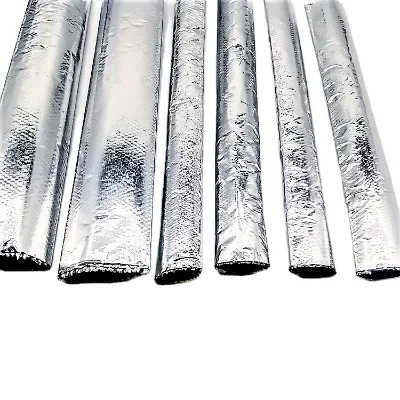
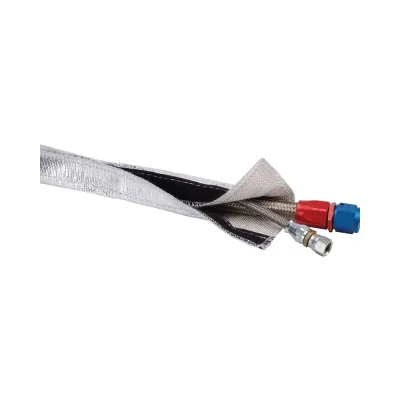
Cable and Line Protective Heat Reflective Aluminized Glass Fiber Sleeve
$0.50 - $9.00
MOQ: 1000 Meters







Comprehensive Sourcing Guide
Heat Reflective Aluminized Line Sleeving Sourcing Guide
Sourcing Heat Reflective Aluminized Line Sleeving requires a disciplined approach to distinguishing between genuine thermal protection components and generic insulation tubes. Buyers must recognize that while the core material is often fiberglass, the specific aluminized coating provides the critical heat-reflective properties necessary for high-temperature environments. This guide focuses on verifying the structural integrity, thermal ratings, and supplier capabilities to ensure that the procured sleeves meet rigorous industrial and automotive standards.
The procurement process involves navigating a diverse market of suppliers, primarily located in China, with key manufacturing hubs in Changzhou and Guangdong. Buyers should expect a wide variance in product specifications, including inner diameters ranging from 8mm to 170mm and operating temperatures that can extend up to 250°C or higher depending on the specific model. Understanding these variations is essential for matching the right sleeve to the specific cable, hose, or wire harness application.
Product Scope and Observed Listing Signals
The observed market for Heat Reflective Aluminized Line Sleeving includes a variety of product types, primarily categorized as insulation sleeves and tubes. Listings frequently highlight products made from fiberglass with hybrid insulation chemistry, combining inorganic and organic properties to enhance durability and thermal resistance. Buyers should note that while many products share the base material of fiberglass, the specific model numbers, such as BST-ALFGS or AFS, indicate distinct manufacturing processes and coating densities that affect performance.
Commercial signals in the market show a broad price range and flexible minimum order quantities, allowing for both small-scale prototyping and large-volume industrial procurement. Products are typically packed in carton boxes with individual rolls protected by plastic bags, ensuring safe transit and storage. The presence of customization options suggests that buyers can request specific lengths, diameters, or branding, which is crucial for OEM applications where space constraints and aesthetic consistency are paramount.
Technical Specifications to Verify
Verifying the thermal rating is the most critical technical step when sourcing these sleeves. While some listings indicate a thermal rating of 250°C, others may support higher temperatures, and buyers must confirm the continuous operating temperature versus the peak short-term tolerance. The maximum voltage rating is also a key specification, with many observed products rated for less than 10KV, which is suitable for most automotive and low-voltage industrial applications but insufficient for high-voltage transmission lines.
Dimensional accuracy and material composition must be strictly verified against the application requirements. Inner diameters are commonly available in ranges such as 8-170mm or 8-140mm, and buyers should request precise measurements for their specific cable bundles. The presence of aluminum fiber glass, as seen in models like W-AFS, indicates a composite structure that offers both heat reflection and mechanical protection. Buyers should also check the single gross weight and package dimensions to calculate accurate freight costs and storage requirements.
Compliance and Safety Documentation
Compliance with international quality and safety standards is non-negotiable for industrial procurement. Many suppliers in the observed market hold ISO9001 certification, indicating a standardized quality management system, while others may possess IATF16949, which is specific to the automotive industry. Buyers should request valid certificates and verify their authenticity, as these certifications ensure that the manufacturing process consistently meets defined quality criteria.
Environmental regulations also play a significant role in the selection of insulation materials. Products certified under ROHS and REACH standards are preferred for applications where environmental impact and chemical safety are concerns. Buyers should ensure that the aluminized coating and the underlying fiberglass do not contain restricted substances, particularly if the end product is destined for markets with strict environmental laws. The absence of such certifications may pose regulatory risks and limit the product's usability in certain sectors.
Cost Drivers and Commercial Terms
The cost of Heat Reflective Aluminized Line Sleeving is influenced by several factors, including the complexity of the aluminized coating, the quality of the fiberglass base, and the volume of the order. Minimum order quantities can range from as low as 1 unit to 5000 units, allowing buyers to negotiate terms that align with their inventory management strategies. Buyers should be aware that lower MOQs may come with higher per-unit prices, while bulk orders often benefit from economies of scale.
Shipping and logistics are significant components of the total landed cost, especially when sourcing from distant manufacturing hubs like Shanghai or Ningbo. Buyers should clarify whether the quoted price includes packaging materials that meet international shipping standards, such as carton boxes with internal plastic bag protection. Additionally, the lead time for customized orders, such as specific lengths or branding, may be longer than for standard stock items, so planning for production and transit delays is essential.
Supplier Qualification and Quality Control
Supplier qualification involves more than just checking certifications; it requires an assessment of their manufacturing capabilities and quality control processes. Buyers should inquire about the supplier's ability to provide samples for testing, as this is the only way to verify the actual thermal performance and mechanical strength of the sleeves. Suppliers with a history of serving the automotive or industrial sectors are often more reliable, as they are accustomed to stricter quality demands.
Quality control checks should include visual inspection for uniformity of the aluminized coating and dimensional accuracy of the inner diameter. Buyers should also verify the supplier's ability to provide batch-specific test reports, particularly for thermal stability and flame resistance. Establishing a clear communication channel for addressing defects or non-conformities is crucial, as it ensures that any issues are resolved promptly without disrupting the supply chain.
Long-Term Procurement Checks
Long-term procurement success depends on the supplier's ability to maintain consistent quality and availability over time. Buyers should monitor the supplier's performance metrics, such as on-time delivery rates and defect percentages, to identify potential issues early. Regular audits or periodic sample testing can help ensure that the product specifications remain unchanged, even if the supplier makes internal process adjustments.
Building a strong relationship with the supplier can also provide access to new product developments and improved materials. As technology evolves, suppliers may introduce enhanced coatings or more durable fiberglass blends that offer better performance. Buyers should stay informed about these advancements and evaluate whether upgrading to newer products would provide long-term value, such as reduced maintenance costs or improved safety margins in their applications.
FAQs
What materials are used for Heat Reflective Aluminized Line Sleeving?
The sleeving is constructed from fiberglass and aluminum fiber glass materials. This hybrid insulation combination provides inorganic protection while maintaining thermal stability for cable applications.
Can I customize the specifications for this insulation sleeve?
Yes, customization is available for the product dimensions and specifications. Buyers can request specific inner diameters ranging from 8 to 170 mm or other customizable lengths to fit unique requirements.
Which certifications do these insulation tubes typically hold?
Products often carry ISO9001, IATF16949, ROHS, and REACH certifications. These standards ensure quality management and compliance with environmental regulations for industrial and automotive applications.
How is the product packaged for shipping and delivery?
Each roll is individually packed in a plastic bag and placed inside a carton box. This packaging method protects the insulation sleeve during transit and ensures it arrives in good condition.
What is the operating temperature range for this sleeving?
The sleeving operates effectively within a temperature range of -50 to 200 degrees Celsius. This wide range allows for reliable heat reflection and protection in various industrial environments.
Where are these insulation materials manufactured and shipped from?
Products originate from China, specifically from locations like Changzhou and Guangdong. Shipping is typically arranged from major ports such as Shanghai and Ningbo for efficient global distribution.