Source Heat Resistant Amber Glass Jar for Storage and Packaging
Compare 30 Heat Resistant Amber Glass Jar options from verified Chinese manufacturers. Buyers can evaluate capacities ranging from 100ml to 1500ml, closure types, and customization services for food, cosmetic, and storage applications; compare the available evidence and request quotations based on your requirements.
Key considerations
Products List
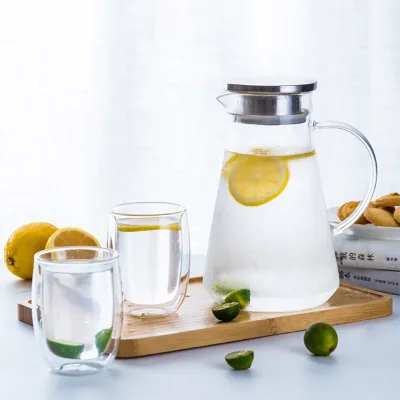

Heat Resistant Amber Green Clear 4oz Vessel Container Empty Glass Candle Jar
$0.22 - $0.25
MOQ: 50000 Pieces


Wholesale Air Tight Clear Frosted Amber Glass Storage Jars with Bamboo Lid
$0.15 - $0.25
MOQ: 5000 Pieces


Competitive Price 2oz 5oz Amber Brown Stock Glass Jar with Child Resistant Lid
$0.17 - $0.20
MOQ: 5000 Pieces


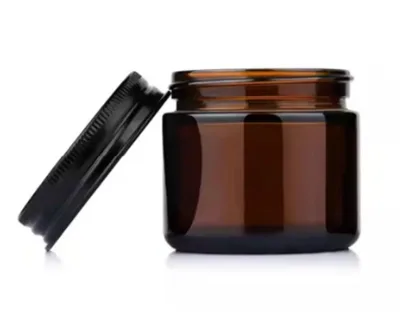


Hot Sale Transparent High Temperature Resistance Glass Jar for Food Storage
$2.20 - $2.69
MOQ: 500 Pieces


Comprehensive Sourcing Guide
Heat Resistant Amber Glass Jar Sourcing Guide
Procuring heat-resistant amber glass jars requires distinguishing between general storage containers and those engineered for thermal stability. While the supplied data confirms the availability of glass jars with cylinder and round shapes, buyers must explicitly verify thermal shock resistance ratings, as standard amber glass may not withstand rapid temperature changes without cracking. The observed listings indicate a wide range of capacities, from 100ml to 1500ml, but the specific thermal properties of the amber variant must be confirmed against the intended application, such as hot-fill processes or sterilization cycles.
Buyers should prioritize suppliers who demonstrate a clear understanding of the distinction between cosmetic storage and industrial heat-resistant applications. The provided facts mention usage for food, spices, and powders, yet do not explicitly guarantee heat resistance for all listed models. Consequently, procurement teams must request specific technical data sheets that detail the annealing process and glass composition, ensuring the amber tint does not compromise the structural integrity required for high-temperature environments.
Product Scope and Observed Listing Signals
The market for amber glass jars presents a diverse array of specifications, including various standard sizes like 4oz, 8oz, and up to 16oz, alongside custom volume options. Observed listings highlight a focus on food-grade applications, with specific mentions of usage for storage, dry flowers, and spices. However, the presence of "heat resistant" as a core keyword necessitates a careful review of product descriptions, as many listed items are designed primarily for ambient storage or cosmetic packaging rather than thermal processing.
Buyers must scrutinize the "Feature" attributes listed in supplier catalogs, which often include child-resistant closures and leak-proof designs, but rarely explicitly state thermal performance metrics. The observed data includes models with screw lids and single-wall constructions, which may limit their suitability for high-heat applications compared to double-walled or borosilicate alternatives. It is essential to cross-reference the "Usage" tags, such as "Food" or "Scrub," with the specific thermal demands of the product to avoid selecting a jar that might fail under heat stress.
Technical Specifications to Verify
When evaluating technical specifications, the primary focus must be on the glass composition and the annealing process that determines thermal shock resistance. While the supplied facts confirm the material is glass and the shape is typically cylinder or round, the specific type of glass, such as soda-lime versus borosilicate, is not explicitly defined in the general listings. Buyers should demand proof of the glass formulation, as standard amber glass used for food storage may not possess the necessary thermal expansion coefficients to handle hot fills or sterilization without fracturing.
Dimensional consistency and closure compatibility are equally critical for maintaining product integrity during thermal cycles. The observed data lists various lid types, including screw lids, and mentions customization options for cap colors and logo printing. However, the thermal expansion rates of the glass and the plastic or metal closure must be matched to prevent seal failure when the jar is heated. Procurement teams should verify that the "Surface Treatment" options, such as frosted or color coating, do not introduce weak points that could lead to breakage under thermal stress.
Compliance and Safety Documentation
Ensuring compliance with food safety standards is a non-negotiable step when sourcing glass jars intended for food applications. The provided facts indicate that some suppliers hold ISO certifications, which is a positive indicator of a managed quality system, but this does not automatically guarantee compliance with specific food contact regulations like FDA or EU standards. Buyers must request explicit documentation confirming that the amber glass and any applied coatings are safe for direct food contact, especially if the jars will be subjected to heat during processing or storage.
Safety documentation must also address the integrity of the closure system, particularly if the jars are used for child-resistant packaging or leak-proof storage. The observed listings mention child-resistant features and various closure types, but the safety of these mechanisms under thermal conditions requires independent verification. Procurement teams should ensure that the supplier provides test reports validating that the seal remains intact and the closure does not degrade or release harmful substances when exposed to elevated temperatures.
Cost Drivers and Commercial Terms
The cost of heat-resistant amber glass jars is heavily influenced by the complexity of the glass formulation and the additional processing required to ensure thermal stability. While the observed price range spans from $0.05 to $3.04, this variance likely reflects differences in volume, customization, and the specific type of glass used. Buyers should anticipate higher costs for jars that are explicitly engineered for heat resistance, as these often require specialized manufacturing techniques and stricter quality control measures compared to standard storage jars.
Commercial terms, including Minimum Order Quantities (MOQ) and payment conditions, vary significantly across the supplier base. The data shows MOQs ranging from 24 to 50,000 pieces, with some suppliers offering free samples while others require contact for exact fees. Payment terms like TT are common, but buyers must negotiate lead times and freight options carefully, as the weight and fragility of glass jars can impact shipping costs. Understanding these variables is crucial for budgeting and ensuring a sustainable supply chain for heat-resistant products.
Supplier Qualification and Quality Control
Supplier qualification should extend beyond basic ISO certification to include a rigorous assessment of their quality control processes for thermal performance. The observed facts mention "Factory Directly Sale" and "Stable Production" as advantages, but these claims do not substitute for evidence of consistent thermal testing. Buyers must verify that the supplier has the capability to perform and document thermal shock tests, ensuring that every batch of amber glass jars meets the required heat resistance specifications before shipment.
Quality control protocols must also cover the inspection of surface treatments and closure integrity, as these elements can be compromised during thermal cycling. The data indicates that surface treatments like bright, matte, or frosted finishes are customizable, but the adhesion and durability of these coatings under heat must be validated. Procurement teams should request a detailed quality assurance plan that outlines how the supplier monitors glass thickness, annealing quality, and closure fit to prevent defects that could lead to product failure in high-temperature environments.
Long-Term Procurement Checks
Establishing a long-term procurement strategy for heat-resistant amber glass jars requires regular audits of supplier performance and product consistency. Buyers should implement a schedule for periodic re-testing of samples to ensure that the thermal resistance and structural integrity remain stable over time, as manufacturing processes can drift without continuous monitoring. The observed data suggests that customization is available, but any changes in glass composition or supplier location must be re-validated to maintain compliance with safety and performance standards.
Continuous communication with suppliers regarding supply chain stability and raw material availability is essential for mitigating risks associated with long-term contracts. The facts mention that freight options include sea and air, but buyers should assess the reliability of these logistics channels to prevent delays that could disrupt production schedules. By maintaining a proactive approach to supplier relationship management and quality verification, buyers can ensure a steady supply of high-performance amber glass jars that meet their specific thermal and safety requirements.
FAQs
Can I customize the logo on these glass jars?
Yes, logo printing is fully customizable using silk screen, hot stamping, decal, or label methods. You can also choose from black, white, green, or custom cap colors. Surface treatments like bright, matte, frosted, or color coating are available to match your brand identity and packaging requirements.
What is the minimum order quantity for these jars?
The standard minimum order quantity is 50,000 pieces for certain models. However, some listings indicate a minimum of 5,000 pieces, and smaller quantities may be available upon direct contact. Buyers should verify the specific MOQ with the supplier based on the selected model and customization needs.
Are these jars suitable for food storage applications?
Yes, these glass jars are explicitly designed for food storage, including spices, powders, gummies, and creams. They feature child-resistant, smell-proof, and leak-proof closures. The material is eco-friendly and meets ISO certification standards, ensuring safety and compliance for various food packaging requirements.
What specifications and sizes are available for these jars?
Available specifications include 4oz, 8oz, 16oz, 32oz, 100ml, 250ml, 500ml, and 730ml. The jars come in cylinder or round shapes with screw lids. Customization is available for volume and style, allowing buyers to select the exact dimensions that fit their product packaging needs.
How are these glass jars packaged for shipping?
The jars are packaged in cartons, often palletized with full height for stability. Some options include pallet or carton packaging to ensure safe transit. This secure packing method protects the glass from damage during sea or air freight, ensuring the products arrive in perfect condition for your business.
Is OEM and ODM service available for these jars?
Yes, OEM and ODM services are accepted. Buyers can request custom designs, logos, and specific surface treatments. The factory offers direct sales with stable production capabilities, allowing for tailored solutions that meet unique branding and functional requirements for various industries including cosmetics, food, and decoration.