Source 83mm Golf Tees for Racing, Entertainment, and Gift
Compare 30 listings for 83mm Golf Tees made from wood or plastic. Buyers can evaluate customization options, packaging, and pricing for racing, entertainment, and gift applications.
Key considerations
Products List


70mm 83mm Golf Bamboo Tees Custom Printing Logo High Quality Bamboo Golf Tees
$0.02 - $0.04
MOQ: 10000 Pieces


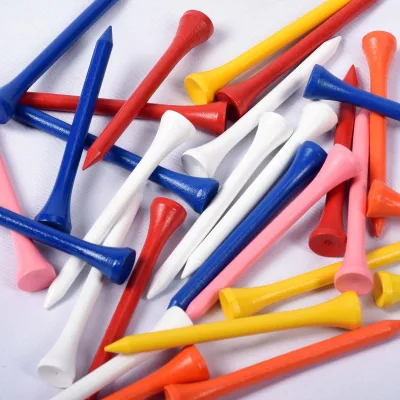
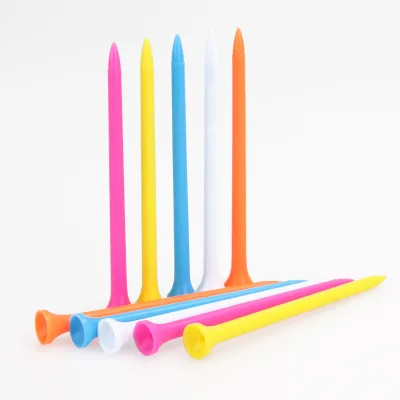
Factory Wholesale High Quality Cheap Colour Plastic 83mm/70mm Golf Tees
$0.02 - $0.03
MOQ: 5000 Pieces


Factory Wholesale Golf Tee Plastic Golf Tees 7-Prong Golf Tee Manufacturer
$0.02 - $0.06
MOQ: 5000 Pieces


Factory Direct Golf Tee Plastic Golf Tees 83mm Durable Stepped Golf Tee
$0.08 - $0.10
MOQ: 5000 Pieces


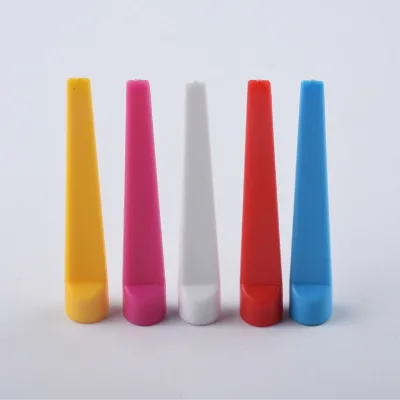
Winter Golf Tees, Rubber Golf Tees with 4 Different Heights 38mm 22mm 17mm 12mm for Frosty Days
$0.55 - $0.67
MOQ: 500 Pieces





Comprehensive Sourcing Guide
Strategic Sourcing Guide for 83mm Golf Tees
Understanding Technical Specifications and Dimensions
When sourcing 83mm Golf Tees, buyers must first establish a precise understanding of the technical parameters that define this specific product category. The 83mm dimension refers to the standard length of the tee, a critical specification that distinguishes it from other common sizes such as 42mm, 54mm, 60mm, 70mm, and 100mm. This specific length is often selected for its ability to elevate the golf ball to an optimal height for drivers, providing a balance between stability and launch angle. In the current market, the 83mm specification is recognized as a standard offering alongside other lengths, indicating that manufacturers routinely produce this dimension to meet diverse player preferences.
The physical construction of these tees varies significantly based on the material selected. The observed product landscape includes options made from bamboo, wood, and plastic. Bamboo and wooden tees are frequently highlighted for their eco-friendly attributes and natural feel, aligning with sustainability trends in the golf industry. Conversely, plastic tees offer durability and consistency, often utilized in high-volume entertainment or promotional contexts. The choice of material directly influences the weight, which can range from approximately 1g for lighter variants to heavier profiles depending on the density of the wood or plastic used. Buyers should verify the exact weight specifications for their specific order, as this affects the swing dynamics and the tee's resistance to breaking upon impact.
Packaging is another essential technical consideration. The supply chain data indicates a variety of packaging solutions, ranging from individual paper packages and boxes to bulk polyethylene (PE) bags and cartons. Some suppliers offer custom packaging options, including blister boxes or clear polybags, which can be tailored to specific branding requirements. The standard packing density, such as 10 pieces per OPP bag or 10,000 pieces per carton, is a vital metric for logistics planning. Understanding these packaging constraints is necessary for calculating shipping volumes and ensuring that the 83mm tees arrive in optimal condition without damage or excessive void space.
Compliance, Certification, and Safety Standards
Navigating the regulatory landscape for golf tees requires a careful examination of compliance and certification claims. While the product category is generally considered low-risk, international buyers must verify that suppliers adhere to relevant safety and quality standards. The market data suggests that some manufacturers claim compliance with standards such as SGS, CE, and ISO. These certifications are critical for ensuring that the materials used, particularly in wooden and bamboo tees, are free from harmful chemicals and that the manufacturing process meets international quality benchmarks.
For buyers targeting the European or North American markets, the presence of CE marking or ISO certification is often a prerequisite for entry. These certifications indicate that the product has undergone rigorous testing for safety and quality. However, it is important to note that not all listed products in the market may carry these specific certifications. Buyers should explicitly request proof of certification from potential suppliers rather than assuming compliance based on general category knowledge. The verification process should include checking the validity of the certificates and ensuring they cover the specific product model and material composition.
Environmental compliance is increasingly becoming a focal point in the golf industry. The "Eco Friendly" feature observed in several product listings highlights a growing demand for sustainable sourcing. Bamboo and wood are naturally biodegradable materials, making them attractive options for buyers aiming to reduce their carbon footprint. When sourcing 83mm tees, buyers should inquire about the sourcing of raw materials, specifically whether the wood or bamboo is harvested from sustainably managed forests. Additionally, the use of non-toxic inks for printing logos and the absence of harmful coatings are key factors in meeting modern environmental standards.
Cost Drivers and Pricing Dynamics
The pricing structure for 83mm Golf Tees is influenced by a complex interplay of factors, including material costs, customization requirements, and order volume. The observed price range in the market spans from 0 to 1.3 USD, reflecting the wide variance in product quality and specification. Lower-priced items typically correspond to basic plastic or standard wooden tees with minimal customization, while higher-priced options often involve premium materials like high-grade bamboo, complex branding, or specialized packaging.
Material selection is a primary driver of cost. Wooden and bamboo tees generally command a higher price point than plastic alternatives due to the processing required to shape and finish the natural materials. Furthermore, the cost of customization plays a significant role. Suppliers offering silk screen printing, custom colors (including PMS colors), and bespoke packaging solutions will incur additional charges. The complexity of the logo application and the number of colors used can substantially impact the unit price.
Order volume is another critical determinant of cost. The market data reveals a wide range of Minimum Order Quantities (MOQs), spanning from 10 units to 50,000 units. Buyers placing larger orders, such as those in the 20,000 to 50,000 unit range, typically benefit from economies of scale, resulting in lower per-unit costs. Conversely, smaller orders may carry a premium due to the fixed costs associated with setup and production runs. Buyers should carefully evaluate their inventory needs against the MOQ requirements to optimize their procurement budget. It is also important to consider the sample fees and lead times, as these can add to the overall cost of the sourcing process.
Typical Applications and Market Segments
The 83mm golf tee serves a diverse range of applications, catering to various market segments from professional sports to promotional gifts. The primary use case is for golf sports, where the 83mm length provides the necessary elevation for drivers and fairway woods. This specification is particularly popular among amateur and professional golfers who require a consistent ball height for optimal swing mechanics. The "Match" level designation found in product listings suggests that these tees are suitable for competitive play, where consistency and durability are paramount.
Beyond professional and recreational golf, the 83mm tee is widely utilized in the entertainment and gift sectors. The product attributes indicate a strong presence in the gift market, where tees are often customized with logos and branding for corporate events, tournaments, and promotional campaigns. The ability to customize the color and apply silk screen logos makes these tees an attractive option for companies looking to create memorable and functional giveaways. The "Unisex" and "Men" designations highlight the broad appeal of the product across different demographics.
The versatility of the 83mm tee extends to its use in entertainment venues and golf-related events. The durable nature of the product, particularly when made from plastic or high-quality wood, ensures it can withstand repeated use in various settings. Whether used as a functional piece of equipment on the course or as a branded souvenir, the 83mm tee offers a versatile solution for buyers looking to engage with golf enthusiasts. The "Gift" and "Entertainment" usage tags underscore the product's potential as a dual-purpose item, serving both practical and marketing objectives.
Supplier Evaluation and Selection Criteria
Selecting the right supplier for 83mm Golf Tees requires a rigorous evaluation process that goes beyond simple price comparisons. Buyers should prioritize suppliers who demonstrate transparency in their manufacturing capabilities and quality control measures. The origin of the products, often cited as Fujian, China, is a significant factor, as this region is known for its expertise in golf accessory manufacturing. However, buyers must verify the specific factory capabilities and ensure that the supplier has a proven track record of delivering high-quality products.
Key evaluation criteria include the supplier's ability to meet customization requirements, their sample lead times, and their responsiveness to quality inquiries. The observed sample times of 3-7 days or 5-7 working days indicate that suppliers are generally capable of providing quick turnaround for prototypes. Buyers should assess whether the supplier offers free samples, as this can be a valuable tool for evaluating product quality before committing to a large order. Additionally, the supplier's willingness to provide detailed information about their production process and quality assurance protocols is a strong indicator of reliability.
The supplier's capacity to handle large volumes is another critical consideration. With MOQs ranging up to 50,000 units, buyers must ensure that the supplier has the production capacity to meet their demand without compromising quality. It is also essential to evaluate the supplier's logistics capabilities, including their ability to handle packaging and shipping requirements. A supplier who offers flexible packaging options, such as bulk, clear, or printed polybags, can provide greater value by allowing buyers to tailor the presentation of the product to their specific needs.
Quality Control and Long-Term Procurement Considerations
Implementing a robust quality control (QC) strategy is essential for ensuring the consistency and reliability of 83mm Golf Tees. Buyers should establish clear QC protocols that cover material inspection, dimensional accuracy, and finish quality. Given the variability in natural materials like wood and bamboo, regular sampling and testing are necessary to ensure that the tees meet the specified length of 83mm and possess the required durability. The "Durable" feature highlighted in product listings suggests that buyers should prioritize suppliers who can demonstrate the longevity of their products through testing or customer feedback.
Long-term procurement considerations involve building a sustainable relationship with suppliers who can consistently deliver high-quality products. Buyers should focus on suppliers who offer continuous improvement in their manufacturing processes and are responsive to feedback. The ability to adapt to changing market demands, such as new customization trends or sustainability requirements, is a key indicator of a supplier's long-term viability. Additionally, buyers should consider the total cost of ownership, including shipping, handling, and potential returns, when evaluating suppliers.
Establishing clear communication channels and regular quality audits can help mitigate risks associated with long-term procurement. Buyers should maintain open dialogue with suppliers regarding any issues that arise and work collaboratively to resolve them. By prioritizing quality and reliability, buyers can ensure a steady supply of 83mm Golf Tees that meet their specific needs and maintain the high standards expected in the golf industry. The focus on eco-friendly materials and sustainable practices should also be integrated into long-term strategies to align with evolving consumer preferences and regulatory requirements.
FAQs
What materials are available for 83mm Golf Tees?
Available materials include bamboo, wood, and plastic. Bamboo and wooden options are often highlighted for eco-friendly attributes, while plastic variants offer durability for high-volume entertainment or promotional contexts.
Can I customize the color and logo on these tees?
Yes, customization is available for both color and logo application. Buyers can request specific PMS colors and utilize silk screen printing for branding, with packaging options ranging from bulk to custom blister boxes.
What is the typical minimum order quantity for these tees?
Minimum order quantities vary significantly, ranging from 10 units up to 50,000 units depending on the supplier and product model. Larger orders typically benefit from economies of scale, while smaller runs may carry a premium.
Which certifications should I verify for safety and quality?
Some manufacturers claim compliance with SGS, CE, and ISO standards. Buyers should explicitly request proof of these certifications to ensure materials are free from harmful chemicals and meet international quality benchmarks for their target market.
How long does it take to receive samples?
Sample lead times typically range from 3 to 7 working days. Many suppliers offer free samples to allow buyers to evaluate product quality and specifications before committing to a large production order.
Where are these golf tees primarily manufactured?
The products are primarily sourced from Fujian, China. This region is known for its expertise in golf accessory manufacturing, offering a wide range of customization and packaging solutions for international buyers.
What packaging options are available for bulk orders?
Packaging options include paper packages, boxes, PE bags, and cartons. Suppliers often provide bulk packing densities like 10 pieces per OPP bag or 10,000 pieces per carton, with custom branding available upon request.