Source Heat Resistant Bamboo Cocktail Picks for Bars, Parties, and Catering
Find and compare 30 listings for Heat Resistant Bamboo Cocktail Picks suitable for bars, parties, and catering. These durable skewers are available in various sizes and packaging options from Chinese manufacturers.
Key considerations
Products List
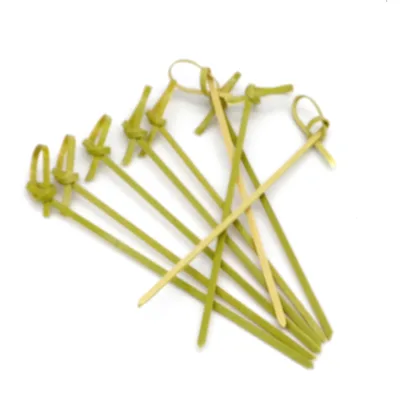
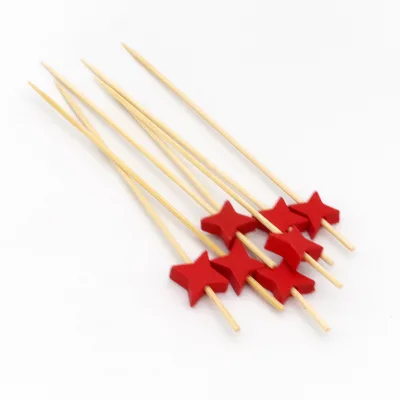


Disposable Bamboo Fruit Sticks Cocktail Picks with Colorful Decoration
$0.01 - $0.01
MOQ: 50000 Pieces


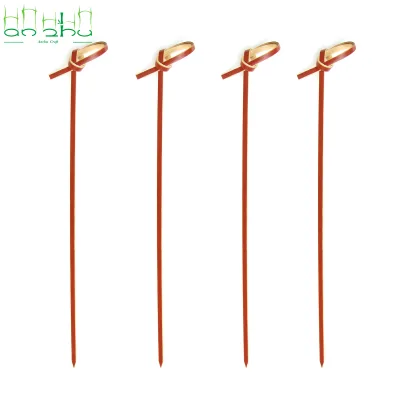
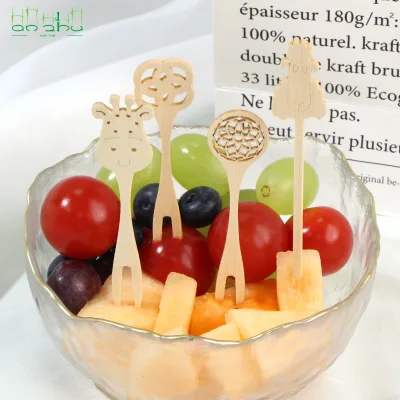



Leaf Bamboo Stick Picks Disposable Multiple Design Cocktail Picks for Beverage Drinking Party
$0.01 - $0.03
MOQ: 10000 pieces
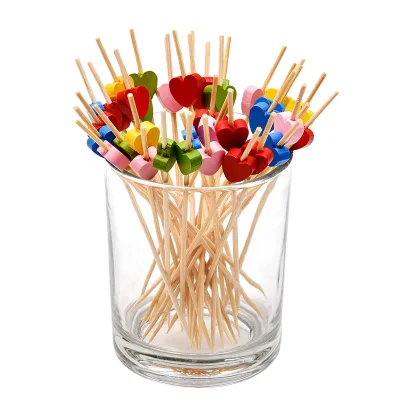
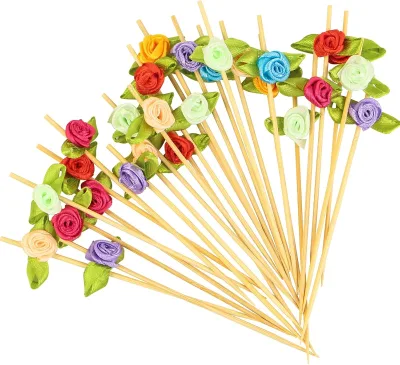
Hot Sale Handmade Bamboo Cocktail Picks Fancy Colorful Rose Picks Fruit Cocktail Pick for Wedding
$0.01 - $0.03
MOQ: 10000 pieces
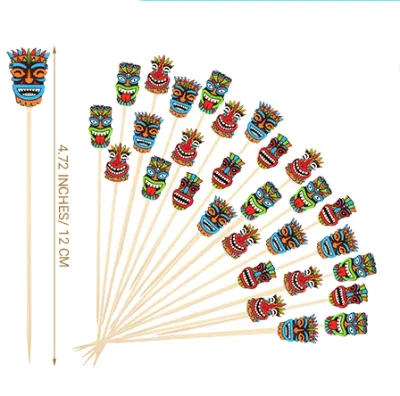
Wholesale Garnish Tropical Drinking Picks Tiki Summer Cocktail Picks for Catering Party
$0.01 - $0.03
MOQ: 10000 pieces


Comprehensive Sourcing Guide
Heat Resistant Bamboo Cocktail Picks Sourcing Guide
Sourcing heat-resistant bamboo cocktail picks requires a nuanced understanding of material properties, as natural bamboo is inherently combustible and lacks the thermal stability of metal or high-grade plastic alternatives. Buyers must recognize that "heat resistant" in the context of bamboo skewers typically refers to a treatment process or a specific structural density that delays ignition rather than providing true fireproofing. This distinction is critical for procurement teams managing events involving open flames, such as fondue stations, grilled appetizers, or decorative centerpieces with candles. The primary value proposition of bamboo in this category lies in its biodegradability and aesthetic appeal, which aligns with eco-friendly branding, rather than its ability to withstand high temperatures indefinitely. Procurement specialists should therefore frame their requirements around controlled usage scenarios and verify that any heat-resistance claims are supported by specific treatment data or material composition facts rather than marketing generalizations.
The market for these products is characterized by a wide variance in manufacturing origins, primarily concentrated in China, with significant production hubs in provinces like Anhui and Hunan. Suppliers often offer customizable options, including length, diameter, and packaging, which allows buyers to tailor the product to specific operational needs, such as single-use catering versus bulk retail. However, the term "heat resistant" should not be conflated with durability under direct flame; instead, buyers should focus on verifying the material's natural density and any applied coatings that might affect burn rates. It is essential to establish clear usage guidelines with end-users to prevent safety incidents, ensuring that the bamboo picks are used for their intended purpose of holding food items rather than serving as structural supports for open fire. This approach mitigates risk while leveraging the sustainable advantages of bamboo as a packaging and serving material.
Product Scope and Observed Listing Signals
Current market listings reveal a diverse range of bamboo cocktail picks, with observed product names including "Bar picks knotted cocktail skewer," "Wholesale fruit picks," and "Double Bead String" styles. The physical specifications vary significantly, with lengths ranging from 6cm to 18cm and diameters generally under 5cm, allowing for flexibility in serving different types of food, from small appetizers to larger fruit platters. Buyers will encounter products with single package sizes ranging from 30x25x23 cm to 60x35x33 cm, indicating that bulk purchasing decisions must account for substantial storage and logistics volume. The presence of features such as "knotted" ends or "double bead" designs suggests a focus on aesthetic differentiation and functional grip, which can be a key selling point for premium hospitality clients who prioritize presentation alongside utility.
Observed listing signals also highlight a strong emphasis on eco-friendly attributes, with many products marketed as biodegradable, disposable, and made from natural bamboo or wood-bamboo composites. Colors observed in listings include natural, light green, and red, with some suppliers offering customized logo printing to enhance brand visibility for corporate events or retail packaging. The material composition is consistently identified as bamboo, with some variations including wood-bamboo blends, which may impact the final product's texture and burn characteristics. Buyers should note that while "heat resistant" is a desired attribute, the actual performance of these items under heat is not explicitly quantified in standard listings, necessitating direct verification with suppliers regarding any specific treatments or manufacturing processes that might enhance thermal stability.
Technical Specifications to Verify
When evaluating technical specifications, buyers must prioritize the verification of material density and surface treatment, as these factors directly influence the product's behavior under heat. The standard dimensions observed, such as 8cm, 10cm, and 11cm lengths, or specific models like HR-KSG15 and HR-FP02, provide a baseline for comparison, but the critical technical differentiator is the bamboo's natural resistance to charring. Buyers should request detailed information on the harvesting age of the bamboo, as older bamboo typically has higher silica content and greater density, which can slightly improve heat resistance compared to younger, softer varieties. Additionally, the diameter of the pick, often less than 5cm, plays a role in structural integrity; thicker picks may withstand the weight of heavier food items better but may also ignite more slowly due to increased mass.
Packaging and handling specifications are equally important for maintaining product quality until point of use. Listings indicate packing methods such as OPP bags with 100 pieces per bag, or carton boxes with 100 bags per carton, which helps protect the picks from moisture and physical damage during transit. Moisture content is a critical technical parameter, as overly dry bamboo is more prone to splintering and rapid ignition, while damp bamboo may not function effectively in dry serving environments. Buyers should verify that the supplier maintains strict quality control over moisture levels and ensures that the picks are stored in appropriate conditions to prevent warping or degradation. The single gross weight of products, ranging from 1.5 kg to 4.5 kg per carton, also provides insight into the density and quality of the bamboo used, with heavier cartons potentially indicating higher density and better structural integrity.
Compliance and Safety Documentation
Compliance and safety documentation are paramount when sourcing bamboo products intended for food contact and potential heat exposure. Buyers should insist on verification of food-grade certifications, such as LFGB or CO, which confirm that the bamboo has been processed without harmful chemicals or residues that could leach into food. While FSC and BSCI certifications are mentioned in background contexts, buyers must actively request current, valid certificates from suppliers to ensure sustainable sourcing and ethical labor practices, which are increasingly important for brand reputation and regulatory compliance in international markets. The absence of these certifications does not necessarily indicate non-compliance, but their presence provides a higher level of assurance regarding the product's origin and manufacturing standards.
Safety documentation should also include information on any treatments applied to the bamboo, such as preservatives or fire-retardant coatings, if claimed. Buyers must ensure that any such treatments are explicitly stated and compliant with local food safety regulations, as unknown chemical additives can pose health risks. It is crucial to verify that the product is labeled correctly as "biodegradable" and "eco-friendly" only if it meets recognized standards for compostability, avoiding greenwashing claims that could lead to regulatory scrutiny. Additionally, buyers should request test reports or material safety data sheets (MSDS) if the supplier claims specific heat-resistant properties, ensuring that these claims are backed by empirical data rather than anecdotal evidence. This diligence helps mitigate liability and ensures that the product meets the safety expectations of end-users and regulatory bodies.
Cost Drivers and Commercial Terms
Cost drivers for bamboo cocktail picks are influenced by material quality, customization requirements, and order volume. The observed MOQ ranges from 1 to 1,000,000 units, with specific listings indicating MOQs of 5 cartons or 200 bags, suggesting flexibility for both small-scale buyers and large distributors. Customization options, such as logo printing or specific packaging designs, typically incur additional costs due to setup fees and reduced production efficiency. Buyers should negotiate based on volume tiers, as larger orders often benefit from economies of scale, reducing the per-unit cost significantly. The supply ability of suppliers, such as 10,000 cartons per month, indicates that larger buyers can secure consistent supply without significant lead time delays, provided that orders are placed well in advance.
Commercial terms also include shipping and logistics considerations, with Shanghai being a common port of dispatch for products originating from Anhui and Hunan provinces. Buyers should factor in freight costs, which can vary based on the single package size and gross weight of the cartons. The observed single package sizes and weights suggest that efficient palletization and container loading are essential for minimizing shipping costs. Additionally, payment terms and currency fluctuations should be considered, as bamboo is a natural material subject to seasonal availability and price volatility. Buyers should establish clear agreements on quality acceptance criteria and return policies to protect against defects or non-conforming shipments, ensuring that the total cost of ownership remains predictable and manageable.
Supplier Qualification and Quality Control
Supplier qualification involves a thorough assessment of manufacturing capabilities, quality control processes, and track record. Buyers should verify the supplier's production facilities, focusing on their ability to maintain consistent quality across large batches. The presence of specific model numbers, such as HR-KSG15 and HR-FP02, indicates that suppliers have standardized product lines, which can simplify quality verification and reordering processes. Buyers should request samples to evaluate the physical characteristics of the picks, including smoothness, strength, and uniformity, before committing to large orders. Additionally, assessing the supplier's responsiveness and communication skills is crucial for managing any issues that may arise during production or shipping.
Quality control measures should include regular inspections of raw materials, in-process checks, and final product audits. Buyers should inquire about the supplier's defect rate and their procedures for handling non-conforming products. The use of OPP bags and carton boxes for packaging suggests a focus on protecting the product during transit, but buyers should verify that the packaging materials are also of high quality and suitable for the intended market. Furthermore, suppliers should be able to provide traceability information, allowing buyers to track the origin of the bamboo and ensure compliance with sustainability claims. Establishing a strong relationship with a qualified supplier can lead to better pricing, priority production, and improved support, ultimately enhancing the buyer's procurement efficiency and product quality.
Long-Term Procurement Checks
Long-term procurement checks involve continuous monitoring of supplier performance, market trends, and regulatory changes. Buyers should establish key performance indicators (KPIs) to evaluate suppliers on metrics such as on-time delivery, product quality, and responsiveness to issues. Regular audits and site visits can help ensure that suppliers maintain their quality standards and comply with ethical and environmental regulations. Additionally, buyers should stay informed about changes in food safety regulations and sustainability standards in their target markets, as these can impact the acceptability of bamboo products. Diversifying the supplier base can also mitigate risks associated with supply chain disruptions, ensuring a steady supply of high-quality bamboo cocktail picks.
Sustainability is a critical long-term consideration, as consumers and regulators increasingly demand eco-friendly products. Buyers should prioritize suppliers who demonstrate a commitment to sustainable sourcing and production practices, such as using FSC-certified bamboo or implementing waste reduction initiatives. Regularly reviewing the product's environmental impact and seeking feedback from end-users can help identify areas for improvement and innovation. By maintaining a proactive approach to supplier management and market analysis, buyers can ensure that their procurement of bamboo cocktail picks remains competitive, compliant, and aligned with evolving consumer preferences and regulatory requirements. This strategic focus on long-term value creation will support the buyer's brand reputation and operational resilience in the marketplace.
FAQs
What materials are used for these cocktail picks?
The product is made from bamboo or a combination of wood and bamboo. This natural material ensures the picks are biodegradable and eco-friendly for serving cakes and fruits.
Can I request a customized logo on the picks?
Yes, customized logos are available for these bamboo cocktail picks. Buyers can specify their branding requirements, and the supplier offers flexible packaging options to accommodate these customizations.
What is the minimum order quantity for these items?
The minimum order quantity varies by listing, ranging from 5 cartons to 200 bags. Buyers should verify the specific MOQ required for their selected product model before placing an order.
Which certifications do these bamboo picks hold?
The products hold CO and LFGB certifications to ensure safety and quality. These standards confirm the items are suitable for food contact and meet specific regulatory requirements for export.
How are the cocktail picks packaged for shipping?
Items are typically packed in OPP bags with 100 pieces per bag and 100 bags per carton. Customized packaging details are also available based on specific buyer requirements and order volume.
Where are these bamboo cocktail picks manufactured?
The products originate from manufacturing locations in Anhui and Hunan, China. Buyers can expect dispatch from major ports like Shanghai for international shipping logistics.