Source Heavy Duty Excavator Track Link for Construction, Earthmoving, Mining
Compare 30 listings for Heavy Duty Excavator Track Link from Chinese manufacturers. Options include models like EX70 and XE225U with certifications such as CE and ISO9001, available in black or yellow with custom sizes; compare the available evidence and request quotations based on your requirements.
Updated
Key considerations
Products List


Heavy Duty Excavator Track Link Assembly Track Chain for Mining Applications
$1200.00 - $1500.00
MOQ: 1 Pieces


Heavy Duty Excavator Track Link Assy for Excavator Undercarriage Parts
$500.00 - $1000.00
MOQ: 1 Pieces


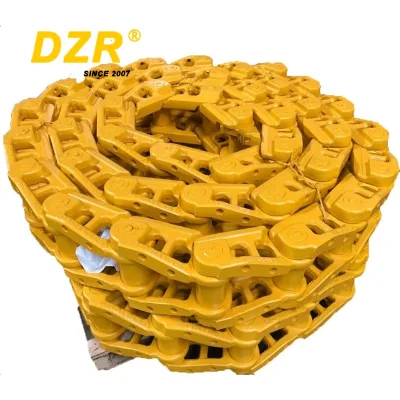
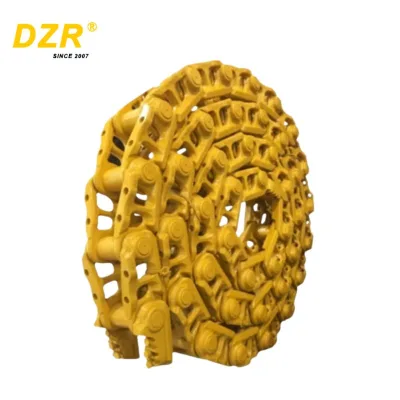
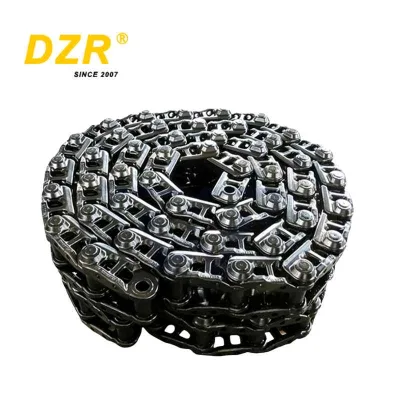
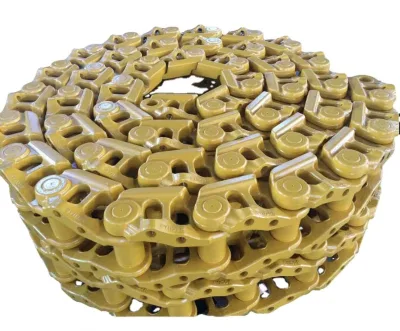

Excavator Undercarriage Parts Rubber Track Link Chain, Excavators Track Links
$280.00 - $960.00
MOQ: 2 Pieces


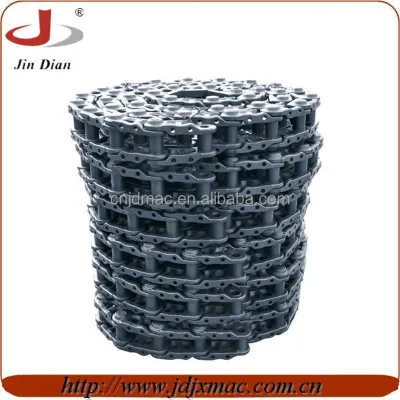
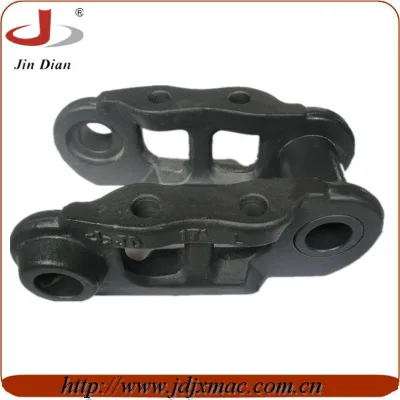
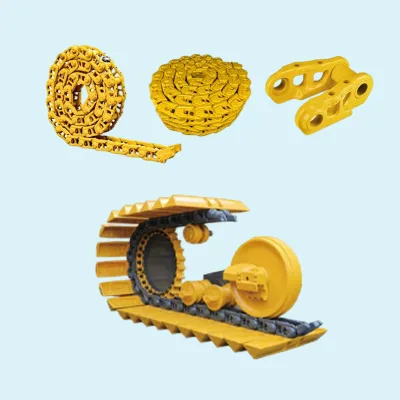
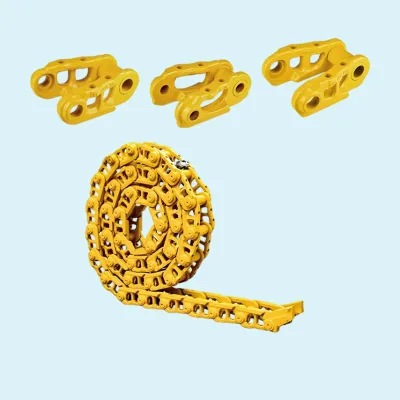
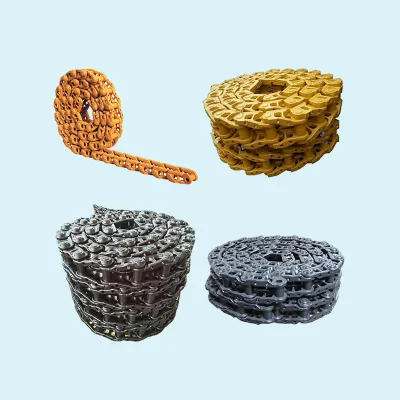
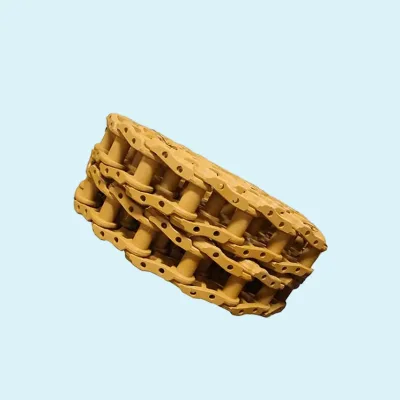
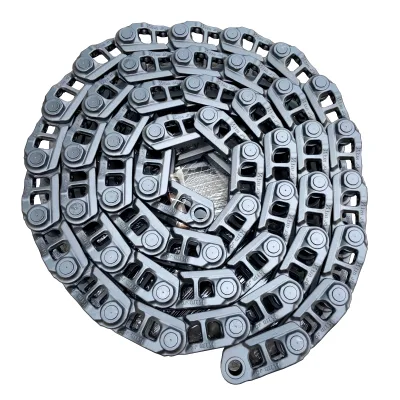
High Performance TTrack Link Excavator Track Chain Track Link Cat330 Original
$308.873 - $514.7884
MOQ: 5 pieces
Comprehensive Sourcing Guide
Heavy Duty Excavator Track Link Sourcing Guide
Procuring heavy duty excavator track links requires a disciplined approach to aligning component specifications with original equipment manufacturer (OEM) requirements. These critical undercarriage parts transmit traction and support the machine’s weight, making their structural integrity paramount for operational safety. Buyers must prioritize components that match the specific excavator model, such as the EX70, EX200-5, or XE225U, to ensure proper fitment and load distribution. The sourcing process begins with verifying the exact model compatibility, as track links are not universally interchangeable across different machine classes or brands.
Beyond basic compatibility, buyers should evaluate the manufacturing process and material composition to ensure durability under harsh operating conditions. Common materials observed in the market include 35mnb and 40mn2 steel, which offer the necessary tensile strength for heavy-duty applications. The production methods, typically involving forging or casting, significantly influence the grain structure and fatigue resistance of the link. Understanding these technical nuances allows procurement teams to distinguish between standard replacement parts and high-performance components designed for extended service life in mining or construction environments.
Product Scope and Observed Listing Signals
The current market for excavator track links displays a wide variance in pricing, ranging from approximately $3 to $12,000 USD, reflecting differences in size, material grade, and manufacturing complexity. Minimum order quantities (MOQ) also vary significantly, with some suppliers offering single-piece purchases for urgent repairs, while others require bulk orders of up to 2,000 units for cost efficiency. This disparity highlights the importance of defining your volume requirements early in the sourcing process to negotiate favorable terms and secure consistent supply chains for fleet maintenance.
Product listings frequently highlight customization options, including color choices like black, yellow, or custom finishes, which may assist in fleet identification or corrosion resistance. Packaging standards are generally robust, utilizing strong fumigated wooden pallets or standard export wood packages to prevent damage during international shipping. Buyers should verify that the packaging meets the specific logistical needs of their destination, ensuring that the heavy metal components arrive without deformation or surface damage that could compromise installation.
Technical Specifications to Verify
When evaluating track links, the material composition is a primary technical indicator of quality. Suppliers often specify the use of 35mnb or 40mn2 steel, materials chosen for their high strength and wear resistance. It is essential to confirm that the steel grade matches the OEM specifications for your specific excavator model, as deviations can lead to premature failure under heavy loads. Additionally, the hardness depth, which may range from 8 to 12mm, and the HRC hardness level, typically between 55 and 60, are critical metrics that determine the link’s ability to withstand abrasion and impact stress.
The manufacturing process, whether forging or casting, directly impacts the internal structure and longevity of the track link. Forged components generally offer superior grain flow and mechanical properties compared to cast alternatives, making them preferable for high-stress applications. Buyers should also verify the surface finish, which is often described as smooth, to ensure proper engagement with the track rollers and idlers. Confirming these technical details helps prevent mismatches that could cause accelerated wear on other undercarriage components.
Compliance and Safety Documentation
Certification plays a vital role in ensuring that purchased track links meet international quality and safety standards. Many suppliers provide CE certification and ISO9001 compliance, indicating adherence to rigorous manufacturing and quality management processes. Buyers should request valid certification documents to verify that the supplier’s quality control systems are actively maintained and not merely claimed. This documentation serves as a baseline assurance that the components have been produced in a controlled environment with consistent quality checks.
Warranty and after-sales support are also key components of the compliance and safety framework. Suppliers often offer a warranty period of 12 months, providing a safety net against manufacturing defects. Additionally, after-sales services such as video technical support can be invaluable for troubleshooting installation issues or diagnosing performance problems. Buyers should ensure that these support mechanisms are clearly defined in the contract, as they provide critical assistance in maintaining operational continuity and minimizing downtime during the warranty period.
Cost Drivers and Commercial Terms
The final cost of track links is influenced by several commercial factors, including payment terms, shipping methods, and delivery timelines. Common payment structures involve a 30% T/T advance with the balance due before shipment, a standard practice that balances risk for both buyer and supplier. Buyers should negotiate these terms carefully to align with their cash flow cycles while ensuring that the supplier has sufficient incentive to prioritize their order. Understanding these financial arrangements helps in budgeting for the total landed cost of the procurement.
Delivery times can vary based on production capacity and order volume, with typical lead times ranging from 7 to 30 days. Some suppliers offer expedited delivery within 7-15 days, while others may require 25-30 days for larger or customized orders. The port of shipment, often Xiamen or other major Chinese ports, also impacts logistics planning and transit time. Buyers should factor in these lead times when planning maintenance schedules to avoid unexpected machine downtime due to delayed part arrivals.
Supplier Qualification and Quality Control
Verifying the supplier’s origin and factory location is a crucial step in the qualification process. Many track link manufacturers are located in industrial hubs such as Fujian, Shandong, or Quanzhou, regions known for heavy machinery component production. Buyers should confirm the factory city and conduct due diligence to ensure the supplier has a proven track record in manufacturing undercarriage parts. This verification helps mitigate the risk of dealing with trading companies that may lack direct control over quality and production timelines.
Quality control measures should be explicitly defined in the procurement agreement. Buyers should request evidence of quality inspections, such as material test reports or hardness testing results, to verify that the components meet the specified standards. Additionally, confirming the supplier’s ability to handle OEM/ODM requests ensures that they can produce custom specifications if required. Establishing a clear quality assurance protocol helps maintain consistency across multiple orders and ensures that every batch of track links meets the required performance criteria.
Long-Term Procurement Checks
Establishing a long-term relationship with a reliable supplier requires ongoing monitoring of performance and consistency. Buyers should track key performance indicators such as delivery accuracy, defect rates, and responsiveness to technical queries. Regular audits or periodic quality checks can help identify any deviations in manufacturing standards before they impact operations. This proactive approach ensures that the supply chain remains robust and that the components continue to meet the evolving needs of the excavator fleet.
Continuous communication with the supplier is essential for adapting to changes in machine models or operational requirements. As excavator technology advances, track link specifications may evolve, requiring updates to procurement specifications. Buyers should maintain an open dialogue with suppliers to stay informed about new product developments or material improvements. This collaborative approach fosters a partnership that can provide strategic advantages in cost management, inventory optimization, and operational efficiency over the long term.
FAQs
What materials are used for heavy duty excavator track links?
Heavy duty excavator track links are typically manufactured from high-strength alloy steels such as 35mnb and 40mn2. These materials provide the necessary durability and resistance to wear for demanding applications. The specific material choice ensures the components can withstand the high stresses encountered during earthmoving and mining operations without premature failure.
Which excavator models are compatible with these track links?
These track links are compatible with various excavator models including EX70, EX200-5, PC200, and XE225U. Customization is available to fit specific machine requirements. Buyers should verify the exact model number and specifications to ensure proper fitment, as the product line supports multiple standard and customized configurations for different heavy machinery brands.
Can I customize the color and packaging of the track links?
Yes, customization is available for both color and packaging. The track links can be finished in black, yellow, or custom colors to match your fleet. Packaging options include strong fumigate wooden pallets, paperboard boxes, or standard exported wooden packages. This flexibility allows buyers to maintain brand consistency and ensure safe transit during shipping.
What is the typical lead time for delivery?
The typical delivery time ranges from 7 to 15 days after the contract is established. Some orders may require 25 to 30 days depending on production schedules. Buyers should confirm the exact timeline with the supplier, as lead times can vary based on order volume and specific customization requirements for the heavy duty excavator track links.
What certifications do the manufacturers hold?
Manufacturers typically hold CE and ISO9001 certifications, ensuring compliance with international quality and safety standards. The products are supplied in new condition and undergo rigorous quality control processes. These certifications indicate that the production facilities adhere to established management systems, providing buyers with confidence in the reliability and consistency of the heavy duty excavator track links.
What is the minimum order quantity for these parts?
The minimum order quantity varies, with some styles requiring a minimum of 20 pieces per design. Other options may allow for a minimum order of just one piece. Buyers should check specific product listings for exact MOQ requirements, as the threshold depends on the model, customization level, and current inventory status of the heavy duty excavator track links.