Source Heavy Duty Tube Polishing Machine for Metal, Surface, and Cleaning
Find 24 Heavy Duty Tube Polishing Machine listings from China suppliers. Buyers can compare specifications like working diameter, automation level, and power requirements for metal tube surface cleaning applications.
Key considerations
Products List

$17000.00 - $38000.00
MOQ: 1 Pieces


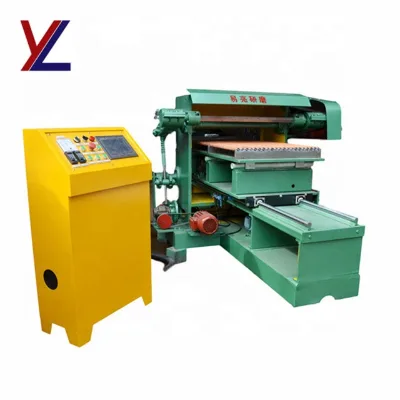
Automated Pipe Polisher Stable Pipe Buffing Machine Heavy-Duty Tube Polisher
$980.00 - $45000.00
MOQ: 1 Sets

Automated Pipe Polisher Durable Pipe Buffing Machine Heavy-Duty Tube Polisher
$980.00 - $45000.00
MOQ: 1 Sets


Industrial Pipe Polisher Pipe Buffing Machine Heavy-Duty Tube Polisher
$980.00 - $45000.00
MOQ: 1 Sets

Industrial Pipe Polisher Stable Pipe Buffing Machine Heavy-Duty Tube Polisher
$980.00 - $45000.00
MOQ: 1 Sets


Time-Saving Aluminium Tube Polishing Machine / Square Pipe Polishing Machine
$2249.00 - $3099.00
MOQ: 1 SET


Stainless Tube Inside Polishing Machine Steel Pipe Polishing Machine for Sale
$949.00 - $3479.00
MOQ: 1 pieces


Comprehensive Sourcing Guide
Strategic Sourcing Guide for Heavy Duty Tube Polishing Equipment
Procuring heavy-duty tube polishing machinery represents a significant capital investment for industrial operations focused on surface finishing, metal fabrication, and precision manufacturing. The market for such equipment is characterized by a wide variance in technical capabilities, ranging from semi-automatic units to fully integrated automated lines. For procurement professionals, navigating this landscape requires a disciplined approach that prioritizes verified technical specifications, regulatory compliance, and total cost of ownership over initial purchase price alone. This guide outlines the critical factors buyers must evaluate when sourcing heavy-duty tube polishing solutions, ensuring alignment with operational demands and quality standards.
Technical Specifications and Operational Capabilities
The core of any heavy-duty tube polishing machine lies in its mechanical design and operational parameters. When evaluating potential units, buyers must scrutinize the working diameter and length capabilities, as these define the physical scope of the machine. Available configurations in the current market support working diameters ranging from 3mm to 200mm, with some specialized models accommodating lengths up to 400mm or offering unlimited extension capabilities depending on the specific line configuration. The maximum wheel diameter is another critical mechanical constraint, typically observed in the range of 250mm to 300mm, which directly influences the torque and surface finish quality achievable on larger tubes.
Drive systems and automation levels are equally vital for determining throughput efficiency. Modern heavy-duty units often feature electric drive systems coupled with fully automatic operation levels. These systems frequently utilize PLC (Programmable Logic Controller) interfaces to manage complex sequences, ensuring consistent performance without constant manual intervention. The feeding speed is a key performance metric, with observed operational ranges spanning from 0 to 12 meters per minute, often adjustable to match the specific material properties and desired finish. Furthermore, the power requirements are not static; they are frequently tailored to specific client needs, with standard configurations available at 4kW, though heavier industrial applications may require custom power ratings. The motor technology employed often includes variation speed motors to allow for precise control over the polishing process, adapting to different tube materials and surface conditions.
Compliance, Certification, and Regulatory Standards
In the global supply chain, verifying that equipment meets international safety and quality standards is non-negotiable. Buyers should demand evidence of specific certifications that validate the machine's compliance with regional regulations. Common certifications observed in the market include CE, ISO, CB, ETL, RoHS, and UR. The presence of the CE mark indicates conformity with health, safety, and environmental protection standards for products sold within the European Economic Area. Similarly, ISO certifications, particularly those related to quality management systems, suggest a supplier's commitment to standardized production processes. RoHS compliance ensures that the equipment does not contain restricted hazardous substances, which is critical for export to markets with strict environmental regulations.
Beyond general certifications, specific industry standards may apply depending on the application. For instance, certain models adhere to standards such as QH6910, which may dictate specific construction or safety protocols. It is essential to verify that the "Customized" or "Standardized" nature of the machine aligns with the buyer's local regulatory requirements. While some suppliers may claim adherence to ISO9001, buyers must request specific documentation rather than relying on general assertions. The origin of the machinery, often cited as China or specific regions like Qingdao and Henan, does not preclude high quality, but it necessitates rigorous verification of the certification documents provided by the manufacturer to ensure they are valid and applicable to the specific model being purchased.
Cost Drivers and Pricing Structures
Understanding the cost structure of heavy-duty tube polishing machines is essential for budgeting and ROI analysis. The observed price range for these units is extensive, spanning from approximately $359 to $80,000. This vast disparity is driven by several factors, including the level of automation, the complexity of the control systems, the materials used in construction, and the degree of customization required. Basic units with manual or semi-automatic features will occupy the lower end of the spectrum, while fully automatic lines with PLC control, custom-made tower materials, and specialized blasting or polishing heads will command premium prices.
Material selection is a primary cost driver. Machines constructed with stainless steel components or custom-made tower materials offer superior durability and corrosion resistance, justifying a higher initial investment compared to standard carbon steel constructions. Additionally, the "Customization" availability allows buyers to tailor the machine to specific production lines, but this inevitably increases the cost. The "Competitive" pricing noted in some listings often refers to the value proposition relative to the features offered, rather than a low absolute price. Buyers should also consider the "Long Life" attribute of the equipment; a higher upfront cost for a machine with a proven service life and robust construction often results in a lower total cost of ownership over a decade of operation.
Typical Applications and Industry Suitability
Heavy-duty tube polishing machines are designed for a diverse array of industrial applications, primarily centered on surface cleaning and finishing. The "Industry Used" classification frequently points to surface cleaning operations, where the removal of scale, rust, or previous coatings is necessary before further processing. The "Blasting Type" and "Cleaning Method" are critical indicators of suitability; for example, "Internal Blasting" and "Shot Blasting" are specific techniques used to treat the interior and exterior surfaces of tubes, respectively. The "Kind" of machine, such as a "Dry Sandblaster," indicates the medium used for the cleaning process, which affects the final surface texture and the type of waste management required.
The "Layout" of the machine, typically horizontal, influences how it integrates into a factory floor. A horizontal layout often facilitates easier loading and unloading of long tubes, making it suitable for continuous production lines. The "Condition" of the equipment, usually listed as "New," ensures that buyers receive a machine with full warranty coverage and no prior wear. The "Installation" process is often described as "Convenient," suggesting that the design includes features to minimize downtime during setup. Whether the application requires treating metal tubes for automotive parts, construction materials, or hydraulic cylinders, the machine's ability to handle the specific "Working diameter" and "Working length" is the primary determinant of its suitability.
Supplier Evaluation and Procurement Considerations
When selecting a supplier, buyers must look beyond the product listing and evaluate the supplier's ability to support long-term operations. The "Customization" capability is a strong indicator of a supplier's flexibility; a supplier that offers "Custom Made" tower materials and "Customized" standards is better equipped to handle unique production requirements than one offering only off-the-shelf solutions. The "Service Life" of the machine is a critical factor, with "Long Life" being a key attribute to verify through customer references and historical data.
Packaging and transportation are often overlooked but vital aspects of the procurement process. Suppliers may use various packaging methods, ranging from "Container" shipping to "Wood Box and Stretching Film" or "Fumigation-Free Wooden Box Packaging." The choice of packaging impacts the safety of the equipment during transit and compliance with international shipping regulations. Buyers should confirm that the "Transportation" method aligns with their logistics capabilities. Furthermore, the "MOQ" (Minimum Order Quantity) for these specialized machines is typically 1, allowing for flexible procurement without the need for bulk ordering. However, the "Lead time" for custom orders can vary significantly, and buyers must clarify this during the negotiation phase to avoid production delays.
Quality Control and Long-Term Maintenance
Ensuring the quality of the incoming equipment requires a robust quality control (QC) protocol. Buyers should verify the "Condition" of the machine upon arrival and conduct functional tests to ensure the "Working speed" and "Rotating speed" (e.g., 2800rpm) match the specifications. The "Voltage" requirements, such as 380V, must be compatible with the buyer's facility's power infrastructure. Regular maintenance is essential to sustain the "Long Life" of the machine. The "Automation Level" and "Control" systems should be user-friendly to facilitate easy troubleshooting and routine checks.
For long-term procurement considerations, the availability of spare parts and technical support is paramount. A machine with "Customized" features may require specific replacement parts that are not readily available off-the-shelf. Buyers should inquire about the supplier's support network and the expected availability of components. The "Standard" adherence, such as QH6910 or specific dimensional standards like 850900800mm, should be maintained throughout the machine's lifecycle to ensure consistent performance. By prioritizing these quality control measures and planning for long-term maintenance, buyers can maximize the return on their investment in heavy-duty tube polishing machinery.
Comparative Analysis of Key Machine Attributes
To assist in the decision-making process, the following table summarizes the key attributes observed in the market for heavy-duty tube polishing machines. This comparison highlights the variance in specifications that buyers should consider when matching equipment to their specific production needs.
| Attribute | Typical Observation / Range | Relevance to Procurement |
|---|---|---|
| Working Diameter | 3-80mm, 10-200mm | Determines the size of tubes the machine can process. |
| Working Length | 400mm to Unlimited | Crucial for handling long tubes without repositioning. |
| Automation Level | Fully Automatic, PLC Control | Impacts labor costs and production consistency. |
| Feeding Speed | 0-12 m/min (Adjustable) | Directly influences production throughput rates. |
| Material | Stainless Steel, Custom Made | Affects durability, corrosion resistance, and cost. |
| Certifications | CE, ISO, CB, ETL, RoHS, UR | Essential for regulatory compliance and market access. |
| Power | 4kW or According to Requirement | Determines energy consumption and motor sizing. |
| Packing | Fumigation-Free Wooden Box, Container | Ensures safe transport and regulatory compliance. |
| Origin | China (Qingdao, Henan) | May influence lead times and shipping logistics. |
By systematically evaluating these attributes against operational requirements, procurement teams can identify the most suitable heavy-duty tube polishing machine. The goal is to balance technical capability, compliance, and cost to achieve a sustainable and efficient production environment.
FAQs
What certifications do heavy duty tube polishing machines typically have?
These machines commonly carry CE, ISO, CB, ETL, RoHS, and UR certifications. Buyers should verify specific documents for the model, as certifications like QH6910 may also apply depending on the manufacturer and region of origin.
How is the working diameter defined for these tube polishing units?
The working diameter typically ranges from 3mm to 200mm depending on the specific model. Some units support lengths up to 400mm or offer unlimited extension capabilities, allowing for versatile processing of various tube sizes.
Can the automation level be adjusted for different production needs?
Yes, many units offer fully automatic operation levels with PLC control systems. These systems allow for adjustable feeding speeds ranging from 0 to 12 meters per minute to match specific material properties and desired finish quality.
What is the price range for heavy duty tube polishing machines?
The observed price range spans from approximately $359 to $80,000. This variance is driven by factors such as automation levels, material construction like stainless steel, and the degree of customization required for specific applications.
Which packaging methods are used for shipping these industrial machines?
Suppliers typically use container shipping, wood boxes with stretching film, or fumigation-free wooden cases. The specific packaging method depends on the supplier and ensures safe transportation while complying with international shipping regulations.
How is the motor power determined for these polishing machines?
Power requirements are often tailored to specific client needs, with standard configurations available at 4kW. Some models feature variation speed motors, and power ratings can be customized according to the specific industrial application demands.