Source Heavy Duty Truck Turbocharger for Excavators, Trucks, and Engines
Find 30 listings for Heavy Duty Truck Turbocharger components including models like 8971760801 and 129935-18010. Buyers can compare specifications, certifications, and prices from verified suppliers in Guangdong, China.
Key considerations
Products List


Original Turbo Compresor Truck Diesel Engine Parts Turbocharger 5699852
$1043.00 - $1058.00
MOQ: 1 Pieces


High-Performance Diesel Engine Turbocharger for Construction Machinery Parts
$280.00 - $290.00
MOQ: 1 Pieces


High Performance Turbocharger Price Small Bearingwholesale Truck Turbocharger
$120.00 - $350.00
MOQ: 10 Pieces


Truck Spare Parts Engine Accessories Diesel Engine Parts Turbocharger 3779515
$140.00 - $180.00
MOQ: 1 Pieces


High Quality Cars and Trucks Vehicle Good Performance Turbocharger Vg1034110054
$100.00 - $181.00
MOQ: 1 Pieces

3803108 Turbocharger High Efficiency for Diesel Engines& Construction Machinery
$440.00 - $480.00
MOQ: 2 Pieces


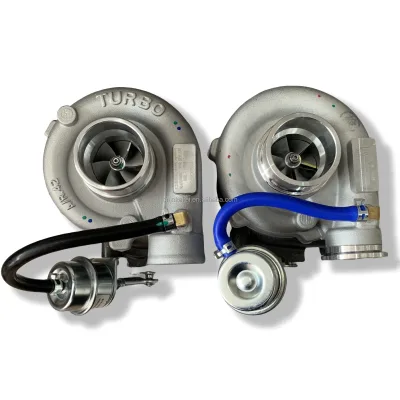

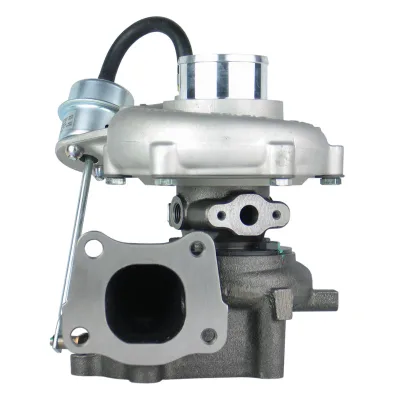

Heavy Duty Truck Gt1749s 471037-5002s 471037-0001 471037-0002 Turbocharger
$65.00 - $87.00
MOQ: 1 Pieces
Comprehensive Sourcing Guide
Strategic Sourcing Guide for Heavy Duty Truck Turbochargers
The global heavy-duty trucking sector relies heavily on the efficiency and reliability of its powertrain components, with the turbocharger serving as a critical element in modern diesel engine performance. For procurement professionals and fleet managers, sourcing these components requires a disciplined approach that balances technical specifications, regulatory compliance, and supply chain stability. The following guide outlines the essential factors for evaluating heavy-duty truck turbochargers, drawing on verified market observations and standard industry practices to ensure a robust procurement strategy.
Technical Specifications and Component Architecture
Understanding the precise technical architecture of a turbocharger is the first step in any sourcing process. Heavy-duty applications demand components capable of withstanding extreme thermal loads and high rotational speeds. The market offers various configurations, including mechanical turbocharger systems and specific types such as axialflow electric turbochargers. Buyers must verify the engine model compatibility, as the interface between the turbocharger and the engine block is non-negotiable for operational safety. Common engine models associated with these units include the 4jg2t and 12V190, which dictate the specific flow rates and pressure ratios required.
The physical dimensions and weight are equally critical for integration into existing truck chassis. Observed product attributes indicate that units can vary significantly in size, ranging from small compact designs to large machine-size units. For instance, specific models have been observed with dimensions around 32x28x38 cm, while others may be packaged in larger wooden cases to accommodate heavy-duty steel bodies. The body material is predominantly steel, ensuring durability against vibration and impact. Furthermore, the internal components, such as the turbine and compressor, are distinct; some listings specify the turbine component separately from the compressor, requiring buyers to confirm whether they are purchasing a complete assembly or individual parts.
| Specification Category | Observed Attributes | Verification Requirement |
|---|---|---|
| Engine Model | 4jg2t, 12V190 | Match exact engine displacement and configuration |
| Body Material | Steel | Verify alloy grade for thermal resistance |
| Type | Mechanical, Axialflow Electric | Confirm compatibility with engine management systems |
| Dimensions | 32x28x38 cm (Example) | Measure against chassis mounting points |
| Weight | 15 kg (Example) | Check load-bearing capacity of suspension |
Compliance and Certification Verification
In the international B2B market, compliance is not merely a formality but a prerequisite for legal operation and insurance validity. Heavy-duty truck components must adhere to rigorous safety and environmental standards. The supply chain for these parts often lists multiple certifications, including CE, ISO, CCC, COP, E-Mark, RoHS, and TSETS. These designations indicate that the product has undergone testing for electromagnetic compatibility, environmental safety, and general quality management.
Buyers must be vigilant when reviewing certification claims. While some listings mention a combination of certifications like "CCC, COP, ISOCE, E-Mark, RoHS, TSETS," it is essential to verify the specific scope of these approvals. For example, E-Mark certification is particularly relevant for vehicles operating within European markets, while CCC is mandatory for the Chinese domestic market. The presence of a Machinery Test Report is a strong indicator of quality assurance, suggesting that the unit has been subjected to performance testing under controlled conditions. Procurement teams should request copies of these reports to ensure the specific batch of turbochargers meets the required regulatory framework before finalizing any order.
Cost Drivers and Pricing Dynamics
The pricing structure for heavy-duty truck turbochargers is influenced by a complex interplay of factors, including material costs, manufacturing complexity, and logistics. Market observations reveal a wide price range, with unit costs varying from $1 to over $1,000. This disparity is not arbitrary; it reflects differences in OEM equivalence, the inclusion of custom packaging, and the specific model number complexity. For instance, parts with specific OEM numbers like 129935-18010 or 651.1118010 often command higher prices due to their direct fitment requirements and brand licensing.
Beyond the unit price, buyers must consider the Minimum Order Quantity (MOQ) and payment terms. The observed MOQ range spans from 1 piece to 50 units, offering flexibility for both small repair shops and large fleet operators. Payment methods typically include T/T (Telegraphic Transfer), with some suppliers accepting PayPal or Western Union, though T/T remains the standard for B2B transactions. The "Selling Units" are often listed as single items, which simplifies inventory management for sporadic replacements. However, bulk purchasing may offer economies of scale, provided the storage and lead time constraints are managed effectively.
Typical Applications and Usage Scenarios
Heavy-duty truck turbochargers are primarily designed for diesel engines, serving as the heart of the powertrain in long-haul logistics, construction machinery, and off-road equipment. The application fields extend beyond traditional transportation; some units are noted for use in new energy applications, indicating a growing trend toward hybrid or electrified powertrains where turbocharging assists in efficiency. The specific usage is often defined as "Electricity" in the context of electric turbochargers, which provide rapid response times compared to traditional exhaust-driven units.
The versatility of these components is evident in their adaptability. While the core function remains boosting air intake pressure, the specific application fields can range from standard diesel engines to specialized machinery requiring low noise levels. The "Low Noise Level" attribute is particularly relevant for urban delivery trucks or equipment operating in residential areas, where acoustic regulations are strict. Additionally, the customization availability allows suppliers to tailor the turbocharger to specific engine requirements, ensuring optimal performance across different operational environments.
Supplier Evaluation and Geographic Considerations
When evaluating potential suppliers, geographic origin plays a significant role in logistics and quality perception. The majority of the observed supply originates from Guangdong, China, a hub known for its manufacturing capabilities in automotive parts. This region's proximity to major shipping ports facilitates efficient delivery via carriers like DHL, UPS, and FedEx. The delivery time is typically reported as 3-7 working days, which is a competitive advantage for urgent repairs.
However, buyers should not rely solely on location. The "Company Name" and "Quality" attributes are critical indicators of reliability. Suppliers claiming "High-Quality" status should be backed by tangible evidence, such as the provision of machinery test reports and adherence to strict production standards. The "Condition" of the product is almost universally listed as "New," but buyers must verify this through inspection upon receipt. Furthermore, the "Customization" availability suggests that suppliers are willing to adapt their products, but this requires clear communication of technical requirements to avoid compatibility issues.
Quality Control and Inspection Protocols
Ensuring the integrity of the turbocharger is paramount to preventing costly downtime. Quality control should begin at the supplier selection stage and continue through the final inspection. The "Quality" attribute is often described as "High Quality," but this is a subjective claim that must be validated. Buyers should insist on a "Machinery Test Report" that details the performance metrics of the specific unit. The "Parts" category, which may include transformers or specific turbine components, requires individual verification to ensure no sub-assemblies are defective.
Packaging is another critical aspect of quality control. The observed "prod_packing" varies from cartons to wooden cases, with some options offering "Neutral or According to Your Need" packaging. For heavy-duty components, wooden cases are often preferred to prevent damage during transit, especially for larger units. The "Ingle Package Size" of 32x28x38 cm provides a benchmark for logistics planning, ensuring that the shipping container is appropriately sized. Buyers should also verify the "Standard" of the product, which is often listed as 1PCS or 30x30x35cm, to confirm that the packaging meets the necessary protection standards for international shipping.
Long-Term Procurement and Lifecycle Management
Sourcing a turbocharger is not a one-time transaction but part of a long-term lifecycle management strategy. The "Lead Time" of 3-7 working days is a key factor in maintaining fleet availability, but buyers must also consider the "Delivery Time" variability based on the shipping method. The availability of "Customized Packing" allows for better inventory management, reducing the risk of damage and facilitating easier storage.
For long-term success, buyers should establish a relationship with suppliers who offer consistent quality and reliable support. The "Payment" terms, such as T/T, should be negotiated to balance cash flow with supplier security. Additionally, the "Application" of the turbocharger in "New Energy" fields suggests that future-proofing the fleet is a consideration. As the industry shifts towards electrification, the ability to source components that support both diesel and hybrid systems will become increasingly valuable. Buyers should prioritize suppliers who demonstrate adaptability and a commitment to innovation, ensuring that their procurement strategy remains relevant in a rapidly evolving market.
In conclusion, sourcing heavy-duty truck turbochargers requires a meticulous approach that integrates technical verification, compliance checks, and strategic supplier evaluation. By focusing on the specific attributes observed in the market, such as engine model compatibility, certification standards, and packaging requirements, buyers can mitigate risks and ensure the operational continuity of their fleets. The diversity of options available, from standard mechanical systems to advanced electric turbochargers, offers significant potential for optimization, provided that the procurement process is grounded in rigorous due diligence and evidence-based decision-making.
FAQs
What certifications are available for heavy duty truck turbochargers?
Available certifications include CE, ISO, CCC, COP, E-Mark, RoHS, and TSETS. Buyers must verify the specific scope of these approvals to ensure compliance with regional regulations before finalizing any order.
How long is the delivery time for these turbocharger units?
The standard delivery time is 3-7 working days via carriers like DHL, UPS, or FedEx. This timeframe applies to shipments originating from Guangdong, China, and may vary based on the selected shipping method.
Which engine models are compatible with these turbocharger specifications?
Compatible engine models include the 4jg2t and 12V190. Buyers must match the exact engine displacement and configuration to ensure the interface between the turbocharger and the engine block is safe for operation.
Can I request customized packaging for these heavy duty truck parts?
Yes, customized packing is available and can range from cartons to wooden cases. Suppliers may also offer neutral packaging according to your specific needs to ensure protection during international transit.
What is the minimum order quantity for purchasing these turbochargers?
The minimum order quantity ranges from 1 piece to 50 units depending on the supplier. This flexibility allows both small repair shops and large fleet operators to source parts without excessive inventory constraints.
Which payment methods are accepted for these heavy duty truck components?
Accepted payment methods typically include T/T, with some suppliers also accepting PayPal or Western Union. T/T remains the standard for B2B transactions to balance cash flow with supplier security.
How does the weight of these turbochargers affect shipping logistics?
Specific units have an observed weight of 15 kg, which impacts load-bearing capacity and shipping costs. Buyers should verify the weight against chassis mounting points and suspension limits before finalizing the purchase.