Source Helmet Washing Machine for Daily Products, Insulation, and Cleaning
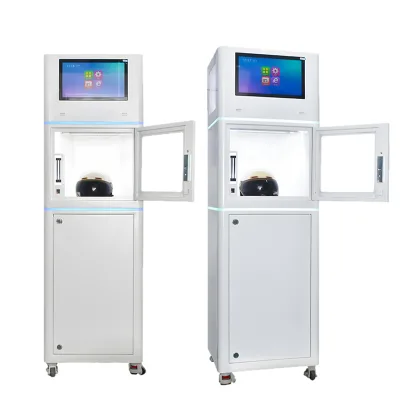
Find 20 Helmet Washing Machine units with features like touch screens, power-off protection, and customized options. Buyers can compare specifications including washing capacity, payment systems, and operating systems to select the right equipment for their needs.
Key considerations
Products List


$1950.00 - $2150.00
MOQ: 1 Pieces


New Automatic Washer and Sanitizer Designed F Helmet Cleaning Machine
$1899.00 - $2199.00
MOQ: 1 Pieces


Comprehensive Sourcing Guide
Strategic Sourcing Guide for Industrial Helmet Washing Systems
The global demand for hygiene-critical equipment has elevated the importance of specialized cleaning solutions for personal protective gear. When sourcing a Helmet Washing Machine, buyers must navigate a complex landscape of technical specifications, operational environments, and payment integration models. This guide provides a disciplined framework for evaluating suppliers and selecting equipment that aligns with specific operational needs, ensuring that procurement decisions are based on verified product attributes rather than marketing assertions.
Technical Architecture and Operational Specifications
The core functionality of a Helmet Washing Machine is defined by its mechanical and electronic architecture. Based on observed market data, these units often feature an Automatic Grade classification, indicating a high level of process automation that minimizes manual intervention. A critical specification for industrial-scale operations is the washing capacity. Products in this category frequently list a capacity of 70kg, which suggests a design intended for high-volume throughput in settings such as construction sites, logistics hubs, or large-scale manufacturing facilities.
The physical dimensions of the unit are equally vital for facility planning. Observed product standards indicate a wide range of footprint sizes. Some models adhere to a standard dimension of 12659126CM, while others, particularly those designed for outdoor or specific modular installations, may feature dimensions such as 7206801890mm or 6206201780mm. Buyers must verify that the chosen unit's dimensions, including the prod_packing size (e.g., 7407002010mm or 7007001920mm), fit within the allocated installation space, accounting for necessary clearance for maintenance and ventilation.
The internal cleaning mechanism is another key differentiator. Advanced units utilize a Distributed Disinfection Spray method, ensuring uniform coverage of the helmet surface. The liquid medium is typically specified as Puried Water (or purified water), with a standard consumption volume of 2L per cycle. The system may also offer 6 Options for fragrance integration, allowing facilities to customize the sensory experience of the cleaning process. The chamber configuration varies, with options for Single Dual setups, which may influence the throughput speed and the ability to handle different helmet types simultaneously.
Electronic Interface and User Experience
Modern helmet washing machines are increasingly integrated with smart technology to enhance user interaction and remote management. A prominent feature in the current market is the inclusion of a Touch Screen interface. The screen dimensions vary significantly, with observed models featuring 21.5 Inch displays or 15.6 Inches screens. These interfaces are often powered by an Android operating system, providing a familiar and flexible environment for users to navigate cleaning cycles and access system information.
Connectivity and management capabilities are essential for multi-unit deployments. Many systems support Extended Networking, allowing operators to monitor multiple machines from a central location. The Management Backend is frequently accessible via an H5 Mobile Backend Management system, enabling real-time data tracking, usage statistics, and remote diagnostics. This connectivity is complemented by a Failure Self Detection feature, which alerts operators to malfunctions before they disrupt operations.
User interaction is further streamlined through diverse payment and access methods. The charge system often supports both Coin and Note acceptance, while other models may rely solely on Coins or Swiping Card technology. The system is designed to be versatile, with Supported Languages that allow for localization in different regions. Additionally, the Installation Method is typically Plug and Play, reducing the complexity of deployment. Power supply requirements generally cover a broad Voltage/Frequency range of 110~240V, ensuring compatibility with various electrical grids.
Environmental Adaptability and Safety Features
The operational environment dictates the durability and safety requirements of the washing machine. Products are categorized by their intended Environmental Condition, with distinct models designed for Indoor or Outdoor use. Outdoor units must withstand exposure to weather elements, while indoor units may prioritize compactness and aesthetic integration. The Condition of the equipment is universally listed as New, indicating that buyers should expect factory-fresh units with full warranties.
Safety is paramount in industrial settings. A critical attribute to verify is the Power-off Protection capability. The market presents a split in this feature: some models are equipped With Power-off Protection, ensuring safe shutdown during power fluctuations, while others are listed Without Power-off Protection. Buyers must carefully match this specification to their site's power stability. Furthermore, the system may include a Change mechanism, with options for With Small Change or Without Small Change, which affects the flexibility of the payment system for users.
The Function of the machine extends beyond simple cleaning; some units offer Insulation properties, which may be relevant for specific thermal environments or safety compliance. The Type of product is generally classified as Daily Products, implying a design for frequent, routine use. Understanding these environmental and safety attributes is crucial for preventing equipment failure and ensuring the longevity of the asset.
Cost Drivers and Procurement Economics
The pricing of helmet washing machines is influenced by a combination of technical complexity, material quality, and customization levels. The observed listed price range for these units in the market spans from 1399 to 3399 USD. This variance reflects differences in screen size, automation levels, and additional features like fragrance systems or extended networking capabilities.
Minimum Order Quantity (MOQ) is a significant factor in procurement planning. The data indicates a consistent MOQ range of 1-1, suggesting that buyers can procure single units without being forced into bulk purchases. This flexibility is advantageous for pilot programs or small-scale deployments. However, the Customization status varies; while some models are Customized or offer Customization options, others are standard off-the-shelf units. Buyers seeking specific branding or functional modifications should confirm the Customized status and associated lead times with the supplier.
The prod_packing method, often a Wooden Crate Packaging or Wooden Case, adds to the overall logistics cost. These robust packaging methods are necessary to protect the delicate electronic components and mechanical parts during shipping. Buyers should factor in the weight and volume of the Wooden Crate when calculating freight costs and warehouse storage requirements.
Supplier Evaluation and Compliance Verification
When evaluating potential suppliers, buyers must look beyond the basic product listing. The prod_origin of the equipment is a key indicator of supply chain transparency, with many units originating from Guangdong or generally China. While this provides a baseline for manufacturing capability, buyers should verify the specific factory's reputation and quality control processes.
Compliance and certification checks are essential, though specific certification data is not always explicitly listed in product attributes. Buyers should request documentation regarding electrical safety standards, particularly for units operating in Outdoor environments where moisture resistance is critical. The prod_standard field often lists dimensions or custom specifications, but buyers must ensure these align with local building codes and safety regulations.
The Change attribute, referring to the ability to provide small change, and the Payment methods (Coins, Notes, Cards) require verification against local currency and payment infrastructure. A supplier that supports Swiping Card systems may be more suitable for large organizations, whereas Coins might be preferred for public or semi-public access points.
Quality Control and Long-Term Maintenance
Ensuring the long-term reliability of the Helmet Washing Machine requires a proactive quality control strategy. The Failure Self Detection feature is a valuable asset, but it should be complemented by a clear maintenance protocol. Buyers should inquire about the availability of spare parts, particularly for the Touch Screen, Power Supply components, and the Distributed Disinfection Spray nozzles.
The Operating System being Android suggests that software updates may be available, but buyers must confirm the frequency and method of these updates. The Management Backend via H5 Mobile should be tested for latency and reliability before finalizing a purchase. Additionally, the Condition of the unit upon arrival should be verified against the New status claim, checking for any transit damage to the Wooden Crate or internal components.
Comparative Analysis of Key Models
To assist in decision-making, the following table summarizes the observed variations in key specifications across different product models. This comparison highlights the diversity in the market and the need for precise specification matching.
| Feature | Model A (Standard) | Model B (Outdoor/Heavy Duty) | Model C (Smart/Touch) |
|---|---|---|---|
| Model ID | A071424 / A071423 | WL-TK005 / WL-TK004 | OYTK2504 Series |
| Capacity | 70kg | Not Specified | Not Specified |
| Screen Size | Not Specified | 15.6 Inches | 21.5 Inches |
| Environment | Indoor | Outdoor | Indoor |
| Power Protection | With Power-off Protection | Without Power-off Protection | With Power-off Protection |
| Payment | Swiping Card | Coins | Coin and Note |
| Packing | Wooden Crate | 7407002010mm | 7007001920mm |
| Standard Size | 12659126CM | 7206801890mm | 6206201780mm |
| Cleaning Method | Not Specified | Distributed Disinfection Spray | Not Specified |
| Liquid Type | Puried Water | Not Specified | Puried Water |
Final Procurement Considerations
Selecting the right Helmet Washing Machine requires a holistic view of technical capabilities, environmental fit, and economic factors. Buyers must rigorously verify that the prod_model matches their specific operational requirements, particularly regarding Environmental Condition and Payment systems. The Customization availability offers a path to tailor the unit to specific branding or functional needs, but this must be confirmed with the supplier prior to order placement.
Ultimately, the success of the procurement lies in the alignment of the machine's Automatic Grade and Failure Self Detection capabilities with the facility's maintenance culture. By focusing on verified attributes such as Washing Capacity, Screen Dimension, and Voltage/Frequency, buyers can mitigate risks and ensure a reliable, efficient cleaning solution for their workforce. The observed price range and MOQ flexibility provide a favorable entry point for organizations of various sizes, provided that the technical specifications are meticulously validated against the site's unique constraints.
FAQs
What is the washing capacity of industrial helmet washing machines?
Industrial units typically feature a washing capacity of 70kg for high-volume throughput. This specification supports operations in construction sites or logistics hubs requiring frequent cleaning cycles for large quantities of protective gear.
Can these machines operate in outdoor environments?
Yes, specific models are designed for outdoor environmental conditions to withstand weather elements. Buyers must verify the environmental condition attribute to ensure the selected unit matches the intended installation site requirements.
What payment methods are supported by these systems?
Systems support diverse payment methods including coins, notes, and swiping cards. Some models also offer a charge system with small change capabilities, while others rely solely on card or coin acceptance for user access.
How is the cleaning process automated in these units?
The units operate with an automatic grade classification to minimize manual intervention. They utilize distributed disinfection spray methods with purified water and may include fragrance options for a customized cleaning experience.
What screen dimensions are available for user interfaces?
Touch screen interfaces vary in size, with observed models featuring 21.5-inch or 15.6-inch displays. These screens often run on an Android operating system to facilitate user interaction and system management.
Are these machines customizable for specific branding needs?
Customization is available for many models to meet specific branding or functional requirements. Buyers should confirm the customized status with suppliers to ensure the unit can be tailored to their operational needs.
What is the price range for purchasing a Helmet Washing Machine?
The listed price range for these units spans from 1399 to 3399 USD. This variance reflects differences in technical complexity, screen size, and additional features like extended networking or fragrance systems.