Source Hemispherical Carbide Trencher Teeth for Mining, Roadwork, and Construction
Find 30 listings for Hemispherical Carbide Trencher Teeth designed for rotary drilling rigs and augers. Compare models like C21HD and BSK17, featuring 42CrMo steel and tungsten carbide tips. Evaluate hardness ratings, packing options, and delivery times from Chinese manufacturers to find the right fit for your equipment.
Key considerations
Products List


Trencher Cutting Teeth Rg22381622r Trencher Bit Carbide Teeth for Trenching
$7.50 - $14.00
MOQ: 1000 Pieces


Best Selling Trencher Teeth Tungsten Carbide Teeth for Trenching Machines
$7.90 - $9.90
MOQ: 100 Pieces


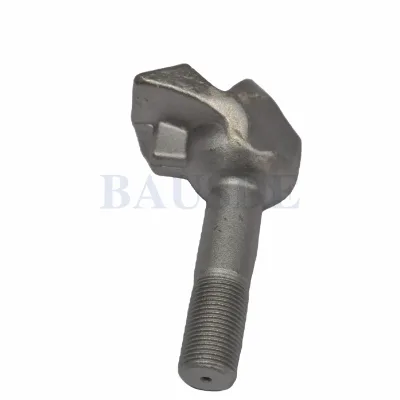


Machinery Part Drill Auger Bit Trencher Teeth Foundation Rock Drill Tooth
$6.00 - $9.00
MOQ: 100 Pieces


Comprehensive Sourcing Guide
Hemispherical Carbide Trencher Teeth Sourcing Guide
Procuring Hemispherical Carbide Trencher Teeth requires careful alignment with specific drilling rig requirements, as these components are primarily mounted on rotary drilling rig augers, buckets, and core barrels. The observed market data indicates that suppliers offer customization based on customer needs, allowing buyers to specify exact dimensions and shank types to match their existing machinery. This flexibility is critical because trencher teeth must withstand high-impact forces in varied soil conditions, and a mismatch in geometry can lead to premature failure or equipment damage.
Buyers must also evaluate the material composition carefully, as the supply chain frequently lists 42CrMo steel combined with tungsten carbide tips or alloy steel cores. The hardness of these components varies significantly across listings, with observed ranges spanning from HRC 38-42 up to HRC 45-48 and even 42-55 HRC depending on the specific model and application. Understanding these variations is essential for selecting the right balance between toughness and wear resistance for your specific trenching environment.
Product Scope and Observed Listing Signals
The product scope for trencher teeth in the current market is defined by a wide array of model numbers and standard specifications, ranging from C21HD and BSK17 to specialized shank sizes like 30/38 mm and 10/18 mm. Listings often identify these items by their specific model codes, such as RG22381622R or RL09, which serve as unique identifiers for the hemispherical geometry and shank configuration. Buyers should treat these model numbers as primary filters to ensure compatibility with their specific auger or bucket systems before proceeding with any procurement discussions.
Pricing and minimum order quantities (MOQ) show significant variance, with observed prices ranging from 1 to 70 USD and MOQs spanning from 20 to 3000 units. This wide range suggests that costs are heavily influenced by the level of customization, the specific tungsten carbide grade used, and the volume of the order. Buyers should anticipate that smaller, highly customized orders will likely incur higher per-unit costs and stricter MOQs, while bulk purchases of standard models may offer more favorable commercial terms.
Technical Specifications to Verify
When verifying technical specifications, the hardness rating is a primary decision point that directly impacts the service life of the trencher teeth. The market data reveals distinct hardness profiles, with some products rated at HRC 38-42 for general applications and others reaching up to HRC 45-48 or 42-55 HRC for more abrasive conditions. Buyers must explicitly confirm the hardness range for the specific model they intend to purchase, as this attribute determines the tooth's ability to resist wear without becoming too brittle to handle impact loads.
Shank dimensions and material composition are equally critical verification points that must align with the buyer's machinery. Specifications frequently cite shank sizes such as 33mm, 30/38 mm, or 10/18 mm, and materials are often described as 42CrMo or 42CrMoA steel with tungsten carbide tips. It is imperative to cross-reference these dimensions against the manufacturer's equipment manuals to ensure a secure fit, as even minor deviations in shank diameter can prevent proper installation or cause the tooth to loosen during operation.
Compliance and Safety Documentation
Compliance documentation for trencher teeth often centers on manufacturing process certifications and quality management systems rather than specific safety test reports. The available data highlights ISO 9001 certification as a common standard, with some listings explicitly noting that the manufacturing process involves forging. Buyers should request proof of these certifications to ensure the supplier adheres to recognized quality management protocols, which helps mitigate the risk of receiving substandard components that could fail under operational stress.
Safety and performance standards are frequently tied to customer-specific requests rather than universal industry mandates. While some listings reference standards like C21HD or BSK17, these often function as internal model identifiers rather than external safety certifications. Procurement teams should verify if the supplier can provide any additional documentation regarding material traceability or specific performance testing results, as the absence of such data may indicate a reliance on generic manufacturing processes that do not guarantee consistent performance in demanding trenching applications.
Cost Drivers and Commercial Terms
Cost drivers for Hemispherical Carbide Trencher Teeth are heavily influenced by the level of customization and the specific material grades selected. The ability to customize the tungsten carbide composition and the steel base material allows suppliers to tailor products to specific needs, but this flexibility often comes with a premium. Buyers should expect that highly specialized configurations, such as those requiring unique shank sizes or specific hardness ratings, will command higher prices compared to standard off-the-shelf models.
Commercial terms regarding delivery and payment are also significant factors in the total cost of ownership. Lead times typically range from 7 to 15 working days, with some suppliers requiring a deposit before production begins. Payment methods are diverse, including L/C, T/T, Western Union, and Money Gram, giving buyers flexibility but also requiring careful financial planning. Understanding these terms is crucial for managing cash flow and ensuring that the supply chain can meet project deadlines without unexpected delays.
Supplier Qualification and Quality Control
Supplier qualification should prioritize manufacturers who demonstrate a clear commitment to quality control through established certifications and transparent production processes. The presence of ISO 9001 certification and specific mentions of forging processes are strong indicators of a supplier's capability to produce consistent, high-quality trencher teeth. Buyers should verify these credentials directly and inquire about the supplier's internal quality control measures to ensure that every batch of teeth meets the specified hardness and material standards.
Quality control extends to packaging and logistics, which can affect the condition of the teeth upon arrival. Observed packaging methods include plastic boxes, wooden cases, and pallets, with some suppliers offering standard export packing in plastic buckets. Proper packaging is essential to prevent damage during transit, especially for hard, brittle carbide components. Buyers should confirm that the packaging method is robust enough to protect the teeth from impact and corrosion, ensuring they arrive in perfect condition ready for immediate installation.
Long-Term Procurement Checks
Long-term procurement success depends on establishing a reliable supply chain that can consistently meet volume and quality requirements over time. Buyers should monitor the supplier's ability to maintain consistent lead times and adhere to agreed-upon specifications across multiple orders. The variability in observed lead times and MOQs suggests that building a strong relationship with a single, reliable supplier can help stabilize the supply chain and reduce the risk of production delays or quality inconsistencies.
Continuous performance monitoring is essential to ensure that the trencher teeth continue to meet operational needs as conditions change. Buyers should track the wear rates and failure modes of the teeth in the field to validate the supplier's claims regarding hardness and material durability. If performance issues arise, it is critical to communicate these findings to the supplier immediately to facilitate adjustments in the manufacturing process or material selection, ensuring that future orders are optimized for maximum efficiency and longevity.
FAQs
How is the hardness of Hemispherical Carbide Trencher Teeth specified?
Hardness is specified separately for the steel body and the tungsten carbide tip. Listed products show steel bodies such as 42CrMo at HRC38-42 or in a 42-55 HRC range, with carbide tips around HRC45-48. Confirm the exact hardness combination with the supplier before ordering, since values are treated as negotiable attributes and can be adjusted to your working conditions.
What materials are typically used for Hemispherical Carbide Trencher Teeth?
The common construction is an alloy steel body paired with a tungsten carbide tip. Listed products use 42CrMo or 42CrMoA steel bodies with YG6C tungsten carbide tips, which resists abrasion in hard soil and rock. Material selections are negotiable, so request confirmation of the exact steel grade and carbide grade for the model you intend to purchase.
Can Hemispherical Carbide Trencher Teeth be customized for specific rigs?
Yes, customization is listed as available. Suppliers can adjust the carbide tip configuration, steel body dimensions, and hardness according to customer requests, and products are manufactured to customer-requested standards. Provide the teeth model, shank diameter, and mounting equipment details, such as rotary drilling rig augers, buckets, or core barrels, so the factory can quote the correct configuration.
How are Hemispherical Carbide Trencher Teeth packed for export?
Typical packing includes plastic boxes, plastic buckets, pallets, and wooden or plywood cases. Listed options range from 10 to 100 pieces per box depending on the model, with standard export packing for larger orders. Confirm the piece count per box and the outer case type with the supplier, since packing can be arranged according to your shipping and handling requirements.
What is the typical delivery time for Hemispherical Carbide Trencher Teeth?
Listed delivery times are 7 to 15 working days, or 10 to 15 days after receiving the deposit, depending on the supplier and model. Actual lead time depends on order quantity, customization requirements, and production scheduling. Ask the supplier to confirm the delivery schedule in writing before placing the order, especially for customized specifications or larger quantities.
Which certifications should trencher teeth suppliers hold?
Listed products reference ISO9001 quality management certification, and some also list CE marking. These indicate documented quality control in manufacturing processes such as forging, but you should verify certificate validity directly with the supplier. Request the certificate number and scope, and confirm which certification applies to the specific model and production batch you are sourcing.