Source Hematology Analyzer for Blood Tests, Lab Diagnostics, and Clinical Research
Explore 30 Hematology Analyzer options for blood tests, lab diagnostics, and clinical research. Compare models like HB-7222 and Bc5310, featuring high throughput, customizable parameters, and certifications such as CE and ISO. Source reliable equipment from verified manufacturers in China and Japan.
Key considerations
Products List


Hematology Analyzer Laboratory Instrument Clinical Hematology Equipment
$1900.00 - $4300.00
MOQ: 1 Sets


Full Automatic Hematology Blood Analyzer Chemistry Analyzer Biochemistry Analyzer
$4790.00 - $5500.00
MOQ: 1 Pieces


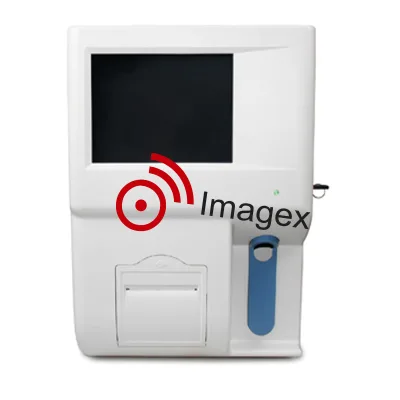


Clinical Analytical Instruments 3 Part Automatic Hematology Analyzer Blood Analysis
$1200.00 - $2580.00
MOQ: 1 Pieces

Clinical Analytical Instruments Fully Automatic Hematology Analyzer Blood Analyzers
$2700.00 - $2900.00
MOQ: 1 Pieces


3 Part Hematology Analyzer Hematology Analyzer Blood Hemogram Hematology Analyzer
$1100.00 - $2600.00
MOQ: 1 Pieces


Comprehensive Sourcing Guide
Hematology Analyzer Sourcing Guide
Procuring hematology analyzers requires a strategic approach that balances technical precision with commercial viability. These devices are essential for clinical laboratories, providing rapid and accurate blood cell counts and differential analysis. Buyers must navigate a market where specifications vary significantly between models, ranging from basic three-part differentials to advanced twenty-one-plus parameter systems. Understanding the core capabilities of each unit is the first step in aligning equipment with laboratory throughput needs.
The sourcing landscape includes diverse origins, with notable manufacturing hubs in China and Japan offering distinct value propositions. Chinese models often emphasize high throughput and extensive data storage, while Japanese units may focus on specific biochemical integration or established regulatory histories. Buyers should evaluate the total cost of ownership, including reagent compatibility and maintenance requirements, rather than focusing solely on the initial acquisition price. This holistic view ensures long-term operational efficiency and cost-effectiveness in diagnostic workflows.
Product Scope and Observed Listing Signals
The current market presents a wide array of hematology analyzers, with observed price points ranging from one to twelve thousand US dollars. This variance reflects differences in automation levels, parameter counts, and brand heritage. Listings frequently highlight key performance indicators such as test throughput, with some models capable of processing sixty samples per hour. Buyers should scrutinize these claims against their daily sample volume to ensure the selected analyzer meets peak demand without creating bottlenecks in the laboratory workflow.
Minimum order quantities are typically set at one unit, facilitating flexible procurement for individual clinics or small laboratory networks. However, the physical specifications of these machines vary considerably, with gross weights ranging from eighty-eight kilograms for smaller units to five hundred ninety kilograms for larger, more complex systems. Packaging dimensions also differ, with some units shipped in standard cartons while others require wooden boxes for protection. These logistical details are critical for planning warehouse space, installation sites, and transportation logistics, ensuring that the equipment arrives safely and can be integrated into existing laboratory infrastructure without delay.
Technical Specifications to Verify
Technical verification begins with the parameter count and histogram capabilities. Some models offer twenty-one plus histograms, providing detailed cell distribution data that aids in diagnosing complex hematological conditions. Others may provide twenty-eight parameters along with three histograms and one scattergram, offering a more comprehensive view of blood cell characteristics. Buyers must match these technical outputs to their diagnostic requirements, ensuring that the analyzer provides sufficient data granularity for their specific patient population and testing protocols.
Sample volume and storage capacity are equally critical technical considerations. Efficient analyzers often require only thirteen microliters of whole blood, minimizing patient discomfort and reagent waste. Data storage capabilities vary, with some units holding up to two hundred thousand test results, while others may store more than five thousand reports. Interface options, including USB, PS/2, and COM ports, facilitate integration with laboratory information systems. Buyers should verify that the chosen model supports their existing IT infrastructure to ensure seamless data transfer and reporting capabilities.
Compliance and Safety Documentation
Regulatory compliance is paramount when sourcing medical diagnostic equipment. Listings indicate various certifications, including ISO, MSDS, EEC, CE, and FDA approvals. Buyers must verify that the specific model they intend to purchase holds the necessary certifications for their target market. For instance, models originating from China may carry CE or ISO certifications, while those from Japan might have different regulatory endorsements. Ensuring that the device meets local regulatory standards is essential for legal operation and patient safety.
Medical device regulatory types also vary, with some analyzers classified as Type 2 devices. This classification often dictates the level of scrutiny required during installation and validation. Additionally, buyers should review the warranty terms, which may include three months for parts coverage. Understanding the scope of warranty support is crucial for managing risk and ensuring that any initial defects or manufacturing issues are addressed promptly. Proper documentation and compliance verification protect the laboratory from legal liabilities and ensure that the equipment operates within safe and approved parameters.
Cost Drivers and Commercial Terms
The cost of a Hematology Analyzer is influenced by several factors, including the number of parameters, throughput speed, and brand origin. Higher-end models with extensive parameter counts and faster throughput typically command higher prices. Buyers should also consider the cost of consumables, such as diluents, detergents, and lysing agents, which are essential for ongoing operation. Some models specify reagent types like Baso-Lyse or Eo-Lyse, which may have different pricing structures and availability. Understanding the total cost of ownership, including reagent consumption, is vital for accurate budgeting.
Commercial terms such as packing standards and power supply requirements also impact the overall procurement cost. Units may come in standard packages, cartons, or wooden boxes, affecting shipping and handling expenses. Power supply specifications, typically ranging from one hundred to two hundred forty volts at fifty or sixty hertz, must match the local electrical infrastructure to avoid the need for additional transformers or converters. Buyers should negotiate clear terms regarding delivery, installation, and training to ensure that the analyzer is operational and staff are proficient in its use from day one.
Supplier Qualification and Quality Control
Supplier qualification involves assessing the manufacturer’s reputation, production capabilities, and quality control processes. Buyers should prioritize suppliers who provide comprehensive technical support and after-sales service. The origin of the product, whether China or Japan, can influence the perceived reliability and technological sophistication of the analyzer. However, buyers should not rely solely on origin but should request detailed product specifications and performance data to verify the supplier’s claims. Independent verification of technical parameters ensures that the equipment meets the laboratory’s specific needs.
Quality control extends to the physical condition of the equipment upon delivery. Buyers should inspect the packing size and gross weight to ensure that the unit matches the ordered specifications. Discrepancies in dimensions or weight may indicate damage or incorrect model shipment. Additionally, verifying the presence of all necessary accessories and documentation, such as user manuals and calibration certificates, is essential. Establishing a clear communication channel with the supplier for any post-delivery issues ensures that problems are resolved quickly, minimizing downtime and maintaining laboratory productivity.
Long-Term Procurement Checks
Long-term procurement success depends on the availability of spare parts and reagents. Buyers should confirm that the supplier can provide a steady supply of consumables such as diluents, detergents, and lysing agents. The stability of these reagents, described as more stable and harmonious in some listings, is crucial for maintaining consistent test results over time. Ensuring a reliable supply chain for consumables prevents operational disruptions and maintains the quality of diagnostic services provided by the laboratory.
Maintenance and support services are also critical for long-term equipment performance. Buyers should inquire about the availability of technical support, training programs, and preventive maintenance schedules. Some models offer extensive data storage capabilities, which may require periodic software updates or hardware upgrades. Establishing a long-term relationship with the supplier ensures that the laboratory receives timely support and access to the latest technological advancements. Regular reviews of equipment performance and supplier service quality help maintain high standards of diagnostic accuracy and operational efficiency.
FAQs
What certifications do the hematology analyzers have?
The hematology analyzers hold ISOMSDS, EEC, and CE certifications. Some models also feature ISOCE and FDA approvals. These documents verify compliance with international safety and quality standards for medical devices used in blood testing applications.
Which models are available for hematology analysis?
Available models include HB-7222, Bc5310, Bc5380, Bc5390, Bc5300, and Au480. These units support various test parameters and throughput rates. Buyers can select specific models based on their required sample volume and storage capacity needs.
Can the hematology analyzers be customized for specific needs?
Yes, customization is available for these hematology analyzers. Buyers can request specific configurations to match their laboratory requirements. This flexibility allows facilities to adapt the equipment for different blood test applications without purchasing entirely new units.
How many test results can the device store?
The device can store up to 200,000 test results. Some models offer storage for more than 5,000 reports. This capacity ensures that historical data remains accessible for long-term analysis and patient record keeping without immediate data loss.
What is the minimum order quantity for these analyzers?
The minimum order quantity is one unit for these hematology analyzers. This low threshold allows small clinics to purchase equipment without bulk commitments. Buyers can acquire a single unit to test performance before scaling their laboratory operations.
Where are these hematology analyzers manufactured?
These analyzers are manufactured in China and Japan. The origin varies by specific model and manufacturer. Buyers should verify the production location for each unit to ensure it meets their regional regulatory requirements and shipping preferences.
What is the warranty period for parts?
The warranty period for parts is three months. This coverage applies to component failures within the specified timeframe. Buyers should review the warranty terms carefully to understand what repairs or replacements are included during the initial usage period.