Find Compare Source HEPA Plate and Frame Air Filter for Hospitals Clean Rooms Labs
Source 30 listings for HEPA Plate and Frame Air Filter designed for hospital, pharmaceutical plant, and clean room applications. Buyers can compare specifications including frame materials, filtration grades, and customizable dimensions from verified suppliers.
Key considerations
Products List






Comprehensive Sourcing Guide
Strategic Sourcing Guide for HEPA Plate and Frame Air Filters
Understanding the Core Product Architecture and Technical Variants
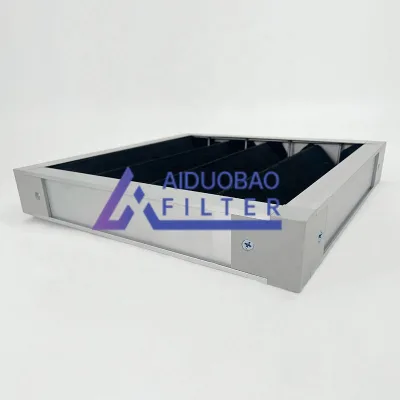
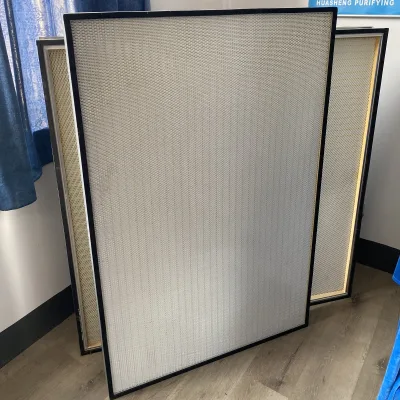
When sourcing a HEPA Plate and Frame Air Filter, buyers must first distinguish between the specific architectural configurations available in the global market. The term "plate and frame" often refers to a rigid structural design where the filtration medium is held within a frame, yet the market presents diverse variations including V-bank filters, panel filters, and folded filters that utilize similar principles. Based on observed product attributes, the filtration medium is a critical differentiator. Supply chains offer options ranging from Fiberglass and Polypropylene (PP) to Nylon Mesh and Cellulose Fibers. The choice of medium directly impacts the filter's ability to capture specific particulate matter, including dust, pollen, and other airborne particles.
The frame construction is equally vital for structural integrity and airflow management. Available frame materials include plastic, aluminum, and galvanization. Some specifications explicitly mention "Galvanization Frame, Aluminum or ABS Plastic Frame," indicating a need to match the frame material to the environmental conditions of the installation site. For instance, high-humidity environments may require galvanized or aluminum frames to prevent corrosion, whereas standard indoor applications might suffice with plastic frames. The medium material is often paired with a Hot-Melt Adhesive for assembly, ensuring the pleats or folds remain secure under pressure differentials.
Efficiency ratings are a primary concern for HEPA-grade applications. While the core keyword specifies HEPA, the observed data indicates a spectrum of filtration grades, including "FFiltration Grade:HEPA Filter" and "FFiltration Grade:Medium Filter." Buyers must verify that the specific unit ordered meets the actual HEPA standard required for their facility, as some listings may conflate high-efficiency pleated filters with true HEPA specifications. The efficiency of the filter is often linked to its construction type, such as "Cartridge Filter" or "Folded Filter," which offers a larger surface area compared to standard panel filters, potentially enhancing dust holding capacity and extending service life.
Compliance Standards and Certification Verification Protocols
In the realm of air filtration, compliance is not merely a formality but a prerequisite for operational safety and regulatory adherence. While specific certification statuses cannot be universally asserted for all listed products without individual verification, buyers should be aware of the standards that govern these components. The industry frequently references ISO 14644 for cleanroom classifications, which dictates the permissible particle count in controlled environments. However, the provided data does not confirm that every listed product holds this specific certification; therefore, buyers must request explicit test reports from the supplier.
Product standards often include dimensional specifications that must align with the existing HVAC infrastructure. Observed standard dimensions include 592x592x292mm and 610x610x292mm, which are common in commercial and industrial settings. However, "Customizable" dimensions are also available, allowing for bespoke solutions where standard sizes do not fit. When evaluating compliance, the buyer must verify that the filter's physical dimensions, frame strength, and filtration efficiency match the project's engineering drawings.
Certification checks should extend beyond the filter itself to the manufacturing process. The origin of the product, frequently noted as China or specifically Hebei, suggests a need for rigorous supplier vetting. Buyers should inquire about the manufacturer's quality management systems and whether they adhere to international norms for production consistency. The "Condition: New" attribute is a basic requirement, but the provenance of the raw materials, such as the source of the fiberglass or polypropylene, is equally important for ensuring the filter does not introduce contaminants or off-gassing into the air stream.
Cost Drivers and Economic Factors in Procurement
The economic landscape of sourcing HEPA plate and frame filters is influenced by several variable factors, including material composition, customization levels, and packaging requirements. The observed price range in the market spans from $2 to $300 USD, a wide variance that reflects differences in efficiency ratings, frame materials, and filter depth. A basic panel filter with a fiberglass medium and plastic frame will sit at the lower end of this spectrum, while a custom-sized V-bank filter with an aluminum frame and high-efficiency HEPA media will command a premium price.
Minimum Order Quantity (MOQ) is another significant cost driver. The market shows an MOQ range from 1 to 200 units. For small-scale projects or pilot installations, suppliers offering an MOQ of 1 are essential to avoid excessive inventory costs. Conversely, large-scale procurement can leverage economies of scale by ordering in bulk, potentially negotiating better unit prices within the 1-200 range. Buyers must calculate the total cost of ownership, which includes not only the unit price but also shipping, handling, and the frequency of replacement.
Packaging also impacts the final cost. Products are typically shipped in "Cartons and PE Bags" or simply "Carton" packaging. The choice of packaging affects the protection of the filter during transit and the ease of handling upon arrival. Improper packaging can lead to damage, rendering the filter unusable and increasing the effective cost per unit. Additionally, the weight of the product, observed between 5kg and 10kg depending on the model, influences freight charges. Heavier filters, such as those with galvanized frames, may incur higher shipping costs compared to lighter plastic-framed alternatives.
Typical Applications and Industry-Specific Requirements
HEPA plate and frame air filters are deployed across a diverse array of industries, each with unique air quality requirements. The primary application areas identified include hospitals, pharmaceutical plants, clean rooms, and laboratories. In these environments, the removal of dust, pollen, and other particles is critical to maintaining sterile conditions and protecting sensitive equipment or patients. The filter's ability to handle high-efficiency filtration is paramount in these sectors.
Beyond healthcare, these filters are utilized in Air Handling Units (AHU), heat pumps, multi-units, and geothermal systems. The "Air Direction" attribute, which can be "Extract or Supply," indicates versatility in installation. Supply air filters protect the downstream equipment and the occupants, while extract filters capture contaminants before air is expelled. The industry area specification suggests that these filters are integral to maintaining the thermal and air quality balance in complex HVAC systems.
The application also dictates the necessary durability and resistance of the filter. For instance, in pharmaceutical plants, the filter must withstand rigorous cleaning cycles and potentially corrosive environments. The "Filter Class (Supply Air)" attribute, noted as "Epm1 70%" in some contexts, highlights the need for precise efficiency ratings tailored to specific application needs. Buyers must ensure that the selected filter not only meets the HEPA requirement but also aligns with the specific operational demands of their facility, such as resistance to humidity, temperature fluctuations, or chemical exposure.
Supplier Evaluation and Quality Control Measures
Selecting a reliable supplier is the cornerstone of a successful procurement strategy. Given the observed product origins in China and Hebei, buyers should prioritize suppliers with a proven track record of consistency and transparency. The "Brand Name" attribute, such as "Clean-Link" or "ADB," suggests that established brands exist in the market, but buyers should not rely solely on brand recognition. Instead, they must evaluate the supplier's ability to provide detailed product specifications, including the exact medium material, frame construction, and efficiency ratings.
Quality control measures should be a central part of the supplier evaluation process. Buyers should request documentation that verifies the filter's construction, such as the use of Hot-Melt Adhesive and the integrity of the frame. The "Part number" attribute, listed as "Plate and frame filter element," implies a standardized approach to manufacturing, which can be a positive indicator of quality control. However, buyers must verify that the specific part number corresponds to the exact specifications required for their project.
Inspection protocols should include visual checks for defects, dimensional accuracy, and material consistency. The "Single package size" of 60x50x30 cm and "Single gross weight" of 5.000 kg provide benchmarks for verifying that the delivered product matches the order. Buyers should also assess the supplier's warranty terms, with a "1 Year" warranty being a common offering. A robust warranty indicates the supplier's confidence in their product's durability and performance.
Long-Term Procurement Considerations and Lifecycle Management
Sourcing HEPA plate and frame air filters is not a one-time transaction but part of a long-term lifecycle management strategy. The "Warranty: 1 Year" attribute suggests a standard expectation for product longevity, but the actual service life depends on usage conditions and maintenance schedules. Buyers should consider the replacement frequency and the total cost of ownership over the filter's lifespan. Filters with higher dust-holding capacities, such as those with pleated or folded designs, may require less frequent replacement, reducing long-term operational costs.
Customization is a key factor in long-term procurement. The availability of "Customizable" standards and "Customer Size" options allows buyers to tailor filters to their specific needs, potentially extending the service life and improving efficiency. However, customization can lead to longer lead times and higher initial costs. Buyers must balance the benefits of a custom solution against the flexibility of standard sizes.
Future-proofing the procurement strategy involves staying informed about evolving standards and technologies. While ISO 14644 is a relevant standard, the market may introduce new efficiency ratings or materials. Buyers should maintain a relationship with suppliers who can provide updates on product improvements and regulatory changes. Additionally, the "Color: White/Blue/Yellow/Pink/Customized" attribute indicates that aesthetic considerations may play a role in certain applications, such as clean rooms where color coding is used for maintenance tracking.
In conclusion, sourcing HEPA plate and frame air filters requires a comprehensive understanding of technical specifications, compliance requirements, cost drivers, and supplier capabilities. By carefully evaluating these factors, buyers can ensure they acquire high-quality filters that meet their specific operational needs and contribute to the overall efficiency and safety of their air filtration systems. The wide range of available options, from material types to frame constructions, offers flexibility but demands rigorous due diligence to select the optimal solution for each unique application.
FAQs
What materials are used for the filter medium?
The filter medium is typically made of Fiberglass, Polypropylene, Nylon Mesh, or Cellulose Fibers. These materials are selected to effectively capture dust, pollen, and other airborne particles depending on the specific filtration grade required.
Which frame options are available for these filters?
Frames are constructed from Plastic, Aluminum, or Galvanized materials. Some specifications explicitly list Galvanization, Aluminum, or ABS Plastic frames to ensure structural integrity and corrosion resistance in various environmental conditions.
Can I order custom sizes for this filter type?
Yes, customizable dimensions are available alongside standard sizes like 592x592x292mm. Buyers can request specific measurements to ensure a perfect fit for their existing HVAC infrastructure or unique project requirements.
What is the typical efficiency rating for these filters?
Efficiency ratings range from Medium Filter grades to HEPA Filter specifications. The actual performance depends on the specific model, such as V-Bank or Panel filters, and the filtration medium used in the construction.
How are these filters packaged for shipping?
Products are typically packed in Cartons and PE Bags or simply in Cartons. This packaging ensures protection during transit, with single package sizes often measuring around 60x50x30 cm for standard units.
What is the minimum order quantity for purchase?
The minimum order quantity ranges from 1 to 200 units depending on the supplier. This flexibility allows buyers to order single units for testing or larger batches for bulk industrial projects without excessive inventory costs.
Where are these filters typically manufactured?
The products originate from China, with specific production locations noted in Hebei. Buyers should verify the specific factory location to ensure compliance with their sourcing requirements and logistical planning.
What warranty is provided for the air filter?
A standard 1-year warranty is commonly offered for these air filters. This coverage indicates the supplier's confidence in the product's durability and performance under normal operating conditions.